
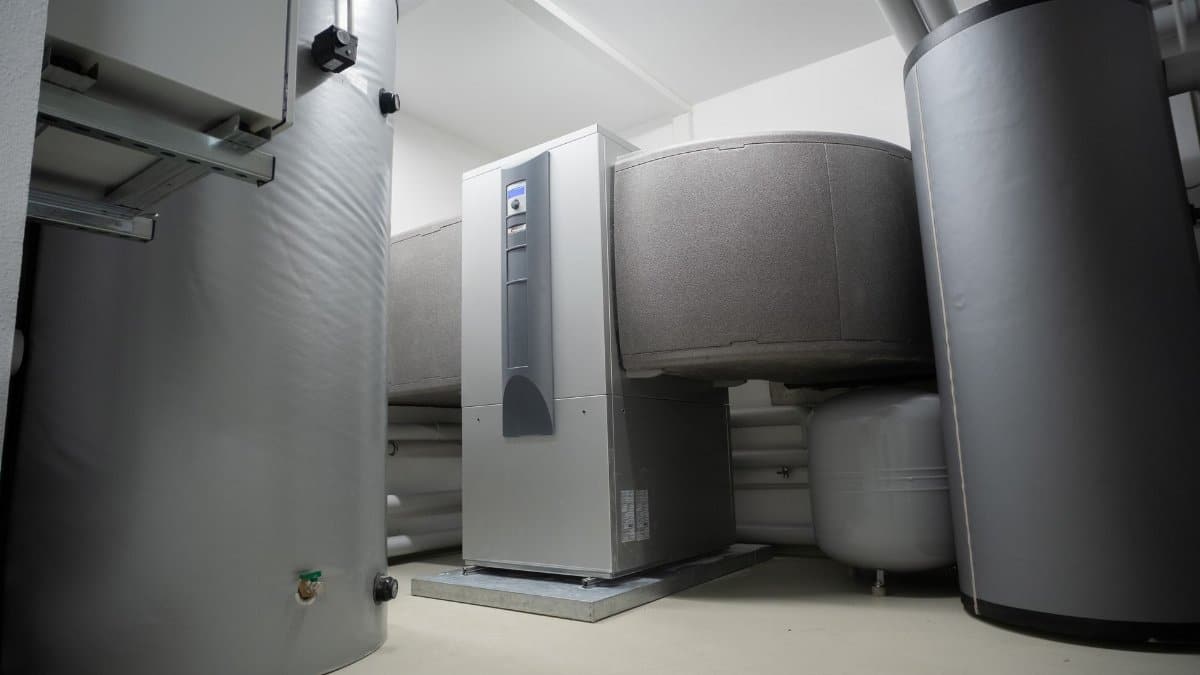
On a cold morning in eastern Massachusetts, a heat pump is supposed to be a quiet promise: lower bills, cleaner heat, a rebate that makes the swap from oil or gas feel possible. That promise is what makes a new lawsuit so jarring. Utilities have accused a Rockland contractor of an 8 million dollar Mass Save heat pump fraud, saying public rebates were claimed for equipment that was never installed or that was later taken out. The case, described in Boston Globe reporting, lands at the center of a program millions of residents have been told to trust.
What the accusation actually says

The claim is not a vague complaint about sloppy work. According to the account of the suit, utilities allege that a Rockland firm collected Mass Save incentives for heat pumps that customers never received, or that were removed after the rebate paperwork went through. If those allegations hold, the loss is not an abstract accounting error. It is money gathered from ratepayers and aimed at real installations in real homes.
An accusation is not a verdict. Courts will have to test invoices, inspection records, and what, if anything, was left behind in basements and yards. Still, the shape of the claim is easy to grasp. A rebate exists to pay for a machine that heats and cools a house. If the machine is missing, the public did not buy efficiency. It bought a story.
How Mass Save is supposed to work

Mass Save is the umbrella for energy efficiency programs run through the states electric and gas utilities. Homeowners and landlords apply, contractors do the work, and incentives reduce the price of insulation, weatherization, and electric heat pumps. The money does not appear from nowhere. It is built into utility rates, which means households across the state help pay for upgrades they may never see.
That design can be generous and fragile at the same time. Generous, because a heat pump that once looked out of reach becomes a practical choice. Fragile, because the program depends on contractors telling the truth and on inspectors catching the cases where they do not. When volume rises, the gap between a filed rebate and a finished job can widen.
Why heat pumps became the prize
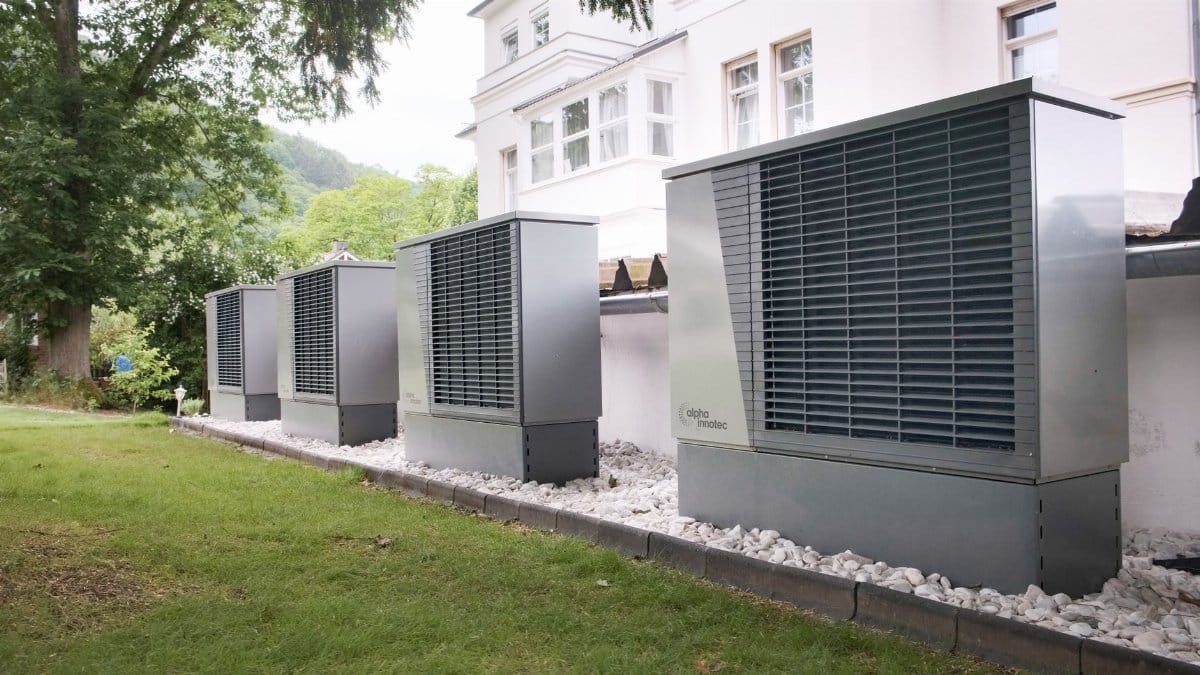
Massachusetts has spent years pushing households off oil and gas and toward electric heat. Heat pumps move warmth rather than burning fuel, and in a well sealed house they can cut emissions and, in many cases, operating costs. Rebates, tax credits, and contractor marketing turned the technology from a specialty product into a mainstream pitch.
The pitch worked. Installers multiplied. Advertising promised fast rebates and almost painless conversions. For a homeowner staring at an old boiler, the offer could feel like the responsible choice and the affordable one. That enthusiasm is exactly why fraud, if proved, would sting. The same surge that cleaned up thousands of heating systems also created a pile of claims large enough to hide bad ones.
A Rockland firm in the spotlight

The suit, as reported, focuses on a contractor based in Rockland, south of Boston. The Globe account frames the dispute as an 8 million dollar problem involving rebates for pumps never put in or later removed. Readers should be careful with what that framing does and does not establish. It identifies a place, a dollar figure, and a theory of the case. It does not, by itself, settle intent, name every worker involved, or describe what any single customer experienced.
Removal is a particularly stark allegation. A pump that was never installed suggests a paper transaction. A pump that was installed and then taken away suggests a second act: a visit, a disconnection, a house returned to the equipment it already had, while the incentive stayed claimed. Either version, if true, leaves the customer without the benefit the program thought it had purchased.
Who pays when a rebate is hollow

The first loss sits with ratepayers. Mass Save incentives are recovered through utility bills, so a false claim is a charge on people who had no say in the job. The second loss sits with the household that was supposed to get the equipment. They may have signed forms, cleared space, and waited for a crew that never finished the work, or that undid it. The third loss is quieter. It is the project that did not get funded because the budget was already spoken for.
Utilities are not bystanders in this design. They administer the programs, hire implementers, and face regulators who expect both savings and clean books. Suing a contractor is one way to claw money back. It is also an admission that earlier checks did not stop the claims from being paid.
The paperwork problem

Rebate fraud, when it happens in efficiency programs, rarely looks like a movie heist. It looks like forms. A model number. A date. A photo of an outdoor unit that might belong to another address. A customer signature on a tablet. An inspector who samples jobs rather than seeing every one. At scale, those steps can confirm honest work and still miss a pattern.
Programs try to close that gap with serial numbers, geo tagged photos, and random site visits. Those tools help only if someone compares them with stubborn attention. A contractor who knows the checklist can stage a visit. A contractor who removes equipment later can pass an early inspection and fail only if someone returns. The allegation at the heart of this Mass Save heat pump fraud case is a reminder that a single inspection is a snapshot, not a guarantee.
Homeowners left in the middle

Customers are the least equipped people in the chain to audit a rebate. They know whether a crew showed up. They may not know which incentive code was filed, which utility account was billed, or whether a unit photographed in the yard was the unit that stayed. Many sign because the contractor says the paperwork is standard. In a legitimate job, it is.
That imbalance is why consumer advice has to stay plain. Keep every estimate. Photograph the nameplate on any unit that is installed. Ask which rebate is being requested and in whose name. If a crew returns to remove equipment, write down the date and ask why, in writing. None of that makes a homeowner a forensic accountant. It does create a record if a utility, a regulator, or a lawyer later asks what happened in the house.
What regulators already know about incentive risk

Energy efficiency programs have been audited for years, in Massachusetts and elsewhere. The recurring themes are familiar: savings that were overstated, measures that were poorly installed, and occasional outright false claims. Those reviews do not prove the facts of this lawsuit. They do show that incentive money attracts both serious contractors and people willing to treat the form as the product.
The policy question is not whether heat pumps are worth supporting. For many Massachusetts homes, they are. The question is whether the verification matches the money. An 8 million dollar allegation is large enough to justify a harder look at sampling rates, at how quickly rebates are released, and at whether removal after payment is something the program is built to detect.
Utilities, implementers, and the chain of trust
A homeowner rarely deals with the utility that ultimately pays. They deal with a contractor, sometimes with a lead generator, sometimes with a subcontractor who arrives in a different truck. Each handoff is a place where responsibility can blur. When a suit names a firm, it still leaves open how many layers sat between the rebate application and the person who turned the wrench, or who did not.
Clear contracts help. So does a rule that payment waits on proof that equipment remains in service, not merely that it was photographed once. Utilities that sue after the fact are doing a necessary job. Utilities that design the program so the fraud is harder to commit in the first place are doing the more important one.
The climate cost of a fake installation
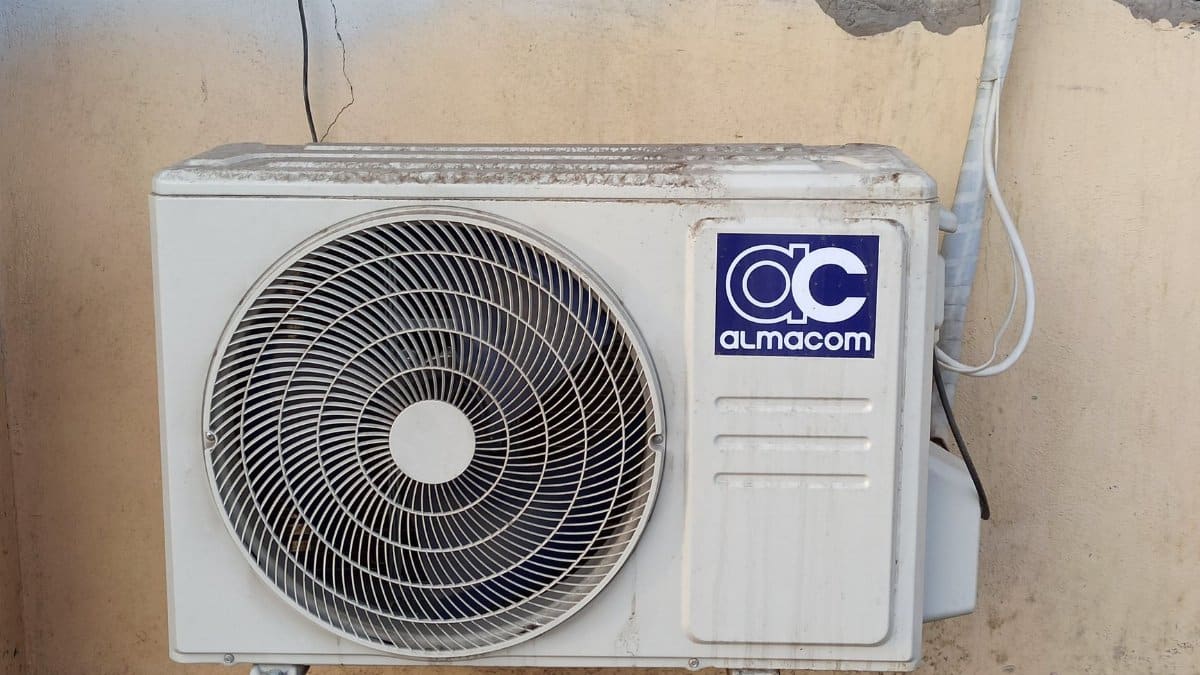
A missing heat pump is not only a financial miss. The states climate plans count on electrified heat to cut emissions from buildings, which remain a large share of Massachusetts pollution. Every phantom installation is a ton of carbon the spreadsheet thought was gone and the atmosphere never lost. Planners who treat rebate counts as progress can overstate how far the transition has come.
That does not mean the transition should pause. It means the count has to be honest. A program that cannot tell a real pump from a claimed one will eventually lose the public argument, even if the technology itself is sound. Trust is part of the infrastructure.
What an 8 million dollar figure does and does not mean

Big numbers travel faster than caveats. Eight million dollars is the figure attached to the accusation in news coverage, not a court award, and not a finding that every related job was false. Some claims in a large dispute can be valid installations swept into a broader complaint. Some can be worse than the headline. Readers should hold both possibilities until evidence is tested.
Still, scale matters. A single bad job can be a dispute between a customer and a contractor. A pattern measured in millions suggests a system that paid, repeatedly, for work that utilities now say did not endure or did not exist. That is the difference between a complaint and a scandal.
How other states watch the same risk

Massachusetts is not alone in subsidizing heat pumps. New York, Maine, and California run their own incentives, with their own contractors and their own audit fights. The lesson that travels is simple. Speed and scrutiny pull in opposite directions. Programs that pay fast win contractor loyalty and political praise. Programs that pay only after a second look lose some of that speed and keep more of the money.
There is no perfect setting. There is a choice about where the burden sits. If the burden sits entirely on a later lawsuit, the public eats the loss for years. If some of the burden sits on slower payment and tougher proof, honest contractors wait longer and dishonest ones find the door narrower.
What readers should ask before the next rebate

Anyone considering a heat pump through Mass Save can still do so with open eyes. Ask for the contractor license and insurance. Ask which company will appear on the rebate, and whether subcontractors are involved. Get the scope in writing, including what happens if equipment fails inspection. Do not pay the full private balance before the unit is running and the paperwork matches the machine in the yard.
If something already feels wrong, the useful step is a paper trail, not a social media verdict. Contact the utility program, keep copies, and be specific about dates. Accusation and fact are not the same thing, and a household that documents carefully protects itself either way.
The stake beneath the lawsuit

The Mass Save heat pump fraud allegation will be decided on records, not on the mood of a news cycle. What should not wait for a verdict is the quieter repair: verification that follows the equipment after the check is cashed, and a public explanation of how many jobs are revisited once the crew has left. People will keep replacing boilers. They should be able to believe that the rebate attached to that replacement bought a pump that stays.
A clean energy program lives on repetition. House after house, form after form, the same promise. When that promise is broken at the scale utilities now allege, the damage spreads past Rockland. It touches every bill payer who funded the incentive and every neighbor who did the work the right way and now has to explain that their heat pump is real. The court can sort the money. The program has to sort the trust.