

On a weeknight in Plymouth, the argument was not abstract. Residents stood up and asked who else could search the images of their driveways, school runs, and church parking lots. City leaders then voted to end a contract with Flock Safety, adding Plymouth to a widening list of Minnesota communities walking away from automated license plate readers. The phrase Flock camera Minnesota ban has become shorthand for that local revolt, even when the action is a canceled contract rather than a statewide statute.
What Plymouth decided and why it mattered
Plymouth did not invent the discomfort. It did make the discomfort official. Officials there chose not to renew a deal that placed cameras at selected intersections and fed plate reads into a private network. For a suburb that had treated the system as a practical crime tool, the vote marked a turn. Neighbors who rarely attend council meetings showed up because the cameras felt close to home. They wanted to know how long images lasted, which agencies could query them, and whether a mistake by a vendor could outrun a city policy.
The decision also traveled. When a relatively affluent, safety minded suburb steps back, smaller cities notice. Plymouth became a reference point in hearings from the metro to greater Minnesota. Supporters of the cameras called the move a loss for investigators. Critics called it proof that local government can still say no to a product sold as inevitable.
How the cameras work in ordinary traffic
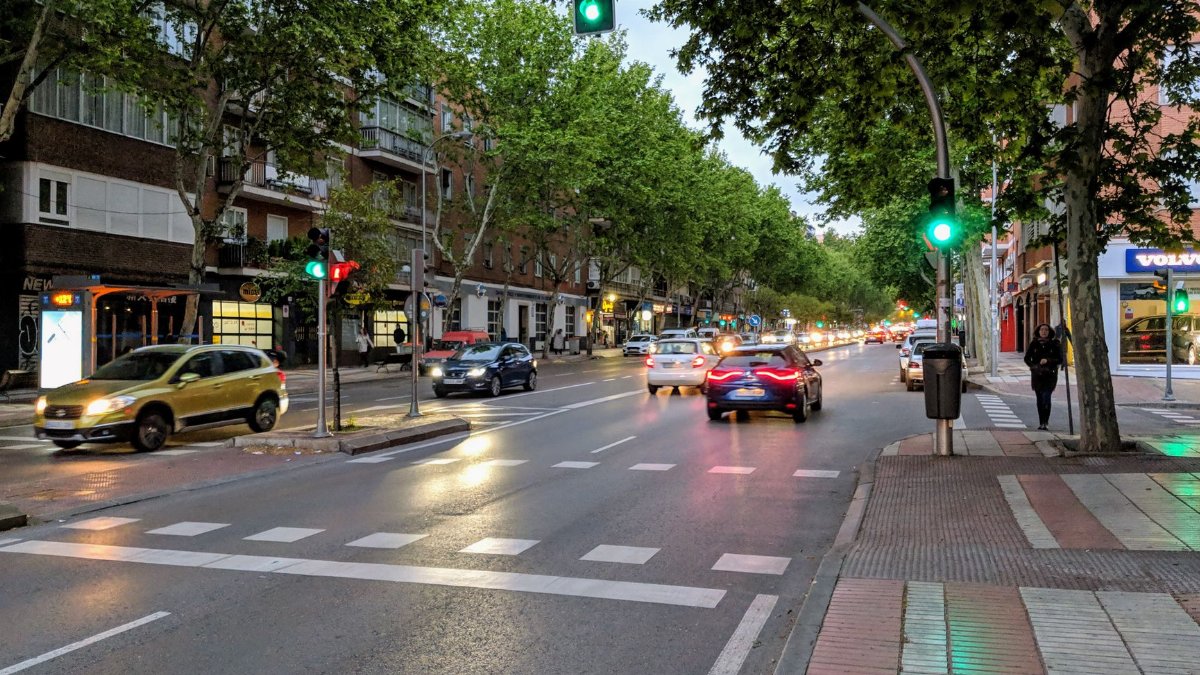
Flock cameras photograph vehicles, read license plates, and store the time and place of each pass. Police can search for a plate tied to a stolen car, a missing person, or a suspect described in a report. The pitch is speed. A detective who once called neighboring departments can now query a shared index in minutes.
That convenience is also the objection. A plate is not a person, yet it maps a person through habit. The same car appears near a clinic, a mosque, a union hall, or a home. Over weeks, the log becomes a diary the driver never agreed to keep. City contracts often promise limited retention and audit logs. Residents hear those promises and still ask who polices the vendor when the city staff is small and the network is large.
The privacy case residents brought to city hall

The backlash in Minnesota has been unusually civic. It is not only civil liberties lawyers. It is parents, retirees, and small business owners who learned that their town had joined a national search fabric. They asked for public records and sometimes received more detail than officials expected to defend in a crowded room.
Some worries are technical. Cameras can misread a plate. A search can pull the wrong vehicle. Other worries are political. Once data exists, later leaders, later laws, and later partnerships can reach for it. A policy written for burglary cases can be stretched toward immigration status, protest policing, or a fishing expedition that no one described at the original vote. That fear, more than any single misuse, has driven the Flock camera Minnesota ban conversation in local newspapers and council packets.
Immigration fears and shared searches

A central flashpoint is whether plate data can be reached by agencies outside a city, including federal immigration officers. Minnesota communities have wrestled with reports that searches tied to immigration enforcement appeared in audit material connected to Flock systems. Even where a city says it did not intend that use, residents treat access as the fact that matters.
Local police chiefs often reply that they set search reasons, review logs, and can shut off sharing. Critics answer that intent is not a lock. A shared platform is built to be queried. If the default is connection, disconnection takes constant effort. For families with mixed immigration status, the risk is not theoretical. A camera near a grocery store can feel like a checkpoint that never announces itself.
Minnesota rules that do not settle the fight

State law already treats some government data as public and some as private. License plate reader programs sit in an uneasy middle. Statutes and advisory opinions describe retention, access, and the need for a legitimate law enforcement purpose. They do not erase the vendor relationship, and they do not stop a city from choosing a stricter path than the legal minimum.
That gap explains the local votes. Councils are not waiting for a perfect statute. They are reading their own contracts, listening to their own police, and deciding whether the public trust cost is too high. In that sense the Flock camera Minnesota ban is less a single law than a series of municipal refusals. Each refusal cites similar themes: unclear sharing, thin oversight, and a sense that surveillance arrived before consent.
A dozen communities and counting
Reporting by the Star Tribune has described backlash in more than a dozen Minnesota communities, a pattern that includes pauses, nonrenewals, and outright cancellations. Plymouth sits inside that pattern rather than above it. Cities differ in size and politics, yet the meeting minutes rhyme. A vendor presentation. A grant or a budget line. A quiet installation. Then a public record, a social media thread, or a question from a council member, and the room fills up.
The spread matters because Flock sells a network effect. The value of one camera rises when nearby cities stay in the system. When several neighbors leave, the investigative map develops holes. Chiefs warn about those holes. Privacy advocates treat them as a feature. A regional retreat is harder for a company to dismiss as one eccentric town.
What police say they lose

Law enforcement leaders have not been silent. They describe plate readers as a tool for stolen vehicles, amber alerts, and violent suspects who cross city lines. They argue that a camera on a public road records what an officer could already see, only faster and with a memory. They point to cases in which a plate hit led to an arrest that might have taken days.
Those claims deserve a hearing. Crime victims want tools that work. The harder question is proportion. Does a city need a private nationwide index to solve local auto theft? Can a shorter retention window, a ban on outside searches, and independent audits answer the fear without a full exit? Some departments say yes and have tried to renegotiate. Others have found that residents no longer trust the middle path. Once trust breaks, a reformed contract can look like the same camera with a new paragraph.
Money, grants, and the ease of saying yes

Many systems arrived through grants, seized asset funds, or multiyear deals that looked inexpensive next to a new officer. The first vote was often technical, tucked beside road projects and software renewals. That ease is part of the story. Surveillance can scale because the invoice is smaller than the principle.
Ending a contract is rarely free. Cities may owe remaining fees, lose grant support, or face pressure to replace one vendor with another. Staff time goes into public explanations. Police must rebuild habits that relied on instant hits. Those costs are real. They are also the price of a decision that was under debated on the way in. Several Minnesota councils are now paying in public attention what they did not pay in scrutiny.
Faith communities and the feel of being watched

In a state where congregations still anchor many neighborhoods, the camera debate has picked up a moral tone that sits beside the legal one. Pastors, imams, and lay leaders have asked whether a city should map who comes and goes from worship, food shelves, and counseling offices. They do not need a statute to name the harm. A person who fears being followed stops showing up. That withdrawal is a civic injury even when no officer ever runs a search.
This is not a claim that cameras target sanctuaries by design. It is a claim about side effects. Location data does not know the difference between a suspect and a volunteer. When religious communities join the chorus, the Flock camera Minnesota ban discussion stops sounding like a niche tech fight. It sounds like a question of hospitality. Who is welcome to move through town without building a file?
What a canceled contract does not erase

Leaving a vendor does not rewind the past. Images already captured may remain for the retention period in the old agreement. Shared searches already run cannot be unrun. Residents pressing for a ban often discover that deletion clauses are narrower than campaign language. Councils that vote to exit still need a written plan for remaining data, for notices already issued, and for any cameras left on poles during a wind down.
There is also a substitution risk. A city can drop Flock and sign with a different plate reader firm, or lean harder on police dash cameras and private doorbell networks. If the objection is mass location logging, a new logo does not fix it. The more durable standard is purpose limits, short retention, no immigration searches, public audit summaries, and a vote before any new network joins the map.
The politics of a local no
Minnesota local politics can be quiet until a concrete object appears on a boulevard. Plate cameras are concrete. They have a brand, a pole, and a contract a resident can request. That visibility helps organizers. It also exposes splits inside city halls. Some members fear being labeled soft on crime. Others fear being labeled careless with liberty. The votes in Plymouth and peer cities show a third position gaining ground: safety tools are legitimate, secret expansion is not.
State lawmakers are watching. A patchwork of city exits can push the Legislature toward uniform rules on retention, warrant standards, and bans on certain sharing. It can also stall, if police associations and vendors argue that local control should include the freedom to keep the cameras. Either way, the municipal record is now part of the state argument. The Flock camera Minnesota ban, as people use the words, names a demand that may yet become statute or may remain a stack of canceled agreements.
Questions councils still have to answer

Cities that stay in the system face a shorter list of honest questions. Who can search? For what reasons? How fast is data deleted? Who reviews the audit log, and is that review public? What happens if a federal agency asks for help that local policy forbids? If those answers are muddy, the next packed hearing is already scheduled in spirit.
Cities that leave face questions of their own. How will investigators handle stolen cars and abductions without the old hits? What data remains, and who confirms deletion? Will the council prohibit a quiet return under a different vendor? Residents who won a cancellation will judge the follow through. A vote that is not implemented becomes another reason to distrust the chamber.
A modest standard for the next vote
The useful lesson from Plymouth is not that every camera is illegitimate. It is that consent has a procedure. Publish the contract before the poles go up. Name the sharing settings in plain language. Ban uses the community has rejected, including immigration searches if that is the local will. Report search volumes without turning victims into spectacles. Invite the critics into the audit, not only into the comment period after the deal is signed.
Minnesota is running that experiment town by town. Some will keep the cameras under tighter rules. Some will finish the exit Plymouth began. The measure of either path is whether people can drive to work, worship, and school without wondering which distant desk can reconstruct the week. Until that answer is clear, the Flock camera Minnesota ban will keep migrating from headline to agenda item, one council chamber at a time.