

The rain had not let up when the downtown lunch rush ended early, and the quiet in the office towers felt less like a pause than a pattern. Seattle continues to promise ambitious public goods: shelter, transit, parks, and a safety net that many residents consider a moral baseline. Paying for that promise depends on private employers more than campaign speeches admit. The Seattle business tax base, meaning the firms that actually remit payroll and business and occupation taxes, has concentrated in fewer hands. Chamber leader Joe Nguyen has warned that too few companies now shoulder the load, and that a progressive budget cannot float free of the businesses that fund it.
A city that spends like its values

Seattle has never been shy about using local government as a tool for fairness. Council budgets fund homelessness response, affordable housing, climate work, arts, and transit partnerships that other cities leave to the state or to charity. Residents who support those choices are not naive. They know the money has to come from somewhere. The political habit, though, has been to treat revenue as a moral argument rather than a fragile arrangement. A budget can be progressive in its spending and still rest on a tax structure that is narrow, volatile, and exposed to the decisions of a handful of executives.
Who actually writes the checks

Property owners, shoppers, and wage earners all contribute to city finances. Yet the distinctive pressure point in recent years has been business taxation, especially the payroll expense tax aimed at larger employers and the longstanding business and occupation tax that reaches a wider set of firms. When employment at the biggest companies surges, receipts look healthy. When those same companies slow hiring, move roles elsewhere, or grant fewer high salaries inside the city limits, the drop shows up quickly. A tax base is not an abstraction. It is a list of employers with accountants, lease decisions, and remote work policies.
Payroll tax concentration

The phrase Seattle business tax base sounds technical until you watch a budget hearing. Analysts talk about concentration, which is a polite way of saying that a small number of large employers generate an outsized share of payroll tax receipts. That design was intentional. The payroll tax was built to spare smaller firms and to capture compensation at companies that could absorb the cost. The tradeoff is obvious in hindsight. Spare the many, and you depend on the few. If those few restructure, the progressive spending plan does not get a grace period. It gets a hole.
The B and O burden downtown
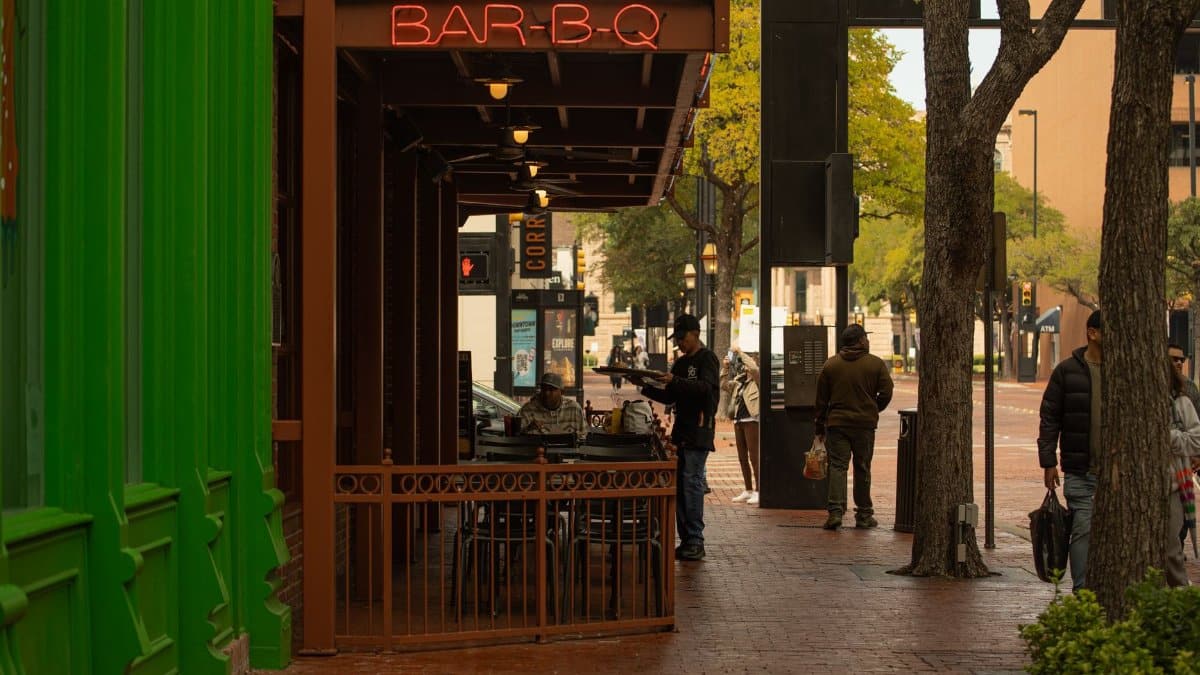
Business and occupation taxes work differently. They fall on gross receipts rather than profit, which means a storefront, a clinic, a law practice, or a restaurant can owe the city even in a thin year. That breadth is a virtue if the goal is to avoid leaning only on technology payrolls. It is also a source of resentment among owners who feel they are funding a downtown they no longer recognize. Empty offices reduce foot traffic. Foot traffic supports the small firms that keep the wider tax roll from becoming a short list of famous logos. Ignore that ecology and the Seattle business tax base keeps tightening even if the ordinance books stay the same.
What Nguyen is really warning about

Joe Nguyen did not arrive at this argument as a spectator. As a chamber leader, and before that as a state senator, he has lived in the space between progressive goals and the firms asked to finance them. His warning is not a demand that Seattle abandon its values. It is a claim about arithmetic. Too few firms now carry the payroll and business and occupation taxes that underwrite local ambitions. When leaders talk as if business is a problem to be managed rather than a partner that has to remain, they invite exactly the concentration they later regret. I have sat through enough budget seasons in other cities to know the pattern. The speech celebrates inclusion. The spreadsheet depends on exclusion, in the sense that only the largest payers really move the totals.
Services that cannot invoice themselves
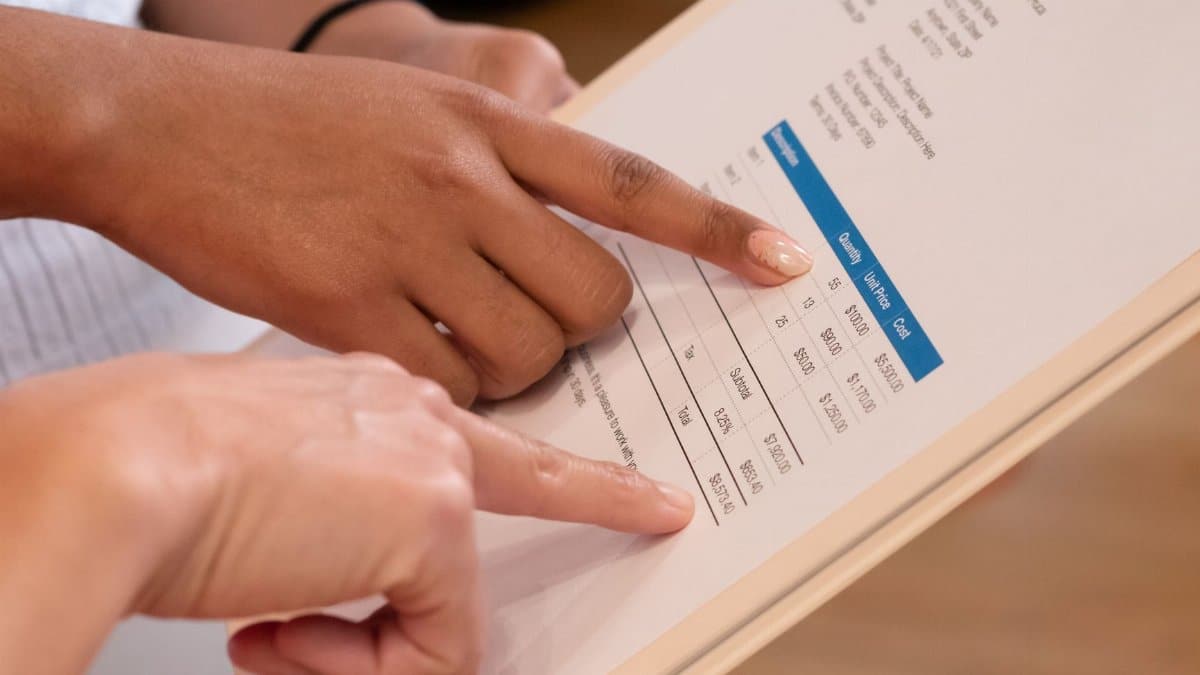
Homelessness response does not collect a fare. Neither do library hours, park maintenance, or the case managers who try to keep people housed. Those services are the point of a progressive budget, and they are also the first places where a revenue miss becomes visible. Officials can shift one time federal money, delay a capital project, or raise fees. None of that repairs a structural reliance on a narrow set of employers. Voters deserve honesty about this link. If the Seattle business tax base thins, the city does not get to keep the same service menu by force of rhetoric. It either broadens who pays, cuts what it promises, or asks households to cover the gap through other taxes.
When employers shrink or leave

Departure is rarely a single dramatic announcement. A company keeps its headquarters sign and moves a division to Bellevue, or it freezes Seattle hiring while expanding in another state. A professional firm renegotiates its lease and occupies two floors instead of four. Each choice is rational from the inside. Together they erode the payroll counts that the tax system notices. Remote work accelerated the shift, but it did not invent it. Employers have always compared Seattle with places that offer talent without the same local tax stack, permitting delays, or street conditions that make a return to office feel optional. Pretending those comparisons are mere ideology does not make them disappear.
Housing talent and the quiet attrition
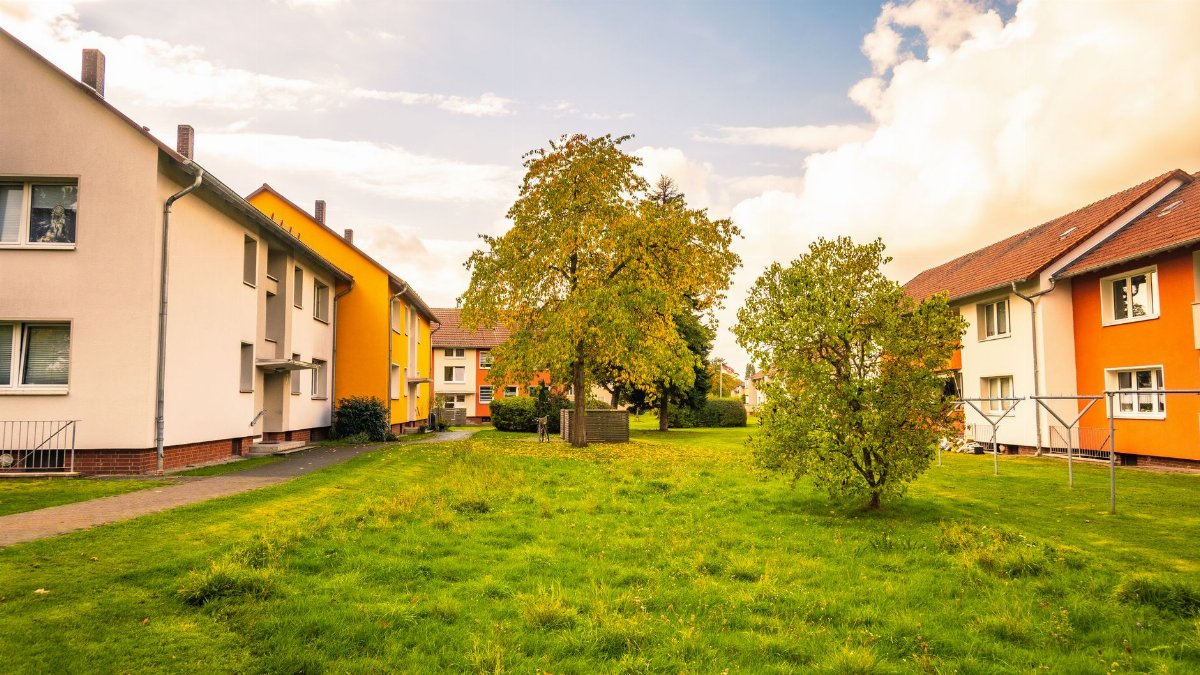
Housing costs sit underneath the tax debate even when nobody mentions an ordinance. A high wage city that cannot house nurses, cooks, teachers, and junior engineers will eventually employ fewer of them inside its limits. That is a tax base problem disguised as a zoning problem. Businesses do not pay payroll tax on workers who live and work somewhere else. If Seattle wants the revenue that comes with dense employment, it has to make remaining here plausible for more than the already wealthy. That means faster housing production, a downtown that feels safe enough for a night shift, and a permitting culture that does not treat every storefront expansion as a suspect event. Values that stop at the budget hearing and never reach the building permit are incomplete.
A broader base is a progressive project

Broadening who pays is not a surrender of progressive purpose. It is the condition for keeping that purpose funded when a single industry cools. Hospitals, universities, hotels, manufacturers, grocers, and professional firms can thicken the roll if policy treats them as assets rather than afterthoughts. Predictability matters as much as the rate. A payroll tax that nudges companies to relocate teams is not a victory for fairness. A business and occupation tax that bites hard in a low margin year teaches owners to expand elsewhere. The Seattle business tax base grows when more employers can imagine a future inside the city limits, not when leaders assume the current giants will always be there to write the largest checks.
The bargain worth stating out loud

Seattle can keep a generous local government and a demanding business climate only if both sides admit the bargain. Firms that profit from the region’s talent, ports, and research institutions owe the city more than a logo on a jersey. The city owes those firms a tax system that does not depend on their permanence while quietly hoping they never notice. Nguyen has put the tension in plain language: too few companies carry the payroll and business and occupation taxes, and a progressive budget still needs business to succeed. That is not a retreat. It is a description of how public ambition actually gets paid. The next budget cycle will test whether officials widen the circle of contributors or keep asking the same short list to underwrite every new promise. Residents should listen for that choice, because it will shape services long after the press conference ends.