

The parking lot at Amerant Bank Arena will fill early on Sept. 25, not for a concert and not for a playoff night, but for clipboards, name tags, and the narrow hope that one conversation in a loud hall can change a household budget. Sunrise is staging a large hiring event that morning, and anyone driving in from Fort Lauderdale, Hollywood, or West Palm Beach will face the same practical problem. How do you leave with a time on someone else’s calendar, not only a tote bag? Sunrise job fair tips are less about charm than about order: who you approach, what you hand them, and whether you ask for an interview before the next person steps forward. Public notices have already named employers that include the Miami Dolphins, the Florida Panthers, police agencies, and Jiffy Lube, so the floor will mix famous brands with the ordinary jobs that actually keep a county running.
Why an arena fair is a different kind of morning
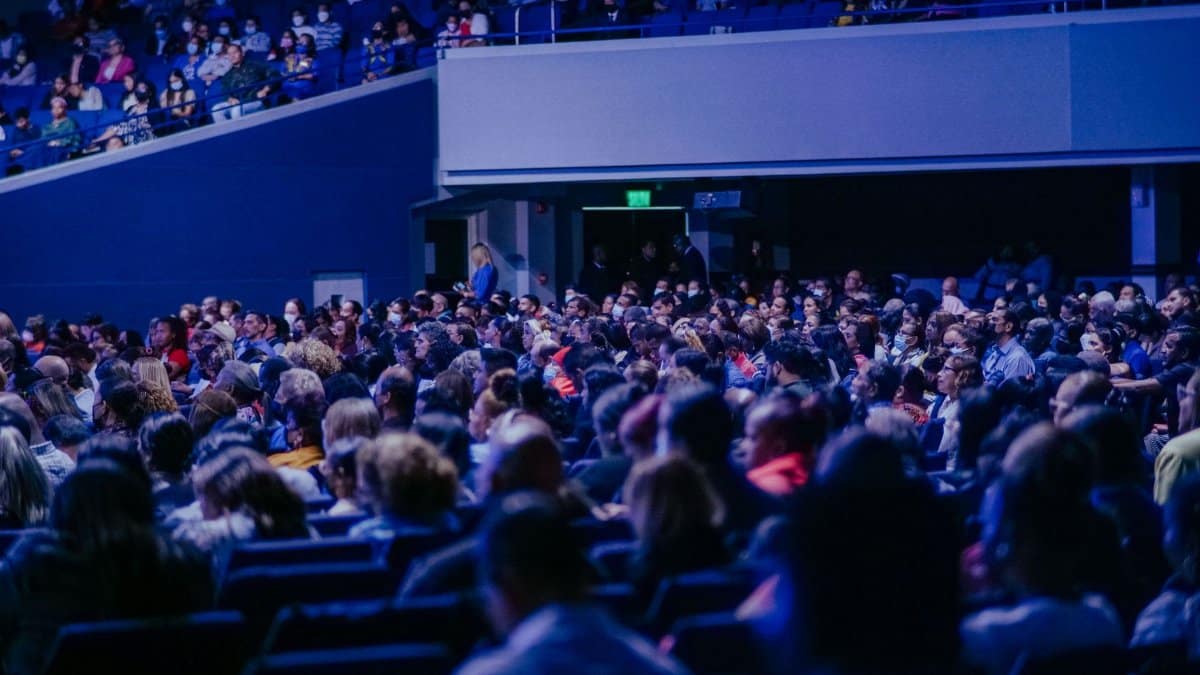
A job fair inside a sports building is not a quiet office lobby. Sound carries. Lines form in front of the tables with the best known logos, while smaller employers stand with empty carpet in front of them and real openings behind the table. That imbalance is the first fact worth using. Fame draws a crowd. Hiring managers with quotas still need people who can start, pass a background check, or work a weekend shift. If you treat the morning as a tour of brands, you will spend your best hour waiting. If you treat it as a set of separate employers, each with a different clock, you can cover more ground before lunch.
The useful frame is simple. You are not there to be discovered. You are there to make a short case, leave a readable resume, and secure a next step while the person across the table still remembers your name. Everything else is decoration.
Build a short list before you leave the house
Walking in cold is how people waste the first forty minutes. The night before, write down six employers you would actually accept a call from, and two roles at each if you can name them. Put the list on paper, not only in a phone note you will fumble while someone is talking. Rank them. The Dolphins and the Panthers will draw lines. A service company, a bank, a city or police recruiting table, or a maintenance contractor may move faster and may be closer to a same day interview if your background fits.
Read whatever the city, the arena, or the sponsoring group has posted about the fair. Note whether certain employers want you to apply online first. Some large organizations use the booth only as a filter and will not schedule anything until an application exists in their system. Doing that step at home, even incompletely, puts you ahead of the person who learns about the portal while standing in line.
A pitch that sounds like a person, not a brochure

You will get about thirty seconds before the recruiter decides whether to keep talking. Use them on facts, not adjectives. Name the kind of work you want, the setting you have done it in, and one result a stranger can picture. A warehouse lead might say she ran a night crew of twelve and cut mispicks by keeping a simple board at the end of each aisle. A teacher moving into training might say he built weekly lesson plans for adults who had been out of school for years. Skip “hardworking,” “people person,” and “passionate.” Those words fill air and prove nothing.
Practice the pitch out loud once in the car, then stop. Over rehearsed lines sound like a commercial. If you blank, hand over the resume and point to the job title that matches the booth. Pointing is better than rambling.
Paper still does work in a crowded hall
Phones die. QR codes fail when the arena network slows. Bring fifteen clean copies of a one page resume, printed on ordinary white paper, with a phone number and an email address that you actually check. Use a folder, not a wrinkled stack from the passenger seat. If you have a certification, a license, or a short list of software you use daily, put that near the top. Fair recruiters skim. They do not hunt.
A second page is rarely a gift at this kind of event. If your history is long, cut older roles to a line each and keep the last ten years readable. Bring a pen that works. You will fill out interest cards, and borrowing a pen from the table marks you as unprepared in a small but noticeable way.
Dress for the job you could start this month

You do not need a new suit for every booth, and you should not dress for a courtroom if you are asking about lube bays or arena operations. You do need clothes that look intentional, clean, and suited to the most formal employer on your list. Closed shoes, a pressed shirt, and a jacket you can carry if the hall is warm will cover most tables. Police recruiting tables notice grooming and posture because those details preview a uniformed job. Hospitality and team operations tables notice whether you look like someone they could put in front of a guest.
Leave the costume jewelry, the loud slogan shirt, and the heavy cologne at home. You will stand close to strangers for hours. Comfort matters, but comfort is not the same as looking as if you came from the gym.
How to ask for the interview before you step aside
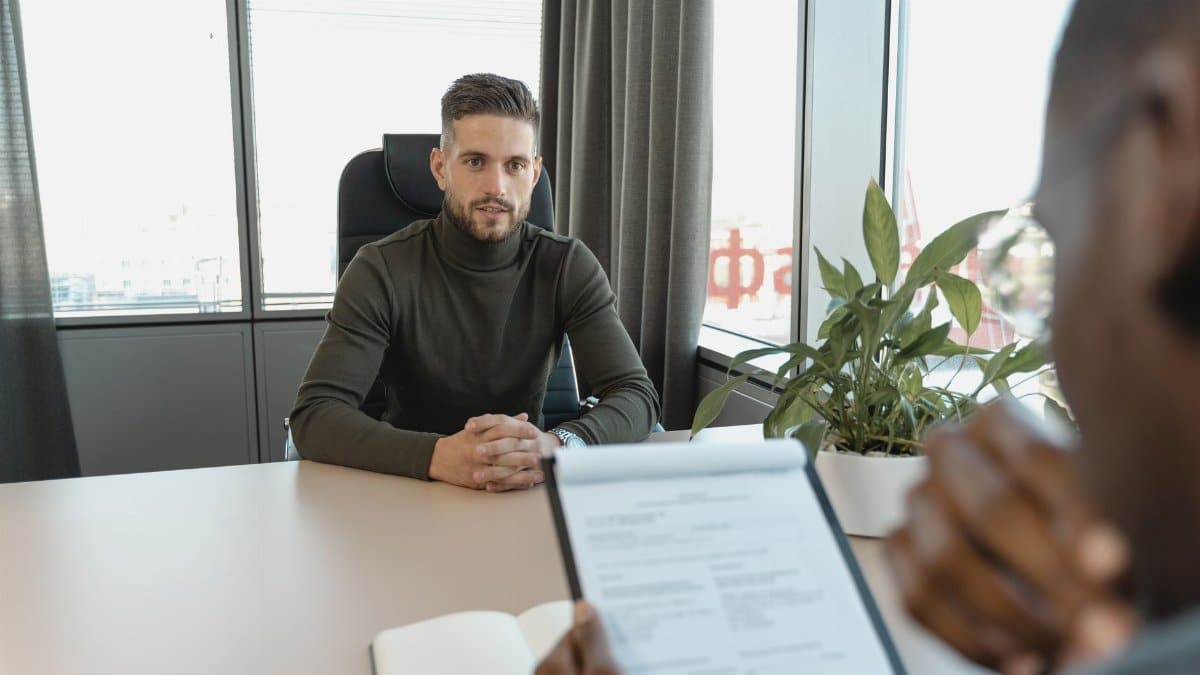
Many applicants thank the recruiter and drift to the next logo. That is polite and incomplete. Before you leave a promising table, ask a direct question: what would a next conversation look like, and can it happen today? Some employers at arena fairs keep a side room or a later window for short interviews. Others will only book a call. Either answer is useful. What you want is a name, a time, or a clear instruction, not a vague “we’ll be in touch.”
If they cannot interview on the spot, ask what would make a follow up email worth opening. Write that down on the back of their card while you are still at the table. Sunrise job fair tips that stop at “be confident” miss this moment. Confidence without a request is just a pleasant conversation. The request is the point.
If the answer is no, take it cleanly and move. Arguing with a recruiter who has no authority to schedule burns time you need at the next booth.
Questions that show you did more than show up

Good questions are specific and short. Ask what the first ninety days actually require. Ask which shift is hardest to fill. Ask whether the role is new or a replacement, and what happened to the last person if the recruiter is willing to say. Ask how soon they expect to make offers from this fair. Those questions tell you whether the booth is collecting resumes for a file or hiring against a date.
Avoid questions you could have answered with a one minute search: where the company is based, whether it is hiring at all, what the famous team plays. Save pay for a real interview unless the posting is silent and the role is hourly. Even then, ask for the range, not for a personal exception, and accept a deflect without a speech.
Work the quiet tables on purpose

After you have hit your priority list, walk the edges. Jiffy Lube is a useful example of the kind of employer people underestimate because the name is ordinary. Service chains, staffing firms, security companies, and municipal recruiters often have authority to move faster than a sports franchise, whose process may involve more screens and more waiting. A same day interview is more likely where the manager at the table is also the person who feels the empty shift.
Introduce yourself the same way. Do not apologize for not knowing the brand. Ask what they are filling and whether your background is close enough to talk. Close enough is often enough. Perfect matches are rare in a hall this size.
Keep a record while the names are still fresh
By the tenth conversation, booths blur. Carry a small card or a single notebook page with columns for employer, person, role, and next step. Fill it in as you walk away, not in the car an hour later. If someone says to apply online and use a code, write the code before you pocket the flyer. If someone says a supervisor will call on Thursday, write Thursday and the number you gave them, so you know which phone to watch.
This habit is dull. It is also how you avoid sending a thank you note to the wrong company, which happens more often than people admit after a long morning on concrete floors.
The hour after you walk back to the car
Do not save every follow up for “later this week.” Later this week is when the recruiter has forty new resumes and a game or a shift to staff. Sit in the car, or in a cafe near the arena, and send three short emails while your notes are accurate. Restate the role, one fact from the conversation, and the next step they described. Attach the same resume you handed them. Keep it under a short paragraph. Warmth is fine. A life story is not.
Then apply online where they told you to, the same day, using the same job titles you discussed. Mismatched applications make the booth conversation useless. If a table promised a same day interview and the slot is still ahead of you, go back early, not fashionably late. Arena events run on volunteer energy and hired staff who also want to go home.
What this morning is, and what it is not

A fair will not repair a thin work history in one handshake, and it will not override a license you do not hold. It can compress weeks of cold applications into a morning of face to face sorting, which is why the drive is worth it for people who have been sending resumes into silence. Treat rejection at a booth as information, not as a verdict on your worth. Work is one of the ways adults keep promises to the people who depend on them. That is reason enough to prepare, and reason enough to be courteous when the answer is not the one you wanted.
If you remember nothing else from the Sunrise job fair tips in circulation this month, remember the sequence. Choose your tables before you park. Speak in facts. Leave paper. Ask for the interview out loud. Write down the name. Send the note before the afternoon traffic thickens on the highway home. The employers will still be sorting candidates after the lights in the bowl go down. Your advantage is that you will already be in their stack with a clear next step attached, not as one more unread sheet from a pile on a folding table.