
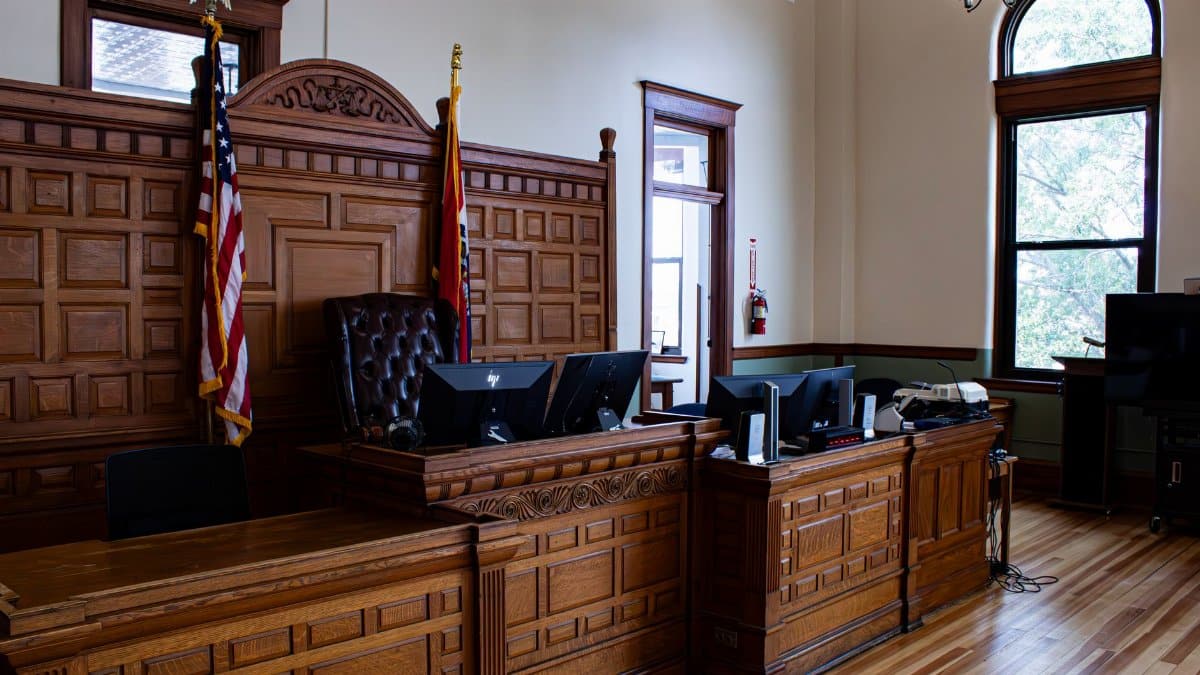
On a quiet weekday in Des Moines, a short order from an Iowa judge closed a fight that had hung over a newsroom, a pollster, and a former and future president for many months. The court threw out Donald Trump’s case against the Des Moines Register and the survey team behind a late 2024 Iowa poll that showed Kamala Harris ahead in a state Republicans had treated as secure. For readers who had watched the argument migrate from cable panels to a courthouse, the phrase Trump Des Moines Register had become a compact label for a larger question: when a survey misses, is that a failure of method, or a wrong that the law should punish?
What the judge actually did

The ruling was a dismissal, not a trial on the merits of every number in the survey. In plain terms, the judge found that the complaint did not clear the legal threshold required to keep the case alive. That is a familiar judicial move. Courts often end suits at the starting gate when the facts alleged, even if taken as true for the sake of argument, do not add up to a claim the law recognizes.
Dismissal at this stage does not declare every criticism of the poll unfair. It says something narrower and, for news organizations, more important. A bad forecast is not, by itself, a ticket into civil court. Readers can reject a survey. Campaigns can attack it. Historians can pick it apart. Judges are asked to decide whether the publication crossed from journalism into a legally actionable wrong.
The survey that started the storm
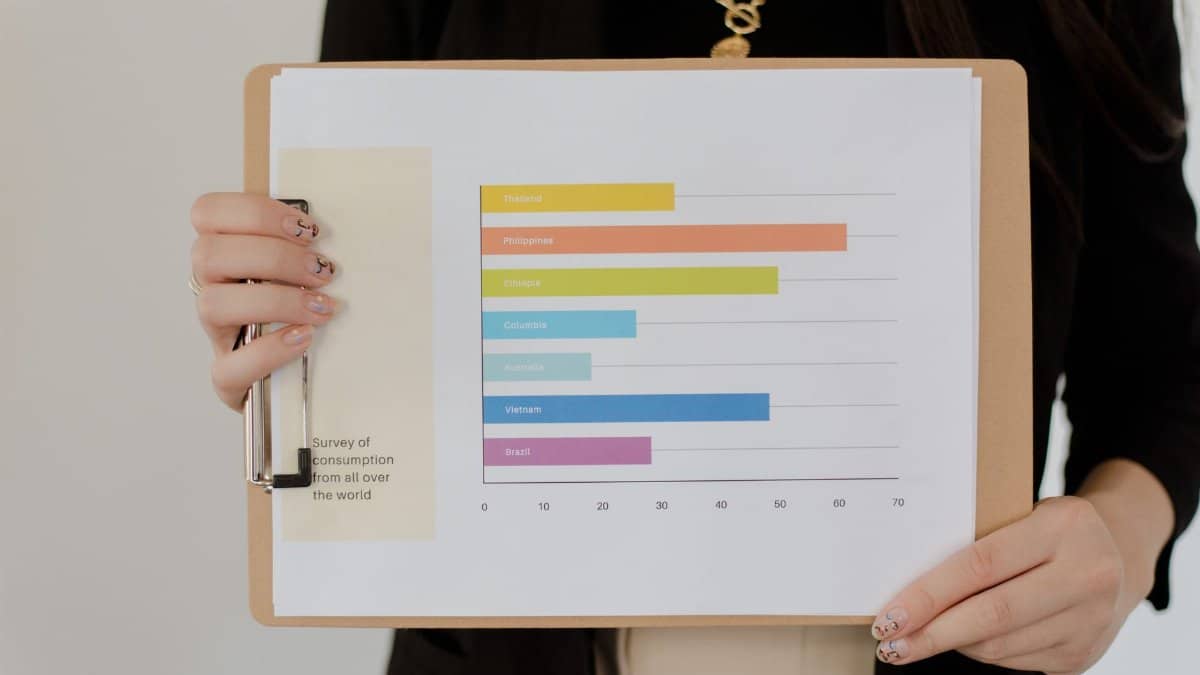
The poll arrived in the final stretch of the 2024 campaign, when Iowa was no longer the first caucus state of the primary calendar but still a symbol in the general election story. The Register’s Iowa Poll, long associated with pollster J. Ann Selzer, had a reputation for catching late movement that other surveys missed. This time the release pointed the other way from the result. It showed Harris ahead. Trump went on to carry Iowa by a wide margin.
Misses of that size are rare for a poll with that pedigree, which is why the number landed so hard. Campaign aides treated it as either a gift or a threat, depending on the day and the audience. Supporters of Harris saw a crack in a red wall. Supporters of Trump saw a story designed to depress their side or inflate the other. The election itself supplied the verdict that the survey did not. Ballots, not crosstabs, decided the state.
How the complaint was built
The lawsuit did not read like a standard defamation case about a false quote. It framed the poll as something closer to a deceptive product: a number published with fanfare, relied upon by voters and donors, and, in the plaintiff’s telling, unfit for that reliance. Lawyers for Trump argued that the gap between the survey and the outcome was too large to shrug off as ordinary error.
That framing matters. Polls are estimates with margins of error, weighting choices, and turnout guesses. Treating them as warranties would pull courts into the daily work of sampling. The complaint tried to leap that gap by stressing reputation, timing, and impact. A famous poll, released late, can move money and morale even if it cannot move a single ballot by itself.
Why political surveys sit in a special lane
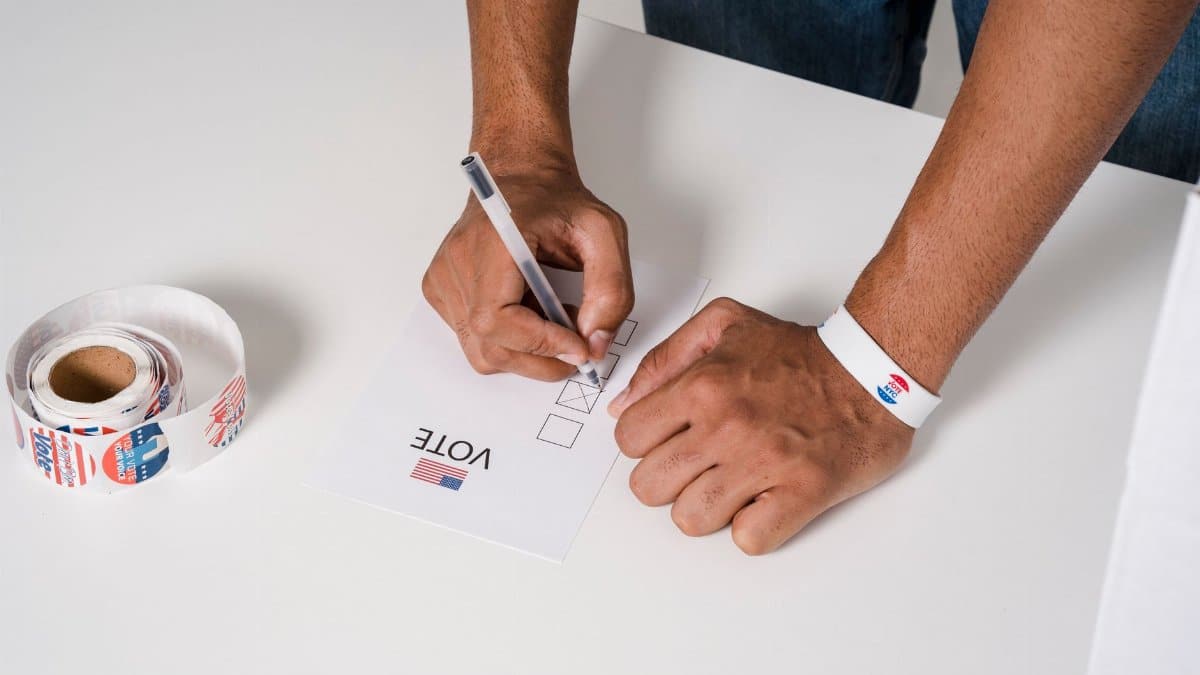
American law has long given wide room to speech about public affairs, especially speech about candidates who have thrust themselves into the arena. A poll is not a neutral lab result in the way a blood test is. It is a snapshot built from questions, callbacks, and models of who will show up. Reasonable people can disagree about those choices without anyone committing fraud.
Judges also worry about the next case. If a candidate who wins can sue the poll that showed him behind, then a candidate who loses can sue the poll that showed her ahead. The courthouse would become a second scoreboard. That is not a theoretical parade of horrors. It is the logic that makes dismissal, when the pleadings fail, feel less like a favor to one paper and more like a boundary around the whole trade.
The Register and a pollster’s record
The Des Moines Register is not a national chain in disguise. It is a state paper whose political survey became a national reference because Iowa’s early contests, and later its general election mood, drew the country in. Selzer’s method earned trust over decades of close calls. Trust is not a contract. It is a habit of readers who have seen the work hold up more often than not.
A single miss, even a painful one, does not erase that history, and history does not excuse a miss. The honest accounting is plainer. The 2024 Iowa survey was wrong in direction and costly in credibility. Newsrooms that publish polls owe readers a clear account of sample, timing, and uncertainty. They do not owe candidates a result that matches the eventual count.
Iowa on the 2024 map
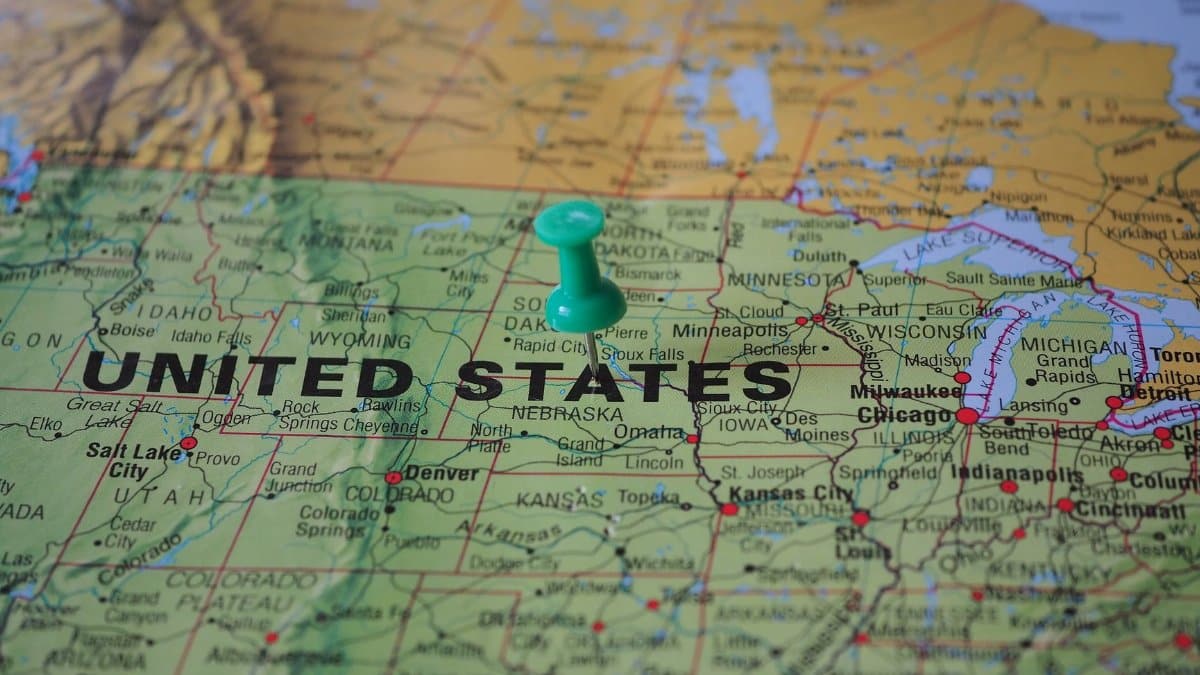
Iowa’s shift over twenty years is its own story: a swing state that became reliably Republican in presidential voting, even as local races sometimes told a more mixed tale. By 2024, few neutral analysts expected Harris to win the state’s electoral votes. That is part of why the poll shocked professionals. It did not merely miss a close state. It described a state that the final tally did not resemble.
Shock is not the same as sabotage. Campaigns leak internal numbers that also miss. National outlets average surveys that drift. The Register’s release stood out because of the brand attached to it and because the gap was so visible on election night. Visibility invites lawsuits. It also invites the slower work of methodological review, which is where most polling failures actually get resolved.
Speech, power, and public figures

Trump has spent years treating news organizations as political opponents as well as chroniclers. Some of those fights concern genuine errors. Others concern coverage he dislikes. The Iowa case sat in the second category for press lawyers and in the first for his allies, who argued that a celebrated pollster had published a number too detached from reality to deserve legal shelter.
Courts tend to resist that merger of distaste and liability. Public figures already command microphones larger than any state newspaper. They can answer a poll on the same day it appears. They can commission rival surveys. They can, and in this instance did, win the election the poll seemed to doubt. The remedy of more speech is not always emotionally satisfying. It is the remedy the First Amendment prefers when the speaker is reporting on a campaign, not fabricating a crime.
What dismissal changes and what it does not

For the Register, dismissal lifts the immediate cost and distraction of defending a suit through discovery, depositions, and a possible trial. Litigation is expensive even when the defendant expects to win. Smaller newsrooms feel that cost as a tax on aggressive political coverage. A win at the motion stage is therefore not only a legal result. It is a budget result.
For Trump, the order is a loss in this forum, not a gag. He can still argue, as he has, that the poll was reckless. He can ask a higher court to revive the case if his lawyers find a path. He can keep using the episode in speeches about media trust. What he cannot do, unless an appeals court disagrees, is force this newsroom to answer the complaint in front of a jury on the record as it stands.
How the two camps heard the order

Allies of the president described the suit as a warning to pollsters who, in their view, launder preference through numbers. They treated dismissal as proof that courts protect institutions even when those institutions fail in public. Press advocates described the same order as a routine application of rules that keep elections from being relitigated as consumer complaints.
Both descriptions can be believed by their audiences at once. That is the texture of media fights now. Each side keeps a private score of who was humiliated and who was shielded. The public record is thinner: a poll missed, a candidate won, a judge declined to let the lawsuit proceed. Anyone searching Trump Des Moines Register will find more heat than that sentence contains. The sentence is still the spine of the case.
Trust after a conspicuous miss

Polling as a craft was already under strain before this lawsuit. Response rates are low. Cell phones and caller identification make old methods harder. Partisan nonresponse can hide inside a sample that looks balanced on paper. A famous miss in Iowa feeds a broader suspicion that numbers are costumes for narratives.
The useful response is not a lawsuit and not a shrug. It is transparency about weighting, a willingness to say when a result looks lonely against other evidence, and a refusal to treat any single survey as destiny. Readers share that duty. A poll is an input. It is not a prophecy, and it is not a ballot.
The next legal mile
Dismissal in a trial court is often the start of a shorter second argument rather than the end of all argument. Appellate judges review whether the law was applied correctly to the pleadings. They do not reinterview voters. If they affirm, the case ends unless some extraordinary path remains. If they reverse, the Register and the pollster return to the cost and exposure of active litigation.
Either outcome will be read through politics. A legal affirmance will be called a press victory. A reversal will be called a voter victory. Those labels skip the actual question on appeal, which is technical: did the complaint allege a wrong the statutes and the Constitution allow a court to hear? Technical questions decide more of American public life than rally lines admit.
Newsrooms under a litigious sky

The episode will travel beyond Iowa. Editors elsewhere are already asking whether a late poll that surprises their own newsroom is worth the legal tail risk, even when they believe the work is sound. That hesitation is the quiet effect of suits like this one. You do not need to win at trial to change what gets published. You need only to make the process expensive enough that caution starts to look like prudence.
Caution has a place. So does nerve. A state newspaper that stops publishing hard numbers because a powerful reader might sue has surrendered a part of its job. The judge’s order, whatever one thinks of the poll, pushes back against that surrender. It says the remedy for a wrong forecast is a better forecast, a clear correction of the record by events, and criticism as loud as the original headline.
A boundary worth keeping
None of this requires affection for the 2024 Iowa Poll. Affection would be strange. The survey told a story the state did not ratify, and the people who trusted it were misled about the direction of the race. That is a professional failure, and professionals should say so without euphemism.
It is also not a template for civil damages. Democracies absorb bad information by arguing, voting, and replacing the story with the result. They corrode when every miss becomes a claim of fraud and every newsroom becomes a defendant for disappointing the winner. In that light, the Trump Des Moines Register fight is less about one spreadsheet than about who gets to close an argument: a court, or the electorate that already did.
What readers should carry away

The order will not restore the poll’s old aura, and it should not. Reputation in this work is rented, not owned. The next Iowa survey will be read with sharper skepticism, which is healthy. Skepticism becomes corrosive only when it denies that a good faith estimate can be wrong without being a plot.
Hold both facts. The poll showed Harris ahead, and the voters did not. The court threw out the president’s case, and the argument about trust will continue in public, where it belongs. Between those poles, the phrase Trump Des Moines Register will keep circulating as a slogan. The more durable lesson is quieter. Elections judge candidates. Readers judge journalism. Courts should step in only when the law, not the sting of a missed call, requires it.