
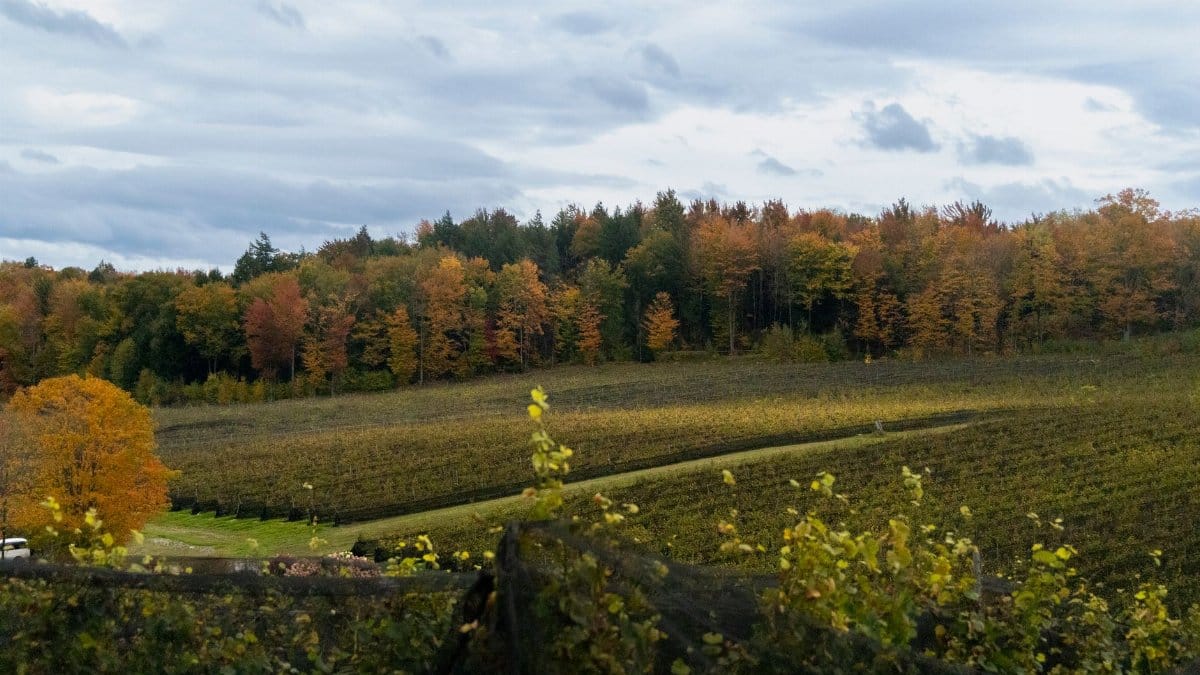
On a warm afternoon in California’s Central Valley, the vine rows outside Ripon still look orderly and green, the kind of landscape that suggests permanence. Yet permanence is exactly what is now in question for one of the region’s better known family producers. The phrase McManis winery Canada boycott has moved from trade chatter into a concrete business crisis, after shipments north of the border collapsed and the owners put thousands of acres on the market. For readers who think of wine as a pleasure rather than a political instrument, the listing is a blunt reminder that grocery shelves and tariff fights can decide the fate of a farm.
A name built row by row

McManis Family Vineyards is not a boutique fantasy assembled by distant investors. It is a Ripon operation whose identity rests on farming at scale, on fruit grown for bottles that ordinary shoppers can actually afford, and on a family name that has circulated through the valley for generations. That combination once looked like a hedge against fashion. Value wine does not need a cult following. It needs reliable acres, careful farming, and a sales channel that does not vanish between one season and the next.
The decision to list about 3,500 acres does not read, from the outside, like a whim. Land of that size is not a side parcel. It is the working body of a business. When a grower puts that much ground up for sale, the message to lenders, employees, and neighboring farms is hard to soften. Something in the revenue map has broken, and the owners have concluded that waiting for the old map to return is no longer a responsible plan.
What the market listing really signals
A for sale sign on vineyard land is not the same thing as a shuttered tasting room. Grapes can still be picked. Wine already in bottle can still be poured. The signal is about the future claim on the soil. Buyers will ask whether the acres are worth more as producing vineyard, as a parcel to be reshaped, or as an asset whose price must be discounted because a major export door has closed.
In the Central Valley, land is never only scenery. It is water rights, labor schedules, contracts with wineries, and the quiet arithmetic of tons per acre. A listing of this size will be read by other growers as a stress test. If a producer with brand recognition and long experience cannot carry the loss of one foreign market, smaller operations that copied the same export bet will be doing their own math in private.
How a friendly market turned cold
Canada has long been one of the most important foreign destinations for American wine. Provincial liquor systems, supermarket placements, and a customer base that already understood California labels made the country feel less like a distant export gamble and more like an extension of the domestic shelf. That familiarity is precisely why a political rupture hurts so much. The bottles did not fail on taste. The relationship failed on policy.
Retaliatory tariffs, and the consumer boycott that gathered around them, did not arrive as a gentle dip in orders. Reports from the trade describe American wine being pulled back, slowed, or simply left unsold as Canadian buyers chose other countries or stayed home with domestic bottles. For McManis, a producer whose model depends on volume, a collapsed northern market is not a bruise. It is a hole in the middle of the year.
Pride on the shelf
It is tempting, from California, to treat a boycott as an abstraction, a headline that will fade when politicians tire of the fight. On a retail shelf it is not abstract. A missing American cabernet is a visible choice. Shoppers who might never have thought about tariffs can participate by reaching for a bottle from Ontario, British Columbia, Chile, or France. That small gesture, repeated across a country, becomes a commercial event.
I have stood in enough wine aisles to know how little ceremony those choices require. No speech. No march. Just a hand moving past one label toward another. The McManis winery Canada boycott belongs to that quiet category of economic protest. It does not need a crowd to be effective. It needs consistency, and consistency is what a family farm cannot invoice its way around.
The arithmetic of unsold wine
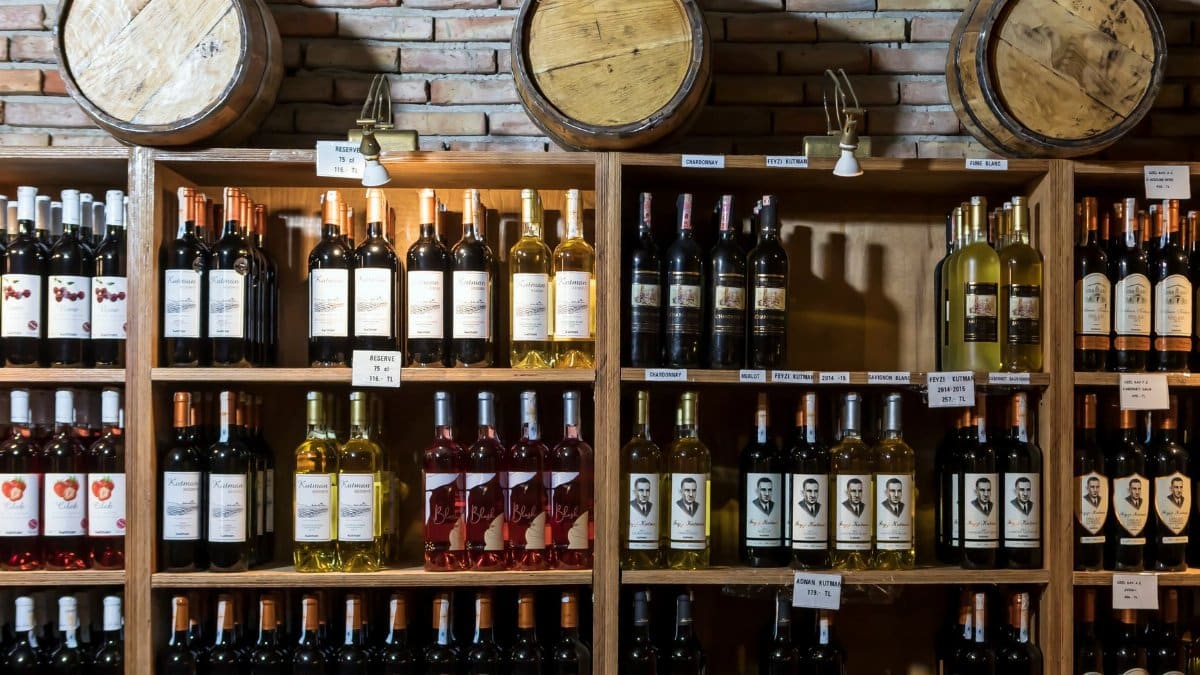
Wine is patient in the bottle and impatient in the ledger. Grapes ripen on a calendar that does not consult trade negotiators. Crews must be hired. Cooperage, glass, and freight must be paid. If cases that once moved to Canada sit in a warehouse, the cost does not pause out of sympathy. Storage, financing, and the next vintage arrive together.
Volume producers feel this squeeze earlier than cult labels that can raise a price and wait for a collector. McManis built its reputation on wines that meet people at a reasonable cost. That virtue becomes a constraint when a market disappears. You cannot easily retitle everyday bottles as rarities. You can discount them, divert them, or stop making as many. Each option eats margin, reputation, or employment.
Towns that live on the harvest
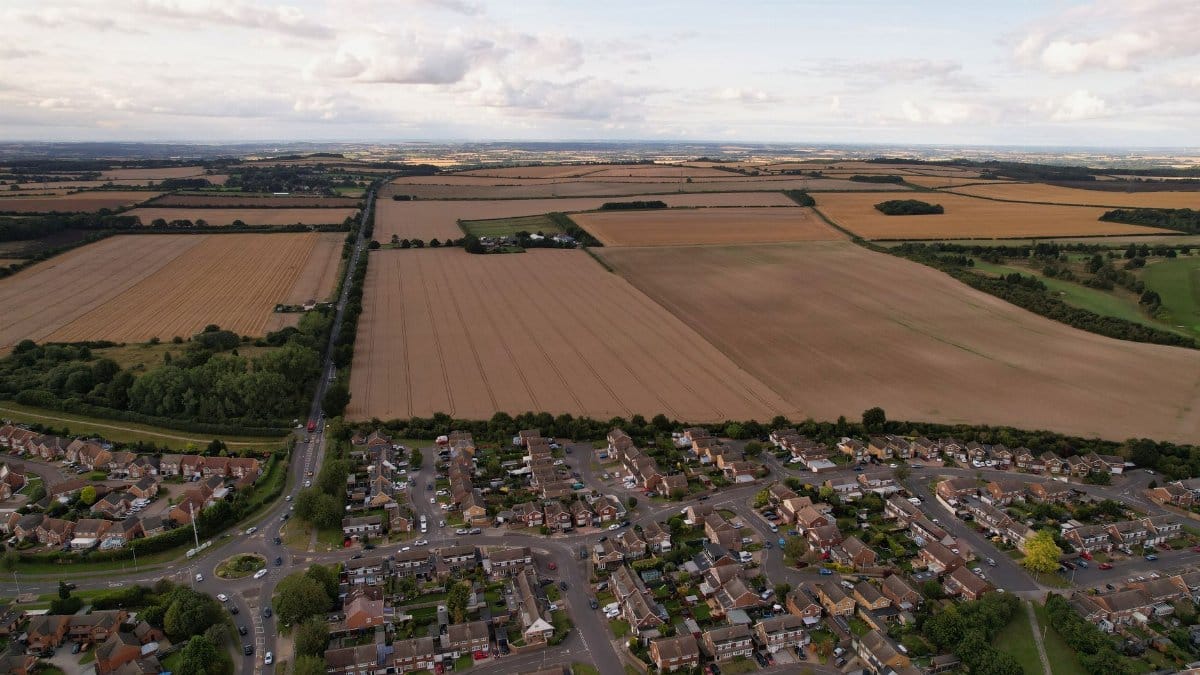
Ripon is not a postcard invented for visitors. It is a working place where vineyard jobs, truck routes, and supplier accounts hold neighborhoods together. When 3,500 acres are offered to the market, the anxiety is not confined to a family office. Pruners, irrigators, cellar hands, and the businesses that sell them fuel and food all hear the same question. Who will farm this ground next, and will they farm it the same way?
A sale can preserve agriculture. It can also reorganize it beyond recognition. A new owner might keep the vines, shift varieties, or decide that the highest use of some parcels lies outside wine. None of those outcomes is knowable from a listing alone. What is knowable is that uncertainty itself has a cost. People delay purchases. Young workers look elsewhere. A town that thought it understood its seasons starts to treat the next harvest as provisional.
What a buyer is really purchasing

Anyone serious about these acres will look past the romance of a family name. They will price water, soil, existing contracts, and the chance that Canadian demand returns. They will also price political risk, which is harder to model than rainfall. A market lost to tariffs and public anger can reopen. It can also stay closed long enough to rewrite a business.
There is a sober case for buying. California still makes wine the world recognizes. Domestic demand has not vanished. Other export markets exist, even if none perfectly replaces a neighbor with shared language, short shipping lanes, and decades of habit. The sober case against buying is equally plain. If the McManis winery Canada boycott reflects a deeper turn in Canadian consumer feeling, then the missing revenue is not a one season accident. It is a structural discount on any plan that assumed the north would always be there.
A chill beyond one label
Other American wineries will study this listing whether or not they say so in public. Many of them also treated Canada as a stable second home for cases that did not need to fight for attention in New York or Los Angeles. If a well established Central Valley producer is willing to sell the ground itself, the industry’s old comfort with that reliance looks newly fragile.
The damage is not only commercial. Wine has been one of the softer faces of American agriculture abroad, a product associated with meals rather than with strategy. When it becomes a target of retaliation, the quarrel stops being a matter for trade lawyers alone. It enters kitchens. That is efficient politics and rough economics. Families who never voted on a tariff still absorb the result in payroll and in land.
The limits of waiting it out

Optimists will say boycotts fade. Some do. Shoppers get tired. Governments cut deals. Labels creep back onto shelves without a parade. A farmer, though, cannot store infinite vintages while waiting for pride to cool. Debt has a schedule. Vines have a schedule. The decision to sell is a decision that the schedule no longer matches the hope.
There is also a dignity in refusing to pretend. Listing the land is an admission that management cannot talk the market back into existence. In a culture that praises resilience until resilience becomes denial, that admission is worth noticing. The McManis winery Canada boycott did not ask whether the family was hardworking. It asked whether hard work could replace a closed border. The listing is the answer they are willing to live with.
What customers on both sides might miss
Canadian shoppers who set American bottles aside are exercising a real power, and they are not obliged to subsidize a foreign industry during a political fight. California drinkers, meanwhile, may barely register that a value label they see as local was in fact partly built on export habit. Between those two reasonable positions sits a farm whose customers have been sorted by a flag.
If the acres change hands, some bottles will still carry a familiar name for a while. Names can be licensed. Farming cannot be licensed back into the past. The rows will belong to whoever can pay for them under the new rules. That is not a tragedy in the theatrical sense. It is a transfer. Transfers are how rural economies absorb shocks. They are also how particular ways of working disappear without a headline that lasts longer than a week.
A trade fight with a human perimeter
Trade policy is usually narrated in billions and in talking points. The perimeter of this story is smaller and more exact. It is a valley town, a family business, and a foreign market that used to function like a neighbor. Retaliatory tariffs gave consumers a reason to turn away. The McManis winery Canada boycott gave that turn a commercial shape. The sale of 3,500 acres is what the shape looks like when it reaches the soil.
None of this requires the reader to pick a side in the quarrel that started it. It does require a clearer eye. When governments use goods as messages, the message lands on people who pack boxes, prune canes, and decide whether to keep the land. Wine will still be made in California. Canada will still drink wine. The open question is whether the path between those two facts can be rebuilt, or whether more listings will follow this one, quiet, large, and final.