
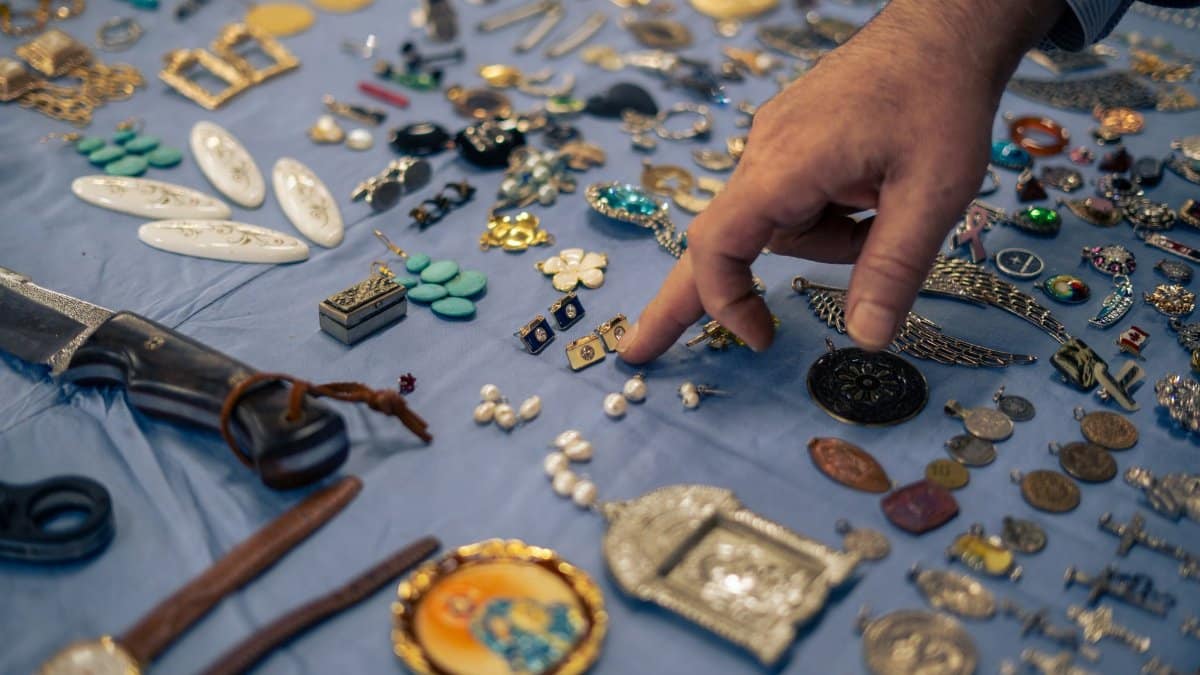
On a quiet slope in Chestnut Hill, past lawns that still hold the hush of an old estate, a museum has opened a room that feels less like a gallery and more like a kept secret. The Woodmere jewelry vault gathers rings, necklaces, and small works of metal and stone into a setting meant to slow the eye. Visitors do not rush past paintings here so much as lean in, the way one leans toward a story told in a low voice. What looks at first like luxury turns out to be a record of hands, neighborhoods, and the private ceremonies people carry on their bodies. In a city crowded with large museums, this smaller gesture has a particular force. It asks a plain question: what happens when adornment is given the same seriousness as a portrait?
A room built for close looking
Woodmere Art Museum has long been a place for painting, sculpture, and the wider story of art made in and around Philadelphia. Placing jewelry in a guarded, intimate room changes the pace of a visit. Cases sit at a height that invites a bend of the neck. Light is measured rather than dazzling. The effect is closer to a study than to a shop window, and that distinction matters. A ring seen this way is no longer an accessory waiting for a wrist. It is an object with edges, decisions, and a maker behind it.
I found myself staying longer than the size of the works seemed to require. Small things demand a different kind of attention. A brushstroke across a canvas can be taken in from several feet away. A hinge, a clasp, or a stone set slightly off center asks you to come near and stay. The museum seems to understand that proximity is part of the subject.
What Maguire Hall is asking of the viewer
The presentation occupies Maguire Hall, where the museum has gathered Philadelphia jewelers into what visitors and staff have come to call the Woodmere jewelry vault. The name is unadorned, and the lack of flourish is useful. A vault implies care, limits, and objects considered worth keeping. It also implies that ornament belongs inside the history of art, not beside it as a pleasant afterthought.
Maguire Hall does not try to overwhelm. The architecture of attention is simple: fewer objects in the line of sight, more time with each one. That restraint is a curatorial argument. It says that jewelry suffers when it is treated as sparkle alone, and that it gains meaning when a viewer can follow how metal was bent, how a surface was finished, how a piece was meant to sit against skin.
Philadelphia and the culture of the worn object
Philadelphia has never lacked for makers who work at the scale of the hand. Workshops, independent studios, and family benches have supplied the city with pieces meant for weddings, mourning, promotions, and ordinary Tuesdays. Some of that work entered households and stayed there for decades. Some of it never left the bench except to reach a client who knew the maker by name. A museum show of this kind gathers those scattered lives into one public room.
The city also has a long argument with itself about what counts as serious culture. Painting and architecture have often taken the podium. Jewelry, like furniture and textiles, has too often been filed under taste rather than thought. Putting Philadelphia jewelers in a hall associated with the museum’s permanent ambitions pushes against that hierarchy. It suggests that a city is legible not only in its murals and monuments but in the objects people choose to wear when they leave the house.
Why a vault changes the meaning
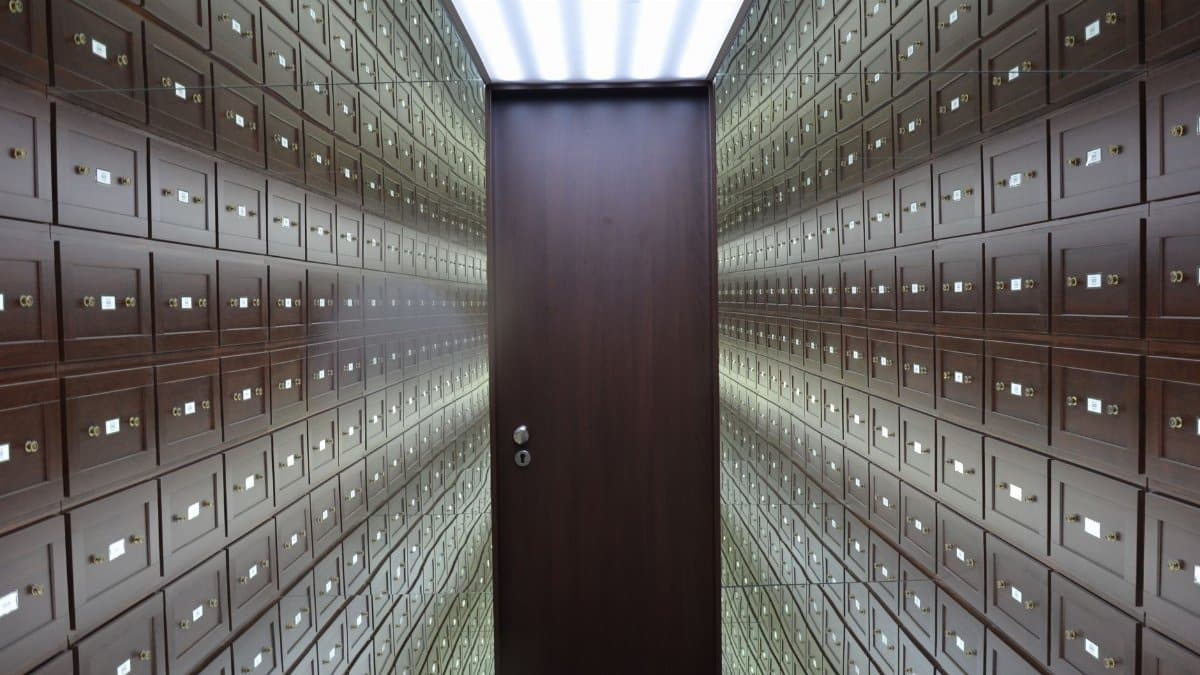
Call a gallery a vault and the temperature of the visit shifts. The word carries banks, archives, and the privacy of things not meant for casual handling. In the Woodmere jewelry vault, that association is not a gimmick so much as a frame. It reminds viewers that many of these objects once lived in drawers, safe boxes, and the inner pockets of family stories. Seeing them under museum light does not erase that earlier life. It makes the earlier life visible.
There is also a practical reason for the language of security. Jewelry is portable, valuable, and easy to harm. A museum that takes it seriously must think about locks, insurance, and the ethics of display. Those concerns are usually invisible to the public. Naming the room a vault lets a little of that backstage caution into the experience, without turning the visit into a lecture on risk.
Makers rather than merchandise
The strongest impression is not of brands but of hands. Philadelphia jewelers working today inherit techniques that are older than any single studio: raising a sheet of metal, setting a stone so that it survives daily wear, finishing an edge so it does not catch on cloth. Those skills are easy to romanticize and hard to fake. A careful exhibition lets the evidence sit in the case. You can see where a surface was left slightly matte, where a link was sized for a particular neck, where a design refused the obvious symmetry.
This is not a catalog of what is for sale, even if some visitors will leave wanting to find a maker. The museum’s job is different from the shop’s job. It can place a contemporary piece beside the idea of inheritance, and it can let a viewer notice that innovation in this field often looks like a small correction rather than a loud break. A new clasp, a quieter stone, a form that sits better on an aging hand: these are artistic decisions, even when they never announce themselves as such.
Light, scale, and the problem of display

Jewelry is notoriously difficult to exhibit. On a body it moves, catches light, and completes a gesture. In a case it is still. Museums have tried mannequins, photographs of wearers, and dramatic spotlights, each with drawbacks. Too much theater and the object becomes a prop. Too little context and it becomes a specimen. The approach in Chestnut Hill leans toward restraint, trusting that visitors can imagine the missing body.
Scale is the other problem. A necklace that feels substantial in the hand can look modest in a room built for paintings. The vault format helps by shrinking the world around the work. When the surrounding space feels held and slightly enclosed, a brooch does not have to shout. It can occupy the attention the way a sentence occupies a page: fully, if the reader is willing.
Heirlooms and the rituals people rarely name
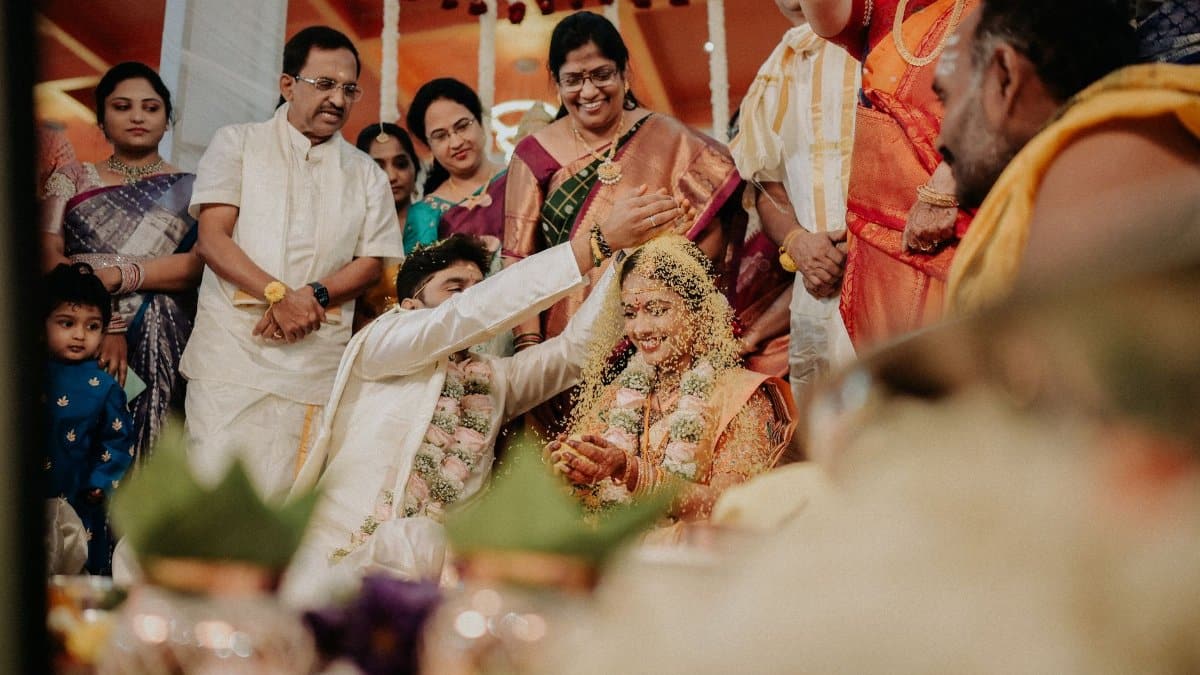
Much of what jewelry does in ordinary life is spiritual in the broad, human sense, even when no doctrine is attached. People mark births, marriages, grief, recovery, and faith with objects small enough to carry. A locket can hold a photograph and, with it, a promise to remember. A simple band can record a vow that outlasts the afternoon it was spoken. Museums sometimes shy away from that language, worried it will sound soft. Avoiding it leaves out half the reason these things were made.
Chestnut Hill’s show does not need to preach to acknowledge that dimension. It is enough to let visitors recognize their own drawers and dressers in the cases. The recognition is not sentimental by default. It can be critical. Not every heirloom was given freely. Not every stone was obtained without harm. A serious display leaves room for both attachment and unease, which is closer to how people actually live with beautiful things.
A neighborhood institution with a wider claim
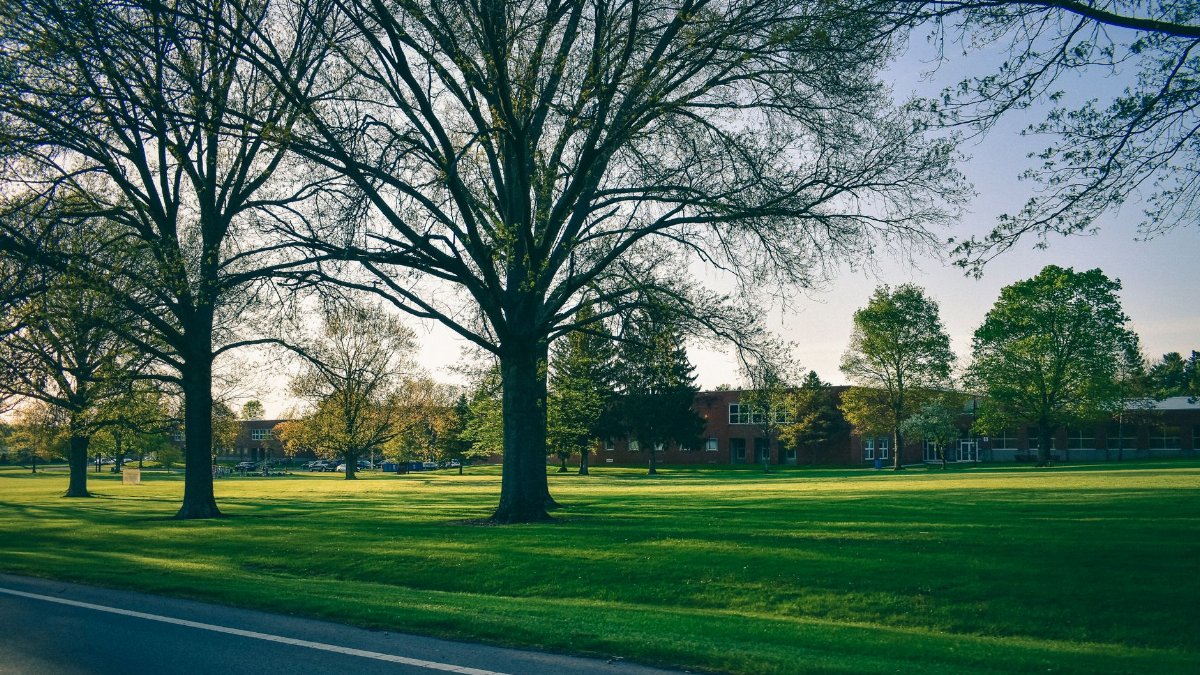
Woodmere has always drawn strength from its setting. The grounds, the house history, and the Chestnut Hill audience give it a character unlike the museums on the Benjamin Franklin Parkway. That local root can be misread as limitation. A focused exhibition of city jewelers shows the opposite. Specificity travels. Visitors from other neighborhoods, and from outside the city, can learn more from a precise account of Philadelphia making than from a general survey that tries to please everyone.
There is a civic point here as well. When a neighborhood museum treats local craft as worthy of a dedicated hall, it tells younger makers that their work has a public future, not only a private client list. That signal is quiet, but studios notice it. So do the families who already own pieces and have never thought of them as part of an art history.
Value beyond the price tag
Jewelry arrives in conversation already tangled with money. Stones are graded. Metals are weighed. Insurance forms reduce a gift to a number. A museum cannot pretend those facts away, and it should not. What it can do is refuse to let price be the only sentence. In the Woodmere jewelry vault, value is also time: the hours at the bench, the years an object spent in a household, the minutes a visitor is willing to give it now.
That reordering is especially useful for middle aged audiences who may already own jewelry they have stopped seeing. Familiarity dulls objects. A case, a label, and a bit of distance can restore them. Someone may go home and look again at a bracelet that has lived in a box since a parent died, not to appraise it, but to ask who made it and why it was kept.
What the cases leave unsaid

No exhibition of this size can hold the full jewelry economy of a major city. Missing, inevitably, are the pieces still in private hands, the repair shops that keep old work alive, and the uncomfortable histories of extraction that sit behind many gemstones. A responsible viewer should feel those absences rather than assume the cases are complete. Completeness is not the standard. Honesty about the frame is.
Labels can only do so much. They can name a maker, a material, a rough date. They cannot recover the conversation that happened when a piece was commissioned, or the silence that followed when it was inherited by someone who did not want it. The vault format, with its suggestion of stored lives, at least gestures toward those missing chapters. It does not solve them.
The audience this show seems to imagine

The implied visitor is not a specialist with a loupe in a coat pocket, though specialists will find plenty to study. The implied visitor is a person willing to look slowly and to connect an object to a life. That is a generous assumption, and it fits a museum that has built its reputation on the art of a region rather than on blockbuster loans alone. People who come for the paintings can stumble into Maguire Hall and leave with a revised sense of what the building is for.
There is room, too, for skepticism. Some guests will see only expense. Others will worry that a vault aesthetic flatters ownership more than labor. Those reactions belong in the room. An exhibition that can survive them is stronger than one that demands admiration. Jewelry has always provoked mixed feelings: desire, judgment, memory, envy. Pretending otherwise would make the show smaller than its subject.
After the door is locked again
When the day ends, the cases go dark and the small works return to the condition their name implies: kept, counted, waiting. That nightly return is not a failure of the exhibition. It is a reminder that public looking is temporary and that care continues out of sight. Museums are often judged by what they put on view. They should also be judged by how they hold what is not, for the moment, being seen.
The Woodmere jewelry vault will matter if it changes habits, not only itineraries. If visitors leave Chestnut Hill more willing to ask who made the thing on a neighbor’s hand, or more willing to treat a family piece as a document rather than a mere asset, the room will have done cultural work beyond its walls. In a season full of louder openings, that is a modest ambition. It is also the kind that lasts, because it follows people home, where jewelry has always done its real work, close to the skin and mostly unwitnessed.