
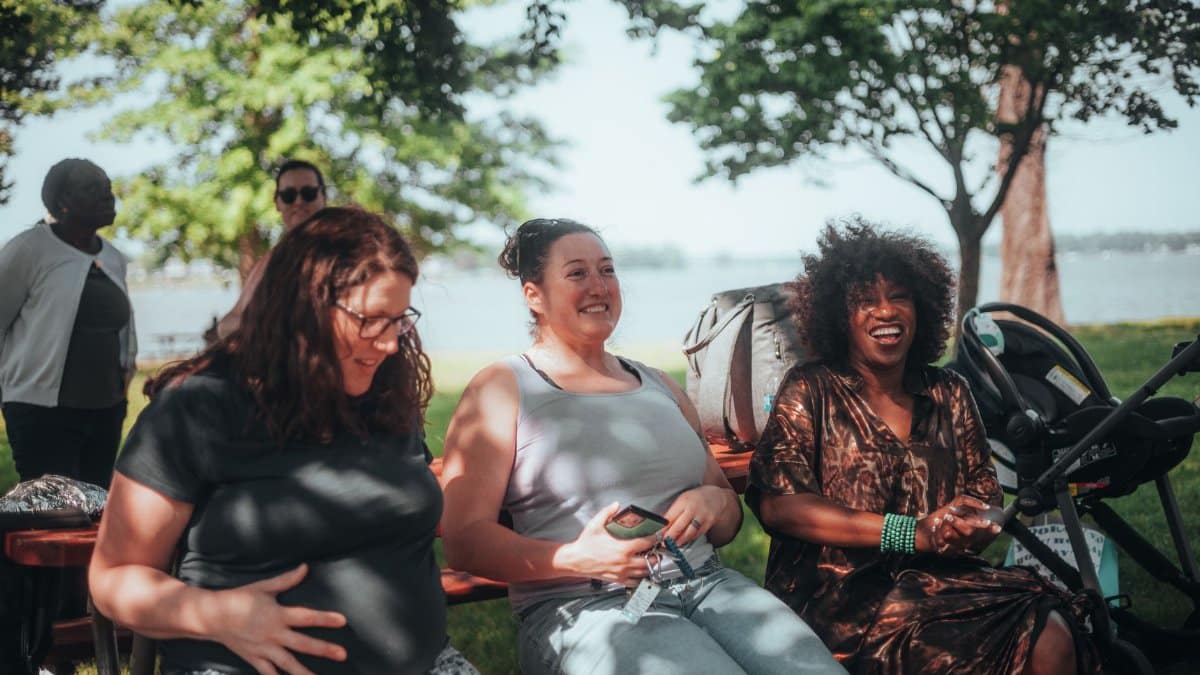
On a Saturday when Golden Gate Park was thick with music, bicycles, and the slow crawl of cars, a birth refused the schedule everyone else was keeping. Traffic had stalled. A couple could not reach a hospital in time. What followed, now widely described as the Golden Gate Park baby birth, depended on a doula named Katie Higgins and on strangers who chose to stop rather than stare. I have covered plenty of city oddities, yet this one sits differently. It is not a stunt. It is a reminder that the most ordinary afternoon can ask something enormous of people who did not plan to be brave.
A park that suddenly became a threshold
Golden Gate Park is usually a place for leisure, for lawns and museums and the long patience of weekend drivers. On this Saturday it became something closer to a threshold. A couple, caught in the jam, realized the baby was not going to wait for a clearer lane or a nearer emergency bay. Labor does not negotiate with traffic lights. The city, famous for its delays, had arranged one more delay at the worst possible minute.
Reports of the scene describe a delivery that unfolded in public view, with a doula taking the lead and bystanders offering what they could. The details matter less as spectacle than as evidence of how thin the line can be between a routine outing and a moment that rearranges several lives at once. Parks are designed for recreation. They are not designed for birth. And yet the grass, the curb, the idling cars, all of it had to serve.
The doula who already knew the work
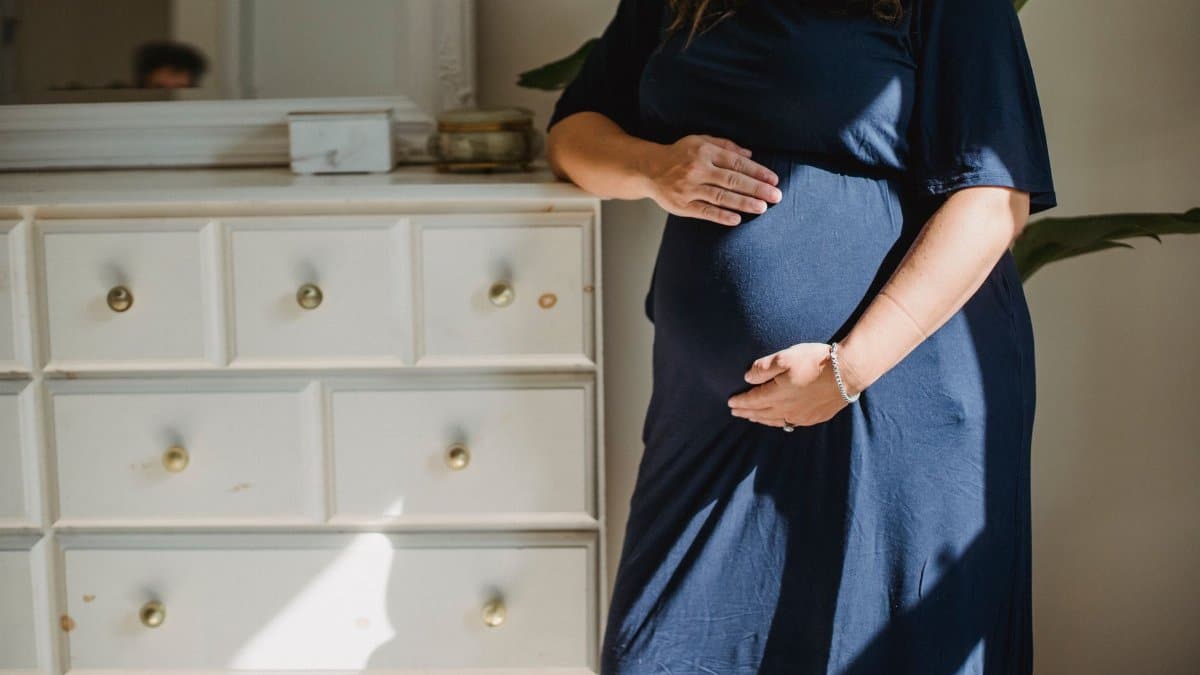
Katie Higgins was not a random passerby with good intentions and no training. She is a doula, which means her ordinary work is to stay with people through labor, to steady breathing, to notice what is changing, and to keep fear from taking the whole room. In a hospital that room has monitors, nurses, and a clear chain of command. In a stalled line of cars it has none of those comforts. What it has is a person who has practiced presence.
That distinction is easy to miss if the story is told only as luck. Luck put Higgins near the couple. Skill kept the moment from collapsing into panic. Doulas do not replace physicians or midwives, and no honest account should pretend otherwise. What they often provide is continuity, a calm voice when the plan has already failed. On this Saturday the plan failed in the most literal way. The road would not open. Higgins stayed.
Strangers who refused to be an audience
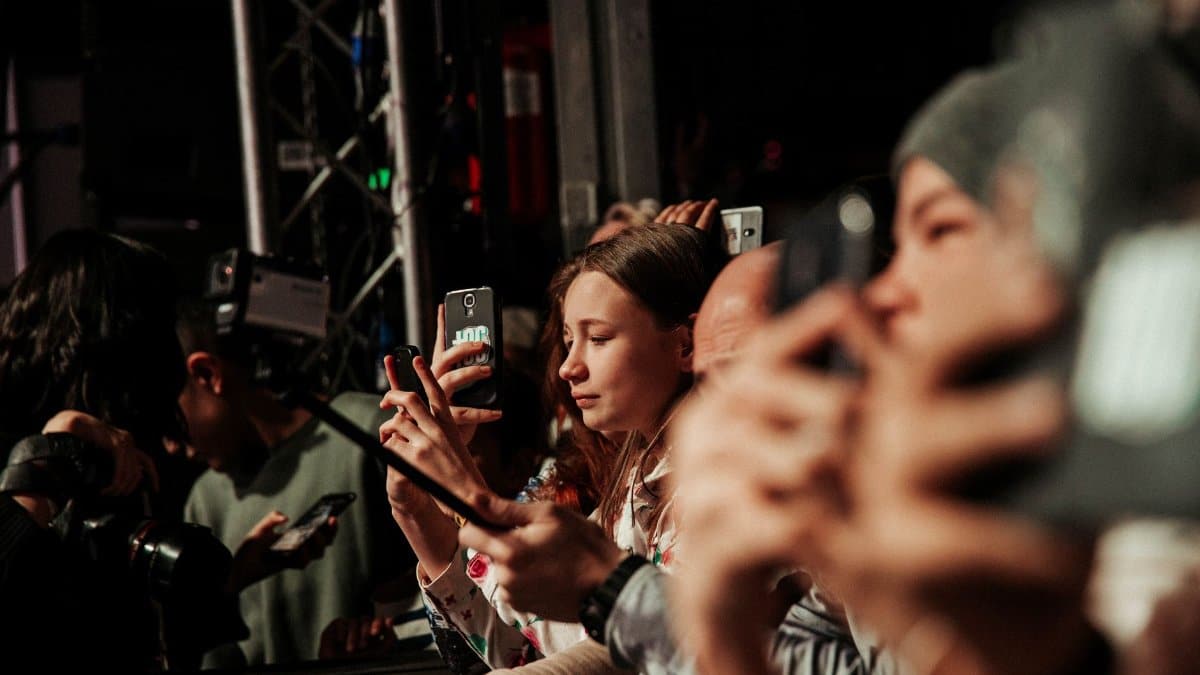
Birth in public can draw a crowd for the wrong reasons. Phones come out. Distance becomes entertainment. The more humane version of this story is that some of the people nearby did not remain an audience. They helped. They made space. They fetched what could be fetched. They treated a stranger’s emergency as if it belonged, for a few minutes, to everyone within reach.
Cities train us to look away. We learn the polite blindness of the bus, the sidewalk, the checkout line. That habit is not always cruelty. It is often self protection in a place where need is constant and capacity is not. The Golden Gate Park baby birth cuts against that habit. It suggests that the reflex to help is still available, even in a jam, even among people who will never learn one another’s last names. Spiritual traditions have many names for that reflex. A news story does not need a doctrine to recognize it.
Cielle Ray and the first public fact of a life
The baby is Cielle Ray. A name turns an incident into a person. Before the name, the event can be filed under odd news, the sort of item readers pass along because it is astonishing and then forget. After the name, the astonishment has a face, or at least the promise of one. Cielle Ray entered the world not in a delivery suite but in the middle of a civic pause, surrounded by people who had other places to be.
There is a tenderness in imagining what that child may someday be told. Not every birth story is gentle in the telling. This one includes fear, exposure, and the indignity of timing. It also includes a circle of adults who decided the indignity would not be the last word. Parents will choose how much of the afternoon to share. The rest of us can hold the story lightly, as a public fact with a private center.
Traffic as an unwilling accomplice
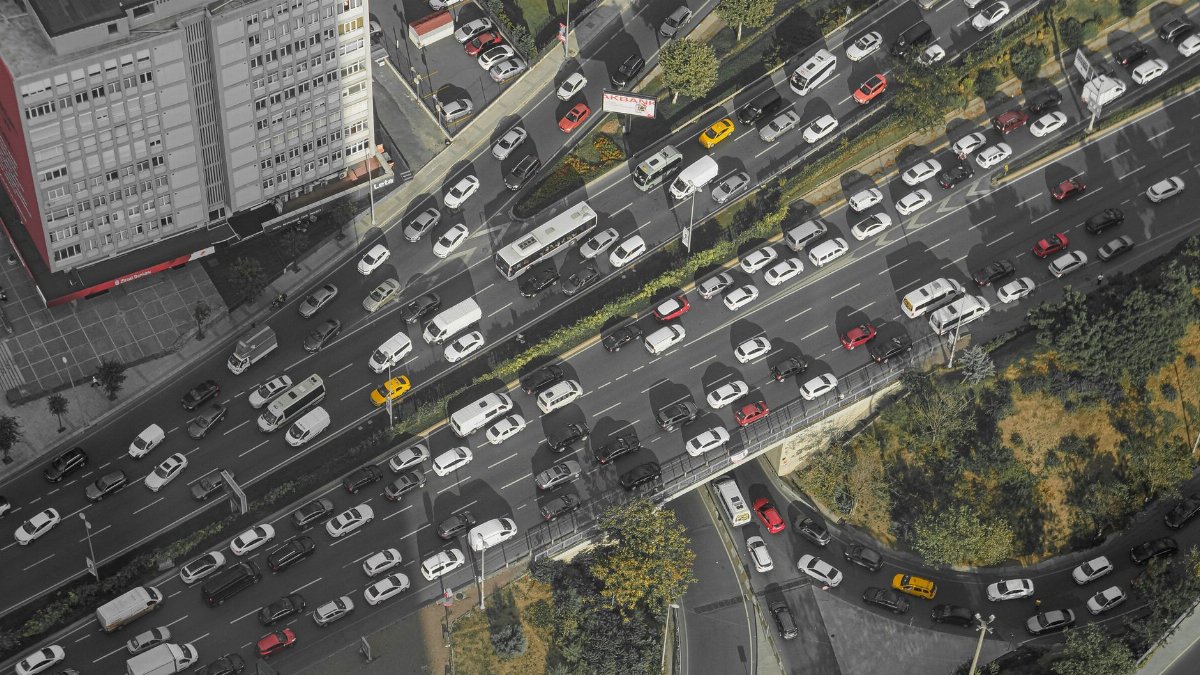
San Francisco traffic is a standing complaint, almost a civic dialect. People budget extra minutes, then extra minutes beyond those. They joke about it because the alternative is to be angry every day. A birth in that traffic makes the joke feel cheap for a moment. Congestion is not only an inconvenience. It can become a medical variable. Ambulances know this. So do families racing a clock that will not reset.
None of that turns a jam into a villain with intent. Roads clog for dull reasons: events, volume, a stall, a turn that everyone takes at once. The moral is smaller and sharper. Urban systems assume that urgent needs can still move. When they cannot, the gap is filled by whoever happens to be competent and kind. That is not a plan. It is a mercy. A city that relies on mercy for basic safety is a city with work left to do, even after the baby is safely in arms.
What help looks like when the script is gone
Emergency advice is full of scripts. Call for help. Clear the airway. Stay on the line. Those scripts save lives, and nothing in this account should be read as a substitute for them. What the afternoon also shows is the space between the script and the person. Someone has to kneel. Someone has to speak in a voice that does not shake the laboring parent further. Someone has to accept that privacy is already lost and dignity can still be protected.
Higgins, by training, knew pieces of that work. The strangers knew other pieces: muscle, attention, the willingness to be useful without being central. Together they made a rough version of what a birth team is supposed to be. Imperfect, exposed, and enough. Journalists sometimes reach for the word miracle here. I would rather say competence met generosity at the exact minute both were required. That pairing is rare enough to feel sacred without being unexplained.
A spiritual reading that stays on the ground
Readers who come to news looking for a spiritual thread do not need fog. The thread is visible. A community formed for ten minutes and then dissolved. No pledge was signed. No building was dedicated. People acted as if a stranger’s child were worth their afternoon. Many faiths would call that neighbor love. Many people with no faith at all would call it decency. The labels can share the sidewalk.
There is also a warning inside the warmth. Celebrating spontaneous goodness can become an excuse for thin systems. If we applaud the doula and the strangers, and then change nothing about how urgent care moves through a crowded park on a busy Saturday, we have enjoyed a story and skipped its implication. Gratitude and reform are not opponents. A city can thank Higgins and still ask whether another couple would be as fortunate.
The Golden Gate Park baby birth as civic memory
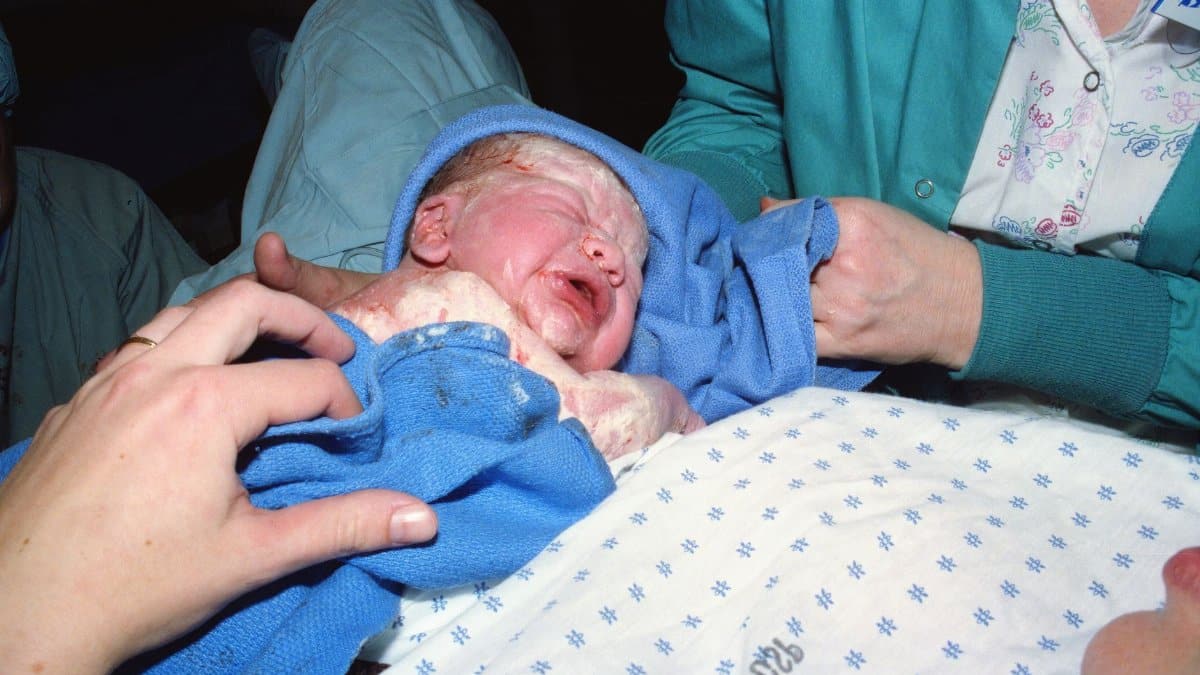
Some local stories linger because they flatter a place. This one can linger for a better reason. It records a city at its least polished and, briefly, its most human. The Golden Gate Park baby birth will be retold at dinner tables, shortened, embellished, argued over. The durable core should stay intact. A couple was stuck. A baby was coming. A doula led. Strangers helped. Cielle Ray arrived.
Memory of that kind is a kind of civic scripture, small and unofficial. It tells residents what they hope is true about themselves: that when the line of cars stops and the need is obvious, they will not only watch. Hope is not evidence. Evidence, this once, arrived in the form of a cry in the park and a name the public now knows.
After the sirens and the sharing
What happens after such a birth is mostly ordinary, which is its own relief. Medical care follows. Family gathers. Sleep becomes a theory. The people who helped go back to their plans, altered by an hour they did not schedule. Some will tell the story for years. Some will barely mention it, unsure whether it is theirs to claim. Both responses can be respectful.
For the parents, the public version will never match the private one. They felt the fear in their own bodies. They heard Higgins. They saw faces they may not be able to find again. The rest of us have a headline and a lesson. The lesson is not that parks should replace hospitals. It is that preparation, profession, and plain human nerve can meet in a place no one would choose, and still bring a child through.
What remains worth carrying
I keep returning to the image of stopped cars and a life starting between them. It is specific to San Francisco, to a Saturday, to Katie Higgins, to Cielle Ray. It is also a pattern older than any park: people stranded, a need that will not wait, a few who know what to do and a few more who refuse to leave. If there is a trend worth naming in the spiritual life of a city, it may be this willingness to be interrupted.
The Golden Gate Park baby birth does not prove that we are better than we fear. One afternoon cannot carry that weight. It does prove that better is still possible in the least convenient minute, on a road that will not move, among strangers who decide the moment is theirs. That is enough of a testament for a weekend, and enough of a charge for the week that follows.