
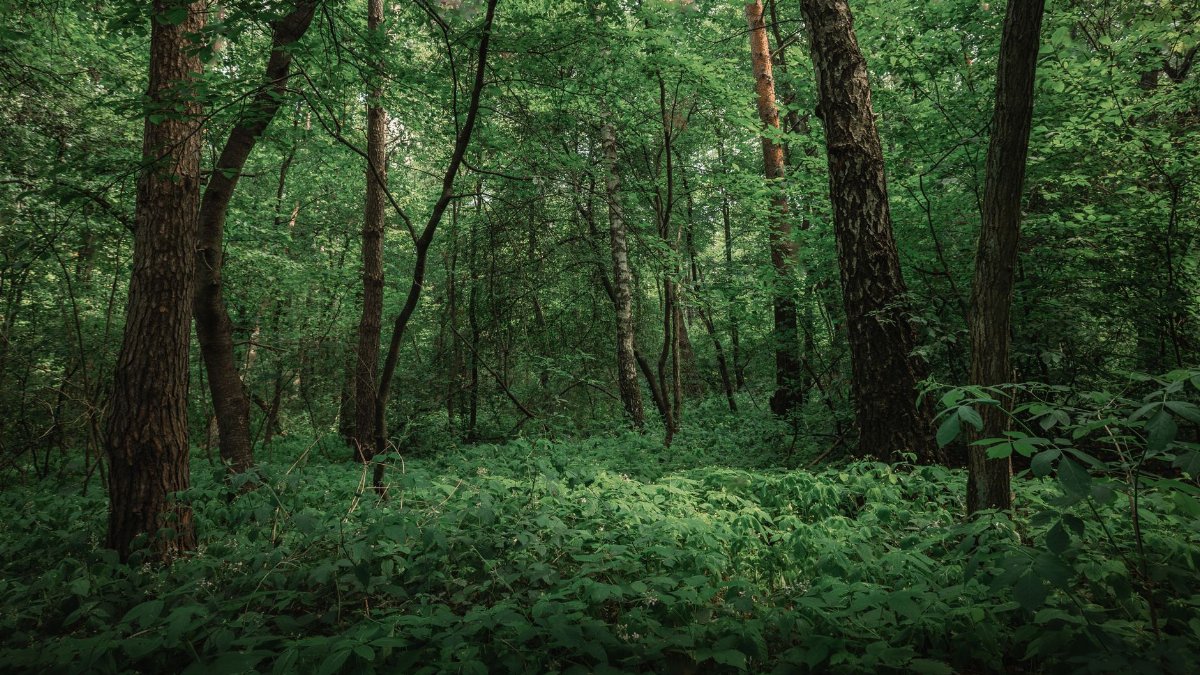
On a cool morning in the western reaches of Cook County, a parking lot that once filled only on holiday weekends now empties and fills again before noon. Walkers move toward a gravel path. A child points at a heron. None of this looks like a budget story. Yet the quieter change behind the trees is fiscal. A Forest Preserves tax hike, approved by voters and now described by the district as a roughly $40 million yearly lift for conservation, is reshaping how land is bought, trails are kept, and damaged habitat is brought back.
A levy that finally matched the mission

For years the Forest Preserves of Cook County carried a reputation larger than its checking account. The holdings are vast: woods, wetlands, prairies, and river edges threaded through one of the most populous counties in the country. Visitors treated that land as a free public good. Maintenance, acquisition, and ecological repair are not free. Officials argued that an older levy no longer covered the work the public expected. The newer tax, modest on a household bill and large in aggregate, was sold as a way to close that gap without turning the preserves into a pay to enter park.
The reported figure, about $40 million a year, is not a one time windfall. It is a recurring stream. That distinction matters. Land deals fail when money arrives late. Restoration crews cannot be hired on a promise that expires. A steady levy lets planners think in decades, which is the only honest timescale for oak woods and wet meadows.
What forty million dollars can and cannot do

Forty million dollars sounds enormous until it is set against thousands of acres and a century of deferred care. Invasive brush does not retreat because a referendum passed. Culverts still fail. Parking lots still crack. The useful question is not whether the sum is large in the abstract. It is whether the district can turn a reliable deposit into visible, durable work.
District accounts, as described in public reporting, point to three broad uses: buying land that connects existing preserves, improving trails and access, and funding restoration that had been postponed. None of those categories is glamorous. All of them determine whether a map of green space remains a living system or becomes a set of isolated lawns with trees around the edge.
Buying the missing pieces

Conservation in a built up county is often a matter of seams. A woodlot beside a subdivision. A wet field between two preserves that floods every spring and therefore never drew a developer who needed dry ground. Those parcels look ordinary from a car. To a biologist they are corridors. Animals do not read zoning maps. They move where cover and water still exist.
A yearly conservation boost gives the district a chance to bid when such land comes up, rather than watching it convert to houses or warehouses and then lamenting the loss in a later plan. Acquisition is slow, legal, and sometimes controversial. Neighbors worry about tax base. Sellers want speed. The preserves must show that public ownership is not a warehouse for neglected acres but a commitment to care. That is where the other parts of the spending plan have to keep faith with the purchase.
Trails as a civic promise
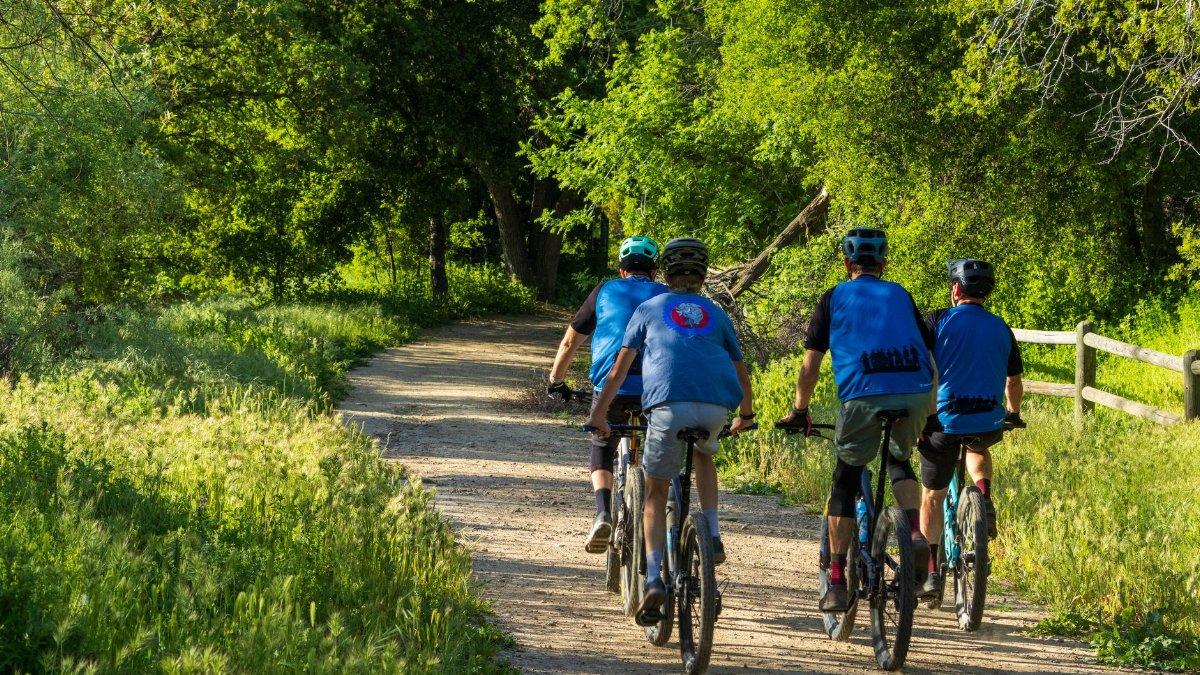
Most residents will never attend a land closing. They will notice a path that no longer ends in mud, a bridge that does not wobble, a sign that tells them where they are. Trail work is the most public face of the Forest Preserves tax hike, and it carries a political risk. If people cannot walk the land, they will not defend the levy when the next tax debate arrives.
Access is also a fairness question. Preserves near train lines and bus routes serve people who do not own a car. Preserves at the edge of the county serve people who drive twenty minutes for quiet. Both groups pay. A spending plan that improves only the most photographed sites will breed resentment. A plan that spreads basic repairs, restrooms, and safe crossings more evenly will look less dramatic in a brochure and more legitimate in a neighborhood meeting.
Restoration is the unphotogenic core

The ecological work is harder to narrate than a new trailhead. Crews cut buckthorn. They seed prairie. They set careful fire where law and weather allow. They watch for rare plants that return only after years of stubborn effort. This is not landscaping. It is an attempt to reverse simplification, the process by which diverse native ground becomes a thicket of a few aggressive species.
Readers should be skeptical of instant success stories. A wetland planted in spring can look lush by August and still fail in a dry year. The value of recurring money is patience. Staff can return to the same site, adjust, and record what worked. Without that return visit, restoration is a press release. With it, the $40 million yearly figure starts to mean something other than a larger budget line.
Who feels the tax, and who feels the shade

Any hike in a property tax, even a small one, lands unevenly. Homeowners on fixed incomes notice the line. Renters may feel it later, folded into a lease. Commercial owners pass costs along or absorb them. The moral case for the levy rests on a public good that is hard to price: flood storage, cooler air, room for children to be outside, habitat that would not survive as private lawn.
That case weakens if the benefits cluster in already comfortable towns. It strengthens if bus accessible preserves, youth programs, and restoration jobs reach communities that have had less shade and more pavement. The district does not control the whole map of inequality in Cook County. It does control where crews show up first.
The politics after the vote

Ballot victories fade. What remains is oversight. A Forest Preserves tax hike survives only if residents can see a plain account of where the money went. Not a slogan. A list. Acres acquired. Miles of trail repaired. Sites under active restoration. Delays explained without jargon.
Journalists and civic groups will compare promises made during the campaign with invoices paid afterward. That scrutiny is not hostility. It is the price of a dedicated tax. When agencies treat questions as ingratitude, trust thins. When they publish boring, specific numbers, the next debate starts from facts rather than rumor.
Nature as a daily practice, not a slogan
There is a habit, in some coverage of the outdoors, to treat a walk in the woods as a wellness product. The preserves are more stubborn than that. They flood. They hold mosquitoes. They ask for long pants and a little humility. Still, the demand for nearby nature has not faded. People come to mark seasons, to let a dog run, to sit with grief, or simply to hear something other than traffic.
I walked a short loop last fall and counted more strollers than binoculars. That is not a failure of wilderness purity. It is a sign that the land is doing civic work. A conservation budget that ignores those ordinary visits will misread its own public. A budget that only paves for crowds will miss the reason the land was set aside.
Limits the levy does not erase

Money cannot repeal climate stress. Hotter summers and violent rains will test plantings and trails no matter how careful the plan. Neighboring development will keep pressing on edges. Pollution arrives from upstream. The preserves can buffer some of that pressure. They cannot legislate regional land use by themselves.
Nor does a levy guarantee wise management. Large dedicated funds sometimes drift toward visible projects and away from dull maintenance. They can also become a reason for other units of government to step back, assuming the green spaces are someone else’s problem. The healthiest outcome is coordination: county, municipalities, and park neighbors treating connected land as a shared system rather than a set of logos.
What residents should watch next

The story of this Forest Preserves tax hike will not be settled by the first annual report. Watch whether acquisition fills real gaps or merely adds acres that are cheap because they are isolated. Watch whether restoration contracts include follow up, not just the first planting. Watch whether trail improvements reach preserves that rarely appear in weekend guides.
Watch the language, too. If every update is a celebration, assume something is being smoothed over. If updates name shortfalls, the institution is still treating the public as an adult. Forty million dollars a year is enough to change the trajectory of Cook County’s wild public land. It is not enough to make scrutiny optional.
A modest tax with a long memory

Forest preserves are an old idea wearing a new invoice. The founders set land aside before many of today’s suburbs existed. The current generation is being asked to pay so that those holdings do not thin out under the pressure of a larger, hotter, more paved region. That is a practical bargain, not a romantic one.
The yearly conservation boost will be judged in mud on boots and in species that return, in parking lots that do not overflow into unsafe roads, and in parcels that stay open when a developer calls. If those signs appear, the tax will look like one of the quieter successes in local government. If they do not, voters will remember the line on the bill more clearly than the heron. The land, either way, will keep the record.