
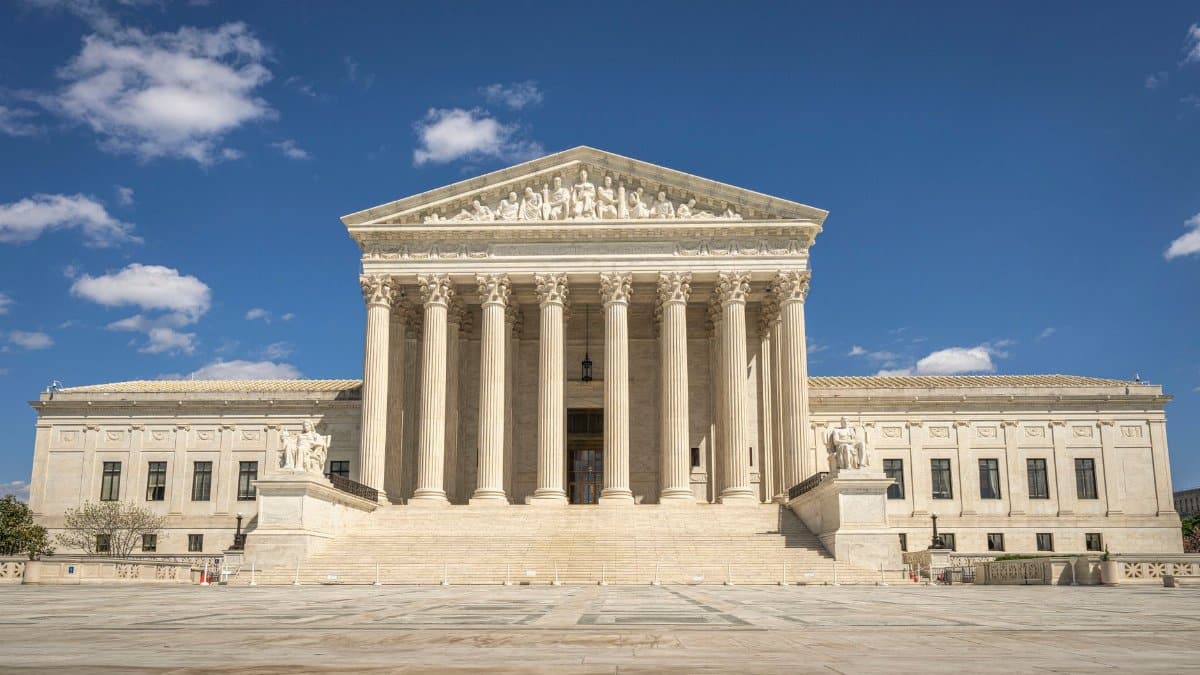
Voters who had already requested absentee papers woke to a quieter kind of news than the headlines suggested. The justices declined, at least for the moment, to let the White House rewrite the rules that govern how those papers travel from kitchen tables to county offices. In the mail ballot Supreme Court dispute, familiar state practices stay in place heading into the November midterms, even as the larger fight over who may vote by post remains unfinished.
What the justices actually did
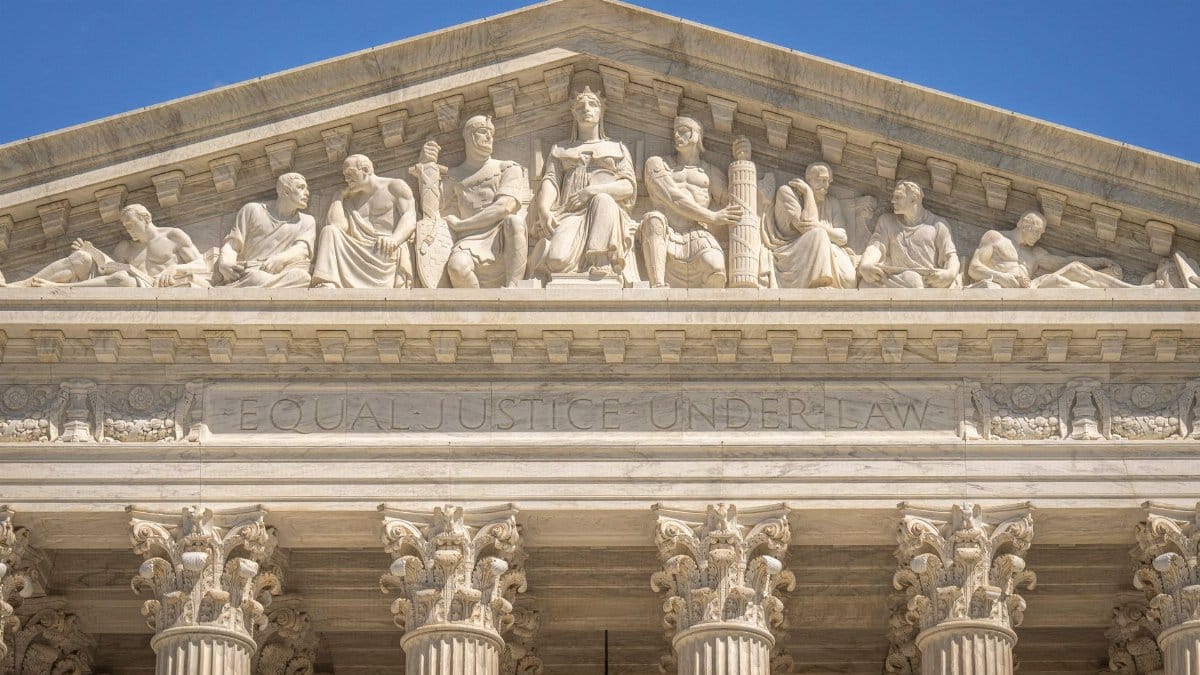
The order is narrow, and that narrowness is the point. The court did not declare a constitutional right to vote by mail, nor did it bless every state statute now on the books. It refused, for now, to let the administration impose nationwide curbs that would have tightened deadlines, identification rules, and drop box access before local officials could rewrite their manuals.
Emergency applications move fast. Briefs arrive in days. The public sees a short order and a longer silence. Lawyers on both sides will spend the coming weeks arguing over what that silence means. For election administrators, the practical reading is simple: print the instructions you already planned to print.
I have covered enough late summer election fights to know that a procedural pause can matter more than a grand opinion. Ballots are physical objects. They need envelopes, barcodes, and a calendar that does not shift under the people stuffing them.
The limits the administration sought

President Trump has argued for years that mailed voting invites fraud and delay. His lawyers asked the court to allow a package of restrictions that would have required stricter identity checks, shorter return windows, and limits on who may handle a completed ballot. Supporters say those steps would restore confidence. Critics say they would discard lawful votes from people who cannot stand in line on a Tuesday.
The administration framed the request as a modest cleanup of a system strained by volume. States that expanded absentee options during the pandemic never fully rolled them back. Millions of Americans now treat a mailbox as a polling place. Any sudden national rule would have landed on top of fifty different statutes, some written decades ago, some rewritten after 2020.
Lower courts had blocked the curbs, finding that the executive branch lacked clear authority to override state election codes so close to an election. The Supreme Court left those blocks in place. That is not the same as a final merits ruling. It is a decision about timing, and timing is the whole election.
Why the calendar dominates the law

Federal courts have long been wary of changing voting rules in the weeks before ballots go out. The doctrine has a plain English core: voters and officials should not have to learn a new system while the printer is already running. Clerks order paper months ahead. Postal contracts assume a certain flow of mail. A late injunction, or a late green light, can strand thousands of ballots in a legal gray zone.
That concern cut against the administration here. Even justices sympathetic to tighter rules have sometimes refused to impose them when the practical cost falls on people who followed the instructions they were given. The court signaled that the status quo, imperfect as each side finds it, is safer than a midseason rewrite.
State deadlines still differ. Some require ballots to arrive by Election Day. Others count envelopes postmarked by that day if they arrive within a set window. None of those differences disappeared because Washington asked for uniformity. They remain the law of the place where the voter lives.
How states actually run absentee voting
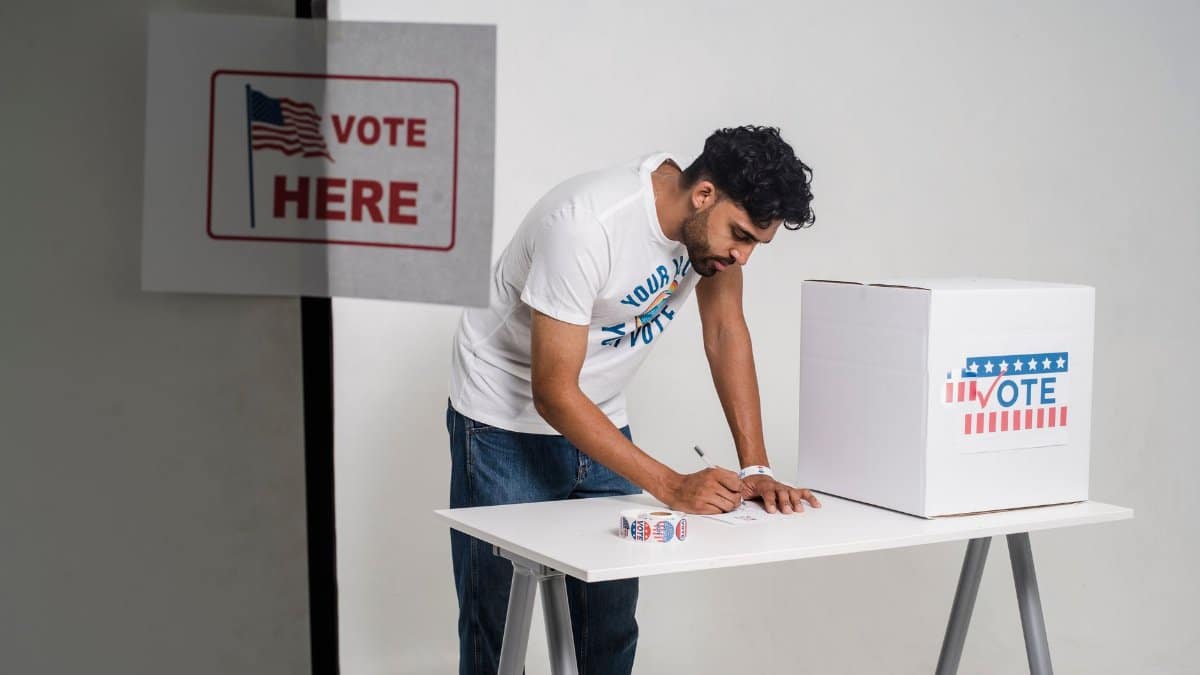
There is no single American mail ballot. Oregon and Washington conduct elections almost entirely by post. Other states treat absentee voting as an exception that must be requested, sometimes with an excuse, sometimes without one. A few allow no excuse voting by mail but still expect most people to appear in person.
Signature checks, witness rules, and curing periods vary. Curing is the process that lets a voter fix a missing signature or a mismatched one before the ballot is rejected. Where curing exists, a rejected envelope is not always the end of the story. Where it does not, a small mistake can silence a vote.
County officials describe the work in unromantic terms. They hire temporary staff. They rent warehouse space. They train people to compare signatures without becoming amateur handwriting experts. The mail ballot Supreme Court pause means those training sessions can proceed on the manuals already approved by state election boards.
Voters who depend on the post
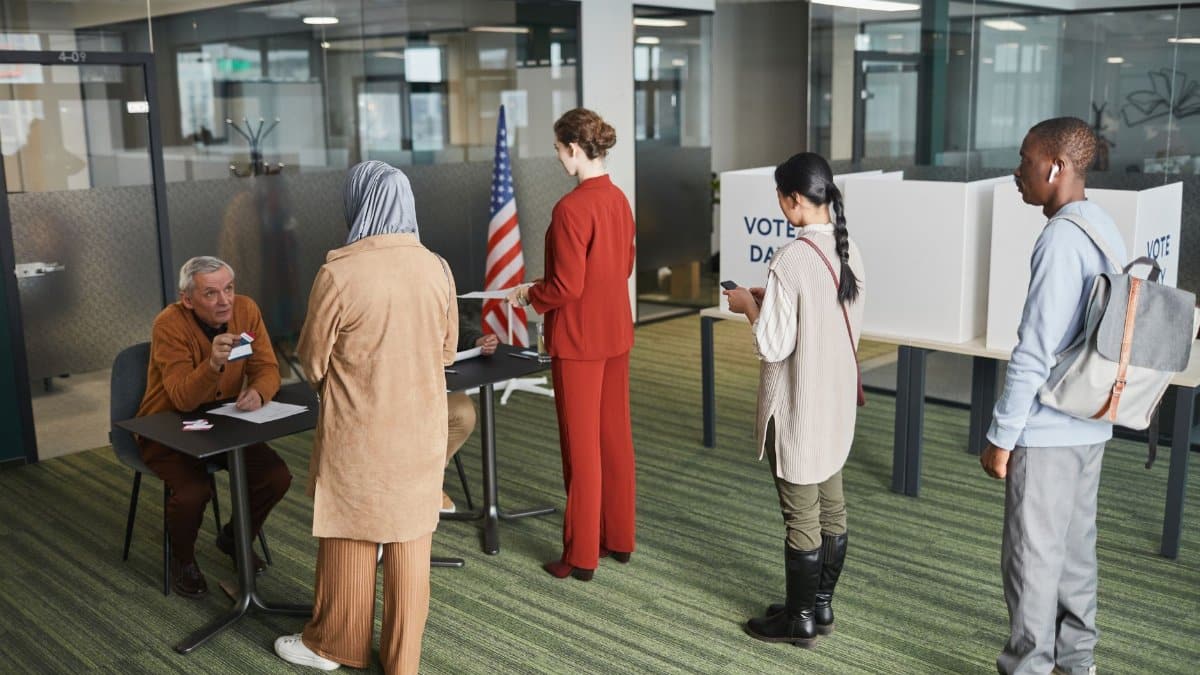
The people most exposed to a sudden rule change are not an abstraction. They include older Americans who no longer drive at night, military families overseas, students away from home, and workers whose shifts do not pause for a precinct line. Disability advocates have spent years arguing that mailed ballots are not a convenience but an access tool.
Rural voters face a different constraint. A county seat may be an hour away. A drop box on the courthouse steps, or a rural carrier who already knows the route, can be the difference between a counted vote and a missed one. Urban voters face lines, parking, and childcare. Both groups use the mail for reasons that have little to do with partisan loyalty.
Polls over several cycles show broad use across parties, even when rhetoric splits. That gap between how people vote and how leaders talk about voting is one reason these cases feel larger than their docket numbers.
The fraud debate, stripped of slogans
Documented cases of fraud in mailed ballots exist. They are rare relative to the number of ballots cast, and they are usually caught by the same checks critics say are too weak: signature comparison, barcode tracking, and criminal referral. Isolated prosecutions do not prove a system wide conspiracy. They also do not prove that every safeguard is pointless.
Scholars who track election crime, including work summarized by the Brennan Center for Justice, have repeatedly found that impersonation and ballot stuffing by mail are uncommon compared with other risks, such as insider error or outdated voter rolls. A useful overview sits at https://www.brennancenter.org/issues/ensure-every-american-can-vote/vote-suppression/mail-voting-and-absentee-voting. Readers should treat any single study as a starting point, not a verdict.
Confidence is a separate problem from incidence. If a large share of the public believes the count is rigged, the legal rarity of fraud does not repair the civic wound. Courts can police statutes. They cannot, by order, manufacture trust.
What the pause does not settle

The administration can return with a fuller case on the merits. Congress could write a national standard, though no such bill is close to passage. State legislatures will keep revising their own codes, some toward wider access, some toward tighter limits. The mail ballot Supreme Court chapter now before the country is an interim one.
Several related disputes are still moving through lower courts: rules on drop boxes, rules on who may collect a ballot for a neighbor, and rules on whether a ballot that arrives late but was mailed on time must count. Each can be framed as a technical question. Each also decides whose vote survives a close race.
A final opinion, if one comes, will have to confront the Elections Clause, the Electors Clause, and the degree of deference owed to state legislatures versus state courts and election boards. Those are not phrases most voters use at the dinner table. They are the phrases that decide whether a governor, a legislature, or a clerk has the last word.
Partisan readings of the same order

Republican officials close to the White House called the outcome a delay, not a defeat. They argue that the court simply wants a fuller record and that tighter rules will eventually prevail. Democratic officials and voting rights groups called it a necessary brake on an attempt to nationalize election administration weeks before ballots drop.
Both readings can be true at once. Emergency orders are poor vessels for ideology. They often reflect a majority that cannot agree on a theory but can agree that chaos is worse. Dissenting justices, when they write, tend to warn that delay itself rewards one side. The public rarely sees those warnings in full.
Campaigns will not wait for a treatise. They will tell supporters that the system is either under attack or finally being defended. The legal text will be shorter than the ads built around it.
Clerks, printers, and the postal service
Behind the constitutional argument sits a logistics chain that does not care who occupies the Oval Office. Ballot printers need final language. The Postal Service needs a realistic estimate of volume. Counties need enough staff to open envelopes without rushing the signature review into error.
In 2020, volume spiked and delivery times became a political object. Since then, many states have moved their mailing dates earlier and urged voters to return ballots well before Election Day. That advice is not a legal requirement in every jurisdiction. It is a practical hedge against a truck, a storm, or a sorting delay.
The current order lets that hedge remain. Officials can keep telling voters to act early without having to retract a pamphlet that was already mailed. Retraction is its own form of disenfranchisement. People who followed the first instruction and ignored the second lose a vote they thought they had cast.
A short history of voting away from the booth
Absentee voting is older than the current argument. Soldiers in the Civil War cast ballots from the field. Later wars expanded the practice. Civilian no excuse voting grew slowly, then quickly, as states competed to make participation easier and as populations aged and moved.
The pandemic compressed a decade of change into one cycle. Some states that opened the gates have kept them open. Others treated 2020 as an emergency and restored excuse requirements. The result is a map that looks incoherent from Washington and perfectly normal to a voter who has always lived under one set of rules.
Courts are poorly suited to design that map. They are better suited to stop one actor from redrawing it overnight. That, more than any grand theory of democracy, explains the temper of this order.
Trust, ritual, and the act of marking a ballot
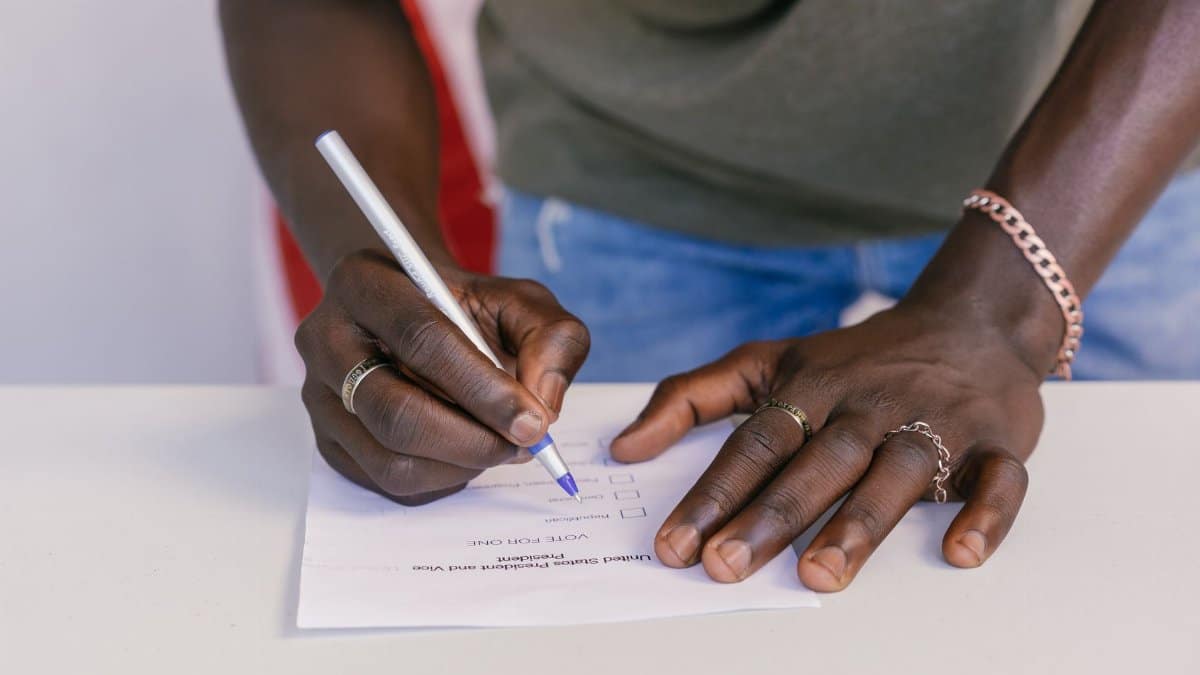
Elections are legal events and civic rituals. People still want a sense that the act of choosing was seen and counted. A mailed ballot can feel private to the point of loneliness. There is no neighbor in line, no sticker, no poll worker who says your name aloud. For some, that privacy is a gift. For others, it feeds suspicion that the paper vanished into a warehouse.
Tracking tools have tried to answer that unease. Many states let a voter confirm that an envelope arrived and whether it was accepted. Those tools are only as good as the data entry behind them. When they work, they restore a little of the ritual: a digital nod that the system noticed you.
Spiritual language sometimes creeps into this debate, on the left as faith in the people and on the right as faith in a purified process. Neither faith substitutes for a statute that a clerk can apply at 11 at night. The law has to be boring enough to administer.
What voters should do while lawyers keep arguing
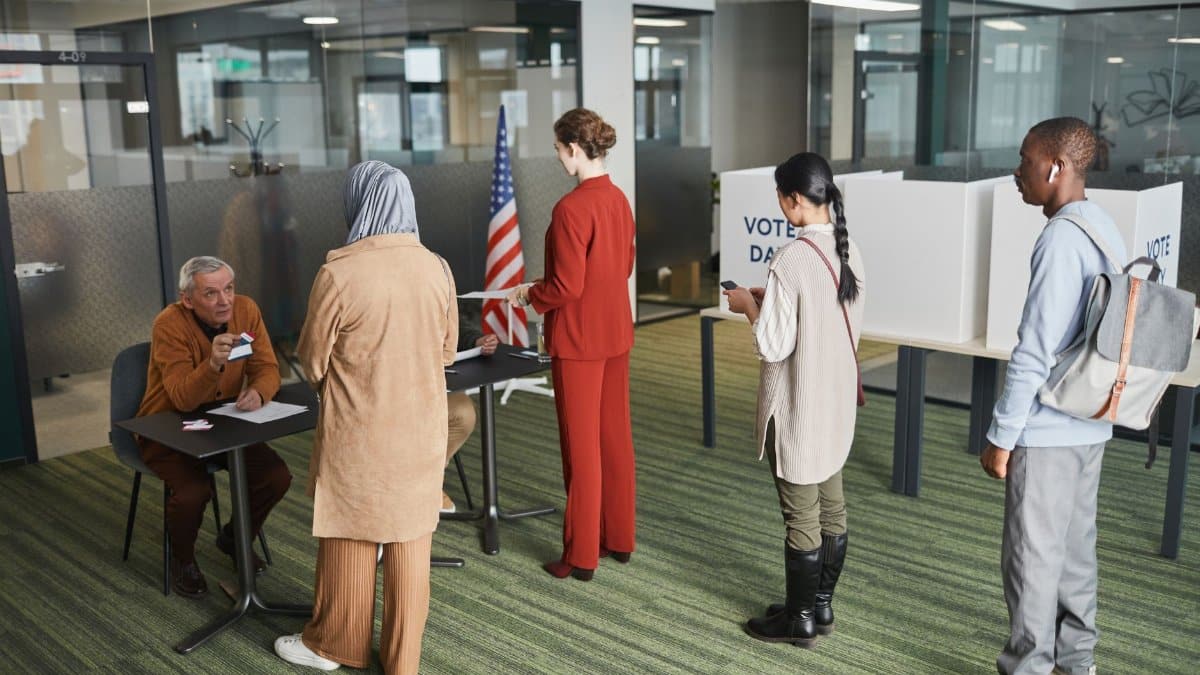
Check the rules in your own state, not the rules described on cable news. Request a ballot early if you plan to vote by mail. Read the instructions on the envelope, especially the signature line. If your state offers a way to track the ballot, use it. If a problem appears, ask the local election office whether a cure is available before you assume the vote is lost.
Do not rely on a national headline to tell you your deadline. The mail ballot Supreme Court order preserved state variation. That variation is the whole practical lesson. A voter in one state may have days after Election Day. A voter in the next state may not.
Campaigns will flood inboxes with urgent claims. Some will be accurate. Some will confuse a requested change with a change that actually took effect. When in doubt, the county election website is a better source than a forwarded message.
The midterm stakes without the melodrama
Control of Congress, governor’s offices, and state legislative chambers will turn on margins that mailed ballots can decide. That fact tempts every campaign to treat procedure as a weapon. It also tempts courts to see every procedural request as a disguised attempt to pick a winner.
The healthier reading is plainer. Rules should be known in advance, applied evenly, and hard to game. Fraud should be investigated when evidence appears, not assumed as the explanation for every loss. Access should not depend on whether a voter can leave work or stand for hours. Those principles conflict at the edges. The conflict is why we have courts, and why courts sometimes say not yet.
November will not wait for a perfect theory. Ballots will go out under the rules that existed before this emergency application. That is the holding that matters in kitchens and clerk’s offices, whatever the next filing says.
What to watch in the coming weeks

Watch whether the administration files a fuller petition and whether the court sets it for argument this term or holds it. Watch statehouses that may try to enact similar curbs on their own authority, which would raise different legal questions. Watch postal performance reports as volume rises. Watch whether counties publish clear cure instructions in languages their voters actually read.
Also watch the dissent, if one is expanded later. A short order can hide a deep split. If several justices believe the executive branch does have power to set national mail rules, a future case with more time on the clock could come out the other way. Voters who treat this pause as a permanent victory will be surprised.
For now, the machinery of absentee voting keeps its familiar shape. The mail ballot Supreme Court confrontation has been postponed, not erased. Between those two outcomes, millions of envelopes will still be licked, signed, and sent, under instructions that, at least this season, did not change overnight.