

On a gray Saturday in the Richmond, a couple stood on a damp stoop and did the math out loud. The asking price was familiar. The competing offers were not. Friends in the same income band had lost three houses since January, each time to a buyer who could close without a loan. That sidewalk calculation is the human version of a market slogan that now travels faster than any listing: SF home prices AI boom. The slogan flattens a stranger split. March 2026 median sales cleared $2.15 million, according to reporting in the San Francisco Chronicle, while Zillow’s typical home value stayed near $1.45 million. Records at the top and a stalled middle can exist in the same month. They already do.
A city of two price stories

San Francisco has always sold a scarce product on a peninsula with strict rules about what can be built. What feels new is the distance between the house that changes hands and the house that simply sits in a database of estimated worth. A median sale describes the middle of completed transactions. It says nothing about the homes that never reached a contract. When luxury listings and all cash purchases bunch together, the median can leap even if most owners would not receive a similar bid tomorrow.
Typical value tries to answer a different question. It estimates what a representative home would fetch, including properties that are not for sale. Near $1.45 million, that figure still describes a city far beyond the reach of a teacher or a nurse. It does not describe a market in which every block just reset to a new peak. Readers who treat the two numbers as rivals will misread both. They are instruments. One listens to the auction. The other listens to the inventory that never entered the room.
What a median sale conceals
Imagine ten closings. If three are houses above three million and the rest are smaller condos, the midpoint can sit in a range that almost no buyer actually paid. That is not a trick. It is arithmetic. In a thin month, a handful of estates in Pacific Heights or a cluster of renovated Victorians can tug the median harder than a hundred ordinary listings that failed to sell.
Brokers like medians because they are clean and because they photograph well in a headline. Economists like them less when volume is low. March can be noisy. Tax refunds arrive. Relocations tied to a new fiscal year begin. Families try to land before summer. A single season of aggressive bidding among people with appreciated stock can print a record without rewriting the price of a two bedroom walk up in the Excelsior. The Chronicle figure of more than $2.15 million is real as a description of sales. It is a poor description of the city as a whole.
The quieter number from Zillow
Zillow’s typical home value near $1.45 million is the number that more closely matches what longtime owners see when they refresh an estimate and shrug. It has not collapsed. It has not exploded either. That plateau matters. It suggests that the post pandemic reset, the jump in mortgage rates, and the slow return of office life never fully reversed, even as a new wave of technology wealth arrived at the top of the market.
Models are imperfect. They lean on nearby sales, square footage, and past patterns, and they can lag a sudden shift in what buyers will tolerate. Still, a gap of roughly seven hundred thousand dollars between a hot median and a typical value is too wide to dismiss as a rounding error. It is the statistical footprint of a divided city. People shopping with a conventional loan live closer to the lower figure. People shopping with a liquidity event live closer to the higher one.
Paychecks tied to the new wealth

The phrase SF home prices AI boom is useful only if it names a mechanism rather than a mood. Companies building models, chips, and the software wrapped around them have concentrated high compensation in a small set of firms and a smaller set of employees. Some of that pay arrives as salary. A larger share, for the people who can actually win a bidding war, arrives as stock that can be sold. A bonus that would have seemed abstract in 2019 can become a down payment in 2026.
That does not mean every engineer is house hunting in Noe Valley. Many are renting, waiting on visas, or living with the memory of layoffs that swept the industry only a few years ago. The buyers who move prices are not the median worker. They are the right tail: founders, early employees, and senior staff whose paper wealth became cash. When they decide that owning is safer than another year of rent, they do not nibble at the bottom of the list price. They remove conditions. Sellers notice. Everyone else feels the draft.
Blocks that do not move together

A walk from the Marina to the Bayview is a tour of different economies wearing the same city name. Single family houses with parking and a yard still draw the sharpest competition, because zoning and geography keep that stock scarce. Condominiums with special assessments, or buildings that sat half empty during the remote work years, clear more slowly. A record median can coexist with a condo owner who has cut the price twice.
Neighborhood memory matters too. Areas that fell hardest when offices emptied have more room to rebound on a percentage basis without matching the dollar peaks of already expensive hills. Areas that barely dipped have less slack. Anyone reading a citywide average as a promise about a specific block is borrowing trouble. The SF home prices AI boom story is really a set of micro markets sharing a mayor and a fog pattern.
Mortgage math still sets the ceiling
Wealth at the top does not repeal interest rates for everyone else. A buyer putting twenty percent down on a home near the typical value still faces a monthly payment that would have looked absurd in the cheap money years. Property taxes, insurance, and the cost of bringing an old house up to a livable standard sit on top of that. San Francisco houses are old. Roofs, foundations, and seismic work are not decorative extras.
This is why open houses can feel crowded and still produce few offers. Attendance is not demand. Demand is a preapproval that survives a rate lock and a reserve for repairs. Households that stretched in 2021 are often stuck, unwilling to give up a low mortgage to buy again at today’s coupon. That lock in effect keeps listings thin, which supports prices, which keeps more owners from listing. The loop is boring and powerful. It does not require a new app to explain it.
Renters and the long wait
For people who do not have stock to sell, the split market is not an intellectual puzzle. It is a closed door. Rents have firmed in many neighborhoods as offices refilled in uneven ways and as new construction failed to match the speeches made about it. A renter watching median sales set records can reasonably conclude that ownership has slipped from difficult to ornamental.
Some will leave. Sacramento, the East Bay, and cities farther south still function as release valves, though those markets have their own pressures and their own commutes. Others will stay and treat rent as the rational choice, not a moral failure. A city that needs nurses, cooks, drivers, and classroom aides cannot staff itself on bidding wars. If SF home prices AI boom becomes the only story local leaders tell, they will miss the quieter exit of people who keep the place running.
Conversations on the sidewalk
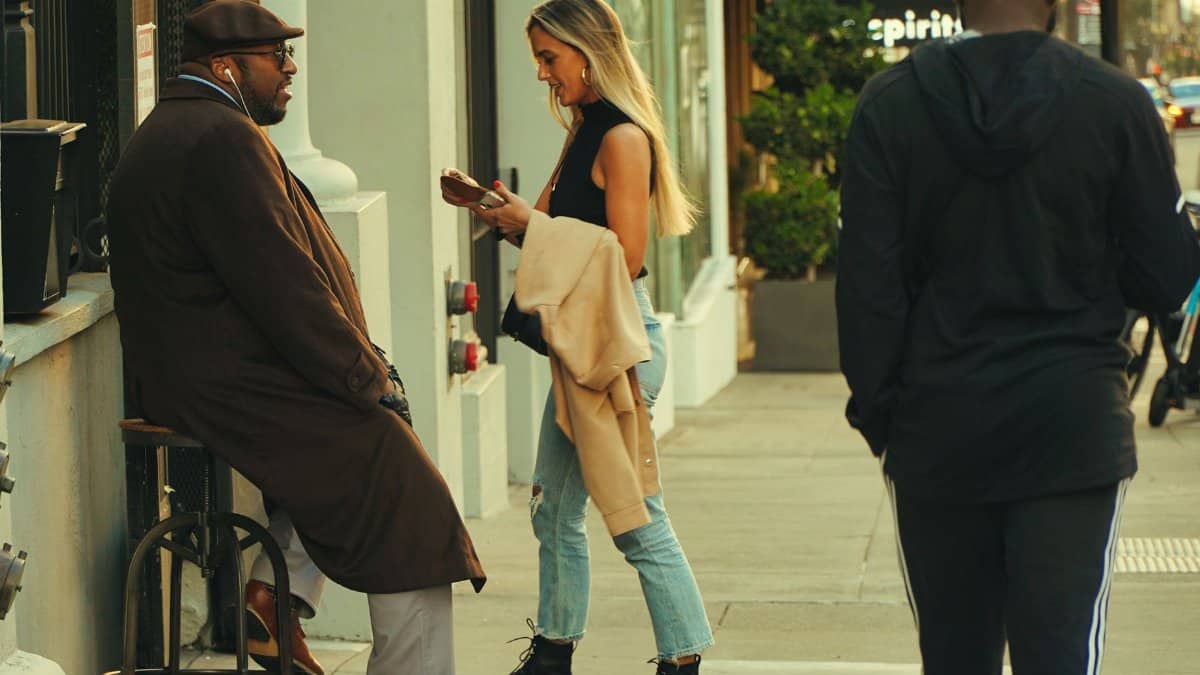
I keep hearing the same three sentences at listing appointments and casual dinners, and they rarely appear in the same paragraph of a market report. The first is that nothing good lasts more than a weekend. The second is that plenty of places have sat for forty days. The third is that nobody knows which description will apply until the first offer deadline passes. Both moods are honest. They attach to different products.
Agents who work the high end describe clients flying in for a day, walking two houses, and writing. Agents who work condos describe price cuts and buyer fatigue. Journalists who need a single verb, soared or sank, do violence to that texture. The March record is a fact about closings. The Zillow plateau is a fact about estimates. A resident’s experience is a third fact, and it depends on the block, the building type, and whether the household can ignore the mortgage market.
One hot month is not a forecast

Records invite prophecy. A March print above $2.15 million will be quoted in listing remarks all spring, sometimes without the date, sometimes without the caveat that medians twitch. If April brings more ordinary sales and fewer trophy closings, the median can fall and commentators will announce a reversal that never touched the typical home. If another cluster of wealthy buyers arrives with vested shares, the median can rise again while Zillow barely moves.
The durable questions are slower. Will new housing actually get built, or will process and politics keep supply tight? Will compensation in artificial intelligence stay concentrated enough to mint more all cash buyers? Will rates ease enough to unlock owners who want to move but refuse to swap a cheap loan for an expensive one? None of those questions is answered by a single month, however dramatic the headline.
How households are recalculating home
There is a spiritual register to this, if the word is allowed to mean something plainer than a slogan. A home is where people sleep, argue, recover, and decide whether the city still wants them. When price signals scramble, that decision becomes lonelier. Parents ask whether a record sale nearby is a windfall or a warning that their children will not be able to stay. Renters ask whether patience is a plan or a stall. Owners who feel rich on paper and stuck in practice ask which feeling to trust.
The honest answer is to hold both numbers at once. Sales at the top of the San Francisco market have hit records. Typical values have not followed them into the clouds. The SF home prices AI boom is a real transfer of purchasing power into a thin set of listings, not a blanket repricing of every front door. Anyone buying, selling, or simply trying to remain should ask which door is actually for sale, who can pay cash for it, and what the quieter estimate still says about the rest of the city. The stoop math is harder than the headline. It is also closer to the truth.