

On a warm September afternoon in Washington, the number that matters to mortgages, car loans, and the price of patience moved higher. The central bank raised its benchmark to 3.9 percent, the first increase since 2023, and did so against an open request from the White House for a cut. A Federal Reserve rate hike of a quarter of a percentage point is small on a chart and large in a kitchen table budget. Chair Kevin Warsh framed the move as insurance against inflation that has not fully surrendered. For households already stretching paychecks, the message was simpler. Borrowing just got a little more expensive, and the people who set that price are not finished arguing about why.
A quarter point with a long shadow
The new setting, 3.9 percent, is not a return to the emergency cheap money of the early pandemic years, nor is it the peak of the last tightening campaign. It sits in a middle band that still feels restrictive to anyone renewing a loan and still looks modest to anyone who remembers double digit mortgages from an earlier generation. Warsh and his colleagues chose the smallest standard step the committee usually takes. That choice was deliberate. A larger jump would have signaled panic. Standing still would have signaled surrender to political pressure. The quarter point says the committee believes inflation risk has edged back up, but not so far that the economy needs a shock.
Size, though, is only half the story. Direction matters more to markets and to politics. This was the first increase since 2023. For nearly three years the public story had been about how soon relief would arrive. A cut was the expected next chapter. Reversing that chapter forces households, companies, and campaigns to redraw their calendars.
What the benchmark actually touches

The policy rate is the interest the central bank influences in the market for bank reserves. From there it travels, unevenly, into the rates people recognize. Credit card rates tend to move quickly because many of them float with short term benchmarks. Auto loans and new mortgages adjust as lenders reprice. Existing fixed mortgages do not change until a homeowner refinances or moves. Savings accounts at competitive banks may inch higher, which is the rare bit of good news for people with cash on hand and no urgent debt.
A single quarter point will not transform a monthly budget overnight. Stacked on rates that were already well above the lows of 2020 and 2021, it adds friction. A family comparing two houses may find the payment difference large enough to lose the more expensive one. A small firm rolling a line of credit may delay a hire. Those are not abstractions. They are how monetary policy leaves the marble building and enters ordinary life.
The White House asked for the opposite
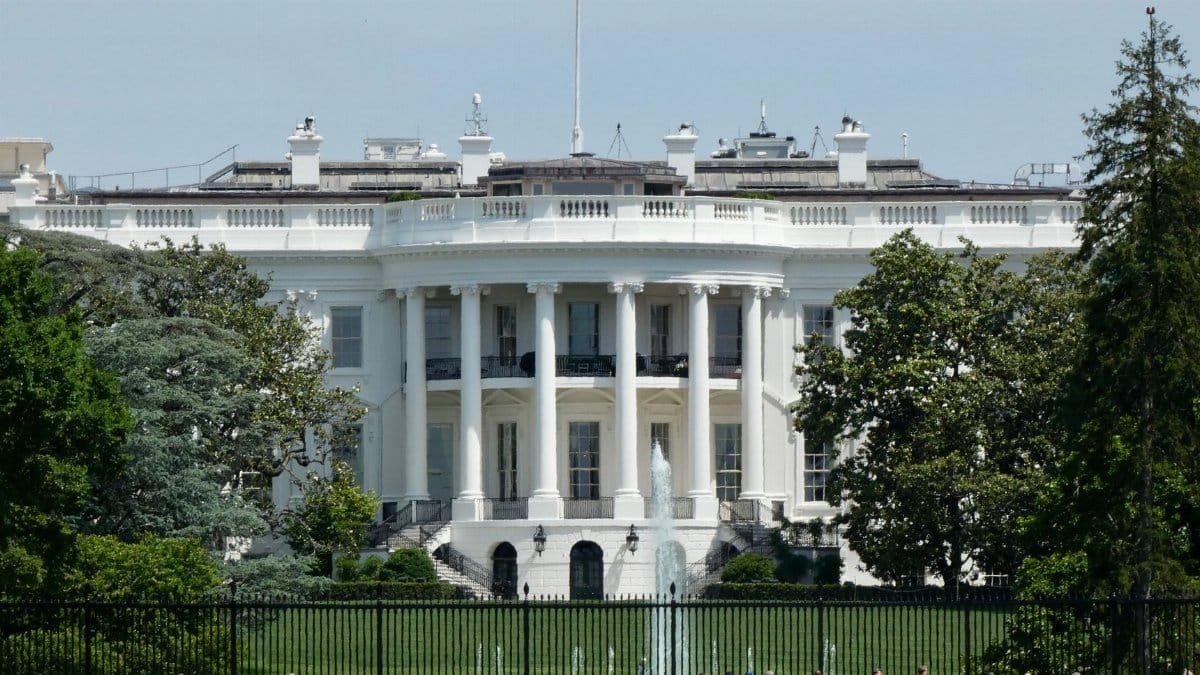
Presidents do not set the policy rate, and they are not supposed to. They do comment, sometimes loudly. This time the administration had called for a cut, arguing that growth needed help and that inflation had cooled enough to justify easier money. Warsh led the committee the other way. That split is the political fact of the week, larger in some headlines than the quarter point itself.
Independence is easy to praise in textbooks and hard to practice when an election calendar is near and grocery prices still annoy voters. A chair who ignores the White House risks a public feud. A chair who obeys it risks the credibility that makes the next promise about inflation believable. The committee chose the feud, or at least accepted it. Whether that choice holds will depend less on speeches than on the next few inflation reports.
Warsh and the case he is making

Kevin Warsh came to the chair with a reputation as a skeptic of easy money and a student of how markets interpret central bank language. His case for this Federal Reserve rate hike rests on a familiar worry. Price pressures that look defeated can return if officials declare victory too early. Services inflation, housing costs, and wage growth that outruns productivity can keep the overall index from settling where the committee wants it.
He does not need to claim that the economy is overheating in every corner. He needs a majority to believe that the balance of risks has tilted. If demand is still firm and supply shocks have not fully faded, a slightly higher rate is a form of insurance. Insurance has a premium. The premium is paid by borrowers. The hoped for payout is a softer path for prices over the next year or two.
Households meet the decision at the loan desk

Talk to a loan officer in any mid sized city and the translation is immediate. Buyers who were preapproved last month may need a fresh letter. Some will qualify for less house. Others will stretch, betting that rates fall again before they have lived in the place long. Renters do not escape the story either. Landlords with adjustable loans pass costs through when leases renew, slowly and unevenly, which is one reason shelter inflation lingers after other prices cool.
Credit cards are the quiet channel. A quarter point on a revolving balance is not dramatic in a single statement. Over a year of carried debt it is real money, especially for households that used cards to bridge high prices in prior years. Student loan and auto borrowers on fixed contracts are sheltered until the next purchase. The pain is concentrated among people who must borrow now, not among people who locked in earlier.
Companies recalculate patience

Business investment is a vote about the future. When the cost of capital rises, projects with thin returns get postponed. Warehouses, software upgrades, new locations, and extra shifts all compete with the return a firm can earn by simply not borrowing. A Federal Reserve rate hike does not halt that spending in a week. It changes the hurdle. Chief financial officers who had models built for cuts will rerun them.
Hiring is the other lever. Firms rarely fire because of a quarter point. They hesitate to add. Job openings that were marginal become optional. That is the channel officials watch when they say they are not trying to cause a recession but are trying to cool demand. The line between cooling and cracking is the entire argument of this cycle, and nobody on the committee can see it with perfect clarity.
Markets had drawn a different map

Traders spend their days assigning odds to future meetings. Into this decision, many had leaned toward a hold or even a cut, taking the White House preference and softer patches of data as clues. The increase forced a repricing. Bond yields moved as investors marked up the path of short term rates. Stocks sorted themselves in the usual rough way: banks can benefit from wider margins, while home builders, utilities, and firms that live on cheap leverage feel the weight.
Volatility after a surprise is not the same thing as a crisis. It is the market doing its job, which is to disagree in public with a price attached. If incoming data later vindicate Warsh, those prices will settle. If the data show an economy already losing speed, the same traders will price cuts again, and this meeting will look like an overcorrection. That verdict is months away.
Inflation is the argument, not a slogan
Officials do not raise rates because a single monthly print annoyed them. They look at trends, at measures that strip out food and energy noise, and at whether households expect prices to keep rising. Expectations matter because they shape wage demands and business markups. If people believe the central bank will let inflation drift, they act in ways that make the drift more likely.
The risk on the other side is just as concrete. Tight policy works with a lag. The quarter point decided this week will still be working through loan books after newer data have arrived. If those data weaken fast, the committee may wish it had waited. That lag is why internal debates at the central bank are rarely as clean as the press release. Dissent, if it appears in the vote tally, is a sign of that discomfort, not a sign that the institution has failed.
Jobs remain the counterweight
The employment mandate does not vanish because inflation is the headline. A labor market that is still finding workers, still posting openings, and still delivering wage gains gives officials room to lean against prices. A labor market that is shedding hours and cooling job growth argues for patience. The committee is betting that the first description is closer to the truth than the second.
Middle aged workers hear this debate in personal terms. They are often the people carrying mortgages, supporting children, and watching retirement balances move with bond yields. A higher policy rate can support savers and punish debtors in the same household. There is no setting of 3.9 percent that is kind to everyone at once. Policy chooses a distribution of strain and hopes the overall economy stays upright.
The world borrows in the shadow of this rate

Dollar funding is global. When the United States tightens, capital can shift toward dollar assets, pressing other currencies and complicating life for governments that borrowed in dollars. Exporting countries may welcome a slightly stronger dollar. Importers of American demand may not. Central banks abroad do not take orders from Washington, but they rarely ignore a surprise from the institution that issues the reserve currency.
That international echo is easy to overlook in a domestic political fight. It is part of why the decision is heavy. A Federal Reserve rate hike is a domestic tool with foreign consequences, from emerging market debt loads to the price of commodities priced in dollars. Warsh will be asked about those spillovers. His formal answer will stay focused on the dual mandate at home. The practical answer is that the world adjusts anyway.
Memory of the last tightening still shapes this one

Anyone who lived through the rapid increases that began in 2022 remembers how quickly cheap money became expensive money. That memory cuts two ways. Some officials fear repeating a stop and start pattern that confuses the public. Others fear repeating an error of waiting too long, which is how they describe the early stage of that earlier surge in prices. The pause since 2023 was supposed to be the mature phase, the period of watching. Ending the pause with an increase says the watching produced concern, not comfort.
Comparisons can mislead. The economy of this September is not the economy of that earlier spring. Supply chains are calmer. Households have already adjusted to higher rates once. Housing is tighter in many regions because owners with low fixed mortgages do not want to sell. Those differences mean a quarter point now may bite differently than a quarter point did when rates were racing upward from near zero.
Politics will try to own the number

Both parties know that voters experience interest rates as a moral story even when the mechanics are technical. A White House that asked for a cut can say the central bank is indifferent to growth. Critics of the administration can say the cut request was premature and that independence held. Neither speech changes the monthly payment. Both speeches will be delivered anyway, because 3.9 percent is now a campaign fact as well as a financial one.
The healthier public argument is narrower. Did the committee read the data fairly. Did it explain itself in language households can follow. Will it reverse course if it is wrong, without waiting for political permission. Those questions respect the institution without treating it as infallible. Chairs are powerful. They are also capable of misjudgment, which is why the calendar of future meetings exists.
What the next meetings can still change

One decision does not lock a year. The committee meets again, and again, with fresh reports on prices, jobs, and spending. If inflation resumes a clear decline, this increase can stand as a single mid course correction. If inflation firms, more steps could follow, and the phrase higher for longer will return to kitchen table conversations. If growth cracks, the same officials will discuss cuts with a speed that surprises anyone who treats this week as permanent.
Readers should watch three things more than the rhetoric. The path of core prices. The pace of hiring and hours worked. The cost of mortgages and business loans in actual offers, not in forecasts. Those are the scoreboards. Speeches fill the time between them.
Living with a rate that refused to fall

There is a habit, after years of expecting relief, of treating any increase as a betrayal of a promise nobody officially made. The promise was always conditional. Stable prices first, easier money if the data allow. This week the data, as read by Warsh and a majority of his colleagues, did not allow it. The Federal Reserve rate hike to 3.9 percent is therefore less a plot twist than a reminder that the condition was real.
For a broad public, the useful response is practical rather than theatrical. Recheck variable debts. Do not assume a refinance is around the corner. Ask what a slightly higher payment does to a purchase that can wait. Savers can shop for yields that actually moved. None of that replaces the larger civic question of whether the central bank struck the right balance. It does keep a household from being surprised by a decision that was argued in public and then printed in a number everyone can see.