
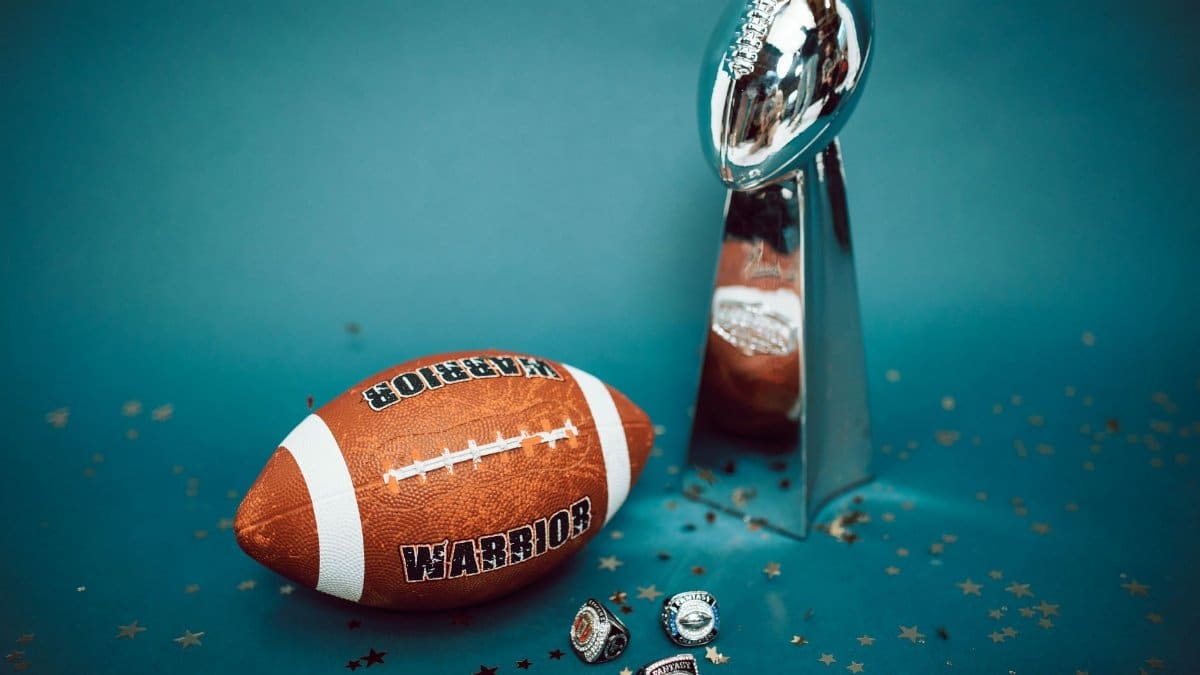
On a warm September afternoon in 1920, a young man with Chicago ties sat in an automobile showroom in Canton and helped invent a business that would outlast almost every other American pastime. The meeting was small. The stakes felt local. Club owners wanted to stop players from jumping teams for a few extra dollars. What they started that day became the National Football League. Chicago still marks the date because George Halas NFL founding is part of the city’s own origin story, not merely a footnote in someone else’s ledger. He arrived for the Decatur Staleys and left as one of the people who would shape professional football for the next half century.
A room too small for the future it created

Ralph Hay of the Canton Bulldogs hosted the gathering in his Hupmobile showroom on September 17, 1920. Some men sat on running boards because chairs ran out. The agenda was practical. Pro football in the industrial Midwest had crowds and almost no shared rules. Players jumped clubs when a rival offered a few more dollars. Owners wanted a schedule, a fee, and a penalty for raiding. They created the American Professional Football Association and named Jim Thorpe president, giving an unknown body a famous face. The entry fee was one hundred dollars. Not every club is thought to have paid. The point was agreement, not glamour.
Why Canton sat at the center

Canton was not the biggest city in the sport, which is why the choice still surprises people. Early pro football lived in factory towns across Ohio and western Pennsylvania, with a few clubs farther west. Canton had Thorpe, a recognizable team, and Ralph Hay, a promoter willing to lend his showroom. Chicago was not yet the capital of the professional game. The city had college football and a taste for spectacle, but the paid version was still explaining itself to fans and to universities that looked down on it. The founders were not designing a national media company. They were trying to keep a weekend business from collapsing under its own chaos.
A young representative from Decatur
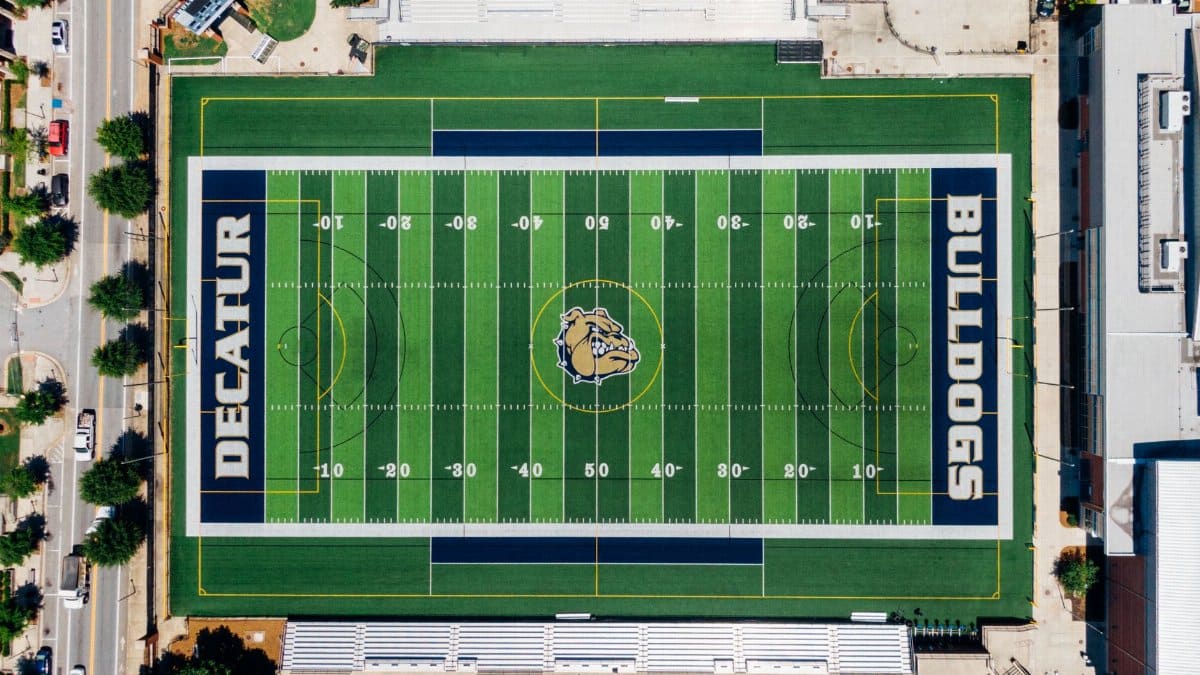
George Halas was twenty five. He had played at the University of Illinois, served in the Navy in the Great War, and had a short stay in the New York Yankees organization before football reclaimed him. A.E. Staley, a starch maker in Decatur, wanted a company team that could carry the firm name into other cities. Halas was hired to build it. When owners gathered in Canton, he attended for the Staleys. He was not the most famous man in the room. He was organized, stubborn, and already inclined to treat football as work. In the years after George Halas NFL founding, the Decatur club did not remain a factory side. He moved it to Chicago in 1921 and, a year later, renamed it the Bears.
The bargain the owners were making
Founding stories prefer ideals to invoices. The men in Canton wanted control of players, a calendar they could print, and a gate they could trust. They also wanted a measure of respect from the college world, which still treated paid football as a lesser trade. Halas seemed to grasp that respect would follow order: contracts with force, officials who were paid, and a Sunday product steady enough that a working person might plan around it. The association was a truce as much as a dream. Raiding did not stop at once. Weak franchises did not vanish. A written rule, even a porous one, is still different from no rule at all.
How a company team became a Chicago club
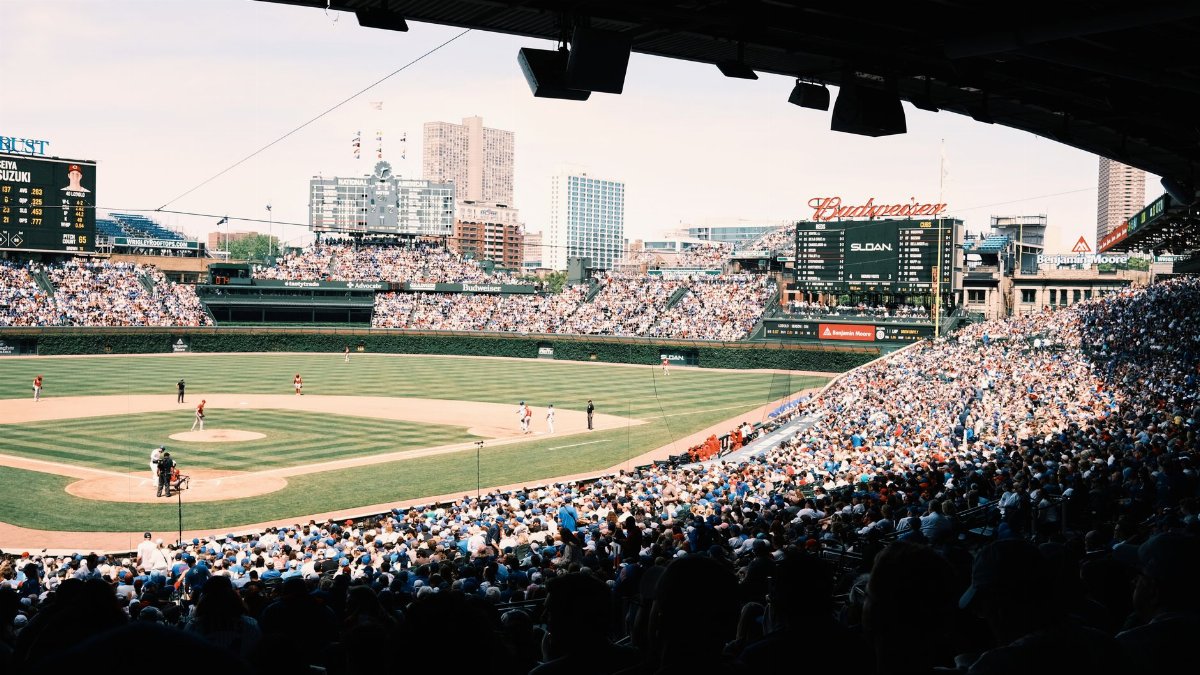
Decatur was too small for the payroll Halas had in mind. Chicago offered newspapers, rail lines, a vast public, and the ballpark the Cubs used, then called Cubs Park. The Bears name was a clever borrow. It sounded familiar without pretending the club was a baseball team. Halas played end, coached, and ran the office, a combination that now belongs to three departments. In the early 1920s it was how a franchise stayed alive. He sold tickets, disputed calls, and sketched plays on scrap paper. Historians still divide credit for the league, but George Halas NFL founding belongs beside the Canton meeting because he was present when the idea was only a handshake.
One man in three jobs
Halas stayed on the field longer than most of the men who founded the circuit. He caught passes, including a long gain that stood as a league mark for years, and he took the hitting that came with playing end. The double duty gave him a coach’s feel for detail and an owner’s worry about the gate. He insisted on daily practice when some clubs still treated the week as optional. He wanted scouting. He wanted losses studied. Years later, with Clark Shaughnessy, he helped spread a modern T formation with a man in motion. In the 1940 title game the Bears beat Washington by seventy three to nothing. Preparation, not mystique, produced that number.
A new name and a longer argument
In 1922 the association took the name National Football League. The words did not make the map national. Clubs still failed. Travel was rough. Rosters were thin. The name did announce an ambition, and Halas treated ambition as a schedule, a payroll, and a standard. He wanted the Bears to feel permanent in Chicago, not like a novelty that might fold by November. He carried the club through lean seasons, through the Depression, and through a second world war that emptied rosters into military service. When he returned to the sideline, the sport was faster and costlier. He adapted without giving up the belief that one disciplined club could pull the others forward.
Difficult, exacting, and hard to replace
Accounts of Halas do not describe a gentle boss. He watched expenses, bargained hard, and trusted his own judgment more than most employees preferred. Players could admire the wins and resent the wages in the same week. That friction belongs in any honest portrait. Softening it would replace a person with a mascot. He was also loyal to the league as a shared project. He pushed for a draft that spread talent and for rules that kept games from turning into brawls. He knew a rivalry could give a Sunday a plot. The Bears and the Packers became a standing argument about pride and weather. Halas fed it because it sold tickets and because he expected Chicago to have the last word.
Titles as a claim on the city
Under Halas the Bears won championships across decades, including the 1963 title, his last as head coach. In Chicago a championship was more than a scoreboard result. It argued that the city could build something excellent and send it out into the country. He won more than three hundred games as coach and held the job, off and on, across four separate spans. He owned the club until his death in 1983. By then the league was a national institution with labor conflict, television money, and a Hall of Fame in the Canton where the first meeting had been held. He had walked an astonishing stretch of that road in person.
What the anniversary cannot simplify

Anniversaries invite neat morals. This date offers reminders instead. Institutions that look inevitable were once improvised. A league can begin as a truce and become a culture. A city can take a team that started elsewhere and make it feel native within a generation. Fans who reduce George Halas NFL founding to a trivia line miss the harder fact. The meeting mattered because someone stayed. Halas did not treat Canton as a plaque. He spent six decades coaching, signing players, and defending a franchise Chicago came to regard as family property, even when the family arguments were loud.
Memory, myth, and a careful record
The showroom tale is so vivid that it can swallow the history around it. Running boards, smoke, Thorpe’s fame, a fee that may never have been collected: the images stick, and some of them are softer than a modern archive would allow. That uncertainty calls for care, not silence. The date is known. The first name of the circuit is known. Halas was there for the Staleys. The Bears grew from that club, and the league took its lasting name two years later. A century later, George Halas NFL founding remains a plain way to explain why Chicago treats the league as a local inheritance. The showroom was the start. The decades after it were the evidence.