
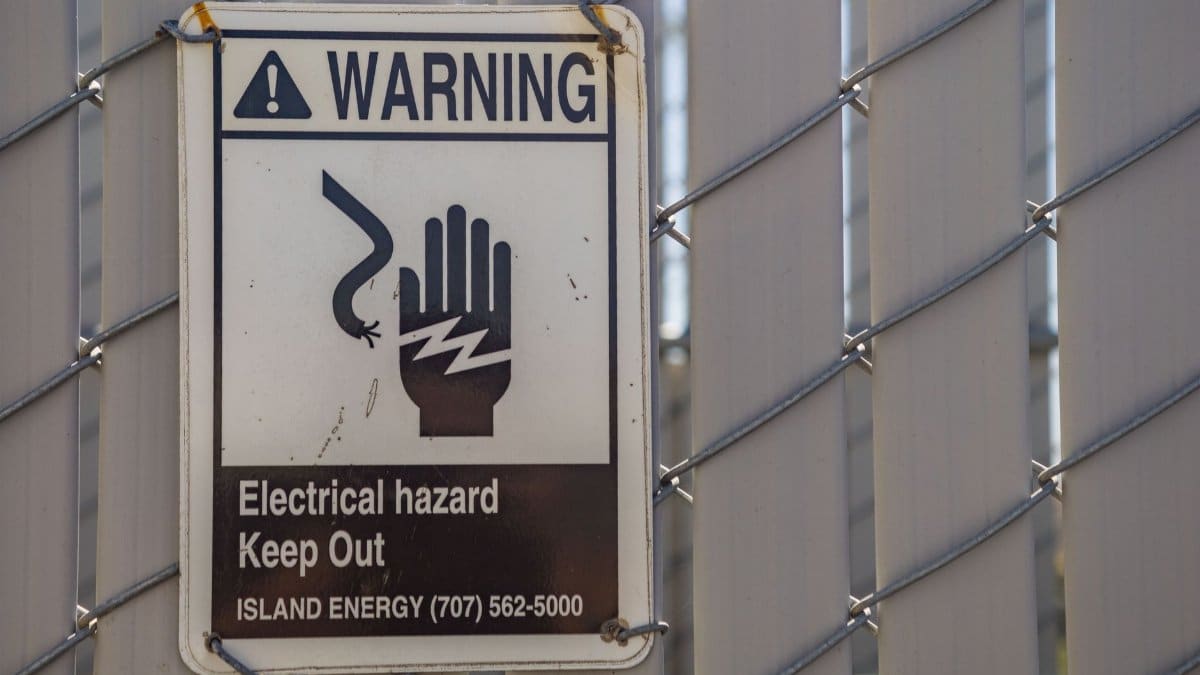
The refrigerators in Bay Point went quiet in the middle of an ordinary September afternoon, and for a stretch of East Contra Costa the day rearranged itself around a dark house and a silent fan. On September 14, the PG&E Bay Point outage cut power to more than 12,000 customers in Bay Point and parts of Pittsburg, a loss that lasted about two hours and left streets, shops, and living rooms waiting on a utility most people notice only when it fails. The block learned the shape of the failure by comparing notes rather than by reading a map.
A sudden quiet on a weekday afternoon
Power failures rarely announce themselves. A clock stops. A compressor clicks off. The low hum that fills a kitchen disappears, and the absence is louder than the sound it replaced. In Bay Point and in adjoining parts of Pittsburg, that absence arrived together, which is how a neighborhood learns that the problem is not a tripped breaker in one garage. Phones still held a charge. Radios in cars still worked. Inside, though, the ordinary machinery of a home had paused.
For about two hours, more than 12,000 East Contra Costa customers sat inside that pause. Two hours is not a disaster in the ledger of California emergencies. It is long enough to spoil a plan, warm a refrigerator, and remind a person how many small tasks depend on a wire they never see.
What the lights going out actually interrupts

An outage is easy to describe as a number of customers and a span of minutes. Lived from a couch or a checkout line, it is a stack of small interruptions. A parent cannot heat a bottle the usual way. A shop cannot run a register if the backup is weak. A person working from a kitchen table loses the call that was supposed to settle a bill. Traffic signals, if they darken, turn an ordinary intersection into a negotiation.
Bay Point and Pittsburg are not abstractions on a utility map. They are places where shifts end in the afternoon, where people pick up children, where dinner starts early because work starts early. When power drops in that window, the inconvenience lands on routines that do not have much slack.
How long two hours feels

Duration is the part residents argue about later, even when the clock is clear. About two hours can feel brief to a person with a full phone battery and a cool house. It can feel long to someone whose medical equipment needs a wall outlet, or whose paycheck depends on a shift that cannot start in the dark. The same outage contains both experiences, and neither cancels the other.
Public accounts of the September 14 interruption place the loss at roughly that length and the reach at more than 12,000 customers. Those figures matter because they keep the story from swelling into myth or shrinking into a shrug. It touches enough households that the memory is shared, not private.
The utility people call by reflex
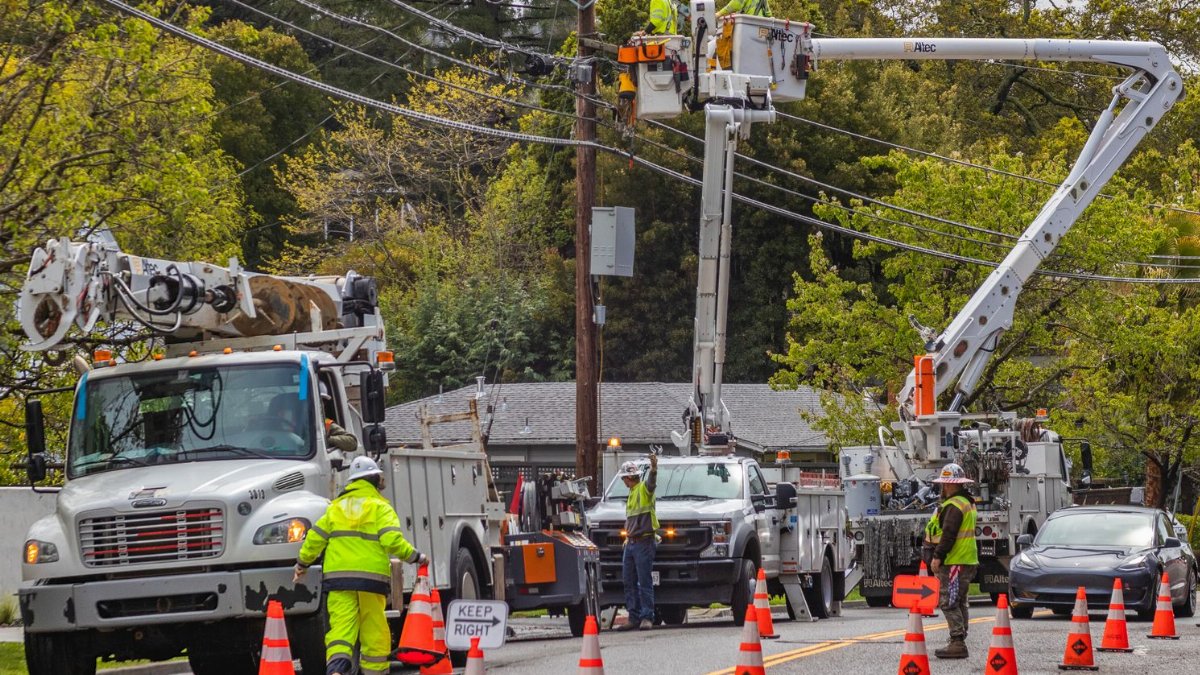
In Northern California, the name on the bill is also the name people reach for when the house goes dark. The PG&E Bay Point outage fits a familiar grammar: a place, a utility, a failure, a wait. Customers want a cause, a crew, and a time. They want a truck already moving, not a statement drafted while the block stays dim.
This article does not invent a cause the public record assembled here does not settle. Sudden outages can follow equipment trouble, a vehicle strike, a failed component, weather, or a problem that takes engineers hours to name. What residents can say with confidence is narrower and more useful. The afternoon in between belonged to them.
Heat, medicine, and the risks that stay quiet
September in Contra Costa is not the peak of a brutal heat wave in every year, but indoor heat does not require a record. A closed apartment warms. People who rely on refrigerated medicine, powered beds, oxygen equipment, or charged phones for emergency contact carry a different clock than their neighbors. Two hours may not exhaust a battery backup. It may come close enough to make the margin visible.
That is the unglamorous core of a local outage story. The danger is not always fire or a collapsing grid theater. Sometimes it is a person deciding whether to open a window, whether to drive to a relative with power, whether to wait because leaving feels harder than staying. Communities absorb those decisions one household at a time, which is why a map of darkened accounts never captures the full cost.
Stores, signals, and the shared street
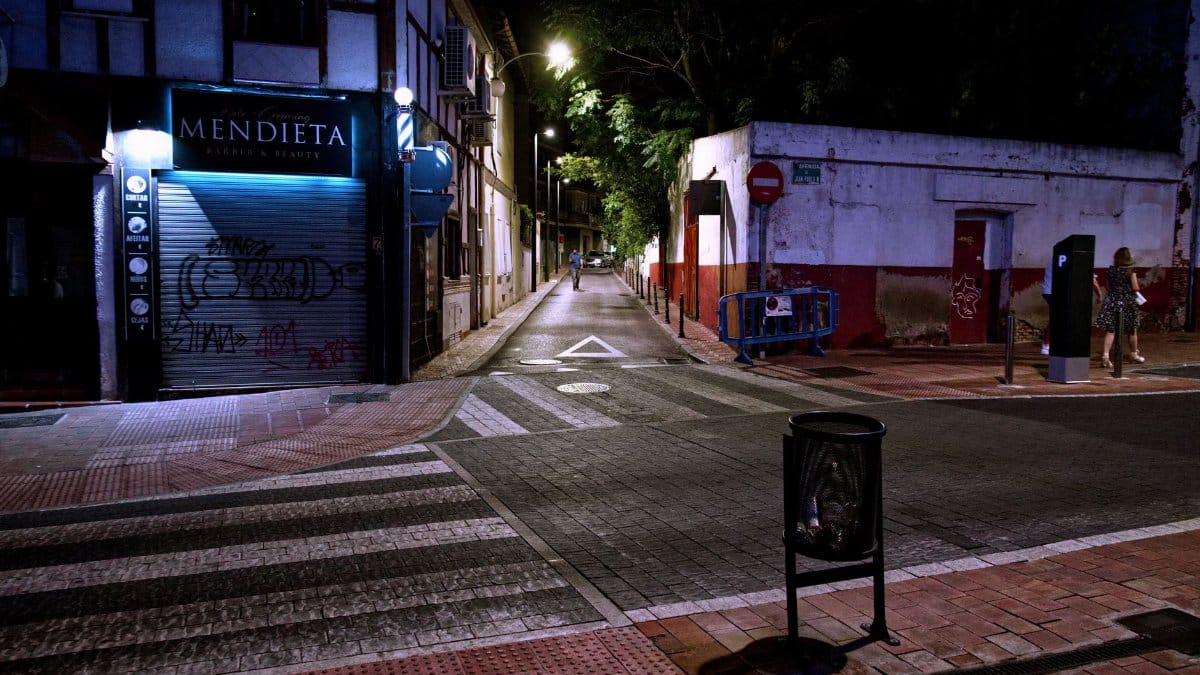
When a neighborhood loses power together, private inconvenience becomes a public scene. Corners look different without signal lights. Gas stations may not pump. Small markets weigh whether to stay open with limited electronics or to close rather than guess at prices and inventory. People step outside because the house has gone still, and the sidewalk becomes the news.
In places like Bay Point, that sidewalk news travels fast. Someone has a relative in Pittsburg who is also dark. Someone else has power two streets away and cannot explain the line. The border of an outage is rarely neat to the people living on it. It feels arbitrary, even when a circuit map would make it look precise.
Faith halls and the habit of gathering

East Contra Costa has no shortage of rooms where people already know how to sit with one another: church halls, mosque courtyards, temple kitchens, living rooms that double as prayer circles on ordinary weeks. A short outage does not summon a formal relief effort. It tests whether those rooms are habits or decorations.
A congregation that can open a door, share a charged phone, or simply host ten minutes of company is practicing a civic skill that utilities cannot invoice. On a dim afternoon it functions that way anyway. Neighbors who do not share a creed can still share a porch. The point is not piety. The point is that care has an address before the trucks arrive.
What restoration does and does not erase

When the lights return, the story looks finished from outside. Compressors kick on. Clocks blink. Food that warmed has to be judged. A missed call has to be returned. A person who spent the interval anxious does not become calm at the speed of a breaker.
Restoration is a technical success and an emotional unfinished task. Crews can reenergize a circuit. They cannot hand back the hour a family used differently than planned. That gap is why outage reporting that stops at power restored always feels slightly thin to the people who lived the gap.
A region that already knows the drill
California customers have spent recent years learning a vocabulary they did not ask for: public safety shutoffs, wildfire risk, aging equipment, summer strain, winter storms. Not every local outage belongs to that larger drama. Treating every dark afternoon as a preview of catastrophe would be its own kind of distortion. Ignoring the background would be another.
The PG&E Bay Point outage sits in that uneasy middle. It was, by the figures given for September 14, broad and relatively brief. It did not need to be a catastrophe to matter. In a region where trust in electric service has been tested often, even a contained failure asks the same old question in a smaller voice. Will the next one be this short, and will the explanation be this plain?
Questions worth asking without panic

Residents are entitled to practical answers. Which circuit failed. How many homes sat beyond Bay Point into Pittsburg. Whether equipment was replaced or merely reset. What the utility will say, in ordinary language, about the chance of a repeat. Those questions are not hostility. They are the minimum a paying customer extends to any other service that stops without warning.
Journalists should ask them without inflating a two hour event into a morality play. Utilities should answer them without hiding inside jargon. Local officials should know which cooling sites, medical registries, and traffic plans actually function when a weekday afternoon goes dark. The work is memory, not panic.
The afternoon the block will mention later
Shared inconvenience becomes local folklore faster than officials expect. People will date other errands to the day the power dropped. They will remember who had ice, who had a radio, who treated the whole thing as a nuisance and who could not. That folklore is not trivia. It is how a town keeps score on institutions that prefer to be invisible.
The PG&E Bay Point outage will not define Bay Point. A place is more than its worst afternoon and more than its shortest blackout. Still, the outage belongs in the record because more than 12,000 customers lost the assumption that the day would proceed on schedule. Assumptions are the real product of a grid. When they break, even for about two hours, the community notices.