
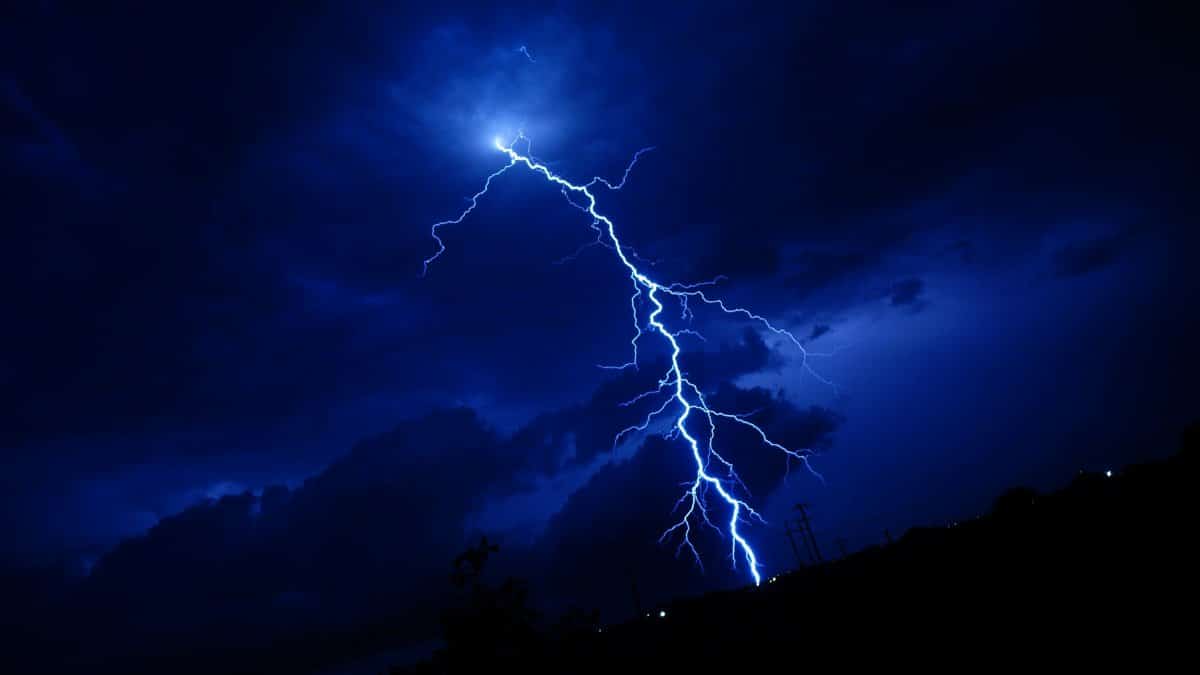
By late afternoon the wind in the Permian Basin often feels like it has already decided the evening. Heat lifts off the caliche, pumpjacks tick in the distance, and then a cleaner breeze arrives from the north. Forecasters watching the Texas cold front 50s pattern say that same shift could drop nighttime temperatures into the 50s after a week of storms, a change that will feel sharper in Midland, Odessa, and the Panhandle than a glance at the calendar suggests.
A forecast that trades heat for a quieter night
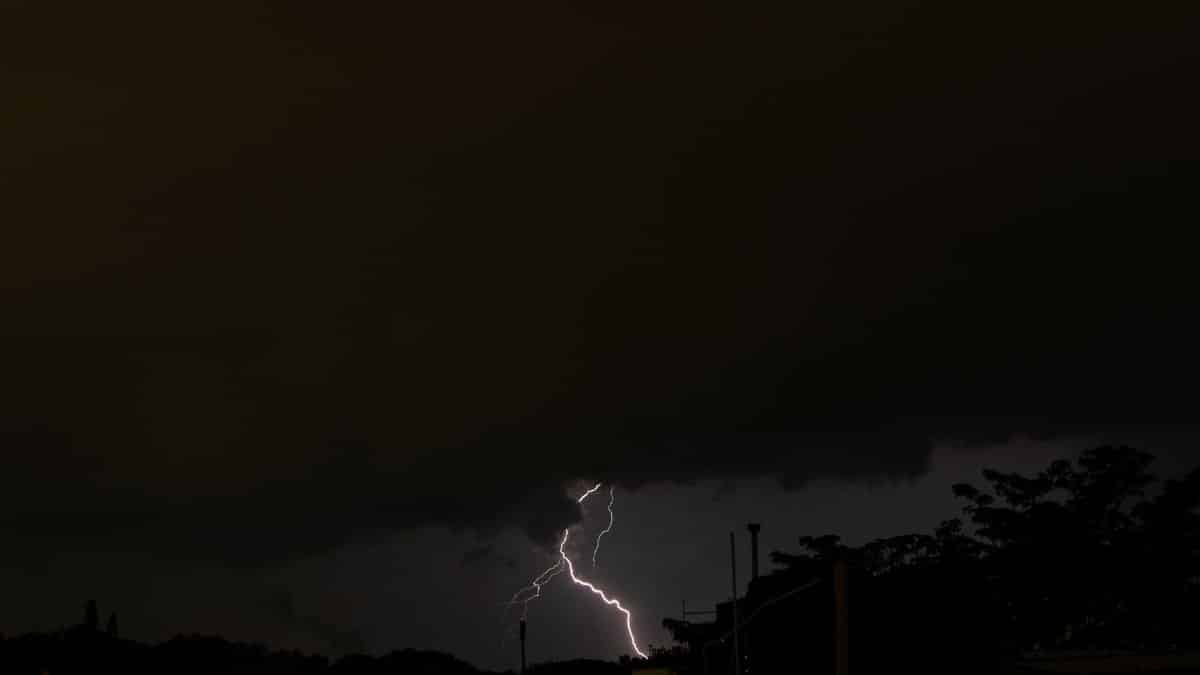
The setup is familiar to anyone who has lived through a West Texas shoulder season. A stormy stretch leaves the ground damp in places and the sky unsettled. Behind it, a cooler air mass slides south. Daytime highs may still climb into comfortable territory, but the story that matters for sleep, livestock, and early shifts is the low. National Weather Service offices in the region have been pointing residents toward a noticeable drop once the front clears, with nights settling in the 50s rather than the muggy 70s that can linger after rain.
That is not a freeze, and it is not a historic outbreak. It is the kind of change that rearranges routines. Parents pull a light blanket back onto a bed. Oilfield crews trade a soaked shirt for a jacket at 4 a.m. Gardeners in Lubbock look at tender plants and decide they can wait. The Texas cold front 50s outlook is less a siren than a reminder that the high plains cool faster than the memory of last week.
Why the drop feels larger than the numbers
West Texas sits on open country with thin humidity once a front scours the air. Dry air loses heat quickly after sunset. A reading in the middle 50s can feel colder beside a north wind than the same number would feel in Houston, where moisture holds warmth against the skin. Elevation adds another nudge. The Panhandle and the higher reaches of the Caprock lose heat more readily than the coastal plain.
Storms complicate the sensation. Rain cools the surface, then clearing skies let heat escape overnight. People who spent days under thunder may wake to a crisp porch and assume winter has arrived early. Meteorologists tend to describe this as a seasonal reset, not a collapse. The body, though, does not read model discussions. It reads wind on the neck.
The stormy week that set the stage
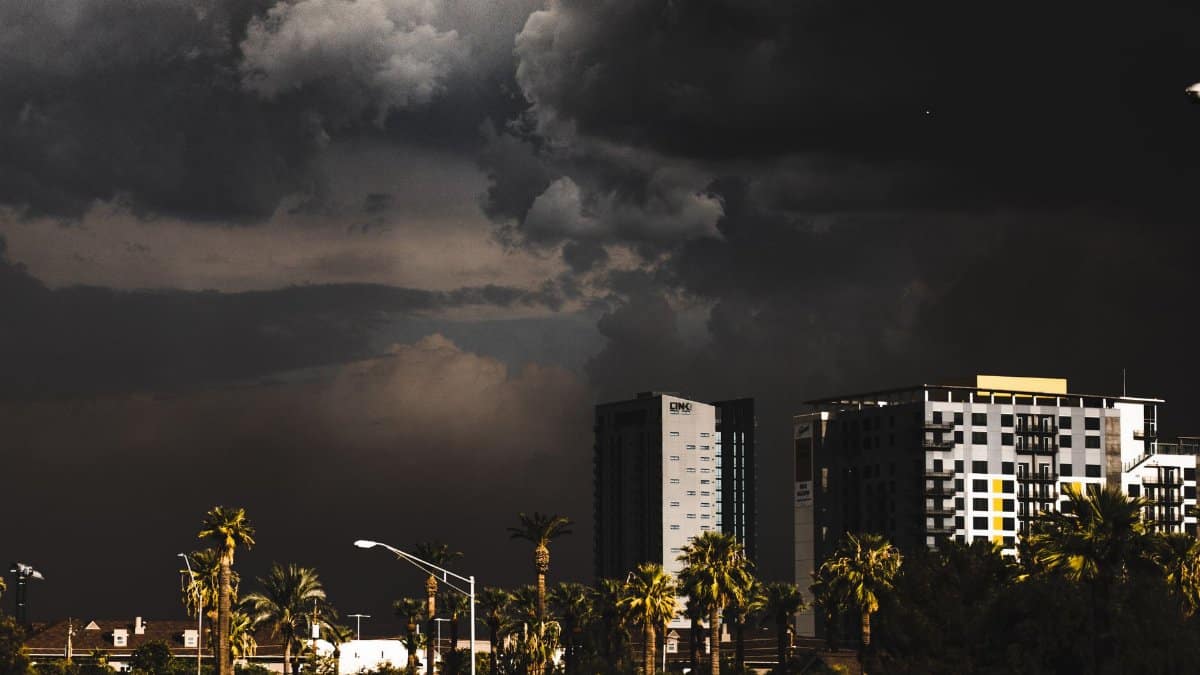
Before the cooler air, much of the state dealt with showers, gusty outflow, and the usual spring and fall mix of watches that come and go. In West Texas those storms can be brief and violent, dumping an inch on one ranch road and sparing the next county. The leftover moisture is uneven. Some fields glisten. Some caliche turns to paste and then to dust again within a day.
That unevenness matters for the nights ahead. Wet soil can hold a little warmth, while dry ground under clear skies radiates heat away. Forecasters therefore speak in ranges rather than promises. A neighborhood on the north side of Odessa may slip a few degrees lower than a spot still under leftover cloud. Readers who want the official wording can follow local discussions from the National Weather Service at weather.gov, where zone forecasts update through the day as new observations arrive.
Midland, Odessa, and the working night
Midland and Odessa do not experience weather as a backdrop. The cities run on shifts that ignore sunset. A front that brings the Texas cold front 50s into bedrooms also arrives at plant gates, hospital parking lots, and school bus loops. A ten or fifteen degree change overnight changes what people wear more than what they cancel. Youth sports may still practice. Outdoor dining may simply move the heaters closer to the tables.
There is a civic texture to these ordinary adjustments. Neighbors text about whether the wind will keep up. A church group planning an evening meal outside checks the hourly graph and moves the tables under a canopy. None of this is dramatic, which is why it rarely leads a newscast. It is also why it shapes the week. Comfort is a public matter when thousands of people share the same air at the same hour.
The Panhandle watches the same door open
Farther north, Amarillo, Lubbock, and the smaller towns between them often feel a front first. The landscape is wider, the trees fewer, and the wind less obstructed. When guidance calls for lows in the 50s, Panhandle residents sometimes hear a milder version of a pattern they know can go much colder later in the year. For now the concern is practical: jackets for Friday night football, a check on outdoor pipes only if the forecast keeps falling, and attention to any leftover storms that could still produce a quick downpour before the sky clears.
Agricultural extension offices have long urged producers to treat early cool spells as planning cues rather than emergencies. Calves and garden starts need watching, not panic. The same advice fits households. A night in the 50s is a prompt to locate the heavier quilt, not a reason to drain the sprinkler system.
What the 50s mean for bodies and buildings

Human comfort sits in a narrow band. Sleep researchers and building scientists have noted for years that bedrooms a little cooler than daytime living spaces tend to help rest, though the exact preference varies. A public overview of healthy indoor temperatures from the Environmental Protection Agency, available at epa.gov, underscores that indoor air, humidity, and ventilation matter as much as the number on a thermostat. When outdoor air falls into the 50s, many West Texas homes can open a window for an hour and then close it, trading stuffiness for a gentler night without running heat all evening.
Older houses with thin insulation will feel the wind more than new construction. So will mobile homes on exposed lots. The gap between outdoor air and indoor comfort is not equal across income. A front that feels pleasant to someone with a well sealed house can feel drafty to someone whose window frames leak. Weather, in that sense, is also a housing story.
How forecasters separate a front from a rumor
Social media loves a map painted in deep blue. Professional forecasts are slower and, at their best, more honest about uncertainty. A cold front is a boundary, a slope of denser air undercutting warmer air. Its speed depends on the jet stream aloft, on how much the previous storms mixed the atmosphere, and on whether a secondary surge follows the first. Models can agree on the idea of cooling and still disagree by several degrees on the low in a single county.
That is why the phrase Texas cold front 50s should be read as a range with a mood, not a contract. If clouds linger, lows stay higher. If the wind stays up after midnight, the air feels colder than the thermometer admits. If the front stalls over the Edwards Plateau and only brushes the Basin, the Panhandle cools while Midland waits another day. Good journalism about weather resists the urge to flatten that nuance into a single scary number.
Memory, faith, and the turn of the season
In a region where many people mark time by church calendars as much as by kickoff schedules, a clean north wind can feel like more than meteorology. Congregations that held outdoor vigils or fall festivals during the stormy week may find the next evening suddenly fit for a walk home rather than a dash to the car. The shift invites a modest reflection: weather remains one of the few shared experiences that still interrupts private screens. A whole county feels the same door open.
That is not mysticism dressed up as a forecast. It is a description of how communities in spare country have always read the sky. Ranch families, mosque and church potlucks, Friday night lights, and the quiet of a Sunday morning parking lot all take their cues from temperature and wind. When nights ease into the 50s, the pace of gathering changes. People stay a little longer on the steps.
Practical care without the theater of alarm
Preparation for this kind of front is ordinary and worth doing anyway. Check that outdoor workers have a layer they can add after dark. Bring pets in if they usually sleep on concrete that will radiate cold. Secure light patio furniture if the front arrives with a gust. Look at the hourly forecast in the morning and again after school, because timing matters more than the headline low. The ready.gov severe weather pages, maintained for public preparedness, are a useful baseline for broader storms even when the immediate issue is only a cool night.
What not to do is treat every blue blob on a phone app as a verdict. Apps smooth uncertainty into bright colors. Local forecast discussions explain why a number moved. Readers who compare the two tend to make calmer decisions, and calm is a civic good when group chats are already full of screenshots.
A wider season, not a single night
Climatologists describe West Texas autumn and spring as swing seasons, with large day to night ranges and fronts that can follow one another for weeks. One night in the 50s does not lock in a winter pattern, nor does it erase the chance of another warm afternoon. The honest frame is a sequence. Storms, then clearing, then a cooler night, then a reassessment. People who garden, coach, or schedule outdoor work already live inside that sequence. The rest of us borrow their patience when we remember to look past a single notification.
Energy use may dip for a few evenings as air conditioners rest. That small relief matters in a region where summer bills train households to dread the thermostat. A string of nights in the 50s will not rewrite a utility budget, but it can mark the first week when opening a window feels like a reasonable plan rather than a wish.
Reading the week ahead with proportion
Proportion is the scarce resource in weather coverage. The Texas cold front 50s story is real, local, and limited. It follows a stormy week. It favors the western half of the state and the Panhandle over the humid coast. It asks for jackets, not generators. It will be felt most by people who work outside the insulated hours of office life, and by anyone whose house lets the wind in.
If the front verifies, Midland and Odessa will wake to air that smells cleaner and sounds louder, because dry wind carries sound across flat ground. If it underperforms, the nights will simply be less heavy than the ones just past. Either outcome is worth reporting without costume drama. The sky over West Texas has always been a public document. This week it is written in a cooler hand, and the sensible response is to read it closely, dress for the low, and leave the panic for a colder page that has not yet arrived.