
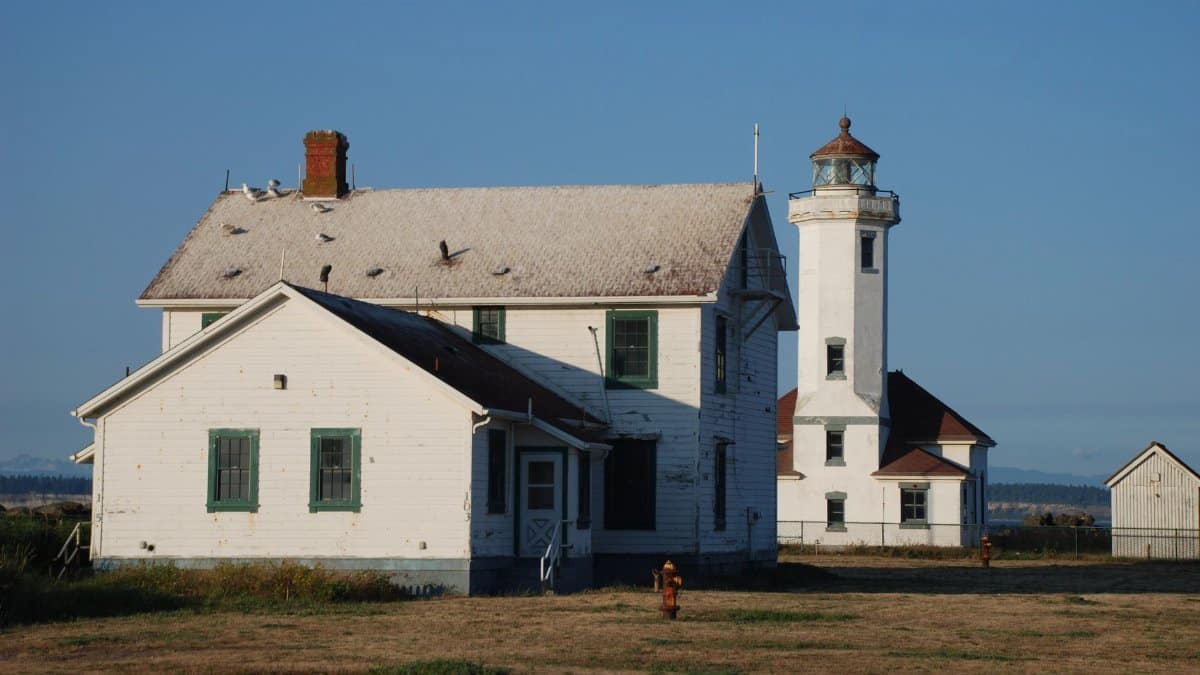
The water off the northern reach of the Olympic Peninsula can look almost indifferent, a working bay beside a town that still carries the faint scent of pulp when the wind turns. Into that ordinary scene comes a figure large enough to change the conversation. State regulators have levied a Port Townsend mill fine of 743,000 dollars after two releases of black liquor and a record of poor maintenance. The sum is not dock gossip. It is a formal penalty, and it asks a plain question: what does a community owe the water that sits at the edge of its livelihood?
A number that refuses to stay inside the fence

Industrial penalties often live in footnotes. This one does not, because the setting is small and visible. Port Townsend is not a city that can hide a mill behind a freeway wall. The plant stands on the bay, and the bay is how people arrive, fish, walk, and measure the health of the place they chose. When the Washington Department of Ecology attaches a six figure penalty to spills and upkeep, the charge lands in public view whether or not every resident can recite the chemistry.
The Seattle Times account of the case frames the matter as both a chemical event and a maintenance failure. That pairing matters. A spill can be narrated as an accident. A pattern of poor maintenance is harder to file under bad luck. Readers who want the originating report can find it in that newspaper under the environment desk, in a story about the state fine for a chemical spill and neglected upkeep at the Port Townsend paper mill.
Two releases, not a single bad hour

The public description of the case centers on two releases of black liquor, the spent cooking liquid of a pulp mill. One release can be explained as a valve, a tank, a moment of inattention. Two releases push the story toward systems: how material is stored, how alarms are watched, how worn equipment is replaced before it fails beside salt water. Ecology did not treat the episodes as isolated curiosities. It treated them as grounds for a penalty that also names maintenance.
Black liquor is not a mystery fluid to people who have worked in pulp. It is the dark, alkaline remainder of the cooking process that separates fiber from wood. It carries dissolved lignin and the chemicals used to break the wood down. Mills recover much of it because it is valuable as fuel and as a source of chemicals to be reused. That recovery loop is part of why a modern mill can claim efficiency. It is also why a breach in the loop is not a trivial drip. The liquid is concentrated, corrosive, and unfit for a bay.
What the liquor does when it leaves the pipe
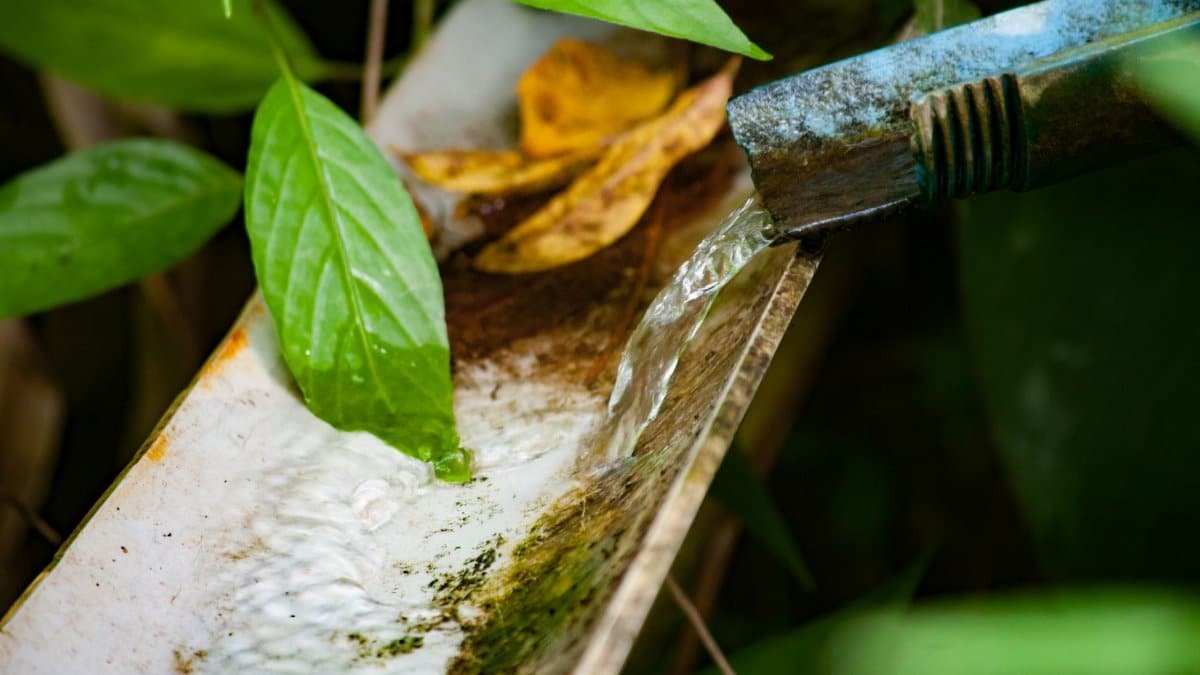
In a recovery system, black liquor is an asset. In open water, it is a shock. Its alkalinity can injure fish and the small organisms that feed them. Its organic load can strip oxygen from a confined reach of water as bacteria break it down. Color and solids can cloud a nearshore zone that already works hard to support eelgrass, shellfish, and the birds that hunt the tideline. None of this requires a dramatic fish kill to count as harm. A bay can be wounded in ways that show up later, in a thinner season, a closed bed, a neighbor who stops trusting the outfall.
Scientists and regulators have spent decades describing those pathways in general terms. The lesson for this case is not a new laboratory surprise. It is the old one: process liquids belong inside process equipment. When they reach the bay, the argument shifts from production targets to public water.
Maintenance as the quieter charge

Spills make photographs. Maintenance makes case files. Ecology paired the releases with poor maintenance, which is the part of the Port Townsend mill fine that should interest anyone who has ever watched an aging plant bargain with its own equipment. Pipes, tanks, pumps, and containment are not scenery. They are the difference between a closed loop and a release. Deferring repairs can look like thrift until the deferred item fails in the one place a town cannot mop up.
Readers should be careful not to invent a villain from a headline. A penalty is an allegation resolved into an order, not a full biography of every worker on a shift. Mills run because people show up, often for decades, and those people are not the same thing as a corporate maintenance budget. Still, the state did not fine a rumor. It fined a facility for releases and for the condition of the systems meant to prevent them. That is a judgment about management, not about the dignity of mill work.
How a state penalty is meant to function

A fine from Ecology is supposed to do more than punish a past hour. It is meant to price the failure so that prevention becomes the cheaper path. Water quality law, state and federal, treats navigable and nearshore waters as a public trust in practice if not always in poetry. Discharge is allowed only inside permits. Unpermitted releases of process liquor fall outside that bargain. Penalties, corrective orders, and the prospect of further scrutiny are the tools the agency has short of shutting a plant.
Companies in these cases often have a right to contest a penalty, to negotiate, or to point to steps already taken. That process is not a scandal. It is how an order becomes either a paid debt or a fought one. What the public can fairly ask is transparency: what failed, what was repaired, what monitoring will show, and whether the next inspection will be a courtesy or a test. A dollar figure without a follow through plan is a press release. A dollar figure tied to equipment, training, and sampling is governance.
The bay is not a backdrop
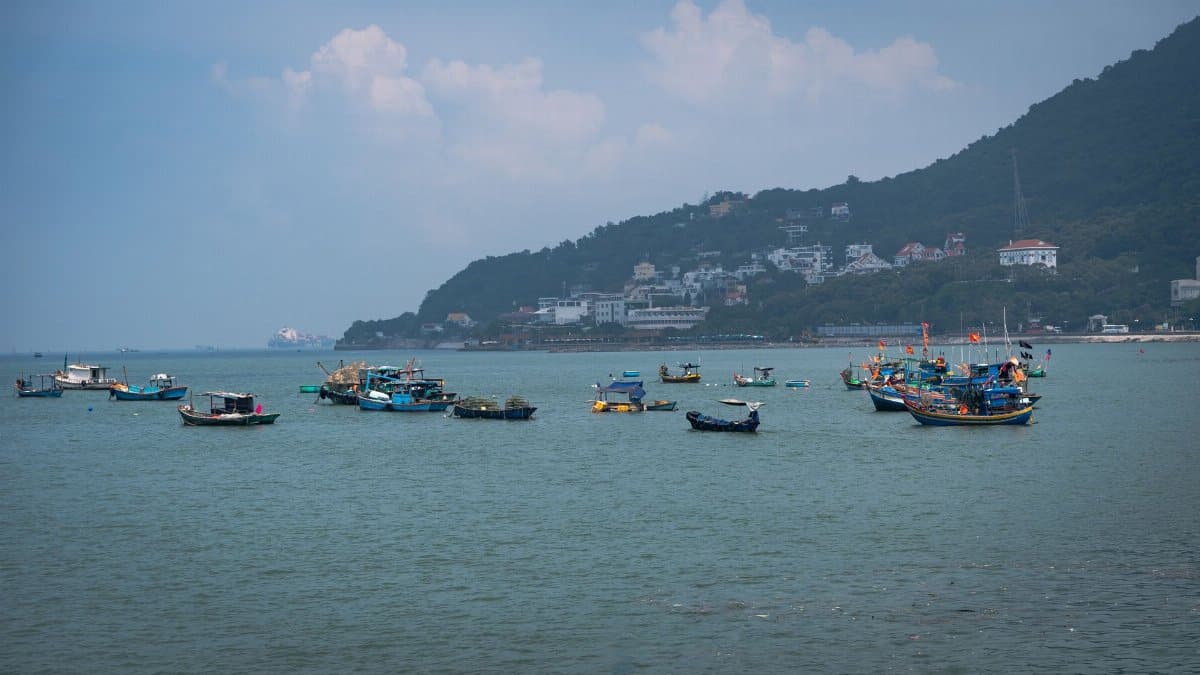
Port Townsend Bay is a working and a recreational edge at once. Ferries, boat yards, shellfish waters, and a historic downtown share a shoreline with heavy industry. That mix is the economic truth of a lot of coastal towns, and it is also the environmental risk. People who love the view sometimes forget the outfall. People who defend the payroll sometimes talk as if the water were an infinite sink. Neither habit survives a penalty this size.
The meta facts of the case are simple enough for a dinner table. Two black liquor releases. Poor maintenance. A state penalty measured in hundreds of thousands of dollars. The moral facts are less simple. A town can need the mill and still refuse to treat the bay as an acceptable loss. Those positions are not opposites. They are the terms of a grown up place.
Work, wages, and the cost of looking away

Paper mills have anchored towns like this for generations. They buy wood, pay taxes, and keep skilled trades in communities that tourists visit and then leave. Any honest account of the Port Townsend mill fine has to hold that employment in the same hand as the spill. Closure fantasies from people who do not depend on the gate are cheap. So are assurances that a little liquor in a big bay never matters.
The better standard is boring and strict. Contain the liquor. Maintain the tanks. Report the release. Fix the cause before the second time, not after the penalty. Communities that romanticize either pure nature or pure industry end up surprised by the same headline. Communities that insist on both a paycheck and a living shoreline have a chance to avoid the next one.
What neighbors can reasonably demand
Neighbors are not inspectors, and they should not have to be. They can still ask for the documents that turn a fine into a story with an ending. What volume left the system, if the agency has published it. Where it entered the water. What cleanup occurred. Which pieces of equipment were judged inadequate. What schedule now governs repair. Whether sampling in the bay will be public enough that a resident can read it without a lawyer.
Local government, tribes with interests in these waters, and the state all have roles that do not collapse into a single press conference. The useful pressure is specific. It is not a slogan about industry. It is a question about a flange, a berm, a logbook, a lab result. When those questions get answers, a fine starts to look like accountability. When they do not, the money can be paid and the habit can remain.
A wider pattern, without pretending this mill is every mill

Pulp and paper plants across the country have spent years tightening recovery systems, cutting water use, and living under permits that their grandparents would have found astonishing. That progress is real, and it is not a free pass for the plant that still loses liquor to the shore. Progress is a trend. A release is an event. Regulators are paid to notice the event even when the industry brochure says the trend is good.
It is also fair to say that aging capital is a national condition, not a local eccentricity. Tanks installed for a different era do not become safe because a town is fond of them. The choice to reinvest is a choice about whether the mill intends to stay as a careful neighbor or as a tenant that leaves the repairs to the tide. Ecology, by attaching maintenance to the penalty, signaled that it is watching that choice.
Reading the fine without a sermon

Some readers will want this story to bless or condemn a whole way of life. It will not do that honestly. A mill can be a proud employer and still owe the bay an unbroken pipe. A regulator can be right about a penalty and still owe the company a clear path to compliance. Residents can love the stacks at dusk and still flinch at black liquor in the water they swim beside in summer.
If there is a spiritual note here, it is an old civic one, not a doctrine. Places are entrusted, not owned in the absolute sense people sometimes claim. The bay was here before the digester, and it will be argued over after this penalty is paid or reduced or upheld. Stewardship, in that plain sense, is maintenance. It is the unglamorous decision to fix the thing before it fails, and to tell the truth when it does.
What to watch after the headline fades

The Port Townsend mill fine will matter less as a number than as a sequence. Watch whether the penalty stands, whether required repairs are finished on a public timetable, and whether later inspections find the same weak points or a cleaner record. Watch the bay not as a symbol but as a body of water with users, from shellfish growers to children on a beach. Watch the difference between a statement of regret and a changed maintenance log.
A penalty of 743,000 dollars is large enough to sting and small enough, in the scale of a mill, to be absorbed if nothing else changes. Absorption is the risk. The point of the order is not to give the town a villain for a week. It is to make the next quiet morning on that bay less likely to hide a third release. That is a modest hope. It is also the only kind of hope a fine can buy.