
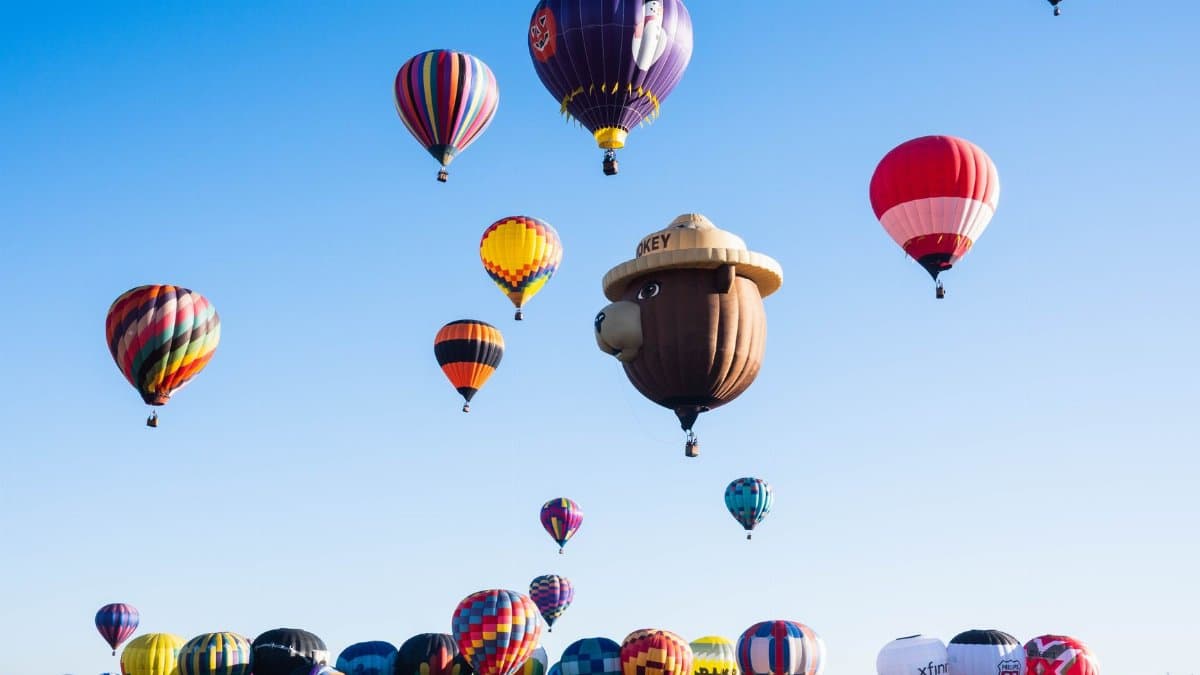
By the third week of September, North Texas has usually spent its last convincing argument for summer. The light comes in lower. Parking lots fill before breakfast with people who drove from Denton, Richardson, and Fort Worth for reasons that would sound slight in July: a balloon on a rope, a path of pumpkins, a fried dish they insist they will skip. North Texas fall festivals turn that slightness into a public calendar. This year the first crowded chapter lands September 17 to 20 in Little Elm, Plano, and Grapevine, days before the State Fair of Texas opens on September 25.
Three towns, one long weekend
The clustering is the story, not any single poster. Little Elm, Plano, and Grapevine all ask for the same scarce resource in those four days: a free Saturday and a patient driver. In a region this large, the overlap is either a gift or a scheduling error, depending on how many children are in the back seat and how early someone agreed to leave the house.
Residents who treat the month as a loose menu, rather than a loyalty test, tend to come through it in better humor. One town for the sky, another for music and food, a garden for the hour when no one wants a loudspeaker. The mistake is trying to collect every wristband as if the season were a contest. It is not. It is a set of rooms that happen to open at once.
That distinction matters in a metro area where a short trip on a map can become an hour in traffic. The useful plan is geographic, not ambitious. Pick a side of the region, stay there, and leave the other side for another morning. People who chase three skylines in one day mostly remember the highway.
Balloons before the heat returns
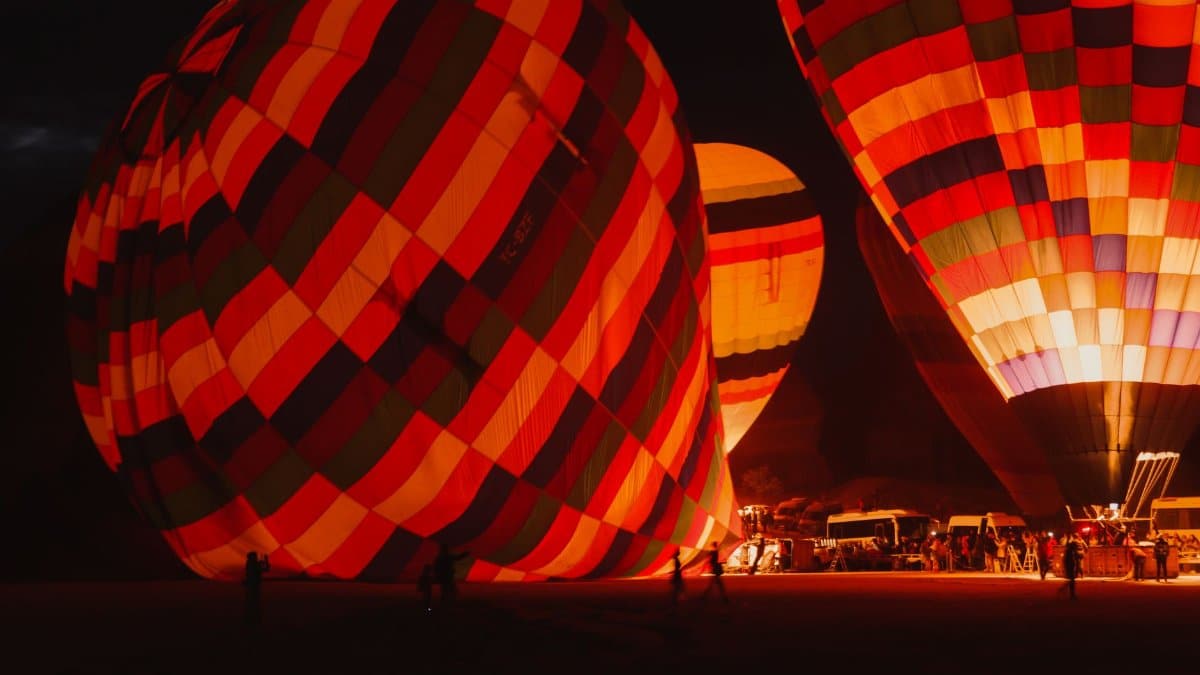
Plano still owns the image that travels farthest. Before the sun is fully up, crews spread envelopes of nylon across a wide park, and the field looks, for a while, like laundry on a scale no household could claim. Then the burners start. The sound is blunt and close, more workshop than spectacle, until the shapes lift and the workshop becomes a sky.
Hot air balloons reward the people who accept an early alarm. By midmorning the light hardens, the wind has opinions, and the show either continues or it does not. Organizers cannot negotiate with a gust. That uncertainty is part of why the event holds attention in a region that otherwise prefers a guaranteed outcome, a reserved table, a timed entry.
For visitors, the practical advice is dull and correct. Arrive with a chair you can carry, a layer you can remove, and no expectation that the schedule printed on a phone will survive contact with weather. Children do well if the morning is framed as a looking event, not a riding event. Most of the pleasure is on the ground, watching color assemble itself against a pale sky, then thin out as the balloons drift toward the horizon and ordinary Saturday resumes.
Little Elm and the pull of the water
Little Elm offers a different kind of fall gathering, one tied less to a single iconic photograph than to the lake that already organizes the town. Lewisville Lake is not a backdrop. It is the reason the shoreline fills, the reason parking becomes a topic of local conversation, and the reason an afternoon festival can feel like an extension of a Saturday that was already going to be spent outside.
Water changes the pace. People wander, stop, watch a boat they do not intend to board, and eat standing up. The programming matters, but so does the simple fact of a public edge where the city meets something larger than a parking lot. In September that edge is finally tolerable. July would have made the same stroll feel like a dare.
Families who live nearby often treat the weekend as a neighborhood errand with better food. Out of town guests should treat it as a destination with a clock. Lake festivals swell late in the day, when the heat drops and the light goes copper. Coming early is not only about parking. It is about seeing the place before it becomes a queue.
Grapevine when the harvest is the point
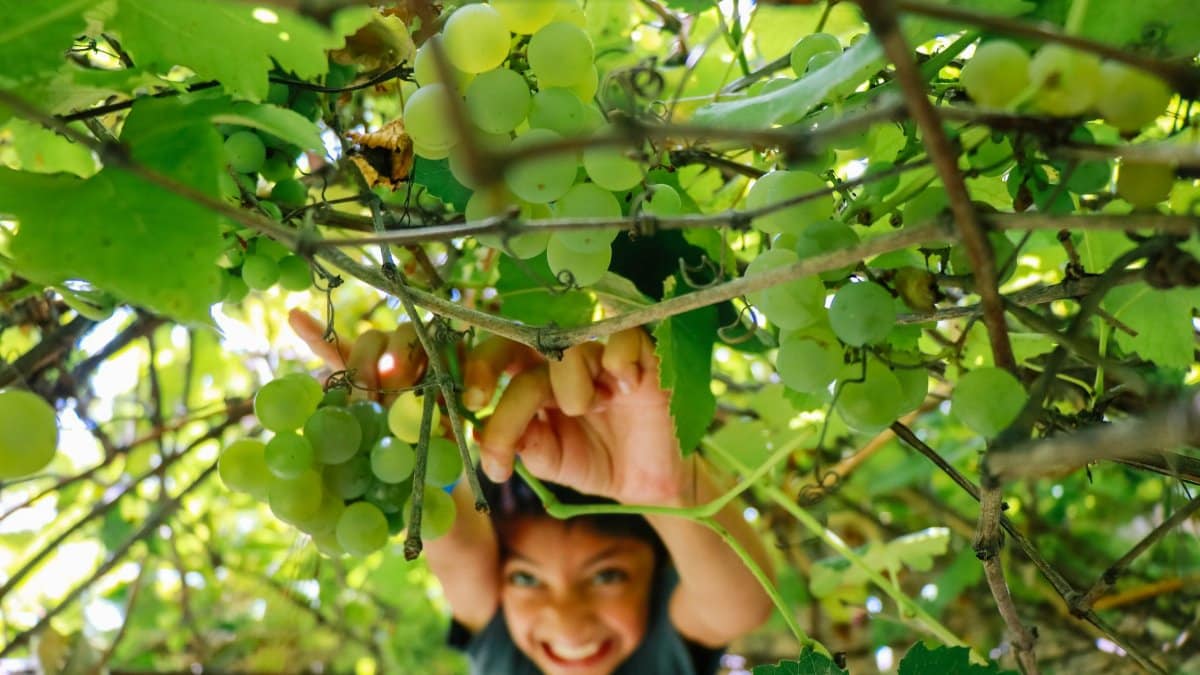
Grapevine has spent years teaching the region to associate September with grapes, historic streets, and the particular crush of a downtown that is charming until the sidewalks stop moving. The harvest festivals there are not subtle. They are built to be found: music within earshot of the square, vendors in rows, wine in plastic where glass would be a liability, and a steady stream of people who came for one band and stayed because leaving required a decision.
The town’s advantage is coherence. You can walk. That sounds minor until you have spent a morning at a balloon field where every comfort is a drive away. In Grapevine the bathroom, the shade, the second snack, and the train tracks are part of the same small geography. Parents of small children notice this before anyone else does.
The risk is saturation. A harvest festival can tip from pleasant density into a slow shuffle in which no one is quite watching the stage and no one is quite leaving. The locals who enjoy it most tend to arrive with a limit already chosen: one set of music, one meal, one lap of the vendors, then home. The event will still be there tomorrow. The feet may not.
Color at the Arboretum
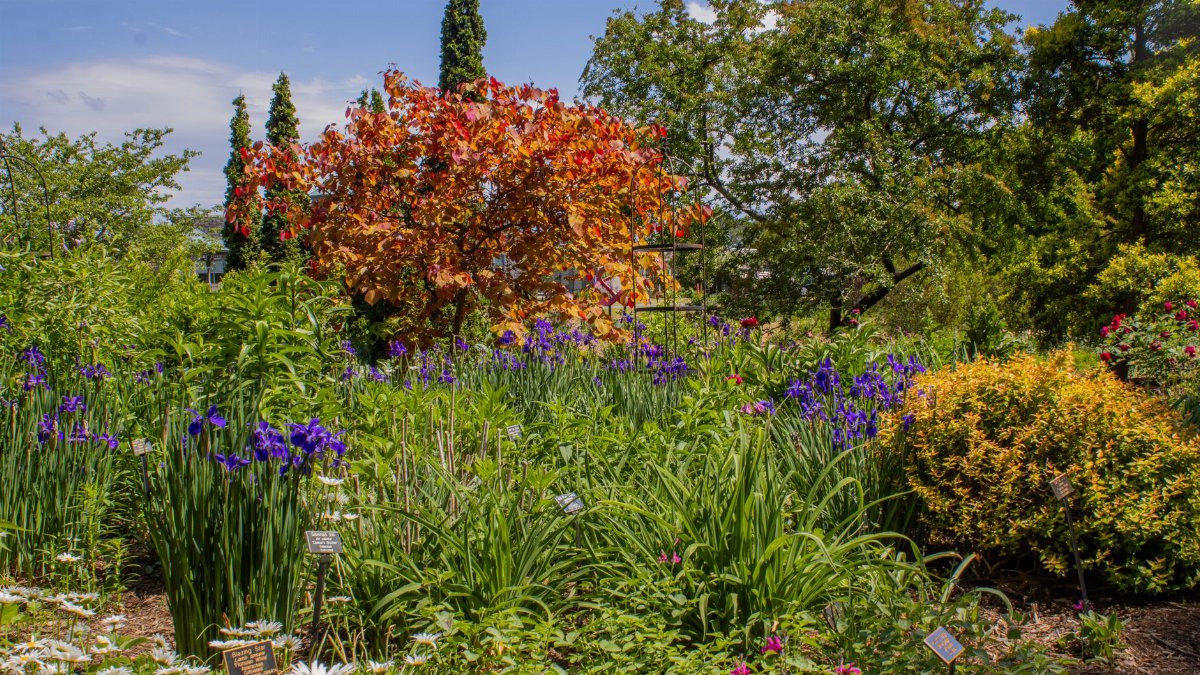
Between the town weekends and the fair, the Dallas Arboretum does the quiet work of making autumn visible in a climate that often refuses the assignment. North Texas does not reliably deliver the red hillsides people import from postcards. The Arboretum answers with design: pumpkins set in long rows, flowers chosen for the month, paths that turn a garden into a sequence rather than a lawn.
It is easy to dismiss a pumpkin display as decoration. Spend an hour there on a weekday morning and the dismissal gets harder to maintain. The crowds are real, especially once school groups and tour buses arrive, but the underlying idea is serious horticulture presented so that people who do not know a cultivar from a gourd can still feel the season change under their feet. That is a public service in a city where office towers and highway interchanges do most of the visual talking.
Tickets and timed entry have become part of the visit, and they are worth understanding before you go. The garden is not a park you wander into on a whim if you expect the full autumn layout. Plan it the way you would plan a museum: a specific hour, a willingness to look slowly, and an exit before the paths clog. The photographs are better when you are not apologizing your way through a stroller jam.
The fair still sets the clock
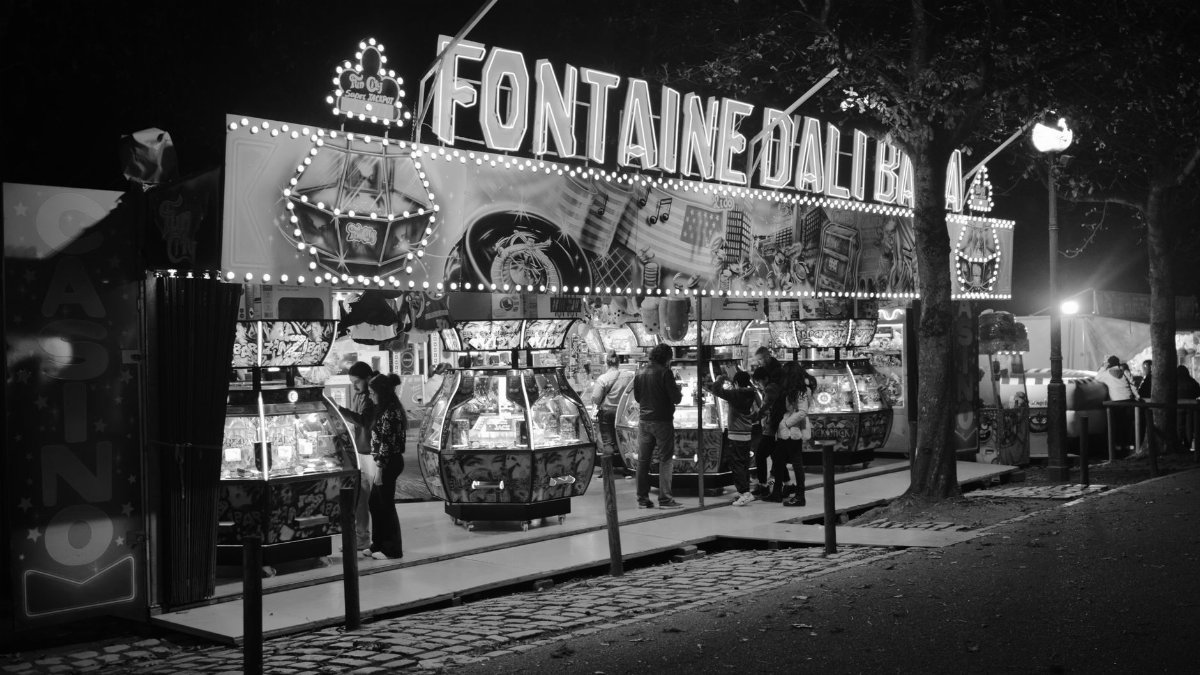
On September 25 the State Fair of Texas opens at Fair Park, and the regional conversation shifts. Smaller festivals do not vanish, but they start to orbit a larger object. Big Tex, the midway, the livestock barns, the auto show, the food that exists mostly to be photographed and then regretted: the fair is a city inside the city, and it runs long enough that procrastination feels rational until the final weekend arrives and the rational people are all in the same line.
The fair’s power is not novelty. Regulars can recite the route from the gate to Fletcher’s and the corny dogs without looking up. Its power is repetition. A child who went last year measures this year against a private archive of lights, noises, and the specific injustice of a game that did not yield a prize. Parents measure it against traffic on Robert B. Cullum Boulevard and the cost of saying yes twice.
Newcomers should pick a purpose. Livestock in the morning is a different fair from the midway after dark. The food is a tour, not a meal plan, unless you have the constitution of a dare. Comfortable shoes matter more than any preview article will admit. So does a meeting point that is not “by the ride,” a phrase that has ended more family outings than bad weather.
How a practical household builds the month
The people who look relaxed in October are rarely spontaneous. They chose one anchor weekend among the North Texas fall festivals, then built outward with mercy for naps, sports schedules, and the relative who visits only when there is something to do. A balloon morning pairs poorly with a late fair night. An Arboretum afternoon pairs well with almost anything that does not also require standing.
A workable September might look like this. Grapevine or Little Elm on the opening weekend, not both. Plano at dawn if the forecast is kind, with breakfast packed so the concession line is optional. The Arboretum on a Tuesday or Wednesday if work allows, because weekends there belong to everyone else. The fair on a weekday evening or a chosen Saturday, with a spending limit discussed in the car, not at the first booth.
None of that is romantic. It is how a large event calendar becomes a life instead of a list of things you meant to attend. The region will keep adding posters. Your September will not grow extra Saturdays to match them.
Money, lines, and the hours that work

Cost is the subject polite preview stories rush past. Parking, admission, a lemonade, a second lemonade, a ride that lasts ninety seconds: the total is not outrageous for a special day, and it is not trivial for a household that treats every weekend as special. The fair in particular can turn a casual yes into a budget conversation. Town festivals vary, but free admission rarely means a free afternoon once food enters the picture.
Lines are the other tax. They are shortest at opening and on weekdays, longest when the weather is perfect and social media has already declared the day a success. If you have flexibility, use it. If you do not, bring the mood you can actually sustain. Irritation is contagious in a queue. So is a grown person who has decided the wait is part of the outing rather than an insult.
Weather still edits the plan. September in this part of Texas can offer a cool morning and a harsh afternoon in the same stretch of hours. Shade, water, and a willingness to leave early are not signs of weak enthusiasm. They are how you get invited back next year by the people you came with.
What the season asks of a city
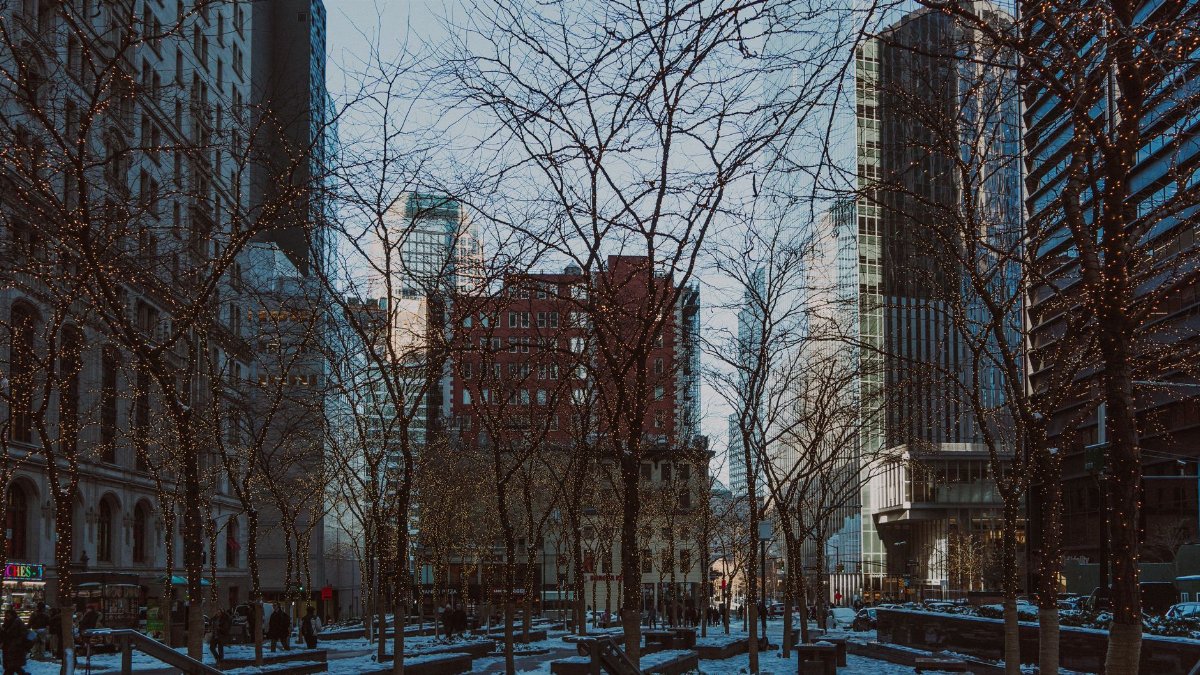
There is a temptation to treat all of this as entertainment inventory, a content calendar for a metro area that likes to prove it has things to do. The better description is civic. For a few weeks, people who otherwise share only a highway agree to stand in the same fields and parks and fairgrounds. They look up. They eat too much. They argue about parking and then do it again.
That is not a sermon, and it should not be forced into one. It is still a kind of shared attention, which is rarer than another festival flyer. North Texas fall festivals work when they give that attention a place to go: a lake edge, a balloon field, a garden path, the long walk across Fair Park under lights that make even a familiar skyline look briefly arranged for you.
The dates are simple enough to remember. September 17 to 20 belongs to Little Elm, Plano, and Grapevine. September 25 belongs to the fair, and to everyone who has been saying, since the first cool morning, that this year they will actually go. The season does not require all of it. It requires choosing, showing up, and letting a crowded public place do what private weekends rarely manage: remind a big region that it is, at least for an afternoon, in the same story.