

On a gray November morning in Seattle, a ballot can sit beside the coffee mug for days before it is signed, sealed, and dropped in a box down the street. That ordinary ritual is the whole of how Washington votes, and it is also the thing national lawyers keep trying to pull apart. A recent Supreme Court decision left Washington mail ballots in place, which local commentators have treated as a genuine win for a system that millions of residents already treat as normal. The relief is real. It is not the end of the argument.
A win that still feels provisional

The decision matters because Washington does not run a side program of absentee voting. Mail is the main path. Ballots go to registered voters. People mark them at home. They return them by mail or at a drop box. Counties then check signatures and tally the votes over a period of days. A court willing to leave that structure intact tells counties they can keep training staff, printing envelopes, and explaining the calendar without ripping up the playbook before the next cycle.
When Danny Westneat, writing in the Seattle Times, calls the outcome a win, he is not claiming that every critic has gone quiet. He is saying the core method survived a serious legal test. For a state that has lived with this method for years, survival is not a small thing. It keeps faith with voters who planned their lives around a ballot that arrives at the house. Relief, though, is a poor substitute for vigilance. A docket can close on Tuesday and open again on a new theory by Friday.
How Washington mail ballots became ordinary
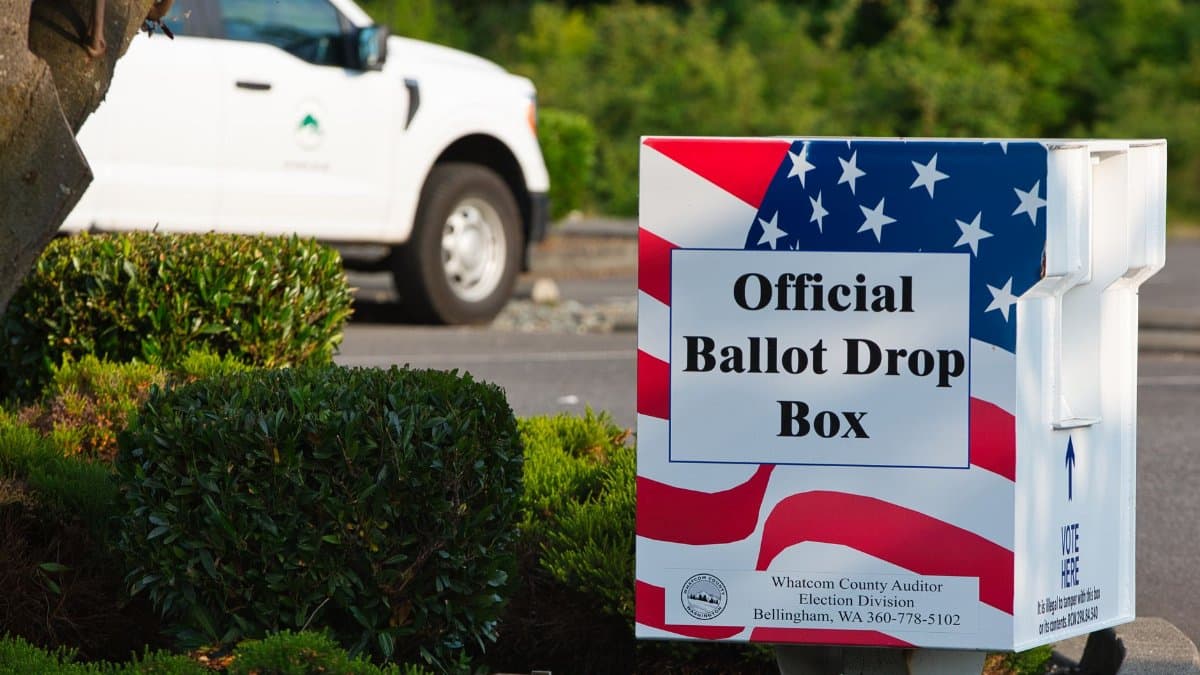
Washington moved in stages, county by county, until voting by mail was simply how elections worked. Older residents remember poll sites in school gyms. Younger voters have rarely stood in a long line on a Tuesday. The change was sold as convenience, but it was also a response to distance. A farm family east of the mountains should not have to lose a workday to reach a precinct. A night shift nurse in Tacoma should not have to choose between a shift and a booth.
Once the habit set, campaigns changed too. They chase ballots early. Parties track returns. Newsrooms explain that a lead on election night is not a finished count. None of that is glamorous. It is the machinery of a high participation state. Washington mail ballots are now closer to a utility than to an experiment, which is precisely why a courtroom loss would have felt like a rupture rather than a tweak.
What courts tend to examine

Judges in these fights rarely ask whether mail voting feels modern. They ask whether rules treat voters equally, whether deadlines are clear, and whether a state can verify identity without throwing out lawful votes. Signature comparison is the sore point. A hurried mark on an envelope can look unlike the mark on a registration card. Counties notify voters and offer a chance to fix the problem. Critics say the process is loose. Defenders say it is the only practical way to confirm a ballot that never passes through a polling place.
A ruling that upholds the system does not freeze every procedure. Legislatures can still tighten notice periods. Secretaries of state can still rewrite instructions. The constitutional floor is not the same thing as a permanent policy manual. That distinction is easy to miss in a headline and hard to miss when a clerk is training seasonal staff in January.
The national argument arrives anyway

Even a state with a settled practice sits inside a national argument. Candidates who lose close races look for a lever. Lawyers look for a plaintiff with standing. Activists look for a statute that can be read more narrowly than local officials prefer. Mail voting is an easy target because the count is visible and slow. People see trays of envelopes and imagine mischief, even when audits and observers are in the room.
I have covered enough election nights to know that delay reads as doubt on television, whether or not doubt is earned. That is a communications problem as much as a legal one. A court win does not automatically repair the picture in a viewer mind. The picture is built from clips, from partial totals, and from voices that profit when patience looks like weakness.
Drop boxes, postage, and the last mile

The romance of mail voting fades at the practical edge. A drop box on a rural road has to be secure, emptied on a schedule, and close enough that an older driver will use it. Postage rules have to be obvious. A ballot postmarked on time and arriving later has to be treated under a rule that clerks can apply the same way in every county. These are not abstract values. They are logistics, and logistics fail in public.
When fights return, they often return here, at the edge rather than at the center. Opponents may accept that a state may mail a ballot and still attack the hour when counting must stop, the days allowed to cure a signature, or the placement of a box near a campus. Each change sounds small. Together they can change who finishes the process. For Washington mail ballots, the last mile is where trust is won or lost, one emptied box and one cured signature at a time.
Trust as a public habit

Democracy asks for a kind of shared confidence that is easy to mock and hard to replace. You cannot see every signature check. You trust that bipartisan observers, paper records, and public canvassing boards are doing dull work in fluorescent rooms. That trust is not blind faith. It is a wager that institutions can be watched, corrected, and still believed.
Washington has paper ballots, which matters. A mail ballot is a document. It can be recounted. It can be audited. Voters who want more than reassurance can look at county reports and at the explanations published by the secretary of state on the elections pages at sos.wa.gov. Skepticism is healthy. Invented certainty is not. A spiritual hunger for purity in public life, the wish that a count be instantly clean and beyond argument, collides with the slower virtue of a record that can be examined.
Why a victory can still be incomplete

Westneat caution is the right size for the moment. A court can reject one theory and leave ten others alive. Congress can debate national standards. Statehouses in other regions can pass laws that activists will try to import. A presidential year raises the temperature even when the local rules have not changed. People hear a national slogan and assume it describes the envelope on their own table.
Voters should hear the win without hearing a lullaby. Protecting Washington mail ballots means funding the unglamorous work of notice, cure, and public explanation. Counties still need staff who answer the phone when a signature is questioned. Campaigns still need to tell people that a ballot left on the counter is a vote that never happened. Journalists still need to say, plainly, that a slow count is often a careful count.
What readers can watch next

The next fight will probably not announce itself as an attempt to abolish mail voting in one stroke. It will arrive as a bill about deadlines, a lawsuit about standing, a rumor about a drop box, or a demand that only ballots in hand by the close of polls may count. Readers can ask three plain questions. Does the proposal apply the same way in every county? Does it give a lawful voter a real chance to fix a mistake? Does it rest on evidence, or on a story about fraud that local audits have not supported?
Those questions are not partisan property. They are how a public keeps a system it already uses. They also separate a serious reform, such as clearer notice or better training, from a tactic meant to shrink the electorate by confusion. The difference shows up in who is helped and who is left holding an uncounted envelope.
The kitchen table test

Return to the gray morning. If the ballot on the table is lawful, understandable, and countable under stable rules, the state has done the basic work of self government. Washington mail ballots passed a hard legal test and remain the method most residents will use. The people who want a different method have not left the field. They will be back with new complaints, some serious and some theatrical.
A win is still a win. It buys time to explain the system, to fund the clerks, and to treat voters as adults who can handle a slow, documented count. The last fight is not over. It has only moved to the next docket, the next bill, and the next election night when patience will be asked for again. The mug will still be there. So will the argument.