
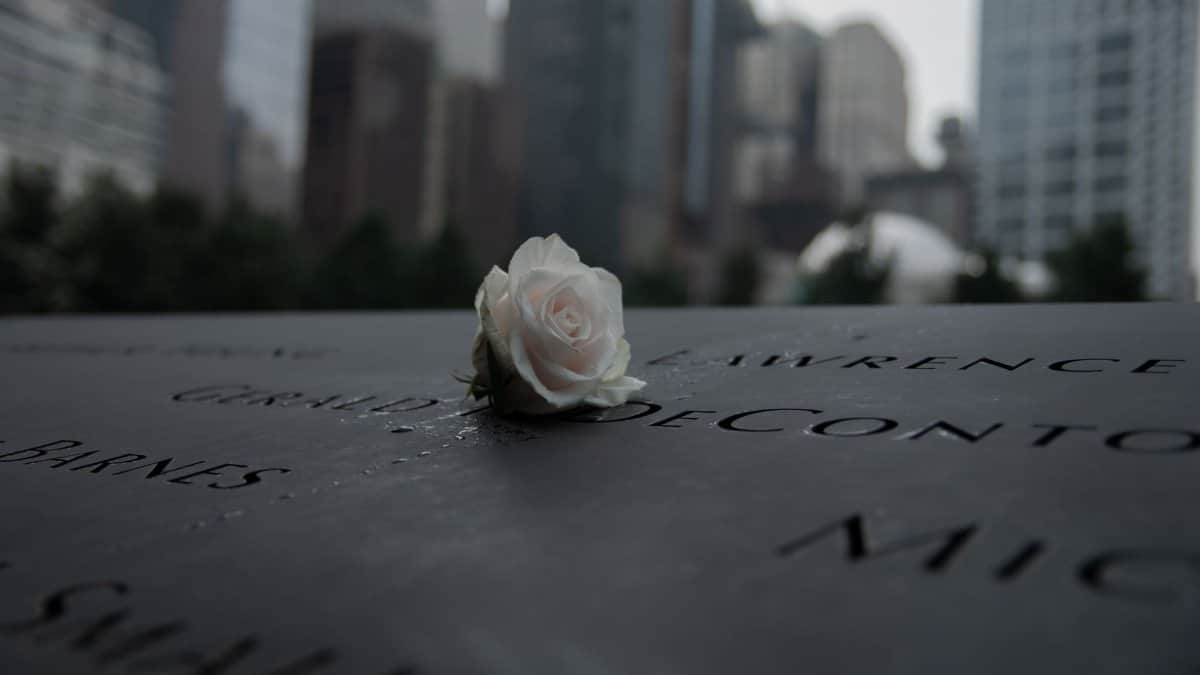
On a clear September morning, the water in the memorial pools kept falling, a steady sound under the names. In lower Manhattan, relatives stepped to the microphone in turn, some of them children when the towers fell, some of them not yet born. The same hours were marked at the Pentagon and in a Pennsylvania field. Across the country, the 9/11 25th anniversary arrived less as a headline than as a ritual: bells, silence, folded programs, and the difficult work of saying the dead correctly. A quarter century is long enough for memory to change hands, and short enough that many who were there can still describe the smoke.
A date that still organizes the year
September 11 has never settled into the background of the American calendar. It is not a holiday in the ordinary sense, and it is not only a news event. Offices stay open. Schools hold assemblies or do not. Houses of worship add a prayer to an ordinary weekday service. The day functions as a civic appointment, kept by people who lost someone and by people who did not, held together by a shared sense that absence should be named in public.
That appointment has changed shape. In the first years, the ceremonies carried the shock of recent rescue work, fresh grief, and a country still arguing over what the attacks required. By the 9/11 25th anniversary, the form had become familiar: moments of silence keyed to the times of impact, the reading of names, flags at half staff, and quiet at three sites. Familiarity is not the same as ease. A ritual can be well practiced and still costly for the people who perform it.
Names in the city where the towers stood
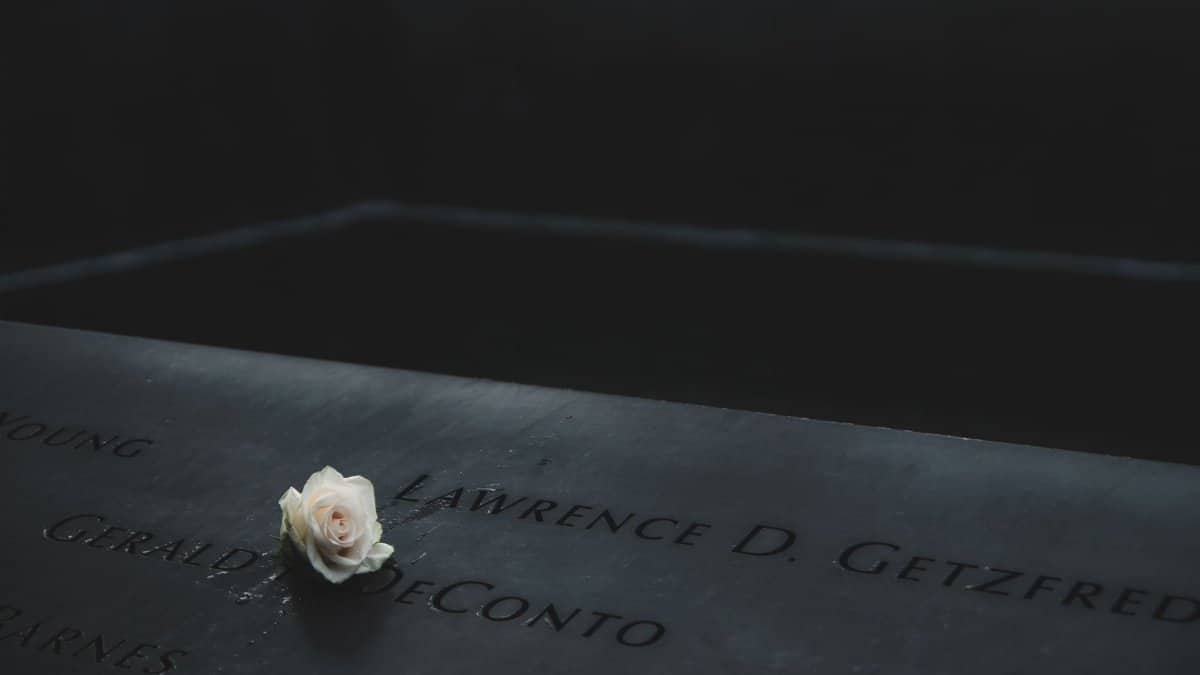
At the National September 11 Memorial in New York, the day still belongs first to families. The pools occupy the footprints of the towers. Bronze panels carry the names of people killed in the 2001 attacks and in the 1993 bombing. Readers move through the list in a set order, pausing when a relative asks to speak. The microphone is less a stage than a narrow passage. A person says a name, sometimes adds a sentence, and steps aside.
What strikes a visitor now is the range of ages at the railing. Parents who once spoke for young children now stand beside adult sons and daughters who have their own memories, or none. Nieces read for uncles they barely knew. Coworkers come in smaller groups than they once did. The city around the plaza is louder than it was in the first anniversaries, with ordinary traffic and ordinary errands pressing close to the edge of the ceremony. The contrast is part of the meaning. Life resumed. The list did not shorten.
Silence on the Pentagon lawn
In Arlington, the ceremony has always had a different register. The Pentagon is both a workplace and a military headquarters, and the memorial there sits beside a building that was repaired and returned to use. Benches honor the people killed on American Airlines Flight 77 and those killed inside the building. The geometry is plain. Each bench is oriented so that a visitor can tell, by the way it faces, whether the person died in the air or on the ground.
Service members, civilian employees, and relatives gather with a formality that fits the place. The language is careful. Speakers talk about duty, about colleagues who did not leave their desks, about a wound cut into a symbol of national defense. Faith leaders are often present, not as a chorus of certainty but as people asked to hold a short space in which grief and public duty can stand in the same hour. For many in uniform, the day is also a reminder that the wars which followed are now history to the youngest troops, even as the names on the benches remain specific.
A field and a decision

Near Shanksville, Pennsylvania, the Flight 93 National Memorial marks the place where passengers and crew fought the hijackers and the plane came down short of its intended target. The landscape is open. A wall of names faces the path of the flight. Visitors walk a distance that is meant to slow them. There is less urban noise here, and the quiet can feel more complete than silence staged in a city.
The story told at this site is about a few minutes in which ordinary people understood enough to act. Over 25 years, that story has been repeated in classrooms and at kitchen tables, sometimes flattened into a lesson about heroism and sometimes kept closer to the terror of a phone call. Families of the passengers have spent a generation correcting the record when it drifts. On the anniversary they do that work again, not as mythmakers but as people who want the names attached to real lives: a student, a business traveler, a flight attendant, a person who expected to land.
Nearly 3,000 lives, and the ones left
The number most often attached to the attacks, nearly 3,000 killed, is accurate and insufficient. It includes office workers, firefighters, police officers, emergency medical workers, cooks, traders, janitors, pilots, and passengers. It includes people from dozens of countries. It does not include the later deaths from illness among people who worked in the dust, a toll that families and advocates have fought to have recognized in law and in medical care. Any honest account of the anniversary has to hold both facts: the morning of the attacks, and the years of breathing that followed for those who searched and cleaned.
The living are not a single group. Some want the day kept spare. Some want more public teaching. Some are tired of being asked how they are, and some are afraid of being forgotten if they are not asked. Journalists who cover the ceremonies learn to stand back. The most useful reporting is often a record of who came, which names were spoken, and what a family asked the country not to smooth over.
Prayer without a single creed
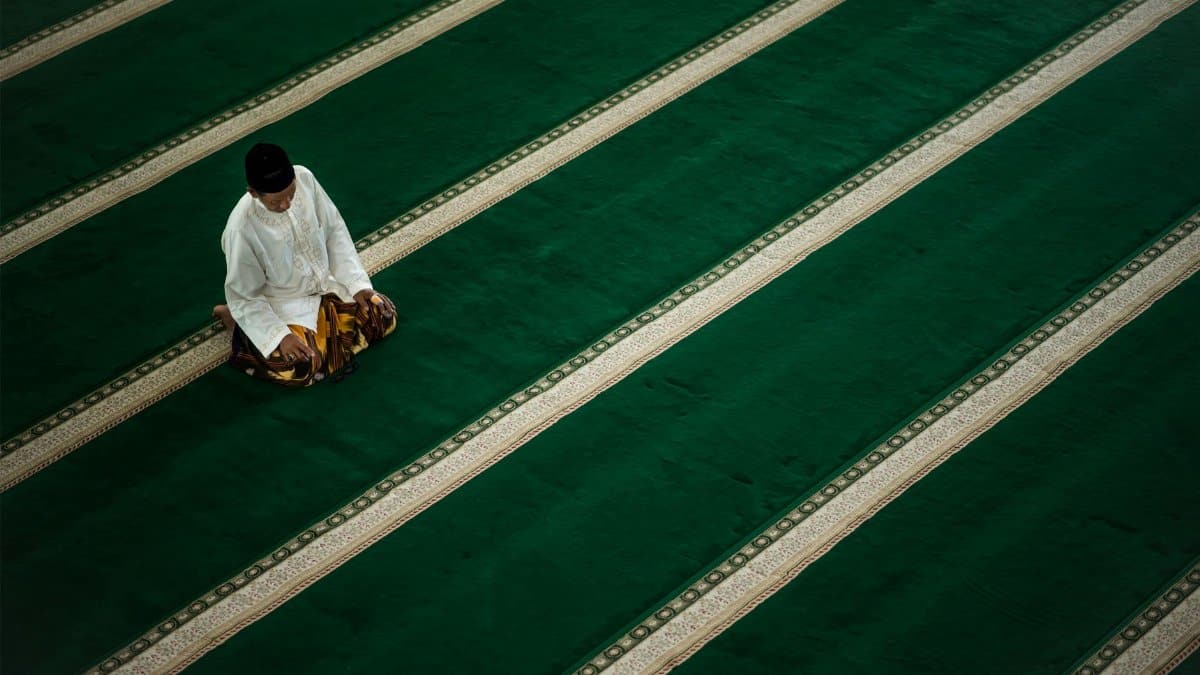
Because the attacks killed people of many faiths and of none, the religious response has never belonged to one tradition. Churches, synagogues, mosques, gurdwaras, and temples have held services on or near the date for a generation. In some cities an interfaith gathering is the main public observance outside the three memorial sites. A rabbi, an imam, a priest, and a lay reader may share a program. The risk of such gatherings is vagueness. The better ones do not pretend that all traditions say the same thing about death. They offer hospitality, a shared minute of quiet, and a refusal to let murder define a neighbor.
Clergy who have stayed with this work describe a shift. Early services carried raw fear, including fear of backlash against Muslim Americans, which was real and in many places vicious. Later services have had to address fatigue, polarization, and the temptation to use the dead as proof in an argument. A memorial prayer is not a policy brief. At its most serious, it returns attention to particular people and to the living who still set an empty chair.
What the young are asked to carry
A large share of Americans now in high school and college were born after 2001. For them, September 11 is inherited memory. Teachers face a practical problem. The attacks are too important to skip and too easy to reduce to a video and a slogan. Strong classes use documents, timelines, and survivor accounts, and they distinguish the events of that morning from the long arguments about war, surveillance, and immigration that followed.
Parents who lived through the day sometimes sit in those classrooms and realize their children do not share the sensory memory: the repeated footage, the empty sky, the phone lines that would not connect. Passing on a fact is simpler than passing on a feeling, and it is not clear that the feeling should be passed on intact. The task is narrower. Students should know what happened, who was killed, and how the country changed. They should also know that grief is not a lesson plan. The 9/11 25th anniversary made that gap visible, as ceremonies filled with people for whom the date is personal stood a short distance from a generation that knows it mainly as history.
Security, policy, and the limit of a ceremony

The attacks remade institutions. Airport screening, intelligence sharing, foreign wars, and a vast new security bureaucracy all trace part of their origin to that morning. A memorial service cannot adjudicate those choices. It can, if it is honest, refuse to treat them as sacred. Reasonable people still disagree about which responses protected the public and which caused harm that outlasted the threat they were meant to meet. Those disagreements belong in reporting, legislation, and scholarship. They do not belong as applause lines over a list of the dead.
That distinction is harder to keep in a loud political season. Campaigns have long reached for September 11 as a symbol of unity or of resolve. Families have often pushed back, asking that the day not be converted into a backdrop. On a 25th anniversary, the pressure to extract a moral is strong. The more durable public act is simpler: fund the care that was promised to the sick, maintain the memorials, and teach the record without turning it into a weapon.
The volunteers who know the route

Every year a quiet workforce makes the ceremonies possible. Docents learn pronunciations. Musicians rehearse pieces short enough to sit between names. Park staff manage crowds that swell and then vanish. In New York, people who have read names for years recognize one another. In Pennsylvania, volunteers direct cars down rural roads. At the Pentagon, protocol officers measure distances and timing so that a large institution can be still for a few minutes.
Their labor is easy to overlook because it aims at invisibility. A well run ceremony feels inevitable. It is not. It depends on lists checked twice, on water set out for readers, on a decision about what to do if a family cannot attend. Those choices are a form of respect. They say that the country can at least get the small things right when the large things remain unhealed.
Art, archives, and the problem of display
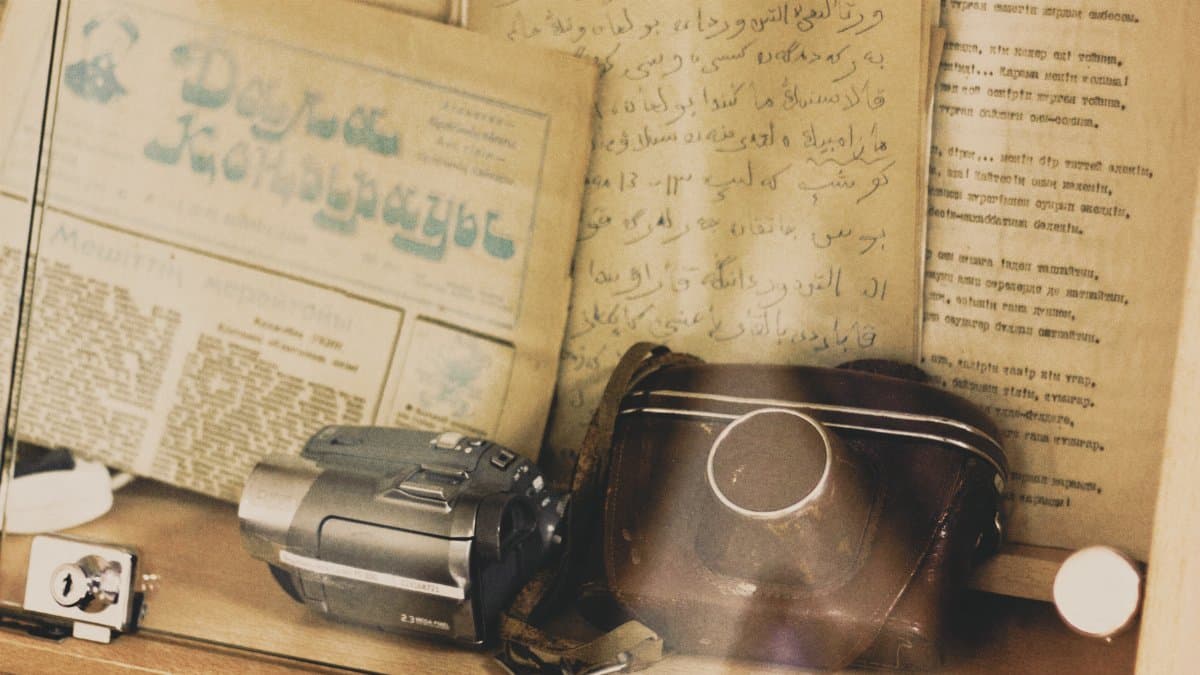
Museums attached to the memorials hold objects that are almost too intimate for a gallery: a pair of shoes, a voicemail transcript, a scorched identification card. Curators have spent 25 years deciding what to show and how long a visitor should be asked to look. The danger is spectacle. The other danger is abstraction, a hall of panels that explains strategy and forgets a receptionist.
Art made in response to the attacks has followed a similar tension. Some works have aged into public monuments. Others have been revised or retired as communities argued over whose grief was centered. An anniversary does not settle those arguments. It gives them a date. The healthiest cultural response may be the least grandiose: keep the oral histories, correct the captions, and let families decide which stories are ready for strangers.
Illness, care, and promises that outlast a morning

For responders and recovery workers, September 11 is also a medical date. Exposure to dust and fumes has been linked to cancers and respiratory disease. Federal programs now exist to monitor and treat many of those illnesses, after years of advocacy by people who were told, too early, that the air was safe enough. An anniversary that mentions only the morning of the attacks is incomplete. The aftermath is still arriving in examination rooms.
That fact gives the day a practical test. Speeches are inexpensive. Clinics, claims, and home care are not. Survivors’ groups have learned to treat commemorations as moments when the public might listen to a funding question it would rather file under history. Remembering, in this sense, is not a mood. It is a budget line and a doctor’s appointment that should not depend on the news cycle.
A quarter century on
Anniversaries invite round numbers and false closure. Twenty five years is not a completion. It is a point at which the country can see both proximity and distance. People who ran from the dust are in their fifties and sixties. Children born that year are adults. The buildings that replaced the towers are simply part of the skyline to anyone who did not watch the others fall. The memorials, if they are maintained, will outlast the generation that needed them first.
What remains worth doing is unglamorous. Say the names. Tell the difference between the three sites. Teach the sequence of events without a slogan. Support the sick. Resist the use of the dead as proof in fights they cannot enter. The 9/11 25th anniversary did not reveal a new national character. It showed an older habit, kept unevenly: gathering, reading, and leaving a record that the loss was specific. The water keeps moving. The list does not.