
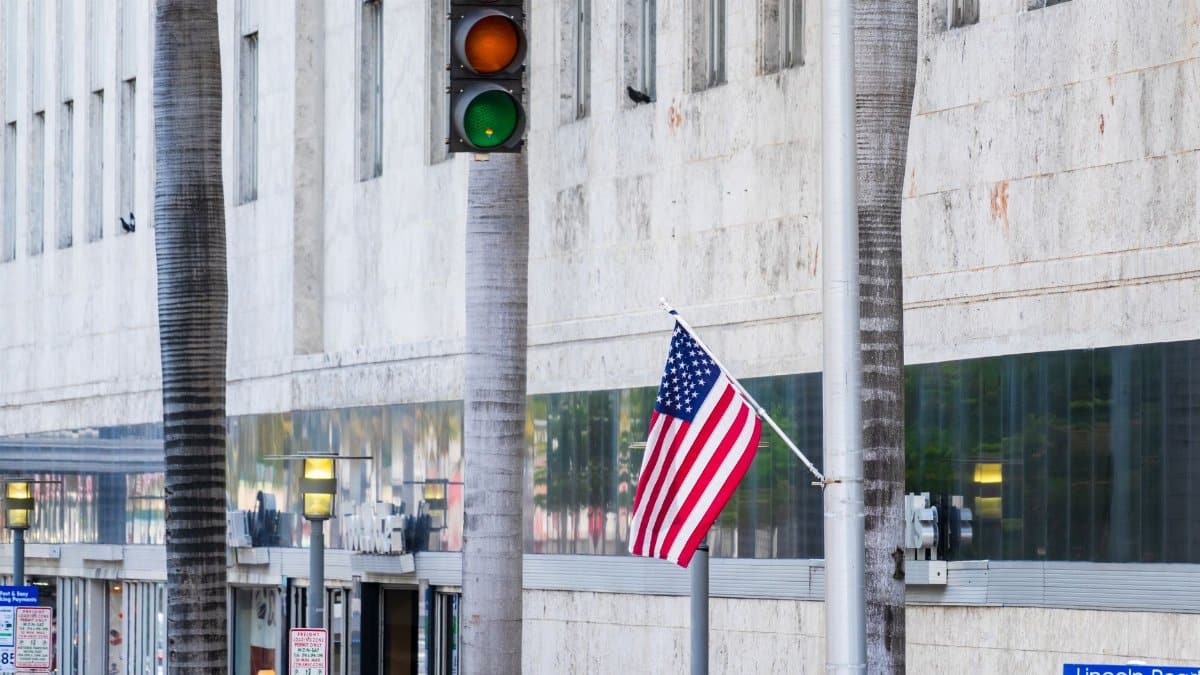
On a humid evening in Little Havana, a volunteer folded paper flags into a box that would not be used again next year. The parade committee had just learned that county sponsorship, once routine, now sat under a legal cloud. That cloud has a name in county memos and neighborhood group chats: Florida DEI law Miami-Dade boards. For readers who treat civic holidays as ordinary public life rather than ideology, the shift feels less like a seminar and more like a canceled table at the church hall.
What the purge actually reaches

The coming rules do not stop at university offices or corporate training decks. They reach the quieter machinery of local government: advisory groups that advise on festivals, small grants that underwrite a stage and a sound system, and boards that exist so immigrant and LGBTQ residents have a formal seat when the county plans a public calendar. Supporters describe the effort as a return to neutral government. Critics describe it as a purge that treats identity itself as a prohibited category. Both descriptions miss a practical point. In a county this large, identity is also how people find the right door at the right office.
State leaders have framed diversity, equity, and inclusion programs as political projects that sort residents by race, sex, or sexual orientation and then steer public money accordingly. The local consequence, as reported by the Miami Herald, is sharper than a slogan. Ethnic and LGBTQ advisory boards face closure. Some holiday and heritage grants face new tests that could strip public support even when the event is open to everyone on the sidewalk.
Link for the underlying local reporting: Miami Herald coverage of the county impact.
Boards that were never meant to be symbolic
Advisory boards rarely make headlines until they vanish. They recommend parade routes, flag missing translation at a clinic, and tell commissioners which neighborhoods still lack a Juneteenth gathering that feels like the county’s own rather than a private afterthought. Members are volunteers. Many are retirees, clergy, small business owners, and parents who already sit on three other committees. Their authority is modest. Their disappearance is not.
When Florida DEI law Miami-Dade boards becomes the operating rule rather than a talking point, those seats do not simply get renamed. They go away. A commission can still hold a hearing. It cannot pretend that a hearing replaces a standing group whose job was to notice what the general agenda skips. Neutral process, in practice, often means the loudest already organized interests keep their access and everyone else waits for a public comment slot that lasts two minutes.
Holidays are public infrastructure
A holiday on a county calendar is not only a mood. It is permits, police overtime, street closures, and sometimes a modest grant that lets a nonprofit rent chairs. Three Kings Day, the Haitian Flag Day gatherings, Pride events, Caribbean carnival weekends, and commemorations tied to Black history all depend on that boring stack of approvals. Remove the grant and the event may survive on private donors. Remove the board that knew which blocks flood and which elders need shuttle service, and the event gets smaller, later, or less safe.
Faith communities sit in the middle of this argument more often than the statute writers seem to expect. Many heritage days begin or end in a church, a mosque, a synagogue, or a temple. A pastor lending a parking lot is not running a diversity office. Yet if the county’s test for funding asks whether an event “advocates” for a protected class rather than whether it is a lawful public celebration, religious hosts will feel the chill along with secular ones. Spiritual life in this county has always been public facing. The law does not have to mention God to rearrange the church steps.
How a grant becomes a legal risk
Grant language is where ideology becomes accounting. A nonprofit that once described its mission as serving Cuban elders, Black youth, or LGBTQ seniors may now be told that those words are a liability if public dollars are attached. Lawyers will advise softer phrases: “all residents,” “countywide,” “culture.” Some of that editing is harmless. Some of it erases the reason the group exists. A food pantry that specializes in Haitian Creole intake is not bigoted for saying so. It is competent.
The fear among charity directors is not only lost checks in 2027. It is the audit that arrives two years later and treats ordinary mission language as evidence of a prohibited program. Small organizations cannot afford that fight. They will self censor first. That is how a statute changes behavior without a single dramatic vote at the county dais.
The case for a narrower government
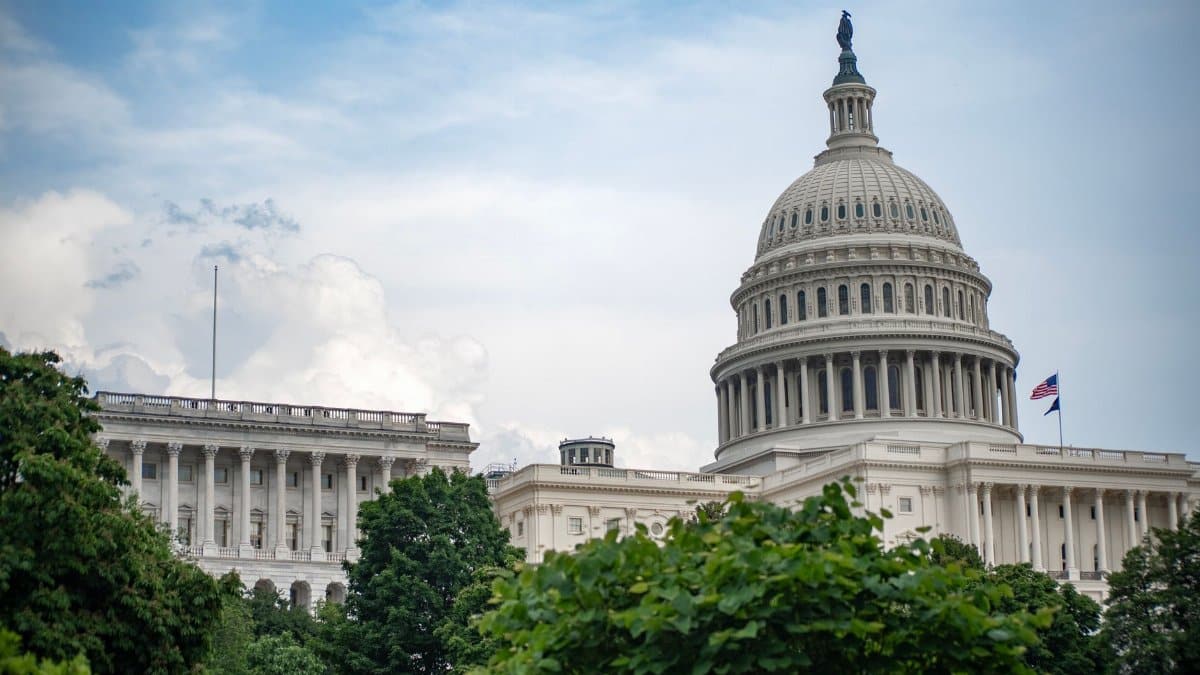
It would be dishonest to pretend the other side has no argument. Public money is coercive in the mild sense that everyone pays. Residents who reject race conscious contracting, or who believe sexual orientation should not organize a county board, have a right to say so at the ballot box and in the legislature. Florida’s political majority has been clear for several cycles that it wants state and local government out of what it calls social engineering. A legislature that can create a board can abolish one. That is ordinary democratic power, not a coup.
The stronger version of the argument says advisory bodies sorted by ethnicity or sexuality teach the public that government sees groups before it sees citizens. If that is the harm being targeted, a clean repeal of those boards follows. The weaker version lumps a Pride flag rental with a discriminatory hiring quota. Those are not the same act. Conflating them is how a popular limit on bureaucracy becomes an unpopular limit on parades.
What Miami Dade loses when the lists go blank
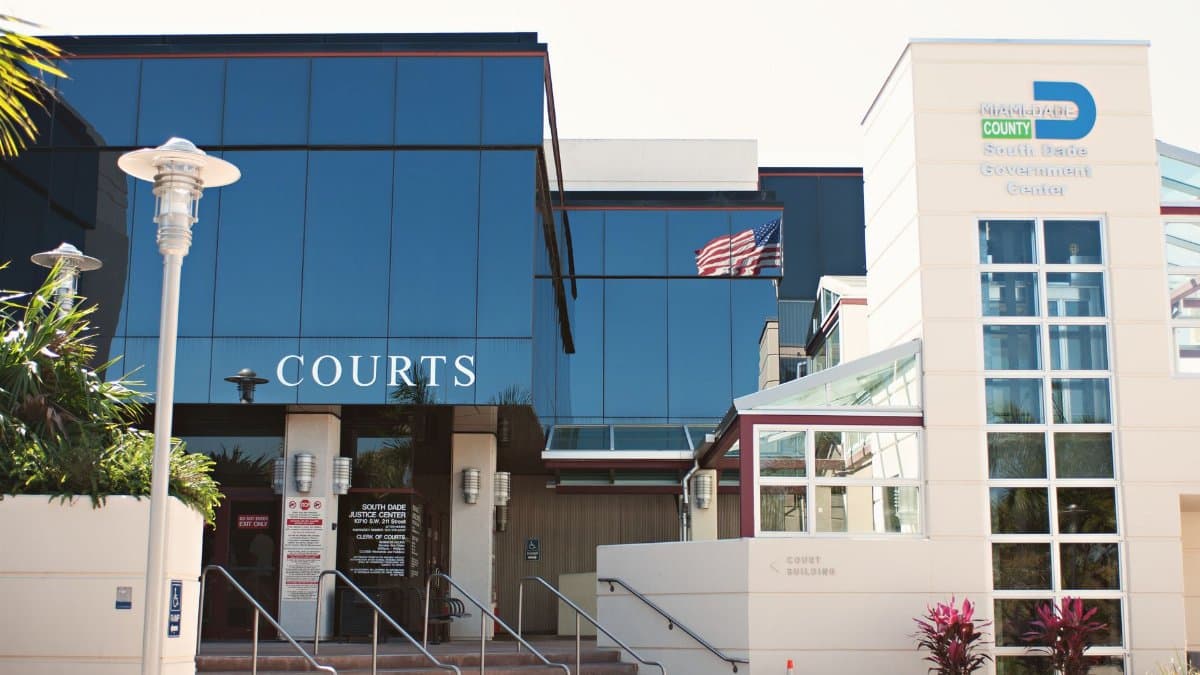
This county’s political talent has long come from ethnic civic life. People learn Roberts Rules at a Colombian American association, then run for a community council, then for the commission. LGBTQ boards have been pipelines too, especially for younger residents who do not inherit party machines. Shut those doors and politics does not become more universal. It becomes more dependent on donors, consultants, and incumbents who already know the building.
There is also a spiritual loss that does not show up in a fiscal note. Public ritual is how strangers practice belonging without joining a party. A procession, a vigil, a flag raising on a weekday morning: these are thin ceremonies, and they matter because they are thin. They ask little and give a shared hour. When Florida DEI law Miami-Dade boards is enforced as a ban on the institutions that organize those hours, the county does not become neutral. It becomes quieter in the specific neighborhoods that needed the microphone.
Commissioners and the art of compliance
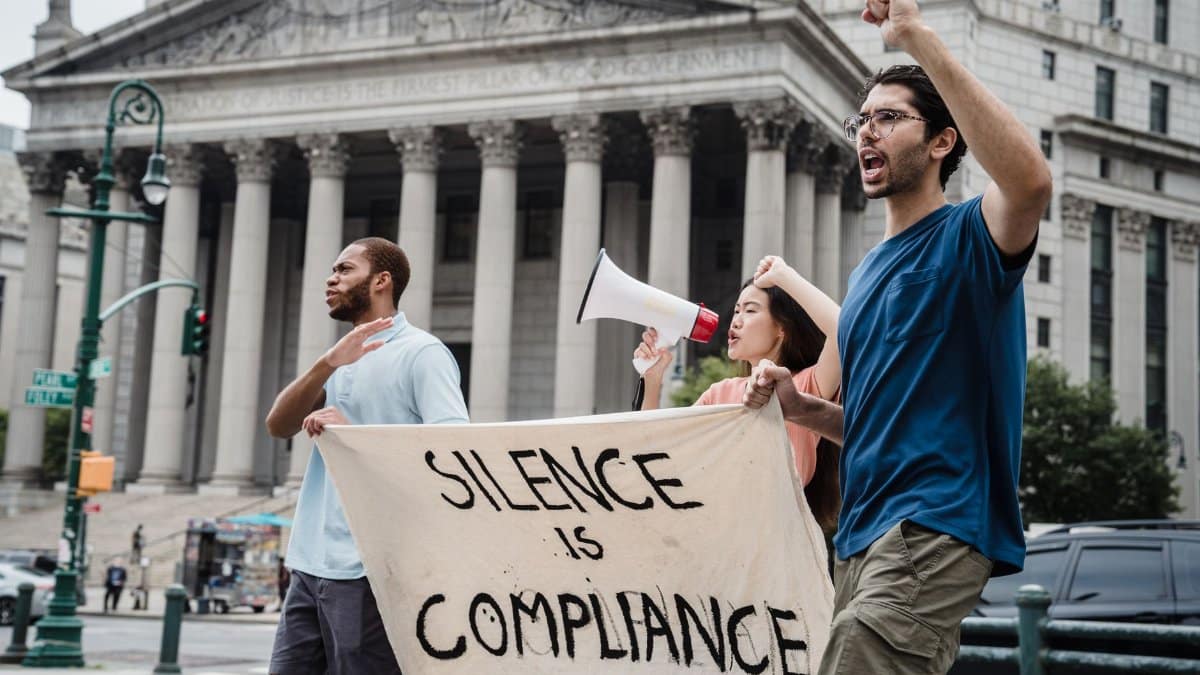
County attorneys will spend the next year translating state language into local procedure. Expect three moves. First, a sunset schedule for boards whose charters mention race, national origin, or sexual orientation. Second, a rewrite of grant applications so cultural events must prove they do not prefer one community. Third, a safe harbor for holidays that officials can defend as historical rather than identitarian, a line that will be litigated in press releases long before it is litigated in court.
Commissioners who represent immigrant districts face a brutal retail problem. Their voters will ask why a festival that ran for decades is suddenly ineligible while a generic “heritage” fair with no particular heritage still gets a tent. Commissioners who ran against DEI will face the opposite demand: no exceptions, even for events their own donors love. The law’s clarity is political. Its administration will be full of exceptions, delays, and quiet workarounds. That is not corruption by default. It is what happens when a statewide theory meets a county that contains many nations.
Charities will not wait for a lawsuit
Large hospitals and universities have compliance shops. A volunteer festival committee does not. Directors I have watched in other Florida fights do not hire constitutional lawyers. They call a board chair and ask which sentence to delete from the website before the next application cycle. The rational charity will split programs: private money for the specific community, public money for a bland countywide label. Some will refuse public money altogether and shrink. A few will sue, and those cases will take longer than a grant year.
Readers should watch the small print on tourism and cultural affairs budgets, not only the headlines about board abolition. That is where holiday grants live. If the line item survives but the eligibility rules tighten, the purge will look like continuity. The stage will simply belong to whoever can fund it without the county.
A test that is not only partisan

National coverage will file this under red state culture war, and that file is not empty. It is also incomplete. Black, Cuban, Haitian, and Jewish civic groups in this county do not share one party. LGBTQ residents do not share one theology. A law that shuts boards by category will injure Democrats and Republicans who happen to organize as Dominicans, as Catholics marking a saint’s day with a public procession, or as parents who want a county liaison for transgender youth in foster care. The injury is civic before it is partisan.
Spiritual leaders who stay out of electoral politics still have a stake. If the only lawful public celebration is one that claims no particular people, then particular people will celebrate in private and resent the square. Pluralism is not a DEI workshop. It is the old American bet that the government can host many festivals without endorsing every creed those festivals imply. Florida DEI law Miami-Dade boards puts that bet on a timer.
What residents can still do

None of this requires a manifesto. Residents can read the grant guidelines when they are posted and ask, in plain language, whether an open street festival fails the test because its founders share a language. They can show up when a board is scheduled for abolition and say what that board actually did last year, with dates and tasks, not slogans. They can fund the events they love with their own money if public money becomes a trap. Private generosity is not a substitute for fair public rules, but it is a way to keep a ritual alive while the rules are fought.
Journalists and congregants alike should demand distinctions. A ban on race exclusive contracting is a different policy from a ban on a Haitian Flag Day grant. A ban on ideological training in schools is a different policy from erasing an LGBTQ liaison that helps a teenager find a shelter bed. If lawmakers want the first and not the second, they should write it that way. If they want both, they should say so without hiding inside the word neutrality.
The year the calendar thins

By the time the 2027 rules are fully in force, the county calendar may still list major federal holidays and a handful of events too large to ignore. The losses will be at the edges, which is where most people actually live. A missing advisory seat. A grant scored down because the application named the community it serves. A church that stops requesting a street closure because the form now reads like an accusation.
Florida DEI law Miami-Dade boards will be remembered less as a theory of equality than as a change in who gets to plan the public day. The volunteers folding flags already understand the stakes. They are not asking the state to believe what they believe. They are asking whether a county this crowded can still make room, in its official hours, for the holidays and the boards that taught it how to share a street.