

On a gray morning along the Delaware, the argument is not abstract. It rides in packer trucks bound for the Philadelphia trash incinerator in Chester, a plant that has burned the city’s waste for years while neighbors have asked why their air should carry the load. As Council returned to session, members found two visions waiting: one that would keep the burners running under a fresh deal, and one that would treat the contract as a mistake the city can no longer afford to renew.
A chamber split before the gavel falls

The divide is not a surprise to anyone who has watched sanitation politics in this city. Mayor Cherelle Parker wants a new agreement with Reworld, the company that operates the Chester plant once known as Covanta. Supporters say the alternative is trucks wandering farther, costs climbing, and trash sitting where it should not. Critics on Council see a vote that would lock Philadelphia into burning waste in a small river city that has already hosted more industry than fairness would allow.
Neither side is pretending the choice is clean. Philadelphia produces an enormous stream of household waste, and the region has few places willing to take it. What has changed is the patience of residents who live downwind, and the willingness of some legislators to say that a convenient contract is not the same thing as a just one.
What Chester has carried for decades

Chester sits a short drive from Center City and a long way from the political comfort of a renewed contract. The plant rises near neighborhoods that have absorbed refineries, waste facilities, and highway exhaust while watching wealth pass by on the way to other towns. Community groups have spent years arguing that incineration is not a neutral technology when it is concentrated in one place, year after year, beside homes, schools, and churches.
The Philadelphia trash incinerator is not merely a disposal site in their telling. It is a symbol of how a large city solves a problem by exporting it. That framing has moved from protest signs into hearing rooms, and it now sits on the desks of members who must decide whether loyalty to a working system outweighs a record of complaint that has not gone away.
The mayor’s case for staying with Reworld

Parker’s administration has framed a new Reworld contract as the responsible path for a city that cannot wish its garbage into a better technology overnight. Sanitation is one of the few services residents notice the morning it fails. A lapsed deal, in this view, risks higher hauling bills, uncertain landfill access, and political blame that lands on whoever is in office when the trucks have nowhere to go.
Allies of the mayor also note that incineration reduces the volume of material that would otherwise occupy land. They argue that modern controls, regulatory oversight, and a negotiated contract can limit harm better than a rushed breakup. For a mayor elected in part on order and basic services, an interrupted waste system is not an academic risk. It is a governing failure.
Council members who want a different ending
Other members hear that argument and still refuse it. They want the city to stop treating Chester as the default answer, even if the next answer is slower and more expensive. Some favor a shorter bridge arrangement rather than a long renewal. Others want firm deadlines for reducing what the city sends to burners, paired with tougher recycling rules and a public accounting of where every ton goes.
Their political calculation is straightforward. A vote to extend incineration will be remembered in Chester and in Philadelphia districts where environmental justice has become a test of seriousness. A vote to walk away without a workable plan will be remembered the first week the trash backs up. The duel is between those two memories.
Lawyers, storage, and the fine print

The Law Department has become part of the story because contracts of this size do not live or die on speeches. Lawyers must say what the city can sign, what it can reject, and what happens if negotiations stall. Storage is the quiet clause that frightens operators and residents alike. If waste cannot move to Chester on the usual schedule, where does it wait, for how long, and under whose permit?
Those questions sound technical until a hot week arrives. Stored trash draws pests, odor complaints, and neighborhood anger faster than any white paper. Council members pressing the administration want written answers before they are asked to bless a deal. The administration, for its part, does not want legislative conditions that make a vendor walk or a landfill bid collapse.
Health fears that will not stay in the footnotes

No one in this debate can claim the air around an incinerator is a minor detail. Advocates have long tied the Chester plant to worries about particulate pollution and respiratory illness in a city already burdened by industry. City officials and the company have pointed to permits, monitoring, and emissions controls as evidence that the facility operates within the law.
Readers looking for a single study that settles the argument will not find one that both sides accept. What they will find is a pattern: communities closest to the stack ask for less burning, while officials responsible for citywide pickup ask for a system that does not fail. The Philadelphia Inquirer has tracked the political fight as Council weighs law, storage, and the Chester contract, a record available at https://www.inquirer.com/politics/philadelphia/city-council-trash-incinerator-law-department-storage-20260917.html.
The money that makes idealism expensive

Every alternative has a price, and Philadelphia is not a city with spare millions hiding in a drawer. Longer hauls to distant landfills mean fuel, labor, and contracts that other counties can renegotiate when they grow tired of imported waste. Building new capacity inside the city would face land costs, neighborhood opposition, and years of permitting. Expanding recycling sounds virtuous until contamination rates and weak markets for recovered material enter the spreadsheet.
Reworld’s leverage is that leverage. The company offers a known address for a known volume. Critics say that convenience has a moral markup the budget never prints. Supporters say moral arguments that ignore tonnage are how cities end up with illegal dumping and emergency contracts signed in a panic.
What residents actually asked to hear
In hearing rooms, the requests have been plainer than the legislative language. People from Chester want the burn rate to fall and the secrecy to end. Philadelphia residents want their corners picked up on time and do not want to subsidize a plan that collapses in six months. Both groups are tired of being told the other group does not understand complexity.
A useful Council debate would put those requests on the same page: public reporting of tons burned, emissions data in language a neighbor can read, a schedule for reducing reliance on the plant, and a backup plan that does not mean piles of bags behind a transfer station. Without that page, the duel stays theatrical.
Why a new contract is not the old contract
Even members open to Reworld are unlikely to accept a photocopy of the last deal. Leverage cuts both ways when a mayor needs votes. Conditions could include shorter terms, exit ramps, penalties for missed environmental benchmarks, and money directed to communities nearest the stack. A contract can also require the company to cooperate with waste reduction programs rather than treat every diverted ton as lost revenue.
Whether those conditions are real or decorative will decide the politics. A long renewal dressed up with soft promises will look, to opponents, like the Philadelphia trash incinerator under a new cover sheet. A short deal with measurable cuts could give Parker continuity and give critics a path they can defend at home.
Landfills, recycling, and the myth of a pure option
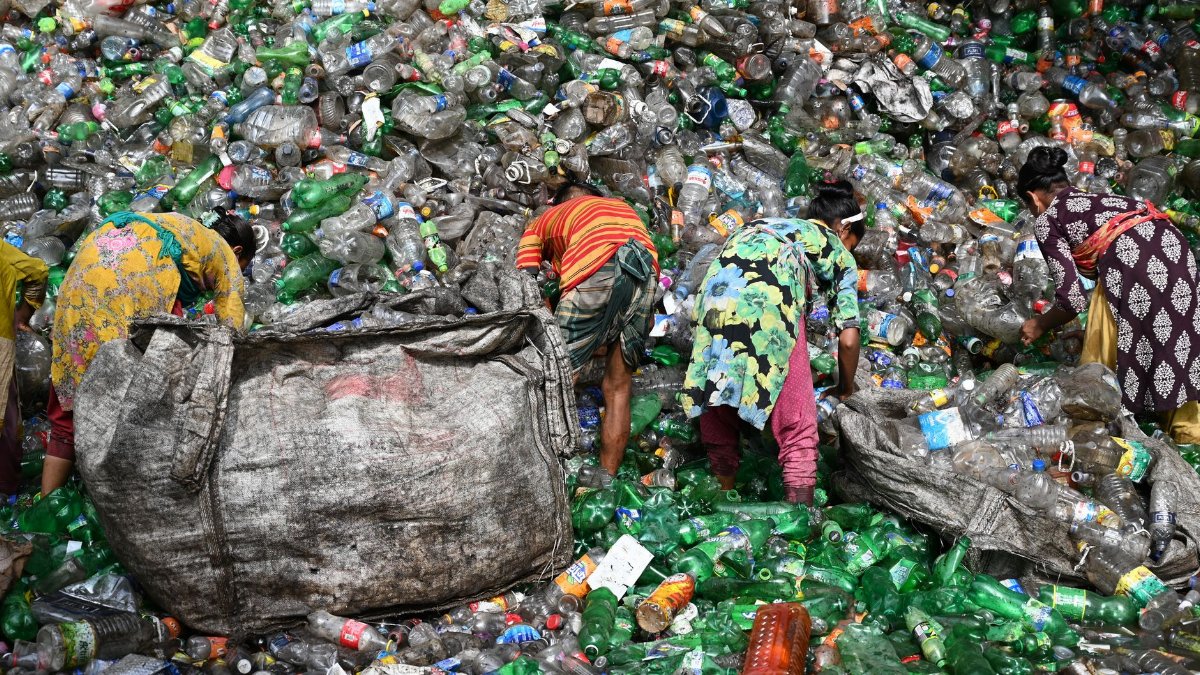
Walking away from incineration does not deliver a spotless conscience. Landfills leak, truck more miles, and often sit near communities with little power to refuse them. Recycling depends on what people put in the bin and what buyers will take. Organics programs can shrink the stream, but they need trucks, sites, and habits that a single ordinance cannot create by autumn.
The honest version of the debate admits that Philadelphia is choosing among harms, not between harm and innocence. That admission should not become an excuse for the status quo. It should force the city to rank harms in public: whose lungs, whose budget, whose neighborhood, and for how many years.
The regional politics nobody can vote away

Chester is not a Philadelphia ward, and that fact shapes every speech. Council can pressure a mayor. It cannot annex another city’s zoning map. Delaware County officials, state regulators, and the company all hold pieces of authority that a Philadelphia ordinance cannot erase. A Council plan that ignores those actors will read well and fail in practice.
Regional waste planning has been the missing institution for a generation. Towns compete to avoid facilities and then complain about the town that lost the competition. Until counties share the burden with rules stronger than courtesy, the plant in Chester will remain the path of least resistance for a city this large.
How the vote may actually unfold

Expect amendments, delays, and a search for a majority that can survive both a press conference and a sanitation crisis. Members closest to the mayor will stress reliability. Members closest to environmental advocates will stress Chester. A middle group will ask for numbers: cost per ton under the proposed deal, cost per ton under the alternatives, and the legal risk if storage rules are tightened faster than capacity can move.
If the Law Department signals that a hard no leaves the city exposed, moderates may accept a bridge contract. If lawyers say the city can pause without chaos, the opponents gain a week they did not have last session. Procedure, more than rhetoric, may pick the winner.
A test bigger than one plant

This fight will be cited the next time Philadelphia asks a poorer neighbor to host something the city needs and does not want nearby. Prisons, shelters, transfer stations, and power equipment all travel the same political road. How Council treats the Philadelphia trash incinerator will tell those neighbors whether testimony changes outcomes or only fills the calendar.
Parker has staked a claim on competent basics. Council has staked a claim on not rubber stamping the easiest disposal deal in the region. Both claims can be true only if the final plan keeps the trucks moving and gives Chester a future with less smoke in it. Anything less is a truce that smells like the last contract.