
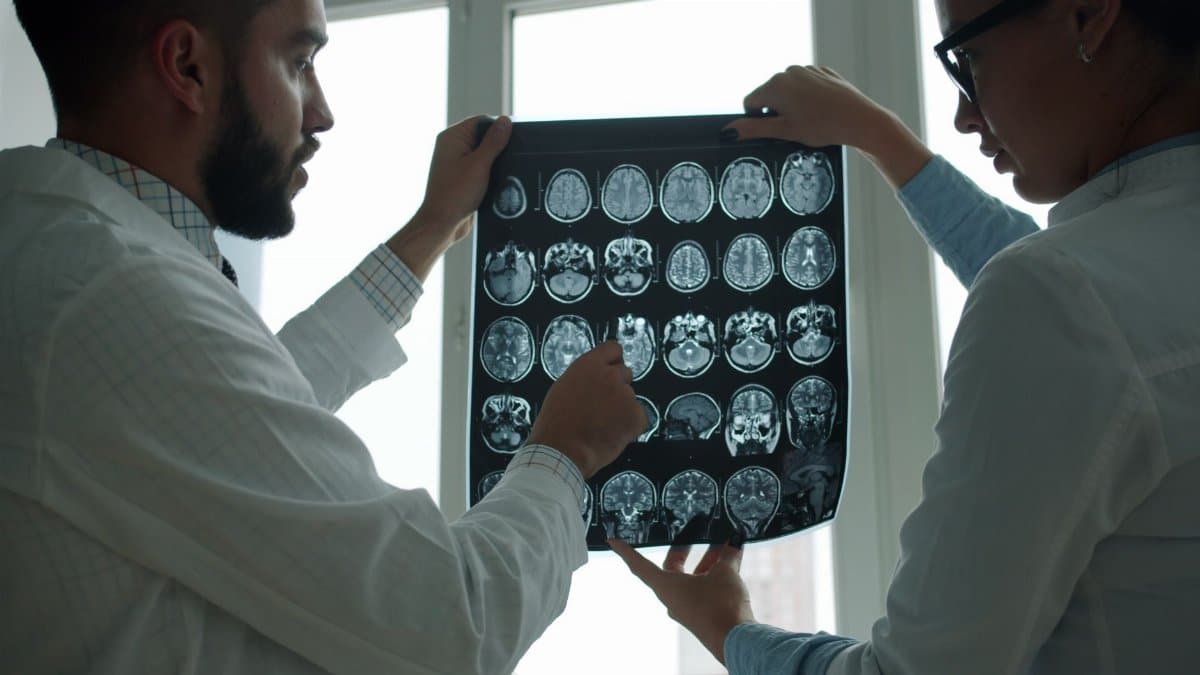
On a Tuesday morning in a Bay Area newsroom, a health desk editor circled a sentence that sounded almost too tidy. Stanford researchers, the dispatch said, had watched human cells sort themselves toward the front and back of the brain as if the map were drawn earlier than textbooks usually admit. The phrase Stanford brain development has a way of promising drama, yet the finding itself is quieter. It suggests that forebrain and hindbrain lineages may not emerge from one uniform starter pool. They may begin as two distinct early populations. For anyone who has sat with a child learning to speak, or with a parent losing words, that small revision in the opening chapter matters more than the headline glow.
A quieter origin story than the headlines imply

Most readers meet brain science through illness, school struggles, or the fear that a scan will explain a life. The new report begins further back, before personality, before memory, before the first kick that a parent remembers. According to an account in the San Francisco Chronicle, Stanford scientists working with human stem cells found signs that cells destined for the forebrain and cells destined for the hindbrain may arise from two separate early groups rather than from one shared crowd that later splits.
That is a claim about sequence, not about destiny. It does not say who a child will become. It says the embryo may assign front and rear territories sooner, and with more separation, than a simple branching diagram suggests. In journalism, the temptation is to treat any early split as a verdict. In the lab, it is a correction to a cartoon.
What the laboratory was actually watching
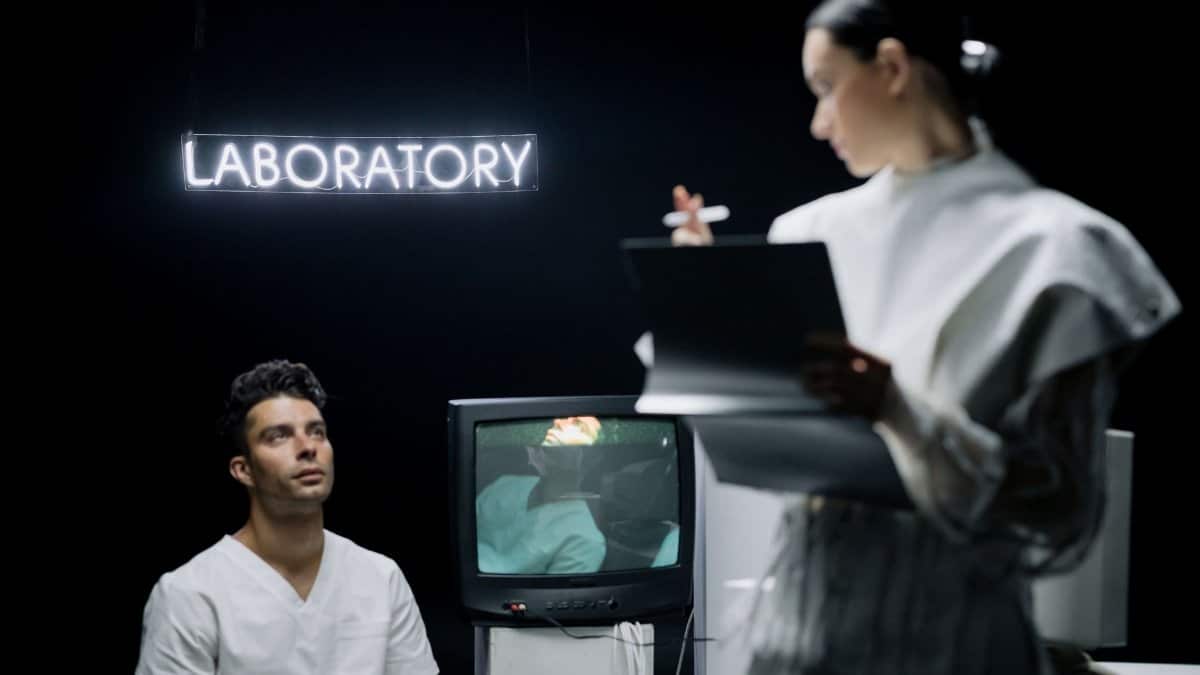
Stem cell work lets researchers observe human cells as they take on identities that, in a pregnancy, would be hidden inside the body and bound by strict limits on study. Scientists guide those cells with chemical cues, then read which genes switch on and which stay quiet. When forebrain like patterns and hindbrain like patterns appear from different starting sets, the inference is that the split is not a late edit. It may be written into the opening cast.
The method is powerful and also artificial. A dish is not a uterus. Timing, neighbors, and blood supply all differ. A careful reader should hear the word may in the finding and keep it there. Stanford brain development research of this kind is an argument from models, not a film of a living embryo from first hour to birth.
Forebrain and hindbrain as separate beginnings
The forebrain, in ordinary language, is the region most people mean when they say the brain thinks. It includes territories tied to planning, language, memory, and the cortex that headlines love. The hindbrain sits farther back and lower in the classic map. It helps run balance, breathing rhythms, and the relays that keep the body in conversation with the world. Both are essential. Neither is a spare part.
If those regions recruit from two early populations, the practical lesson is about organization. Builders do not pour one slab and then carve a house and a bridge from the same pour if the materials were chosen separately from the start. Biologists have long known that the nervous system is regional. The newer suggestion is that the regional choice may be older, and cleaner, than many classroom charts imply.
Why the question waited for stem cells
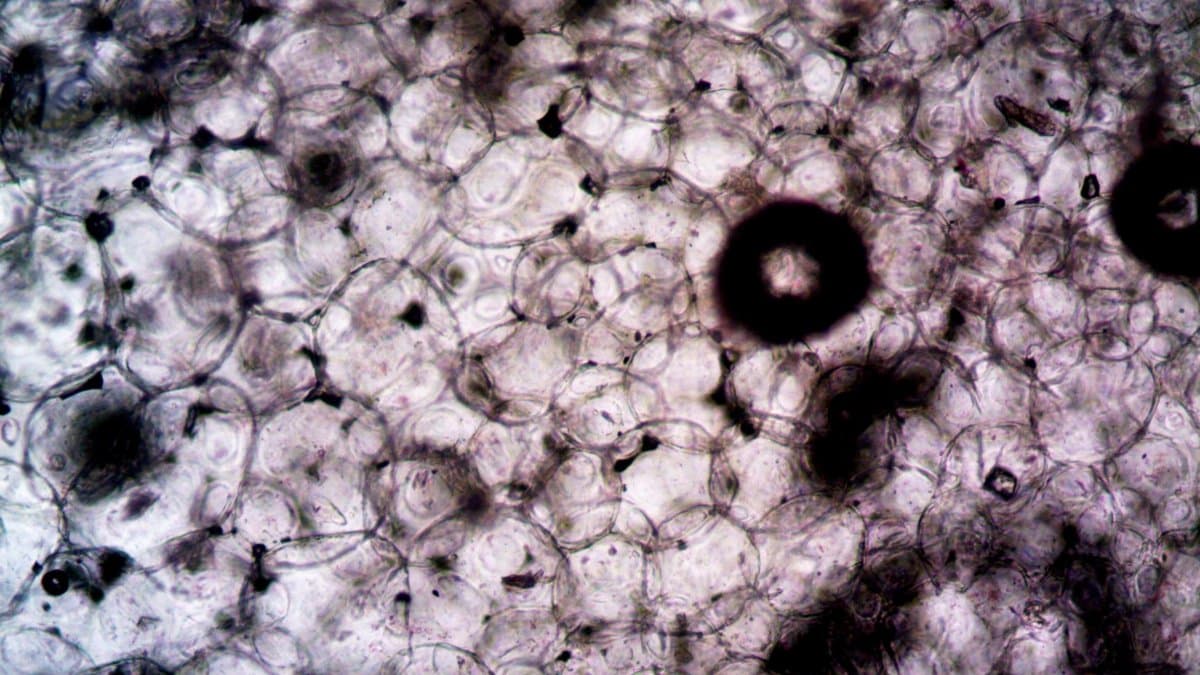
For decades, much of what we knew about early brain maps came from other animals, from rare medical specimens, and from stains that froze a moment rather than following a lineage. Human timing is its own clock. A mouse embryo compresses stages that in people stretch across weeks. A finding that seems tidy in one species can be late, early, or absent in another.
Human stem cells closed part of that gap. They do not close all of it. They let teams at Stanford and elsewhere ask whether a human cell, offered a path, reveals a preference that mouse diagrams blurred. The Chronicle report belongs to that longer shift: less reliance on analogy, more patience with human cells that are slow, expensive, and ethically fenced.
What the result does not yet prove
A two group start does not mean two sealed fates. Cells talk. Borders move. Later signals can recruit, restrain, or redirect. Disease, injury, and the ordinary noise of development all act after the opening assignment. Anyone selling a blood test for character, or a supplement for a region of the fetal brain, is leaving the evidence behind.
Nor does the work, as publicly described, name a new treatment. It does not rank parenting styles. It does not settle debates about screens, sleep, or schools. Those arguments need other kinds of proof. Readers who want a moral from a cell paper often invent one. The honest moral is narrower. Early maps may be more partitioned than we drew them, and partitioned maps still depend on everything that follows.
How medicine might use a cleaner map

Clinicians who treat developmental conditions care about when a pathway locks in. If forebrain and hindbrain lineages are distinct early, researchers can ask more precise questions about which disorders begin in which population, and which arrive later through wiring, inflammation, or genes that act on both. Precision here is not a cure. It is a way to stop searching in the wrong room.
Drug testing in dishes has the same stake. A compound aimed at cortical cells should not be judged only by how hindbrain patterned cells respond, if those cells were never the same starters. Stanford brain development studies that separate those populations could make screening less blurry. They could also show that a drug looks safe in one dish and disruptive in another. That is useful failure, the kind medicine needs before a trial.
The distance between a cell and a mind
Middle aged readers have lived through several eras of brain hype. We were told a chemical would explain mood, then a gene, then a scan glowing in a magazine. Each era delivered real tools and inflated promises. A paper about two early cell groups will be drafted into that parade unless writers refuse the enlistment.
Consciousness, character, and culture are not visible in the first division of neural progenitors. They depend on years of sensation, language, illness, luck, and care. The Stanford finding, if it holds, revises a preface. It does not rewrite the book. Holding both ideas at once is the adult task. Wonder at the earliness of the map. Refuse anyone who treats that map as a biography.
Limits that belong in the same paragraph as the claim

Models drift. Batches differ. A signal that looks like a separate origin can be an artifact of how cells were fed, plated, or scored. Replication in other labs, with other lines, is the unglamorous next chapter. Journalism often prints the first chapter because it is the one with a verb. Science waits for the second and third.
Ethical limits matter as much as technical ones. Human developmental research is bounded for reasons that are not obstacles to be cleverly escaped. They are the condition of public trust. A result that respects those bounds and still teaches something about forebrain and hindbrain origins is more valuable than a spectacular claim that cannot be checked or should not have been pursued.
What parents and patients can reasonably take

If you are pregnant, or loving someone who is, this is not a reason to change a medical plan on the basis of a news story. Obstetric advice still comes from clinicians who know the pregnancy in front of them. If you live with a neurological condition, or care for someone who does, the useful takeaway is indirect. Better maps can eventually mean better questions about cause. They do not arrive as a protocol next month.
What you can take is a habit. When a headline says the brain starts from two groups, ask which groups, in what model, compared with what older picture, and with what uncertainty left in the sentence. That habit protects you from both cynicism and gullibility. It is also the habit good scientists use on their own slides.
A public used to simpler diagrams
School posters still show a single neural tube folding into regions as if the regions were rooms added to a house. The poster is not worthless. It teaches orientation. It becomes misleading when it is treated as a complete history. Stanford brain development work of the kind described this week nudges the poster. Two early populations, if confirmed, mean the house and the bridge were specified before the blueprint looked finished to us.
Public understanding catches up slowly, and that lag is not only ignorance. It is also caution. People have been burned by premature certainty about the brain. A slower uptake, with the caveats kept attached, is healthier than a viral diagram that drops the word may.
Where the story goes after the first dispatch

The next evidence will not look like a revelation. It will look like arguments over markers, arguments over timing, and arguments over whether a second laboratory sees the same split. Some of that work will stay inside journals. Some will surface again in Bay Area papers because the campus is local and the subject is universal. Readers who follow only the crest will miss the corrections. Readers who follow the corrections will learn how knowledge actually moves.
There is a spiritual hunger in that movement, even in a science story. People want to know where a mind begins, and they want the answer to honor both mystery and fact. Two cell groups are not a soul and not a dismissal of one. They are a detail in a process we still see only in part. Honoring the detail, without inflating it, is a form of respect.
Holding the finding at the right size

The right size is this. Stanford researchers, as reported by the Chronicle, say cells of the forebrain and the hindbrain may come from two distinct early populations rather than from one undifferentiated source that divides later. The observation comes from human stem cell models. It invites a redrawing of early charts. It awaits wider confirmation. It does not assign fate, and it does not hand medicine a new prescription.
Stanford brain development, as a field, will keep producing sentences that sound larger than the data. The work of a reader is to shrink them back to scale without shrinking the wonder. An early split between front and rear lineages, if it stands, is wonder enough. It means the brain does not wait as long as we thought to decide which neighborhood is which. Everything a person becomes still happens after that decision, in the long unfinished middle where biology meets a life.