

On the steps of City Hall, the noon rally did not sound like a technology debate. Neighbors talked about electric bills, river water, truck traffic, and the fear that warehouses of servers would land before anyone wrote the rules. Inside, Mayor Cherelle Parker answered with an executive order. It creates a city task force and gives that group until June 2027 to recommend how Philadelphia data centers should be sited, powered, and held to public standards. The order does not ban the industry. It does something rarer in a city that often reacts after the concrete is poured. It asks officials to decide, in public, what kind of digital infrastructure belongs here.
What the mayor actually ordered
The order, reported by The Philadelphia Inquirer, directs a municipal task force to study data center development and to return with recommendations on a fixed calendar. June 2027 is not a suggestion buried in a press release. It is the deadline Parker put on the work. That date matters because data center proposals do not wait for comfortable politics. Developers shop sites, utilities model load, and councils face zoning questions on shorter clocks than a two year study.
A task force is not a permit. It cannot, by itself, approve a campus in the Northeast or reject one along an industrial corridor. What it can do is force scattered questions into one record: land use, electric capacity, water, tax treatment, jobs, and neighborhood notice. Cities that skip that record tend to discover the tradeoffs in hearings that feel rushed and unfair. Parker is betting that a formal process will look like leadership rather than delay.
Readers can follow the signing and the rally that preceded it in the Inquirer account at inquirer.com.
The rally that moved City Hall

The order did not appear in a vacuum. It followed a City Hall rally in which residents treated server farms as a local land use fight, not an abstract national trend. That framing is politically sharp. Philadelphians already argue about warehouses, refineries, schools, and who absorbs noise and traffic. A building full of computers can be described as clean industry. It can also be described as a large, quiet neighbor that consumes power around the clock and employs fewer people than its footprint suggests.
Rally politics often oversimplify. They also reveal what official briefings miss. People showed up because they do not trust that benefits will be shared and burdens will be contained. Parker, who has built much of her mayoralty on order, safety, and visible government, had a choice. She could dismiss the crowd as uninformed about a growth sector. She could also treat the crowd as a constituency that expects rules before ribbons. She chose the second path, at least on paper.
Why the servers are arriving now

National demand for computing has jumped as companies train and run artificial intelligence systems and as ordinary cloud use keeps growing. The buildings that house that work are not offices. They are industrial plants for electricity and cooling, often with backup generators and strict security. Regions with cheap power, available land, and friendly tax codes have already absorbed waves of construction. Older cities are now in the conversation because firms want proximity to users, fiber, and talent, and because some suburban sites are hitting political or grid limits.
Philadelphia sits in that second wave. It has industrial land, a dense customer base, universities, and a power system tied into the wider mid Atlantic grid. It also has a history of promising that the next industrial arrival will repair neighborhoods the last one damaged. Residents hear data center pitches through that history. They ask who gets the construction work, who gets the permanent jobs, and who lives with the hum, the fencing, and the substation.
Power is the real zoning fight

Strip away the renderings and a data center is a contract with the electric system. A single large campus can draw as much power as a small city. In the PJM region that includes Pennsylvania, new load is already colliding with plant retirements, transmission delays, and rising concern about bills. A municipal task force cannot redesign the regional grid. It can refuse to pretend that zoning approval and electric reality are separate subjects.
Residents at the rally were not wrong to talk about bills. When large users arrive, someone pays for wires, substations, and capacity. Regulators and utilities argue over cost allocation for years. A city that wants these facilities should say, before the first shovel, whether it will demand on site generation, demand response, or contributions to grid upgrades. Silence on that point is not neutrality. It is a decision to let the utility docket settle the politics later, out of sight of the people who marched.
Water, heat, and the quieter impacts

Cooling is the other physical fact. Some designs use large volumes of water. Others shift the burden to electricity and refrigerants. Either way, a campus is not a blank box. It rejects heat. It may need new pipes. It may sit near creeks or residential blocks that already flood or already distrust industrial neighbors. Philadelphia has spent years trying to manage stormwater and aging infrastructure. Adding a thirsty or heat intensive use without a water plan would repeat an old municipal habit: approve the building, discover the system later.
Noise and light deserve the same plain treatment. Backup generation tests, truck deliveries, and perimeter lighting are not glamorous topics. They are the topics that decide whether a facility is tolerable on a block where people sleep. A June 2027 report that speaks only in the language of innovation will fail the test the rally set. People asked to be treated as neighbors, not as obstacles to a sector.
Jobs, taxes, and the thin employment story
Supporters will say the sector brings construction wages, property tax base, and a signal that the city can host advanced industry. Those claims can be true and still incomplete. Permanent staffing at a data center is often modest next to the capital spent and the power used. If the public gives tax relief, the bargain needs a number: how many jobs, at what wage, for how long, and with what local hiring. If the public gives no relief, the city should still know what revenue it expects and what services the site will demand.
Philadelphia has been burned by incentive deals that sounded transformative and landed as ordinary warehouses with extraordinary exemptions. The task force should publish a simple comparison. What does the city give. What does it get. What happens if the operator sells the site or the computing cycle moves elsewhere. Complexity is not a reason to hide the ledger. It is a reason to write the ledger in sentences a block captain can read.
Where the buildings might go
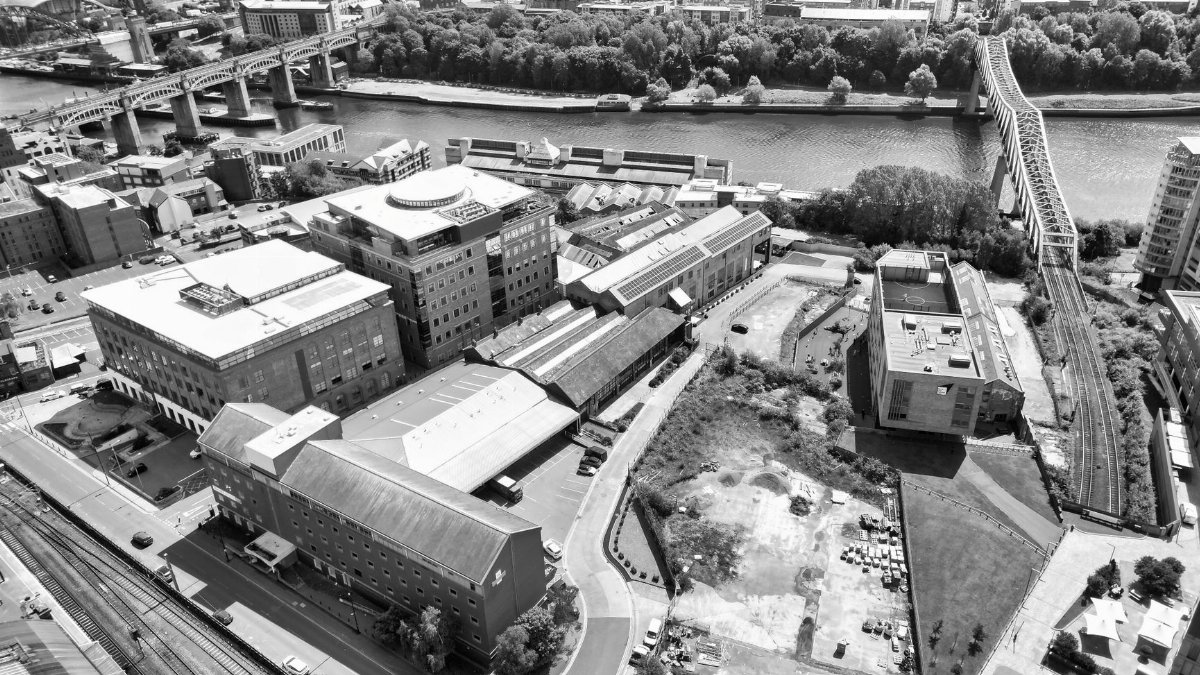
Location will decide whether this debate stays abstract. Industrial corridors, former factory land, and sites near existing substations will draw the first serious looks. Residential edges will draw the first serious opposition. The task force should map constraints before it maps invitations. Flood risk, truck routes, distance from homes, and proximity to adequate power are not details for a later variance. They are the policy.
A citywide rule that treats every parcel the same will either block reasonable sites or bless unreasonable ones. A rule that leaves everything to case by case haggling will exhaust neighborhoods and reward applicants with the best lawyers. The useful middle is a zoning category with hard conditions: notice, environmental review, electric confirmation, and a community benefits agreement that is enforceable rather than ceremonial. That is unglamorous work. It is also the work the deadline exists to produce.
What other cities learned the hard way

Elsewhere, data center fights have followed a pattern. Early arrivals win speed and secrecy. Later arrivals meet organized opposition, moratoriums, and demands for water disclosure. Some localities chased the tax base and then discovered that power constraints froze other development, including housing and ordinary manufacturing. Others wrote rules so vague that every project became a political crisis.
Philadelphia can borrow the lesson without borrowing the panic. Study is not the same as a freeze, and a freeze is not the same as a plan. Parker has chosen study with an end date. The risk is that June 2027 becomes a parking spot for a hard choice. The opportunity is that the city writes standards while it still has leverage, before a flagship project defines the norm by sheer momentum.
Who should sit on the task force

Membership will tell residents whether the exercise is serious. If the table is only developers, utility executives, and economic development staff, the report will read like a brochure. If it excludes those voices, the report will be easy to ignore when a real application arrives. The credible table includes planning, law, sustainability, and commerce, plus utility expertise, labor, and neighborhood representatives who do not need a translator for zoning code.
Transparency is part of membership. Meeting calendars, draft memos, and conflict disclosures should be public. A task force that deliberates in private and emerges with a glossy PDF will confirm the suspicion that brought people to City Hall. Parker has asked for trust. Trust here is a procedure, not a speech.
The June 2027 clock

Deadlines discipline bureaucracies only if someone is willing to say what happens when they slip. The order should be read as a promise that recommendations exist in time for council and regulators to act before the next wave of site searches. Between now and that summer, the group needs interim products: a map of plausible districts, a power and water briefing written in plain language, and a draft code section that lawyers and residents can mark up.
Waiting until the final month to reveal a complete package would waste the one advantage a task force has, which is time. Philadelphia data centers, if they come, will be justified or rejected in hearings that last hours. The thinking that prepares those hearings has to start now, in documents people can argue with.
What residents are really asking

The rally was not a referendum on computers. It was a demand that growth submit to the same civic manners as everything else that wants land in this city. People want to know the load on the grid, the draw on water, the jobs that remain after construction, and the path to say no when a site is wrong. They also want a path to say yes when a site is right, because a city that only knows how to block will not shape an industry. It will watch the industry shape a county line a few miles away.
That is the adult version of the debate. Not servers versus neighborhoods. Standards versus improvisation.
A mayor between growth and patience

Parker governs a city that needs investment and a city that has reasons to doubt investment stories. The data center order is a small document with a large audience. Business readers will scan it for hostility. Neighborhood readers will scan it for escape hatches. Both will be right to look past the signing photo and toward the June 2027 text.
If the task force produces rules that name power, water, jobs, and place with specificity, the rally will have done more than fill an afternoon. It will have pulled a coming industry into the open. If the task force produces adjectives, Philadelphia will have spent two years practicing the appearance of caution. The servers, and the arguments, will still be waiting. The difference is whether the city meets them with a code or with another microphone on the City Hall steps.