
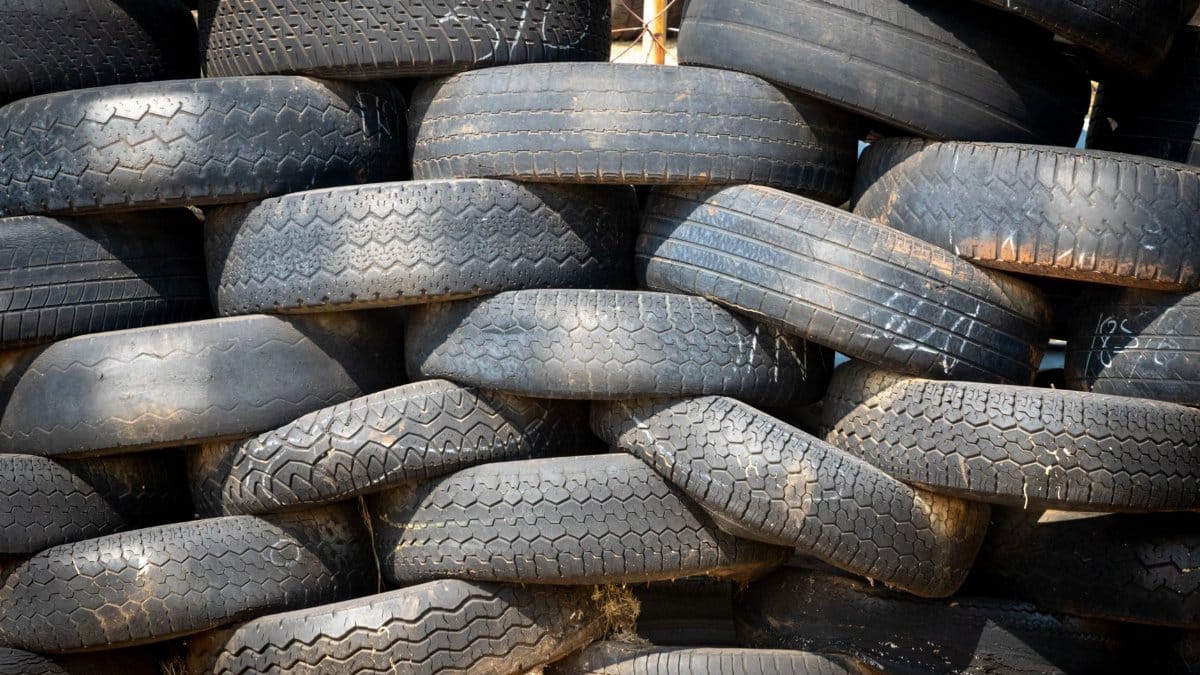
On a flat stretch of central Washington, a dark ridge interrupts the sky. It is not basalt and it is not a grain elevator. It is rubber, stacked and slumped until the outline reads as landscape. People who live nearby have learned the smell after rain and the standing water that gathers in the folds. For years the question was whether anyone with authority would treat the heap as an emergency rather than a curiosity. That question is now tied to a Washington tire pile cleanup that joins a court ordered timetable, money moving through Olympia, and a recycling plan meant to turn waste back into something a contractor can actually haul away.
The shape of a problem that grew in plain sight

Washington has never lacked for open land, which is part of how a tire pile becomes a monument. A shop fails. A hauler runs out of customers willing to pay the true cost of disposal. The rubber keeps arriving because tires leave the road on a schedule the market does not control. A passenger tire is light enough for one person to roll and heavy enough, in the tens of thousands, to defeat a weekend crew with a pickup and good intentions. State inspectors have spent decades chasing sites that began as storage and ended as abandonment. The largest of them sits in a class of its own because the volume defeats casual estimates. Aerial photos flatten it into a smudge. On the ground it is aisles, cavities, and a surface that shifts underfoot. Drivers slow without meaning to. That reflex is a kind of measurement.
Why rubber outlasts the business that left it
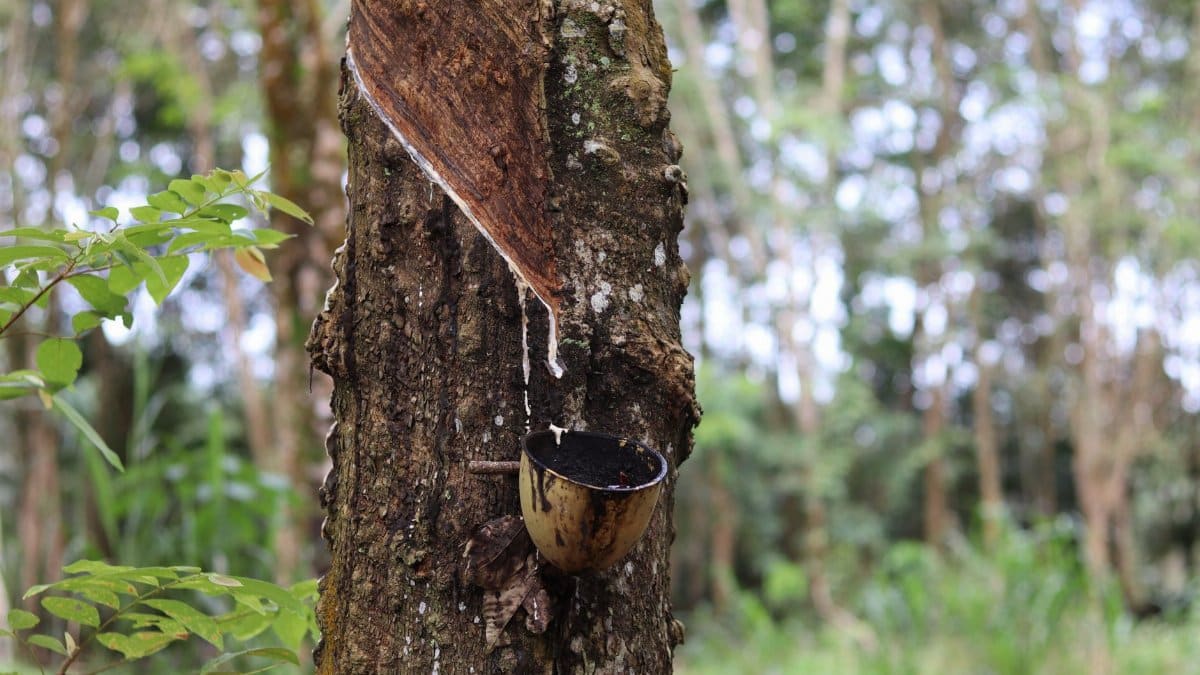
A tire is engineered to survive heat, ozone, and years of friction. Those same traits make it a miserable piece of garbage. Buried whole, it can flex back toward the surface. Left in the open, it does not compost into anything a farmer would recognize as soil. The businesses that once promised to process the stream often depended on a single buyer, a single machine, or a single permit. When that link broke, the inventory remained. The landowner, if one could still be found, faced a bill larger than the property. Liability law can assign responsibility. It cannot mint a check. That gap is why a Washington tire pile cleanup depends on public money as much as on a finding of fault. Blame explains the past. Cash and permitted capacity decide whether the past stays piled on the grass.
Smoke, standing water, and a longer summer
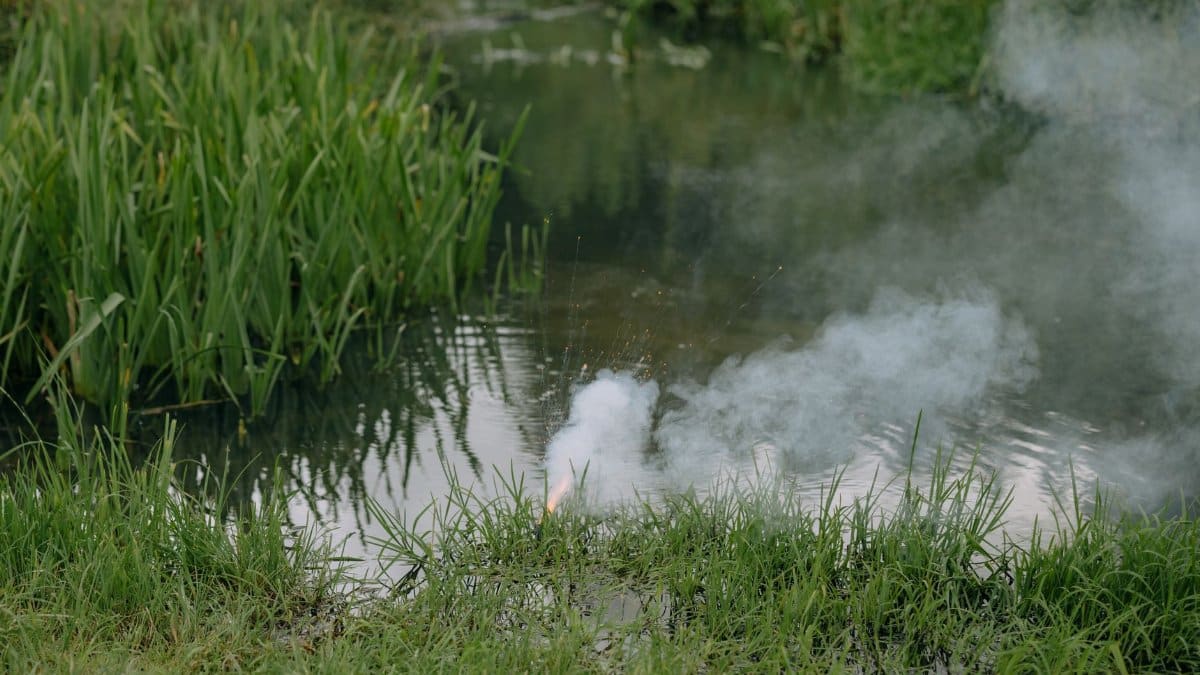
The risks are not abstract, and they do not wait for a ribbon cutting. A tire fire burns incompletely, sends oily runoff into ditches, and can smolder long after the visible flame is gone. Fire crews treat these events as campaigns, not routine callouts, because water alone does not finish the job and the smoke carries compounds no neighborhood should inhale for a week. Even without flame, the pile is a wetland of the wrong kind. Each casing holds a cup of rain. Mosquitoes use that still water, and in a warming summer the season runs long. Regional surveillance for mosquito borne illness has for years treated artificial containers as part of the map. A mountain of casings is a container with an address. Neighbors do not need a briefing to know which way the wind matters, or which bedroom window they close when the air turns sweet and chemical.
What Olympia can fund, and what a fee cannot buy

Olympia enters the story because orphan tires are a public finance problem disguised as litter. Many states place a small charge on the sale of a new tire and dedicate it to cleanup, enforcement, and the slow work of building a market for the material. Washington has used that logic inside its waste programs, with the Department of Ecology as the agency that knows which sites are merely messy and which are structural. A fee can fund a crew, a contract, and a season of hauling. It cannot, by itself, guarantee a processor who will take material for years rather than months. Lawmakers weighing a Washington tire pile cleanup have to answer a blunt question. Is the appropriation large enough to move rubber off the property, or only large enough to study it again? Neighbors have seen studies. They are waiting for trucks with muddy tires and a destination written on the paperwork.
A judge, a deadline, and a haul route

Courts change the tempo. A consent order or a compliance schedule does what a press release cannot. It names dates, defines what progress means, and attaches consequences if the dates slip. For a pile this size, the legal document is only as strong as the haul route behind it. Someone must count tires or tons, stage them so a fire lane exists during the work, and send them to a facility that is permitted to receive them. If the nearest processor is full, the order becomes a wish. If the route crosses counties, local governments inherit noise, dust, and the fear that one problem is being relocated rather than retired. A credible plan publishes the destination, not only the departure. It also says who watches the gate at night, because a cleanup that leaves the site open is an invitation written in gravel.
Turning casings into road base, goods, and fuel

Recycling is the word that makes the politics possible, and it deserves a harder look than a slogan. Whole tires can be shredded into chips for civil engineering projects, drained so they no longer hold water, and used where engineers accept them. Smaller crumb can go into asphalt or into molded goods. Some material still leaves as fuel in industrial kilns equipped to burn it under a permit. Each path has critics. Road projects raise questions about leachate. Fuel projects raise questions about air rules, and about whether burning counts as recovery or as a failure of design. A serious recycling plan does not pretend every tire becomes a park bench. It matches volume to permitted capacity and says, in public, what fraction will be burned, placed in engineered uses, or remade. Honesty about those fractions is the difference between a plan and a brochure.
The neighbors who kept the file

People who live within sight of the pile have done the unglamorous work of memory. They remember which summer the mosquitoes were worst, which winter a portion slumped toward a fence, which official promised a return visit and which season that visit never came. Their record is not always in a database. It is in photos on phones and in comments at hearings that started late and ran past the point when anyone still wanted coffee. Any Washington tire pile cleanup that ignores that archive will misread the site. Residents know where water actually flows after a hard rain, which is not always where the map says it flows. They also know the difference between activity and progress. A sign at the gate is not a truck. Officials who show the haul count, week by week, will find a public ready to believe good news and simply short on reasons to.
What a finished site should prove
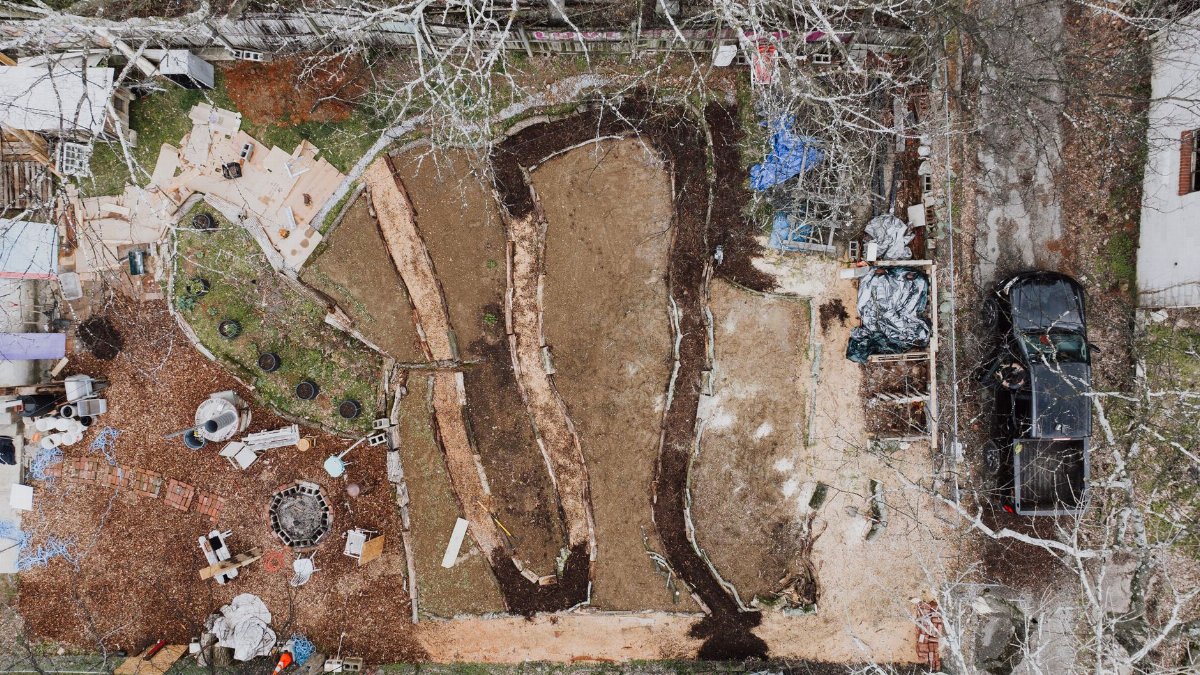
Success should be defined before the first trailer leaves, or it will be defined by whoever holds the microphone at the end. A finished site is not a thinner pile. It is a property where tires are gone, residual shreds are removed or lawfully contained, and soils and ditches have been checked for the oily residue that fires and decades of rain can leave. The land needs a use that does not invite the next abandoned inventory. Access matters as much as chemistry. If the gate stays open and no one is watching, rubber will find its way back, because disposal still costs more than dumping when enforcement is somewhere else that week. The plan has to include the boring sequel: inspections, a tip line that a person can actually reach, and a penalty that exceeds the savings of a midnight drop. Without that sequel, the ridge is a recurring event.
The heaps that will still be waiting
Clearing the largest pile would be a civic relief and a test of whether the system learned anything. Smaller sites dot the state, some behind shops that are still operating, some on ground nobody wants to claim. If the big project consumes every available processor slot and every dollar in the account, the next landowner learns the wrong lesson. Ecology and local health districts already know that consistent rules at the point of generation matter as much as heroics at the point of abandonment. Shops that pay for lawful transport should not compete with shops that do not. A Washington tire pile cleanup worthy of the name leaves behind a market in which storing tires outdoors without a real outlet is no longer a business plan. The ridge by the road can come down. The habit that built it has to come down with it, or the skyline will grow another black hill.