
On a late spring evening in Philadelphia, the argument on many porches is no longer only about sirens. It is about whether the city feels habitable again, and whether that feeling reaches the classroom. A Suffolk and Inquirer survey, summarized in reporting that pairs public mood with mayoral performance, finds that 83 percent of residents say they feel safe, while 45 percent rate the schools as poor. The phrase Parker poll schools crime has become a shorthand for that split verdict: credit on the street, doubt in the schoolhouse.
A mood that outruns the headline

Polls are blunt instruments, and this one lands with unusual clarity. Residents are not describing a transformed metropolis so much as a city that has stepped back from the edge of panic. Feeling safe is not the same as living without risk. It is a judgment about whether a walk home, a wait for the bus, or a late shift still seems reasonable. When more than four in five people offer that judgment, politicians hear permission. When nearly half call the schools poor, they should hear a warning that permission is conditional.
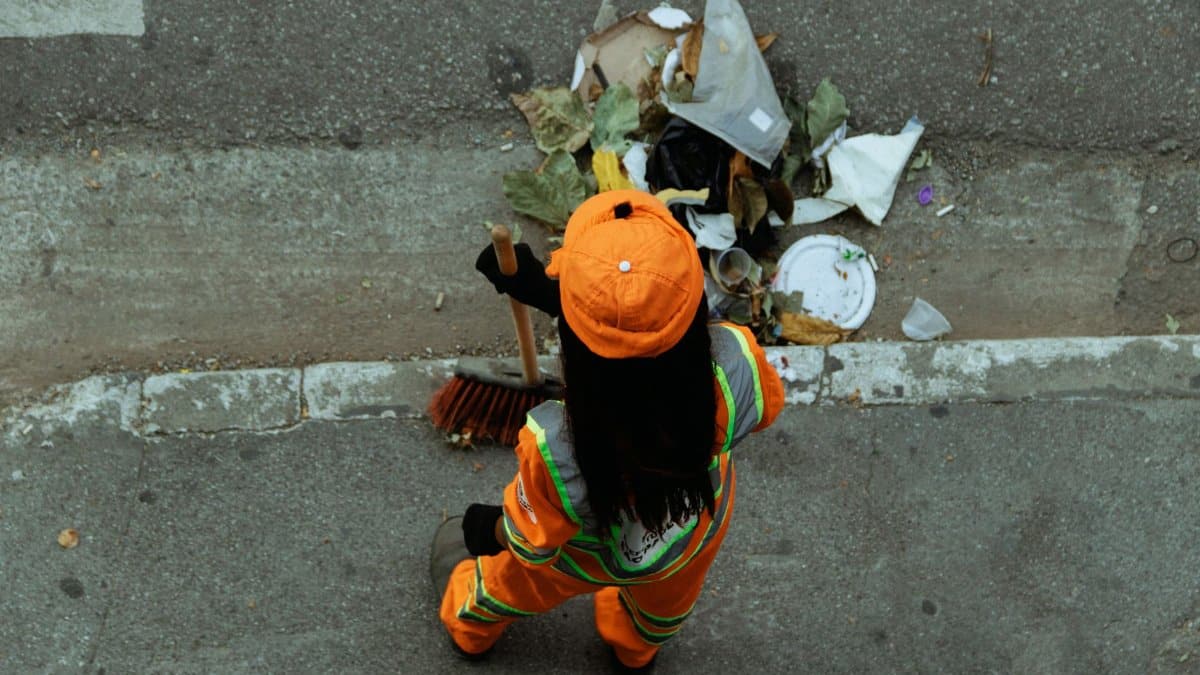
The Inquirer account of the Suffolk survey places those two findings beside a broader sense that the city looks cleaner. Cleanliness is easy to mock as cosmetic. In a dense city it is also a daily referendum on whether government notices ordinary blocks. Trash, abandoned corners, and slow responses tell people whether they count. A cleaner street does not educate a child. It does tell a neighbor that someone is still keeping watch.
Safety as a feeling with political weight
Crime debates in Philadelphia have been loud for years, and they have often flattened people into camps. One camp recites shootings. Another recites poverty, policing, and the long memory of neighborhoods that were over policed and under served. The new numbers do not settle that argument. They record a change in fear. Fear is personal before it is statistical. A parent who no longer rehearses a worst case on the way to the corner store will say the city improved, even if a chart still looks grim.
Mayor Cherelle Parker has staked a good part of her early tenure on order: cleaner corridors, a visible response to disorder, and a promise that public space belongs to residents rather than to neglect. A poll that finds people safer and the city cleaner is, in political terms, a gift. It suggests that the promise is landing in lived experience, not only in press conferences. Gifts of that kind expire. They expire fastest when the next worry, schools, remains unresolved.
Why cleanliness persuades faster than reform
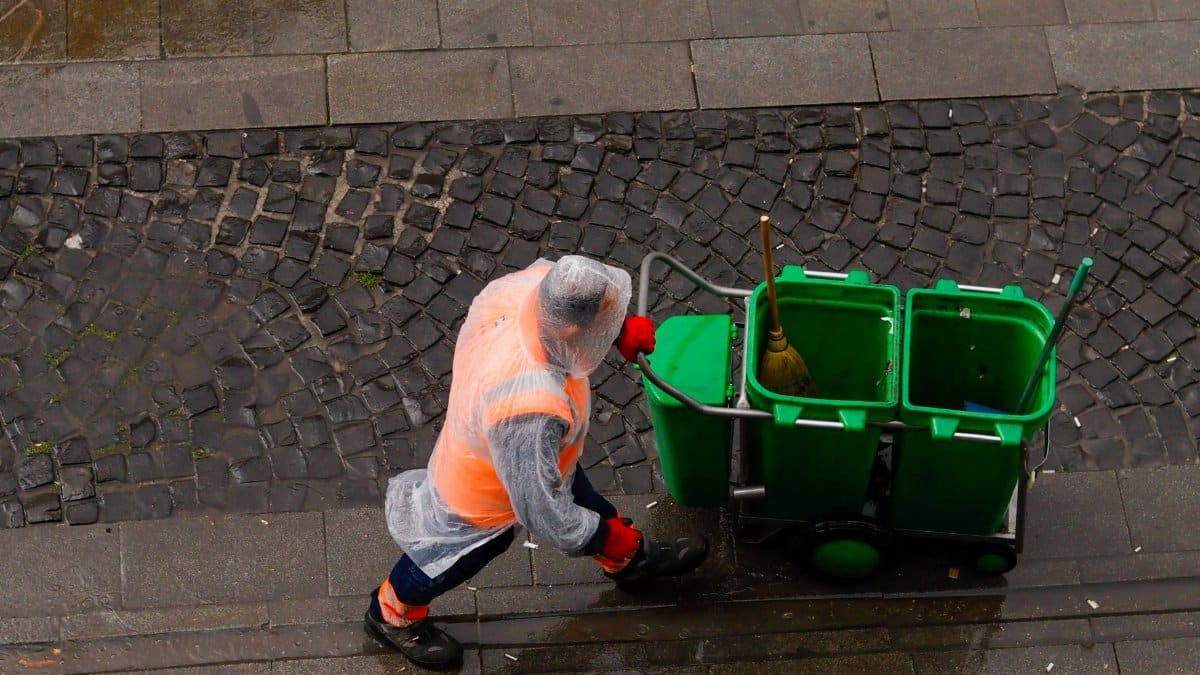
A swept block is immediate. A reader can see it on the way to work. School improvement is slow, technical, and easy to dispute. Test scores move in inches. Teacher retention depends on pay, respect, building conditions, and whether a principal can keep a staff through June. Parents judge by homework that never comes back, by a building that is too hot, by a counselor who is shared across too many students. Those judgments accumulate into the 45 percent who call the schools poor.
That figure should not be treated as a slogan against teachers. Many educators in the city are doing hard work with thin margins. The poor rating is a verdict on a system, on City Hall, on the statehouse, and on decades of uneven investment. It is also a verdict on attention. When leaders talk most fluently about crime and sanitation, families hear which problems are considered urgent. Children hear it too.
The split verdict inside Parker poll schools crime
Read together, the safety number and the school number describe a city with two clocks. One clock measures nights that feel less dangerous and mornings when the curb is not buried in litter. The other measures whether a fifth grader is learning to read with enough support to catch up. Political language likes a single arc: decline, then recovery. Households do not live on a single arc. A grandmother can feel safer on her block and still believe the school down the street is failing her grandson. Both beliefs can be honest.
This is where the Parker poll schools crime framing matters. It is not a complete theory of governance. It is a public sorting of priorities. Crime and cleanliness are visible goods. Schools are a moral good that shows up late in the data and early in a family’s hope. A mayor who is popular on the first set of goods will still be judged on the second, because voters eventually ask what the calm is for. Calm that does not reach the classroom looks incomplete.
What residents may be saying about trust
There is a spiritual dimension to civic polling, if the word is allowed to mean something other than doctrine. People are asked whether the place they love is worthy of their remaining faith. Safety answers part of that question. A clean street answers another part. A school answers the deepest part, because it concerns the future a city claims to believe in. When 45 percent say the schools are poor, they are not only grading a bureaucracy. They are saying that the promise made to children still feels thin.
I have sat in enough community meetings to know that this kind of disappointment rarely arrives as abstraction. It arrives as a name, a grade, a building, a route that parents no longer trust. Leaders who answer with a list of initiatives can sound busy and still miss the wound. The wound is the suspicion that order is being restored for adults while learning remains an afterthought.
Neighborhoods do not share one Philadelphia
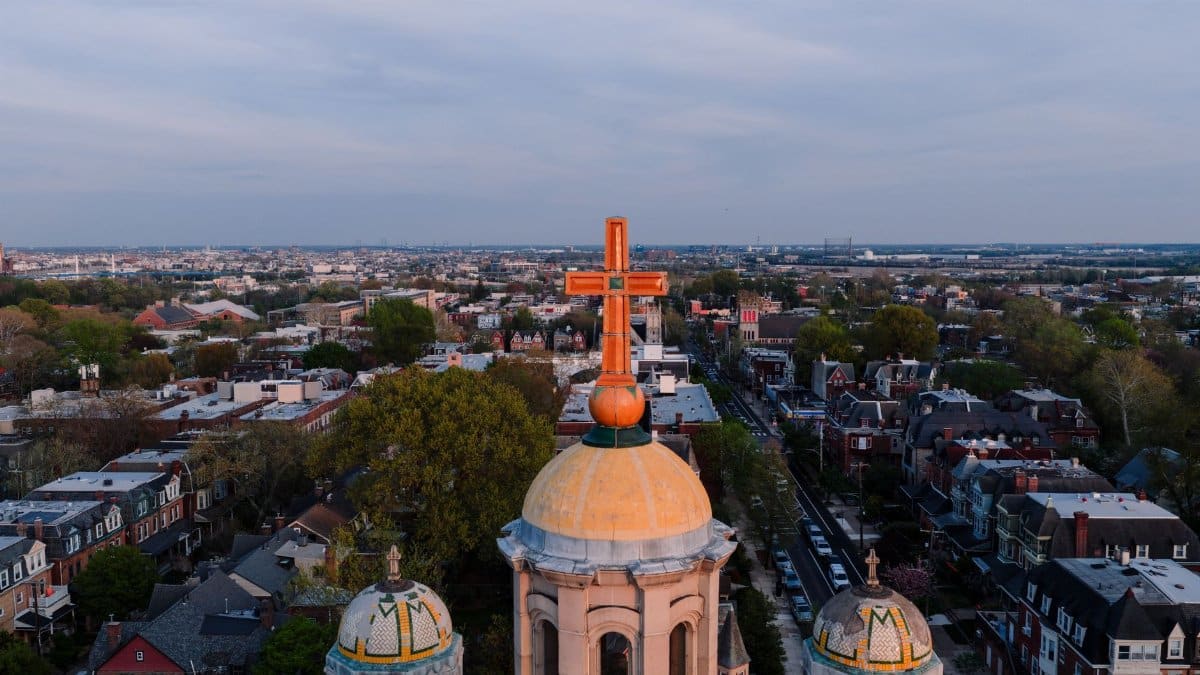
Citywide percentages hide streets that never felt the improvement and streets that felt it first. A poll can say that 83 percent feel safe and still leave room for blocks where gunfire, theft, or a vacant house defines the week. Cleanliness campaigns often begin on corridors that visitors see. School struggle is more widely shared, but it is sharpest where poverty, language barriers, and unstable housing stack on top of large class loads. Any honest reading of Parker poll schools crime has to resist the comfort of an average.
Journalists should be careful here. A single survey is a photograph, not a film. It cannot tell us which neighborhood moved, which age group drove the safety number, or how parents of school age children answered compared with retirees. Those breakdowns matter. Without them, commentary drifts toward the mayor’s story or toward her critics’ story. The fairer task is to hold both findings at once and ask who is still outside the photograph.
Crime narratives and the temptation to declare victory
American cities have spent the past several years arguing about whether violence is falling, why it rose, and who deserves blame or credit. Philadelphia is no exception. Official counts and neighborhood memory do not always move together. A resident may feel safer because a corner is quieter, because more people are out after dark, or because the news no longer opens every morning with a fresh horror. That feeling is real. It is also fragile. A bad summer can revise it.
Declaring victory would be a political error and a moral one. The 83 percent figure is encouraging precisely because it is a feeling of safety, not a claim that harm has ended. Families who buried someone in the hard years do not experience a poll as closure. The responsible use of the number is modest: something in daily life has eased for many people, and that easing deserves to be named without being mythologized.
Schools as the unfinished obligation
If the poll is a report card, the failing subject is not ambiguous. Schools lag. That sentence should organize the next year of local argument more than any celebration of cleaner pavements. Philadelphia’s children did not choose the budget fights, the building delays, or the churn of leadership above them. They inherit the result. A city that can organize around trash and disorder can also organize around literacy, attendance, and buildings that do not humiliate the people inside them. The obstacle is not imagination. It is duration. School work punishes leaders who need a quick win.
Parents already know the difference between a press release and a Tuesday. They know whether a teacher called back. They know whether special education services arrived before the year was half gone. When 45 percent rate schools poor, City Hall should assume that many of those raters have receipts. Listening sessions that end in the same promises will deepen the grade rather than lift it.
How a mayor spends a favorable hour
Favorable polls tempt two responses. One is to claim a mandate and move faster on the agenda already chosen. The other is to treat the good news as borrowed time and spend it on the weakness the public has named. Parker has political capital if residents believe the streets are safer and cleaner. Capital is not a personality trait. It is a chance to do the thing that is harder to televise. In this moment, that thing is the school system.
There is also a risk in treating the Parker poll schools crime result as a permanent identity. Today’s relief can become tomorrow’s complacency. Residents who feel safe may become less patient with explanations about why classrooms still disappoint. They may ask, with some justice, why a government that can change the look of a corridor cannot change the experience of a ninth grader. That question is not cynical. It is the question a recovering city ought to ask.
The role of the press and the public
A survey published by a major newspaper does more than measure opinion. It sets the vocabulary for the next round of debate. Editors, advocates, and candidates will lift the numbers that serve them. The safer city will be quoted at rallies. The poor schools will be quoted at budget hearings. Readers should keep the pair intact. Separated, each number becomes propaganda. Together, they describe a public that is grateful for relief and unwilling to call relief a full recovery.
That posture is healthier than either triumph or despair. Philadelphia has earned the right to notice improvement without pretending the work is finished. It has also earned the right to be impatient. Impatience, aimed at children rather than at slogans, is a form of civic care.
What would count as the next proof
Proof will not be another adjective in a speech. It will be fewer parents hunting for a transfer. It will be buildings where heat and cold are not the lesson of the day. It will be reading growth that shows up for students who started behind, not only for those already close to the line. It will be teachers who stay because the job is difficult but not impossible. None of that appears in a cleanliness photo. All of it would change the meaning of the next poll.
Safety can support that work. A school that sits on a block people trust is easier to staff and easier to attend. Clean surroundings tell students that the city expects something of itself. But support is not substitution. The Parker poll schools crime snapshot will age into either a turning point or a missed chance. The difference will be whether leaders treat the school rating as the center of the story rather than as the footnote under a better mood.
A conditional kind of hope
Hope in a city is rarely pure. It is mixed with memory, fatigue, and a refusal to abandon the block. The Suffolk and Inquirer findings capture that mixture with unusual economy. Most people feel safe. Many people still look at the schools and withhold praise. Cleaner streets give the hope a surface. Classrooms will decide whether the hope has depth.
Philadelphians are not asking for a miracle in the next headline. They are asking for continuity on the gains they can feel and seriousness about the institution they cannot stop worrying over. If the next survey still pairs relief with a poor grade for schools, the celebration will sound thinner. If the school number moves, the safety number will mean something larger: not only that the city grew calmer, but that it remembered who the calm is supposed to serve.