
The numbers landed in the same season, and that is what made them hard to ignore. A county chair moved to enlarge the public budget for a tourism bureau, and that bureau had already steered premium soccer seats toward his political committee. The phrase Rodriguez GMCVB World Cup tickets now sits at the center of a Miami argument about public money, private access, and the thin line between hospitality and influence. Residents who fund visitor promotion through taxes are asking a plain question. Did a gift of skybox seats shape a budget vote, or is the timing only an uncomfortable coincidence that still deserves a full public accounting?
A budget increase that arrived with a gift

Miami Dade Commission Chair Anthony Rodriguez backed an additional $5 million for the Greater Miami Convention and Visitors Bureau, the agency known as the GMCVB. The bureau promotes the region to travelers, books conventions, and sells the idea of Miami as a global destination. That work is ordinary county business. What is not ordinary is the reported value of the seats connected to his political action committee: about $38,500 in skybox access for World Cup matches.
Five million dollars is not a rounding error in a tourism ledger. It is a deliberate choice in a year when housing costs, transit gaps, and storm recovery still compete for attention. Skybox seats are not a stack of brochures either. They are scarce, visible, and easy to translate into campaign advantage or donor goodwill. Put the two facts beside each other and the story writes itself, even before anyone alleges a formal trade.
What the tourism bureau is supposed to do
The GMCVB exists to fill hotels, restaurants, and convention halls. Its leaders argue that visitor spending returns more to the local economy than the public subsidy costs. Hotels collect bed taxes. Those taxes, in turn, underwrite marketing that is meant to keep the rooms full. In that loop, an extra appropriation can look like an investment rather than a favor.
Supporters of a larger bureau budget can point to a crowded calendar. Miami will host World Cup matches, and the region wants a share of the global audience that follows the tournament. A bureau that cannot buy ads, staff hospitality desks, or court international media may watch that attention drift to other cities. The case for more money is therefore not absurd. It is also not self proving. A sound case still has to survive the smell test created by Rodriguez GMCVB World Cup tickets.
Skybox seats and a political committee
A skybox is a room with a view and a guest list. In campaign finance, the guest list matters as much as the view. When a publicly supported organization places high value seats with a political committee, the seats can function as a contribution in kind. Reporting put that value near $38,500. That is enough to matter in a local race, and enough to raise questions under rules that limit who may give what to whom.
The legal label is only part of the problem. Even a gift that lawyers can defend can corrode trust. Voters do not parse in kind contribution forms on a Tuesday night. They hear that the chair who boosted the bureau also benefited, through his committee, from seats the bureau controlled. The plain English version travels faster than any ethics opinion.
How a chair shapes the tax budget
A commission chair does not write the entire county budget alone. Staff draft numbers. Departments plead. Commissioners amend. The mayor has a role. Still, a chair sets tone, controls aspects of the agenda, and can make an extra $5 million feel inevitable rather than contested. That soft power is real. It is why gifts to a chair draw more scrutiny than gifts to a backbencher with little leverage over the same line item.
Process can launder a bad look if the process is open. A public hearing, a recorded vote, a clear explanation of why tourism needs the increase this year and not next year: those steps do not erase the seats, but they let residents judge the merits. Silence, or a rush, does the opposite. It invites the conclusion that the interesting negotiation happened off the dais.
Ethics rules and the appearance of favor

Florida ethics law cares about more than a signed quid pro quo. Officials are expected to avoid using public office for private or political gain, and to avoid relationships that would tempt a reasonable person to doubt their impartiality. A bureau check, a suite, and a later budget boost do not by themselves prove a corrupt bargain. They do create an appearance that commissions are paid to examine.
Appearance is not a soft word. In local government it is often the only evidence the public will ever see. Few deals arrive with a memo that says the seats were the price of the appropriation. The absence of that memo is not the same as the absence of influence. Influence can be anticipatory. A bureau that wants a friendly chair may offer access before anyone asks. A chair who enjoys that access may find the bureau request easier to grant. No one needs to say the quiet part aloud.
What residents pay and what visitors spend

Tourism promotion is often sold as a tax on other people. Visitors pay hotel charges. Locals, the argument goes, enjoy the jobs. That story is incomplete. Workers in hotels and restaurants live here. Congestion, policing, and wear on public space land here. When a bureau budget grows, the opportunity cost is local: money and attention that might have gone to housing counselors, bus frequency, or flood pumps.
None of that means the GMCVB should be starved. It means the increase should be justified on visitor return, not on who sat in a suite. If the $5 million buys measurable bookings, say so with numbers a resident can check. If it mostly buys goodwill in the political class, the return is private.
World Cup fever and local leverage
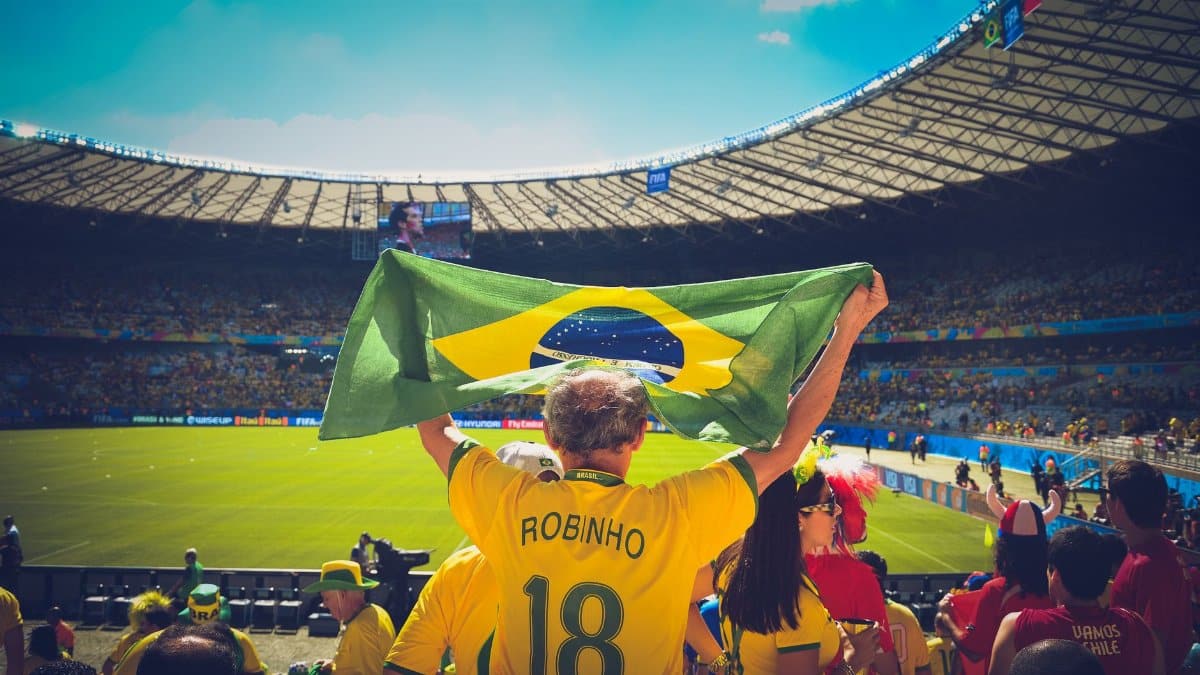
The tournament gives every Florida official a reason to talk about the world arriving at the door. That excitement is useful and also convenient. A mega event compresses timelines. Sponsors, suites, and security plans move faster than ordinary oversight. In that rush, Rodriguez GMCVB World Cup tickets can be framed as protocol, a courtesy extended to civic leaders who will host dignitaries.
Protocol has a paper trail. Who requested the seats? Who approved them? Were comparable seats offered to other officials, or only to a chair with budget power? Were they used for public hosting or for political entertainment? Those questions are not hostile to the sport. They are the minimum a county owes people who will live with the traffic long after the final whistle.
Questions the commission has not fully answered

A serious response would separate three issues that keep getting blurred. First, was the in kind gift legal, reported, and within contribution limits? Second, did the chair disclose the relationship before advocating for the extra $5 million? Third, would the appropriation have passed on the same terms if the seats had never been offered?
Until those answers are public, residents are left with a narrative rather than a record. Narratives harden. Some will treat the episode as proof that tourism money is a slush fund for insiders. Others will treat every critic as a scold who does not understand economic development. Both reactions skip the work. The work is documentary: agendas, disclosures, emails, and the vote count.
A pattern familiar in local politics
Miami Dade has seen this movie in other costumes. A contract, a board appointment, a gala table, a friendly vote. The costumes change. The structure does not. An entity that lives on public funds cultivates the officials who control those funds. The cultivation is called partnership until a reporter prices the tickets.
That pattern does not require cartoon villains. It requires incentives. Bureau executives are judged on budgets and on relationships. Commissioners are judged on visibility and on campaign cash. Skyboxes satisfy both scoreboards at once. The public scoreboard, trust in the tax system, is the one nobody is paid to protect.
What a cleaner arrangement would look like

A cleaner rule is easy to state. Organizations that receive county appropriations do not provide premium event access to the political committees of officials who vote on those appropriations. If public hosting is truly necessary, the county buys the seats in the open, assigns them by written policy, and publishes the guest list. No PAC. No quiet transfer. No later surprise in a campaign report.
The same clarity should apply to the budget. An increase of this size deserves a standalone explanation: goals, metrics, and a sunset if the metrics fail. Folding it into a thick tax budget makes oversight optional. Optional oversight is how Rodriguez GMCVB World Cup tickets became a story instead of a footnote.
The chair, the bureau, and the next vote

Rodriguez can still separate the gift from the policy. He can explain, in detail, why the bureau needs $5 million more, and he can support an independent review of the seats. The bureau can publish how it allocates premium inventory during the tournament. Neither step requires anyone to confess to a crime. Both steps require a preference for daylight over damage control.
If they decline, the next budget hearing will carry the same shadow. Commissioners who vote yes will be asked whether they are funding tourism or funding a relationship. Commissioners who vote no will be accused of punishing a useful agency for a scandal it may share. That is the tax the public pays for blurred lines: every subsequent decision gets harder to read.
Why the seats matter more than the sport

Soccer will be magnificent or it will not. That is beside the point. The point is whether public promotion money and political access travel together without friction. A skybox worth roughly $38,500 is small next to a $5 million line. It is large next to the idea that budget writers should be indifferent to who flatters them.
Readers do not need a law degree to hold both thoughts. Tourism can be worth funding. A chair can still be the wrong person to champion that funding after his committee received the bureau’s best seats. Those positions do not cancel. They define the scandal, if scandal is the right word, or the ethics problem, if caution is wiser. Either way, Rodriguez GMCVB World Cup tickets is no longer an inside joke among people who collect credentials at the gate. It is a public fact about how Miami Dade decides who gets the extra money, and who gets the view.