
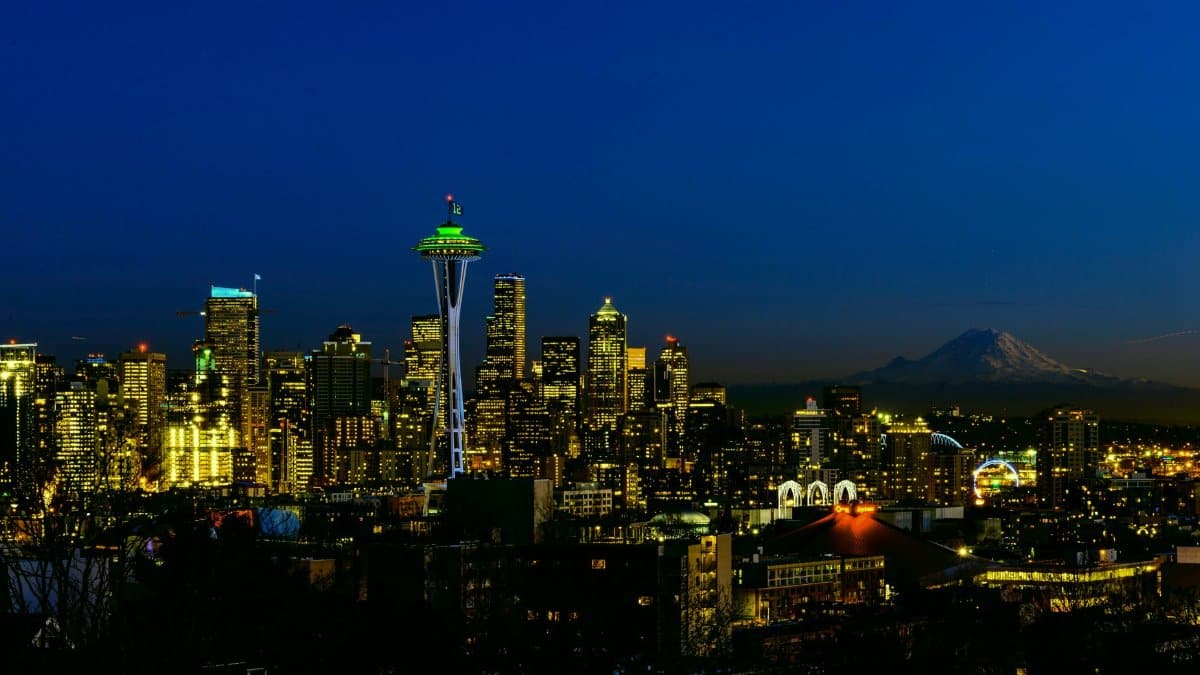
The first thing a traveler notices on the Cascades route is not speed. It is the way a day rearranges itself when the highway is left behind. Ferries, container cranes, and low clouds slide past the window while laptops open and coffee cools. That ordinary ritual is why new equipment matters to people who never think of themselves as rail advocates. Amtrak Cascades Airo Seattle is the name now attached to a fleet meant to refresh service among Seattle, Portland, and Vancouver, and the trains are moving from announcement toward tracked testing.
A promise that has to earn the platform
New trains arrive with a vocabulary of comfort, capacity, and reliability. Riders hear those words and translate them into something simpler. Will the seat be decent for a two hour stretch? Will the cafe stay open? Will the train leave close to the time printed on the ticket? The Airo cars are designed as a modern replacement for aging Cascades equipment, with roughly three hundred seats in a typical set and a layout meant for regional trips rather than a cross country odyssey. Officials have described a brighter interior, more reliable climate control, and space that can absorb weekend surges without turning the aisle into a luggage alley.
None of that matters until the cars prove themselves on this particular railroad. The corridor is beautiful and also fussy. It shares tracks with freight, crosses water, and runs through downtown stations where a late arrival ripples into the next departure. A train that looks excellent in a brochure can still disappoint if doors stick, if wireless internet drops in the cuts north of Seattle, or if crews are still learning a new cab. Testing is the unglamorous chapter in which those questions get answers.
What testing actually looks like
Before passengers buy tickets, crews run the equipment over the route in conditions that resemble real service. They check braking, door timing, coupling, and how the cars behave on curves that regulars know by feel. They watch how the train talks to signals and how it fits platforms that were not built yesterday. Mechanical staff look for the small failures that only appear after hours of motion: a rattle, a seal, a sensor that complains when the weather turns. Amtrak Cascades Airo Seattle coverage in the regional press has focused on this phase because it is the bridge between a purchase and a timetable.
Readers should treat early sightings with patience. A train in the yard, or even a train moving under its own power, is not the same thing as daily service. Rail agencies tend to add cars to the schedule only after they trust the fleet in rain, in heat, and in the ordinary mess of a Monday morning. That caution is not timidity. On a corridor where people plan job interviews and hospital visits around a departure, a pretty failure is still a failure.
The cities this train is supposed to knit together
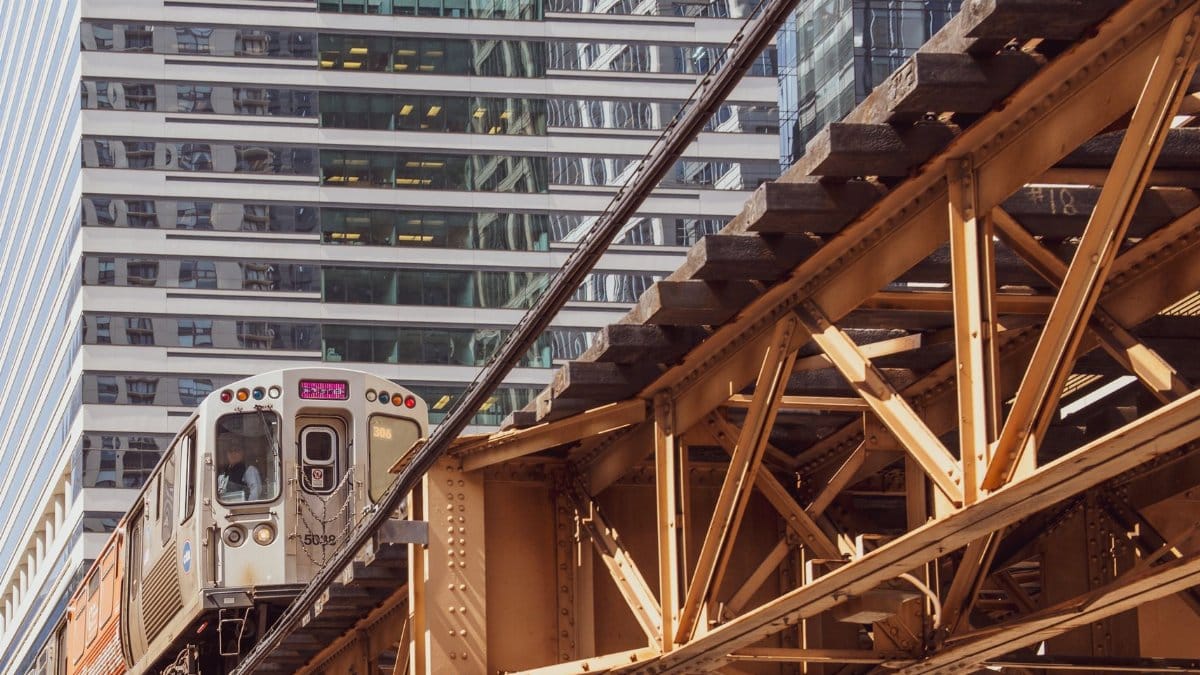
Seattle sits in the middle of a string of cities that already behave like one extended region. Portland sends software workers, musicians, and families north for a day. Vancouver sends visitors south for games, shopping, and relatives. Eugene and smaller stops pull students and state workers into the same pattern. The highway can do this work, and often does, but it does it at the cost of attention, parking, and a kind of fatigue that rail simply does not impose. Airports do it faster on paper and slower in practice once security, taxis, and weather delays are counted.
I have waited under the clock at King Street Station on evenings when the board told a truer story than any slogan. People were not there for nostalgia. They were there because a seat on a train was the least complicated way to keep a promise in another city. Equipment that adds seats and steadies the ride serves that motive. It does not invent a new culture of travel. It maintains one that already exists.
Comfort is a practical subject

Comfort is easy to mock until you spend an afternoon in a seat that fights your back. The Airo design, as Amtrak has presented it in public materials, aims at travelers who work, nap, or watch the water with equal seriousness. Wider aisles, cleaner restrooms, and power at the seat are not luxuries on a corridor where laptops are as common as paperbacks. A cafe that can handle a full holiday load matters as much as a quieter cabin. Parents with strollers and riders with limited mobility notice doors, gaps, and the time it takes to board. Those details decide whether rail feels open or exclusive.
There is also the matter of noise and motion. Cascades riders have long accepted a certain sway as part of the route. A new carbody can reduce that sway without pretending the track is a runway. If testing confirms a calmer ride, the benefit will show up in small ways: fewer spilled drinks, easier reading, less of the low grade exhaustion that makes a person choose the car next time. Comfort, in this sense, is a ridership strategy.
Capacity and the weekends that break the old math

The figure of about three hundred seats is not abstract. On summer Fridays and winter holidays, Cascades trains have a habit of filling in ways that surprise first time buyers. A larger, more flexible set gives the railroad a better chance of matching supply to those peaks without immediately adding another crew and another slot on a crowded railroad. It also gives planners room to think about business class and coach as distinct products rather than as leftovers of an older layout.
Capacity is not the same as frequency. A bigger train that runs less often can still leave people stranded between departures. Riders who live by the clock care about how many choices they have between breakfast and dinner. New cars help only if the operating plan uses them to protect, and eventually expand, the schedule. That is a funding question and a dispatching question as much as a manufacturing question. Shiny equipment cannot invent track time that freight contracts and single track segments do not allow.
The track beneath the advertisement
Anyone who has ridden north of Seattle knows the train sometimes waits for reasons that have nothing to do with the brand on the side. Freight railroads own much of the route. Curves limit speed. Drawbridges and waterfront alignments add constraints that a new interior cannot repeal. Washington and Oregon have spent years on incremental improvements, from station work to stretches of added capacity, because the corridor improves in pieces rather than in a single ribbon cutting. The Washington State Department of Transportation describes that long effort on its passenger rail pages, which remain the clearest public account of who operates the service and why the states stay involved.
This is where enthusiasm should stay honest. A new trainset can raise the ceiling on comfort and reliability. It cannot, by itself, deliver a fast trip every hour from Seattle to Portland. Travelers who expect that outcome will feel misled. Travelers who expect a more dependable version of the trip they already take are the ones the Airo program is built to serve. The distinction belongs in every preview, including this one.
Reliability as the only luxury that counts

Ask regulars what they want and the answer is rarely a softer pillow. They want the train to leave, arrive, and do so again tomorrow. Cancellations teach people to stop trusting a mode, and trust is slow to return. New equipment can help if it breaks less often than what it replaces and if parts and trained staff are in place when something does fail. A fleet that looks modern and sits in the shop is a public relations loss as well as a service loss.
Amtrak has framed Airo as a standard platform for several state supported corridors, which matters for maintenance. Common parts and common training can shorten the time a car spends out of service. The Cascades route will still have its own weather, its own border procedures on trips to Vancouver, and its own seasonal crowds. Standardization helps. It does not erase local reality. Crews who know this railroad will decide, in practice, whether the new cars feel like an improvement by the second month rather than the second press release. Amtrak Cascades Airo Seattle service will be judged in that second month, not in the unveiling.
Borders, stations, and the last mile
A trip that looks simple on a map grows complicated at the edges. Crossing into Canada adds inspection time that no seat design can shrink. King Street Station and Portland’s union station are civic rooms as much as depots, and their surroundings decide whether rail feels connected to the city. A traveler who cannot reach the platform without a costly ride share will not care that the cabin is new. Transit links, safe walking routes, and clear signage are part of the product even when they sit outside Amtrak’s direct control.
Border staffing and station access rarely make the equipment story, yet they shape whether the new cars fill. A reliable train that dumps passengers into a confusing curb is only half a success. Cities that want the ridership have to treat the station as a front door, not as a relic. Seattle has spent years trying to do that. The arrival of fresh rolling stock is a reason to finish the job, not a substitute for it.
Climate math without the sermon

Rail advocates sometimes overload a new train with moral weight it cannot carry alone. A single fleet will not solve regional emissions. It can, however, offer a lower emission choice on a corridor where many trips are short enough to skip a flight and long enough to dread a drive. When the train is full, the arithmetic favors the steel wheel over a line of cars doing the same miles. When the train is late or infrequent, people return to those cars and the arithmetic collapses.
That is the practical climate case, and it does not require a speech. Middle aged riders who already split time between Seattle and Portland understand tradeoffs. They will take the train when it respects their time. They will not take it to make a point. Equipment that protects punctuality therefore does more for emissions than a poster in the station. The same is true of simple fare products and schedules that a person can memorize. Convenience is the climate policy that actually boards.
Money, contracts, and public patience
Airo trains are a public purchase in spirit even when the builder is private. States support Cascades service, Amtrak operates it, and riders pay fares that do not cover the full cost. That mix is normal for regional rail in the United States, and it creates a duty to explain delays in delivery, testing, or entry into service. People can accept a careful rollout. They resent a vague one. Publishing what has been tested, what remains, and when tickets will reflect the new cars is part of earning the appropriation.
Contractors and agencies will disagree, as they always do, about timelines. The useful public question is narrower. When can a traveler from Seattle book a seat on the new equipment with a reasonable expectation that the car will be there? Until that date is real, photos from the yard are previews, not service. Amtrak’s own Cascades service page is the place riders should check for schedules as that date approaches, rather than relying on social media sightings alone.
What riders should watch for next

The next chapter is less cinematic than the first sighting of a new nose on the main line. Watch for crew training notices, for platform work, and for timetable language that names the equipment rather than hinting at it. Watch whether early trips run as extras or as replacements for familiar departures. Watch how the railroad handles the first mechanical hiccup in public. A calm, specific explanation will do more for confidence than another rendering of the interior.
Also watch the cities at either end. If Portland and Vancouver schedules thicken only on paper, Seattle riders will feel it as gaps in the day. If frequencies hold and the new cars simply make those frequencies more pleasant, the project will have done its job. Amtrak Cascades Airo Seattle is not a new railroad. It is a bet that better cars, placed on a route people already use, can keep them using it.
A standard worth keeping
Regional rail succeeds when it becomes boring in the best sense. You stop photographing the train. You start assuming it. The Cascades corridor is close to that condition on its best days and far from it on its worst. New Airo cars will not erase the worst days by magic. They can make the best days more common if testing is finished with discipline and if the operating plan refuses to treat new seats as a substitute for frequency and track capacity.
For a broad public, the story is not a product launch. It is a test of whether a familiar trip can be made steadier without being oversold. The cars are closer to Seattle service than they were when the order was a line in a capital plan. Closer is not the same as ready. When the first ordinary Tuesday runs without fuss, and the Tuesday after that does the same, the keyword will have turned into a habit. Until then, the right posture is interest without gullibility, and a ticket bought for the schedule you can actually trust. Reporting from the Seattle Times has already started that clock. Riders will finish it.