
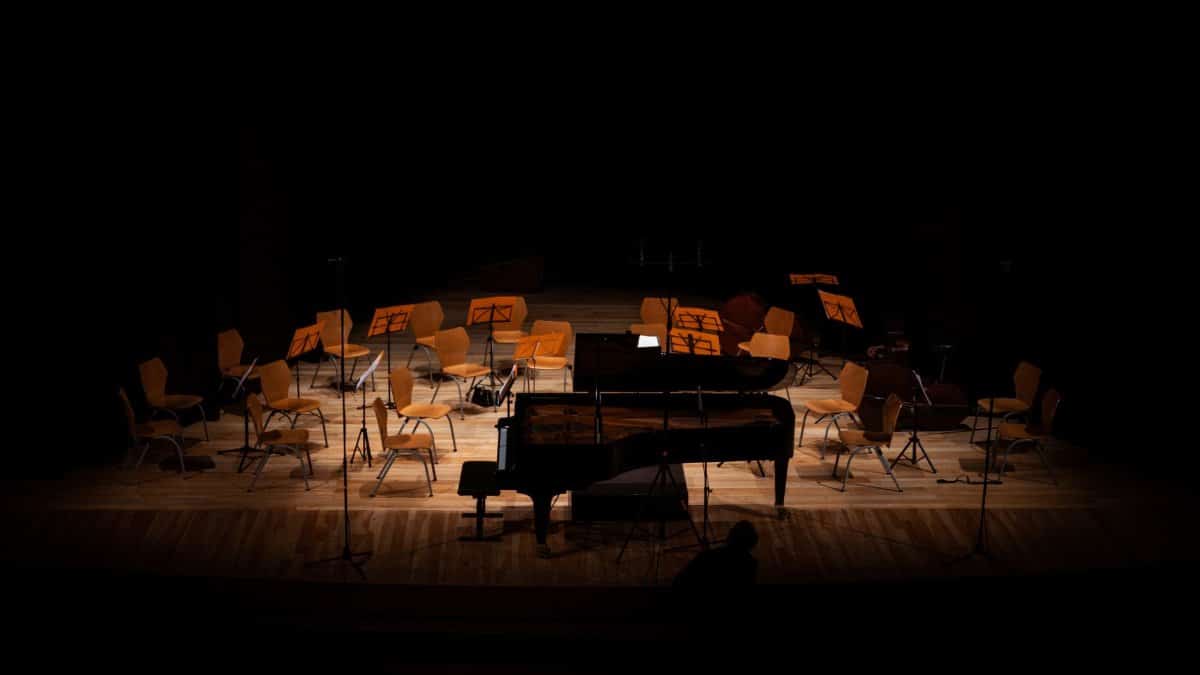
On a block where coffee lines usually outlast conversation, a small circle of string players is preparing to set music down on the pavement. The plan is simple and pointed. Members of the San Francisco Opera orchestra intend to play a free outdoor quartet in Hayes Valley while contract talks remain stalled, turning a labor dispute into a public listening hour. The SF Opera strike concert is meant for passersby, not subscribers, and it arrives without a ticket window or a velvet rope. In a city that often measures culture by what it costs to enter, the gesture asks a plainer question. What does an opera orchestra owe the street when the stage is dark?
A neighborhood asked to listen
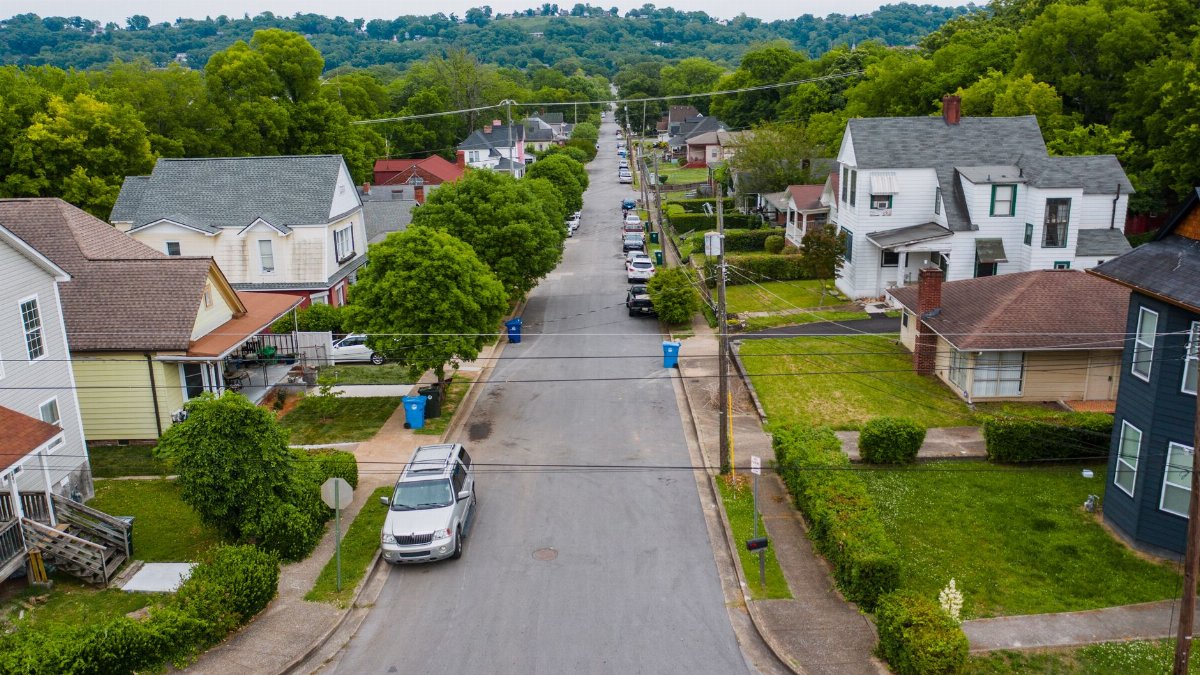
Hayes Valley has long been a place where people pass through on the way to somewhere more expensive. Shops open onto the sidewalk. Dogs pull their owners toward the park. The sound of a bus mixes with the clink of cups. Into that ordinary noise, orchestra musicians plan to place a quartet, four players and a short program, offered at no charge. The choice of site is not accidental. A free concert in a dense neighborhood reaches people who may never buy a seat at the War Memorial Opera House, and it places the dispute where daily life already happens.
Outdoor performance also changes the terms of attention. There is no hush enforced by ushers, no late seating held until a pause. Listeners can stay for a movement or for the whole set. They can leave when a child grows restless. That looseness is part of the point. The musicians are not recreating the house on the curb. They are reminding the city that the people inside the pit are neighbors as well as specialists.
What a quartet can and cannot carry
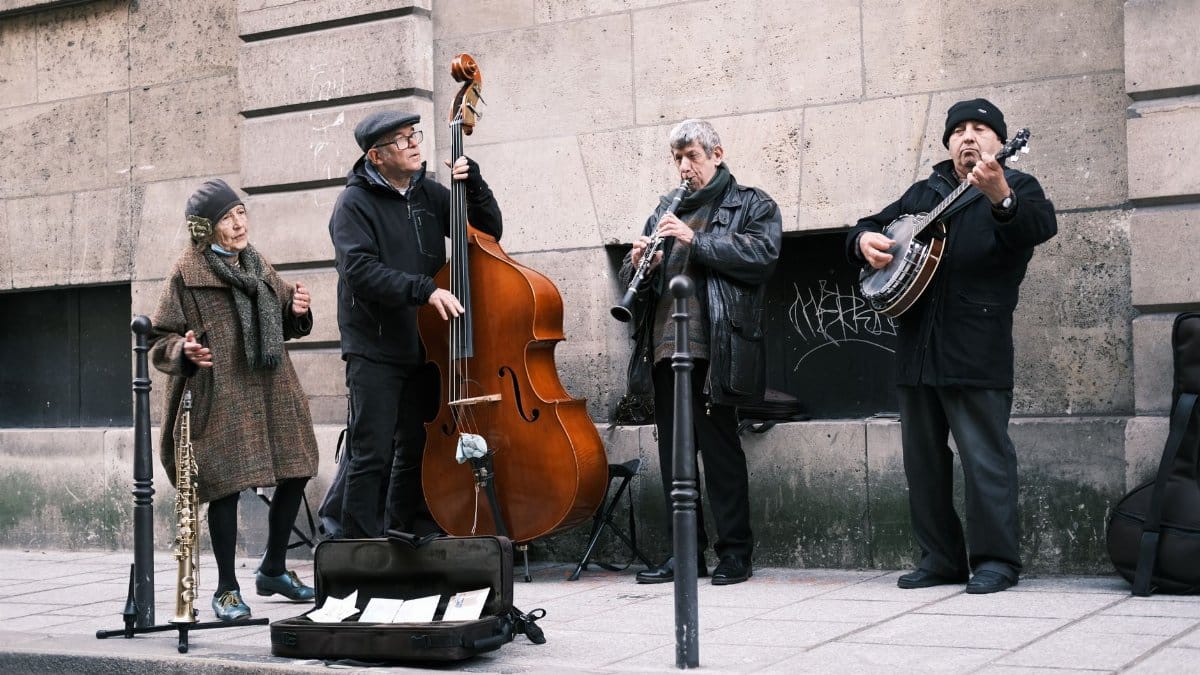
A string quartet is a severe and intimate form. Four lines of music must agree without a conductor standing in front of them. In a theater, those same players sit inside a much larger body, supporting singers, following a baton, filling a hall built for spectacle. On the street, the scale shrinks. Listeners can see the bow change direction. They can hear a mistake if one comes, and they can hear the repair. That visibility matters during a strike, when management and musicians often speak about each other through statements rather than through shared work.
The quartet cannot stand in for a full opera. It cannot pay rent, settle a pension question, or reopen a canceled performance. What it can do is keep the sound of the company in public circulation. Silence is one of the costs of a work stoppage. A free set pushes against that silence without pretending the conflict has been solved.
Talks that have not found a landing
Contract talks between orchestra members and San Francisco Opera have stalled, according to reporting on the planned performance. Stalled is a blunt word. It means the parties have not reached terms they can both accept, and the calendar keeps moving anyway. Opera seasons are built months ahead. Singers hold dates. Sets occupy shops. Audiences plan trips around a single night of Wagner or Puccini. When musicians withhold labor, those plans bend.
The public rarely sees the clauses that divide a bargaining table. Pay scales, health coverage, rehearsal loads, and the length of a season can look abstract until a familiar production disappears from the calendar. A sidewalk concert does not publish those clauses. It does make the human side of the stall visible. The people who would have been in the pit are instead on a corner, playing because they still can, and because they want the city to notice that the music has not vanished with the contract.
Why free admission changes the argument

Ticket prices at major opera companies have become a civic argument of their own. Some listeners treat the house as a closed room for donors and tourists. Others defend the cost as the price of live singers, a large orchestra, and a building that must be lit, staffed, and insured. A free outdoor set does not settle that argument. It sidesteps the box office for an hour and lets the music make a different claim.
Free does not mean costless. Players still spend years acquiring the skill on display. Instruments still require care. Time spent on a corner is time not spent in a rehearsal room under a signed agreement. The gift is real precisely because it is not casual. Neighbors who stop are not customers in that moment. They are witnesses. In a strike, witnesses matter. They carry the story past the press release.
The SF Opera strike concert as a civic ritual
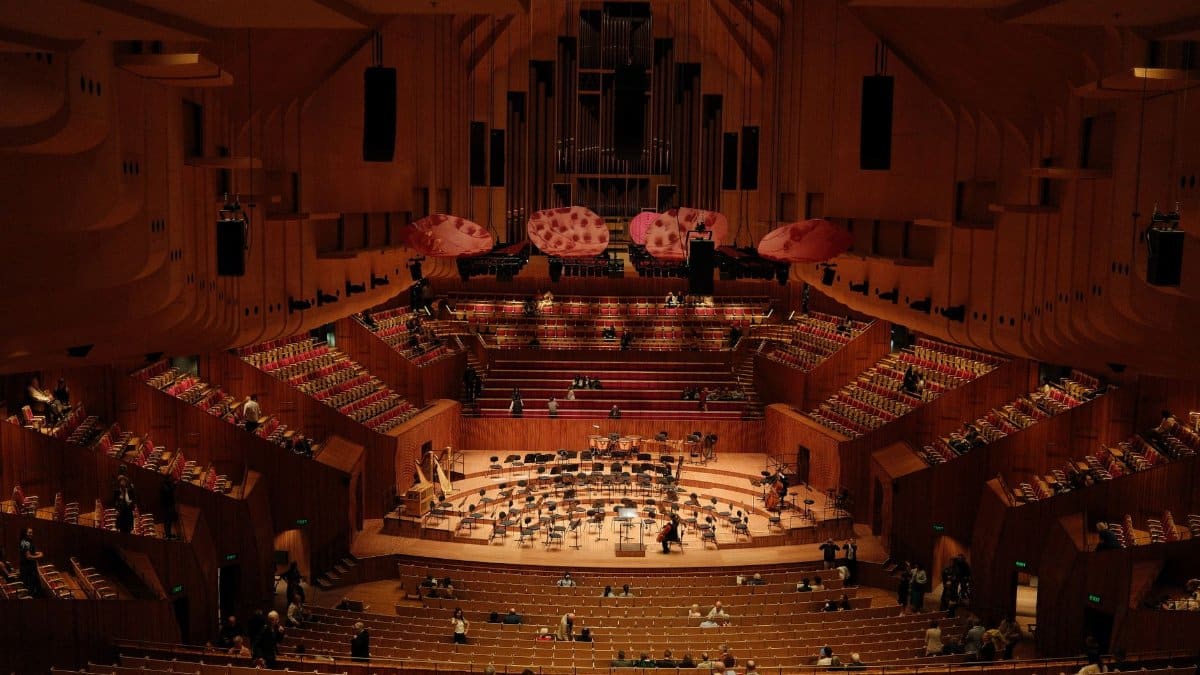
There is a spiritual dimension to gathering without a transaction, though it has nothing to do with doctrine. People stand still together. They let a phrase finish before they speak. They share a silence that is not empty. Cities offer few such pauses that do not ask for a purchase. The SF Opera strike concert borrows the grammar of a recital and sets it inside the grammar of a picket, even if no sign is required to understand the stakes.
Rituals hold a community when institutions wobble. A neighborhood concert will not replace a season. It can, for a short stretch of afternoon or evening, restore the habit of listening. That habit is the seed of every later ticket, donation, and argument about what a city owes its artists. Without it, opera becomes a rumor about a building most people never enter.
Labor made audible
Strikes in the performing arts confuse audiences who think of musicians as people who simply love their work. Love is present. It does not pay for housing in a city where a single room can consume a paycheck. Orchestra jobs are skilled trades with unstable calendars. A player may be essential on opening night and idle when the title changes. Negotiations try to turn that uneven year into a livable one. When they fail, the public hears absence first: a dark date, a substituted program, a note in the inbox.
Playing anyway, outside the contract, is a different kind of speech. It says the dispute is with the terms, not with the art. It also risks being read as a softening, as if music offered for nothing proves the players can wait. Both readings can exist in the same crowd. A listener may feel gratitude and still wonder how long gratitude is supposed to substitute for a signed agreement. Honest coverage holds both feelings without forcing a winner.
What passersby are likely to hear
A quartet on a city corner will not sound like a pit under a stage. Wind will take the top of a phrase. A truck will cover a soft measure. The players will adjust, as street musicians have always adjusted, by choosing tempos and dynamics that can survive open air. The repertoire, whatever short works they bring, will favor clarity over sheer size. Listeners should expect concentration more than spectacle.
That concentration is the news. San Francisco has no shortage of amplified sound. It has fewer chances to hear unamplified string playing at close range, played by people whose regular job is to support some of the most demanding vocal music in the repertoire. The SF Opera strike concert compresses that skill into a format a sidewalk can hold. If the set is brief, brevity is not a flaw. It matches the attention a street can honestly give.
Hayes Valley and the memory of a cut
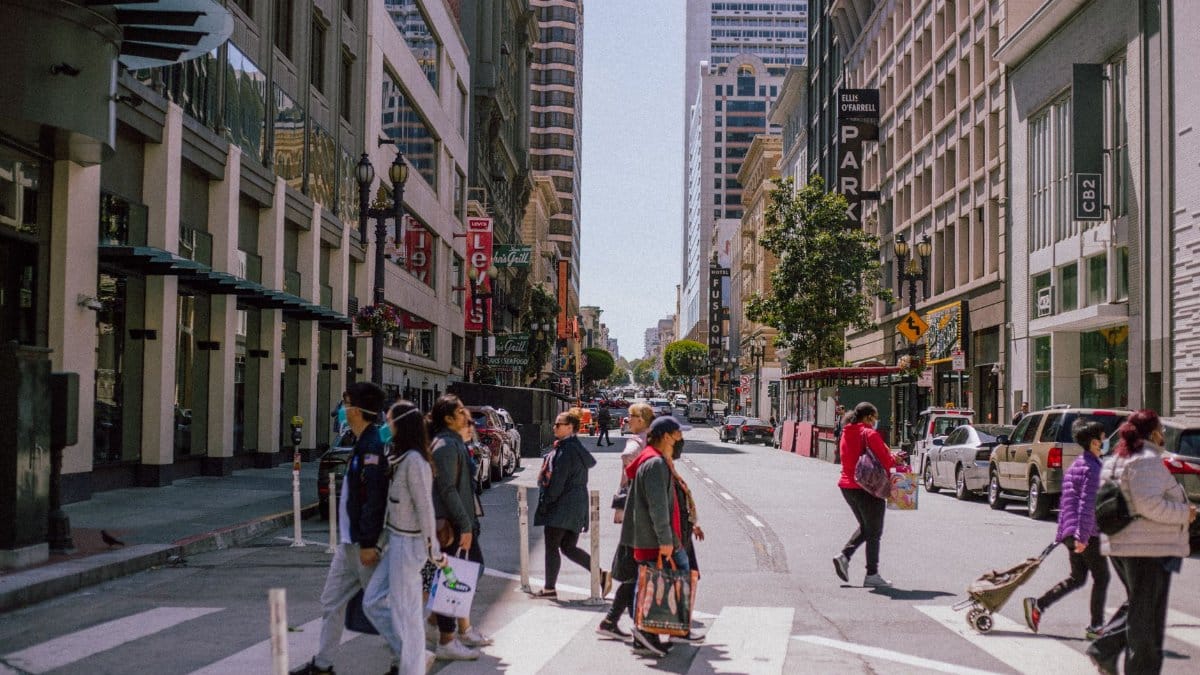
The neighborhood sits on land reshaped by the removal of a freeway spur after the Loma Prieta earthquake. Where a concrete elevated road once divided blocks, there are now shops, trees, and a park that people treat as a shared yard. That history gives the concert a quiet resonance. A place rebuilt for walking is being asked to host a performance that cannot happen inside the usual walls. The city has practiced this kind of substitution before, turning damaged infrastructure into public space. Music on that ground feels less like a stunt and more like a continuation.
Still, a park is not a hall. There will be no assigned sightlines. People on benches may not realize a performance has begun until a melody rises over conversation. The musicians will have to claim the space with sound alone. If they succeed, the claim will be temporary and generous. When the last cadence ends, the block returns to errands.
Audiences who never bought a season
One test of the event is who stops. Regular opera goers may come out of loyalty or curiosity. They already know the names in the pit. The more revealing crowd is the one that did not plan to be there: a retail worker on a break, a parent with a stroller, a tourist who followed the sound. If those listeners stay, the orchestra has reached past its mailing list. If they drift off, the lesson is equally useful. Public affection is not automatic. It has to be earned in the open, one phrase at a time.
Companies sometimes speak of community engagement as a program with a budget line. A strike concert is engagement under pressure. It is not a grant report. It is a bet that the city still wants this music enough to stand on a sidewalk for it. That bet can fail in public. The willingness to risk failure is part of what makes the gesture credible.
Management, musicians, and the empty house
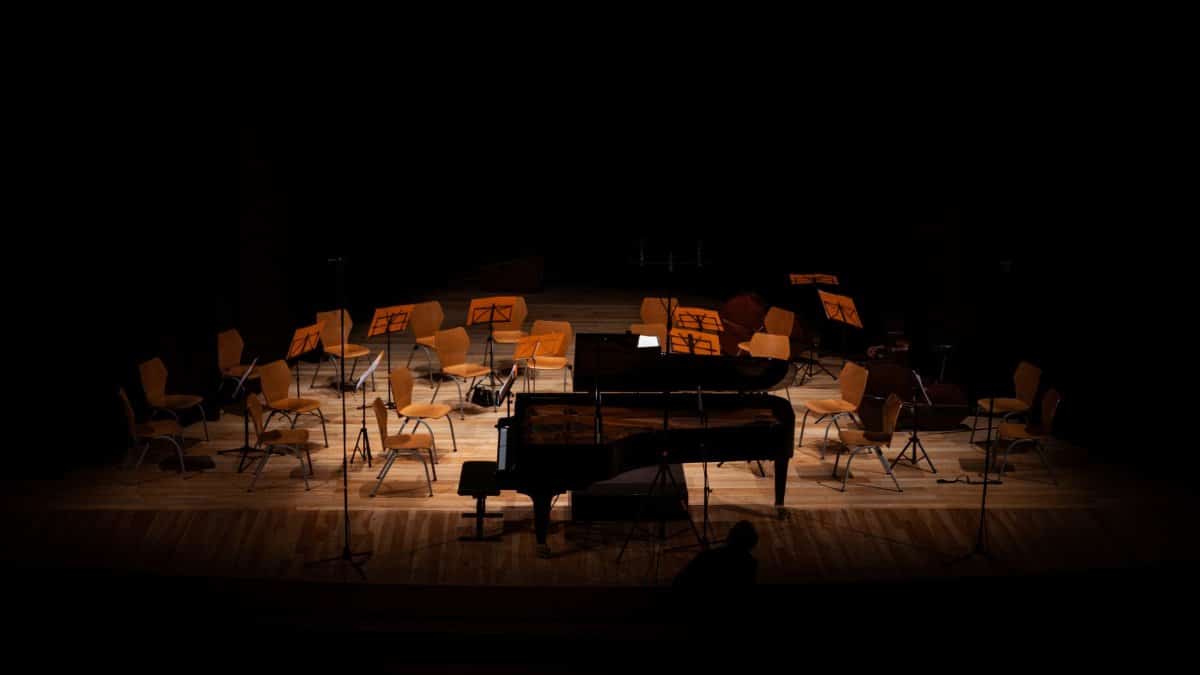
None of this erases the other side of the table. An opera company is a large machine. It employs singers, stage crews, costume shops, and administrators. It carries debt, donor expectations, and a building that does not pause its costs when talks pause. Leaders will argue that offers on the table reflect what the institution can sustain. Musicians will argue that sustainability cannot mean a slow thinning of the very ensemble that defines the art form. Both claims can be stated without caricature. A sidewalk quartet does not adjudicate them. It keeps one claim from becoming invisible: the orchestra is not an abstraction.
Readers who want the clause by clause account should look to ongoing coverage in the San Francisco Chronicle and to statements from the company and the players. Those documents will move faster than any essay. What an essay can hold is the meaning of the choice to play for nothing while the documents remain unsigned.
After the bows on the pavement
When the quartet finishes, the strike will still be a strike unless the talks have moved in the same hours. Instruments will go back into cases. Players will return to whatever mix of waiting, negotiating, and private practice fills a stoppage. Hayes Valley will resume its ordinary commerce. The memory that remains is small and specific: four people making a precise sound in a place that did not ask for a ticket.
That memory is not a settlement. It is a marker. Cities forget labor disputes quickly once the season resumes and the reviews return. They forget less easily if they have stood near the players and heard what the dispute is actually about, which is the continued presence of this skill in this place. The SF Opera strike concert, modest in forces and large in intent, tries to fix that presence in the public ear before the argument moves back behind closed doors.
A standard worth keeping
Supporters of the musicians will hear solidarity. Skeptics will hear a public relations move. Both can be partly right, and neither reading exhausts the afternoon. The cleaner standard is simpler. Did the playing treat the street as worthy of the same care the pit receives? Did the event clarify, rather than decorate, a hard negotiation? Did it leave listeners with more knowledge of who makes opera possible, not less?
If the answer is yes, the concert will have done work that a statement cannot do. It will have turned a stall into a sound. San Francisco has heard plenty of arguments about what its cultural institutions can afford. It hears less often, at close range and without a fee, the standard those institutions exist to protect. For one neighborhood hour, that standard is available to anyone willing to stop.