

Many Americans anticipate the final summer holiday as a chance to relax with family or catch up on errands. In Washington and across the country this pattern holds true each year with retailers adjusting their schedules while essential services follow different rules. Planning ahead requires checking Labor Day store hours to avoid surprises at the door. Government offices close for the federal holiday but shopping centers often remain accessible though with shortened times in some cases. This setup creates a unique mix of opportunities for consumers seeking deals or everyday items.
Retail Outlets Extending Hours in Major Cities
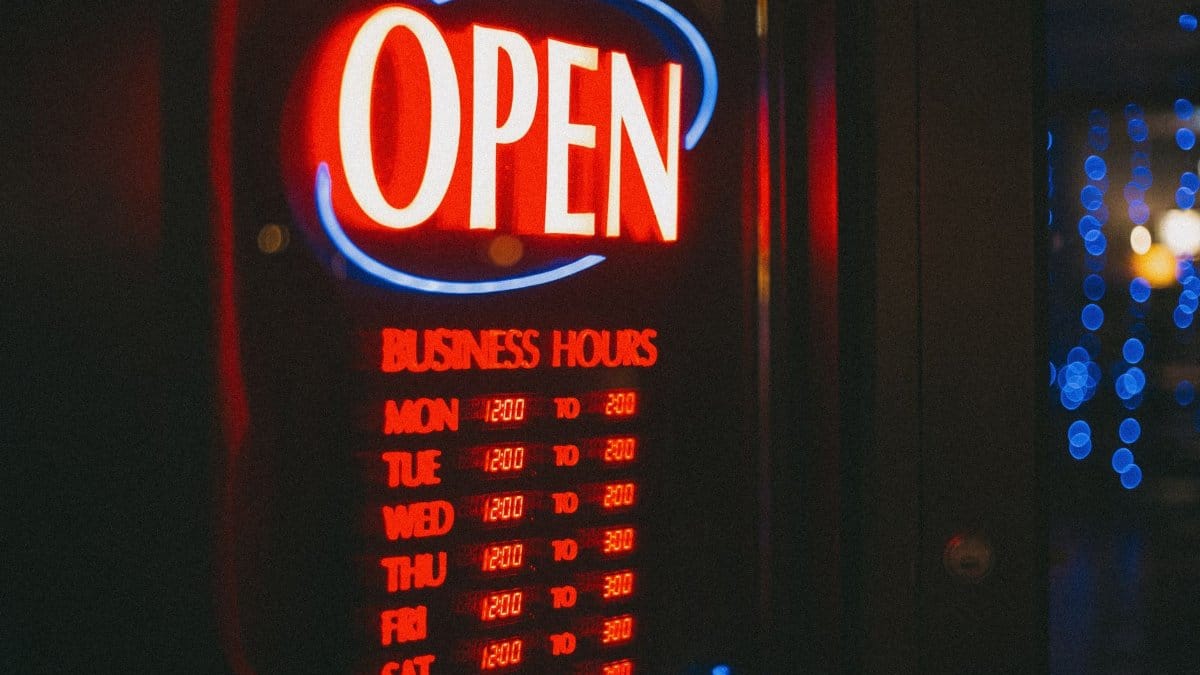
Department stores in Seattle and other urban areas typically welcome customers on the holiday. Chains focus on attracting crowds with promotions that draw in middle aged shoppers looking for clothing or home goods. National data shows most big box locations operate from morning until evening though some close earlier than usual.
Washington State Specific Patterns for Shoppers
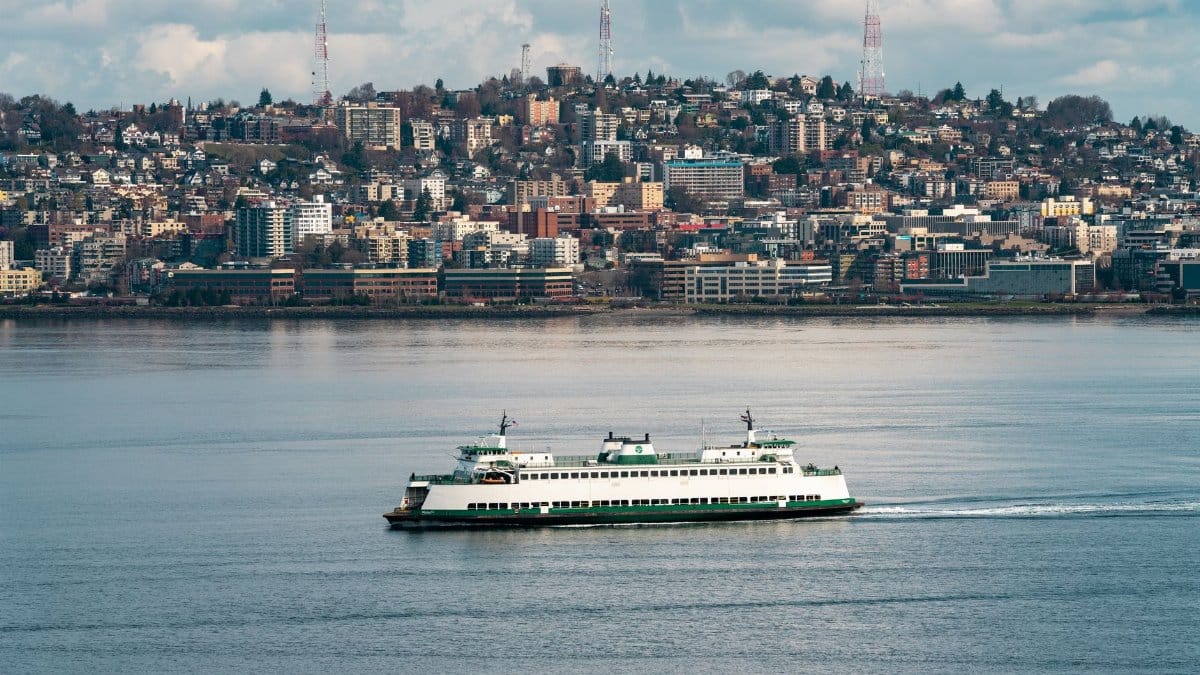
Local malls in the Puget Sound region follow a standard approach keeping doors open for those who wish to browse. Smaller boutiques may choose to shut down allowing staff time off. Residents often report mixed experiences depending on the neighborhood and type of business.
Banking and Financial Services Remaining Shut
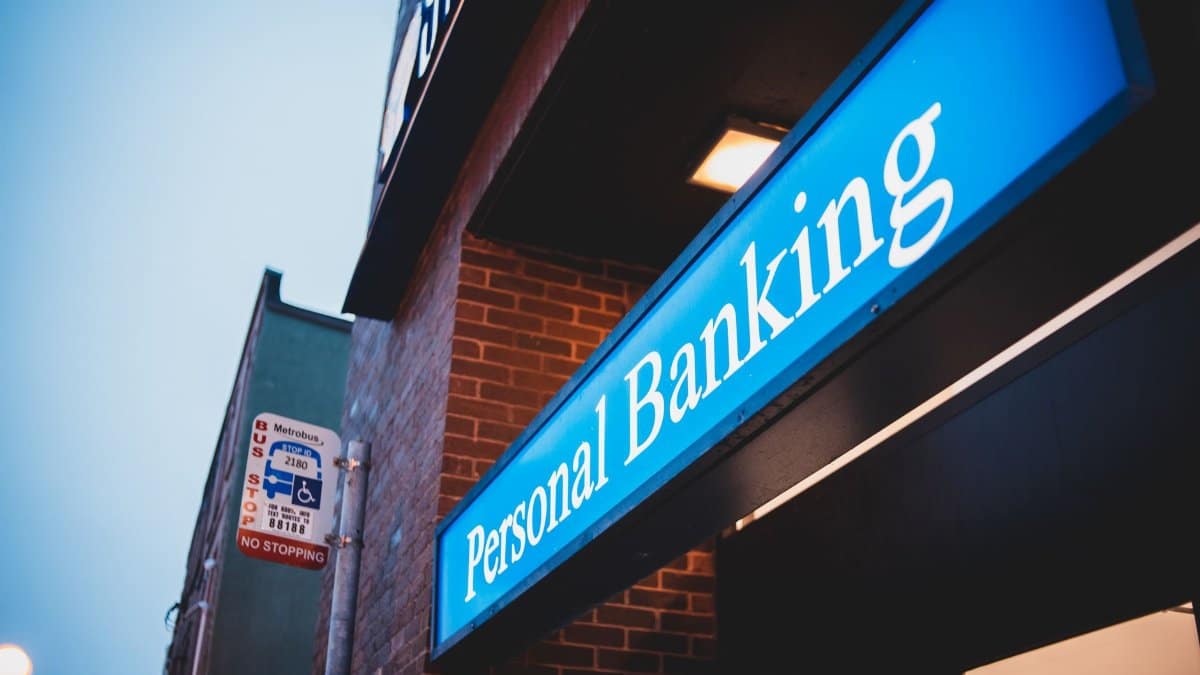
Most banks across the nation observe the holiday by closing branches and limiting online access for certain transactions. Stock markets also pause activity creating a quiet day for investors who rely on real time updates. This closure aligns with federal guidelines that treat the day as a full break.
Grocery Chains Balancing Access and Rest
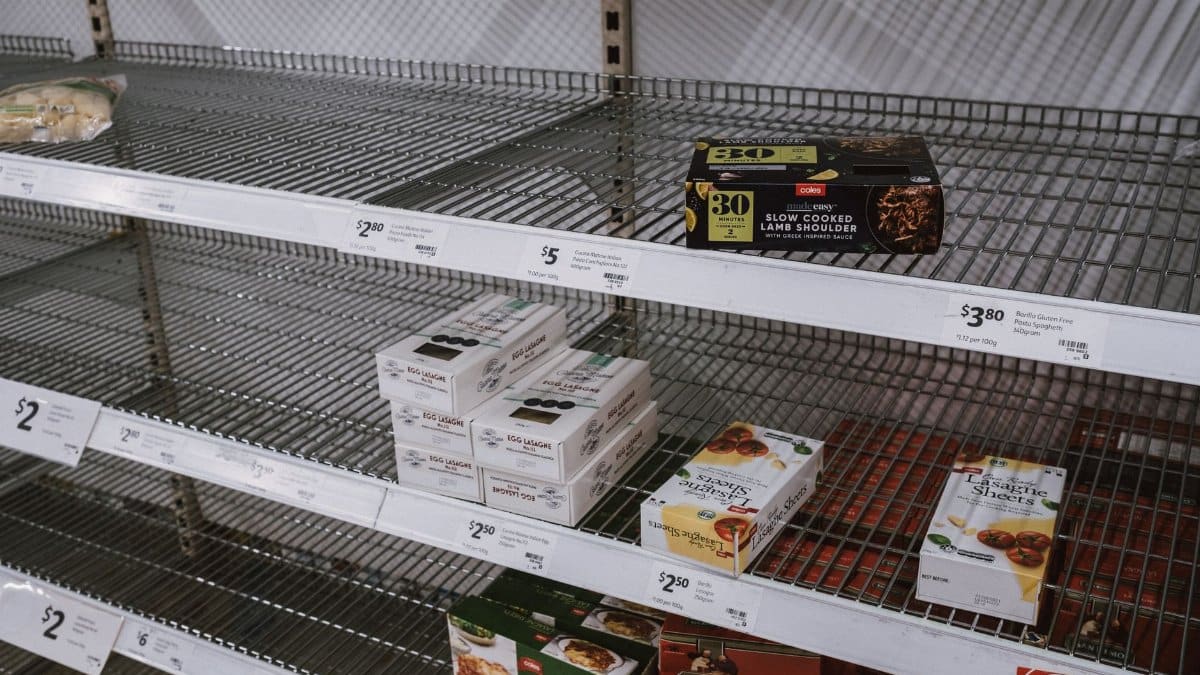
Supermarkets in Washington tend to maintain partial operations with reduced staff on hand. Shoppers can find staples but expect longer lines at checkout counters during peak afternoon periods. Some locations in rural parts of the state opt for full closure to give employees the day free.
Online Retailers Offering Continuous Access

Digital platforms do not follow the same physical restrictions and continue processing orders without interruption. Consumers turn to these options when physical Labor Day store hours do not align with personal schedules. Delivery services may slow however due to driver availability on the holiday.
Impact on Travel and Hospitality Businesses
Hotels and restaurants near popular destinations stay open to serve visitors escaping the city. This sector sees steady demand as families use the long weekend for short trips within the state. Occupancy rates climb in scenic areas though advance reservations remain advisable.
Public Transportation Adjusting to Lower Demand
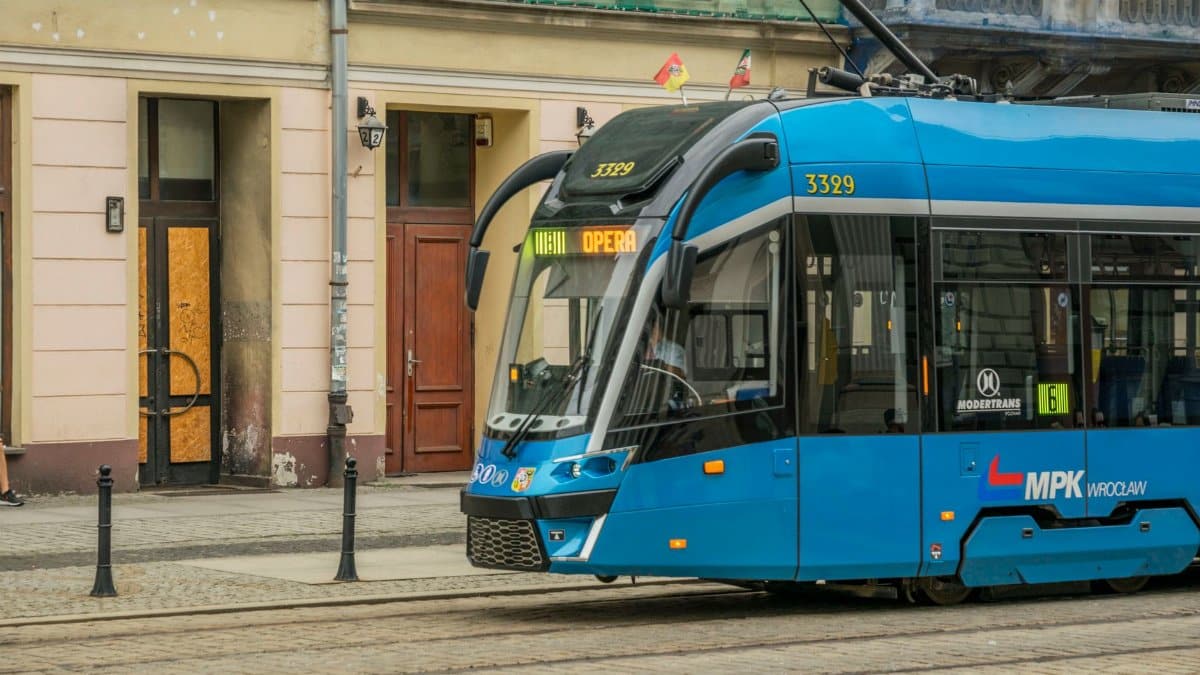
Bus and ferry schedules in Washington reflect fewer commuters on the holiday. Service runs on a weekend like timetable allowing for maintenance while still providing options for those heading to events or family gatherings. Riders should confirm times ahead to avoid long waits.
Historical Context Shaping Current Practices
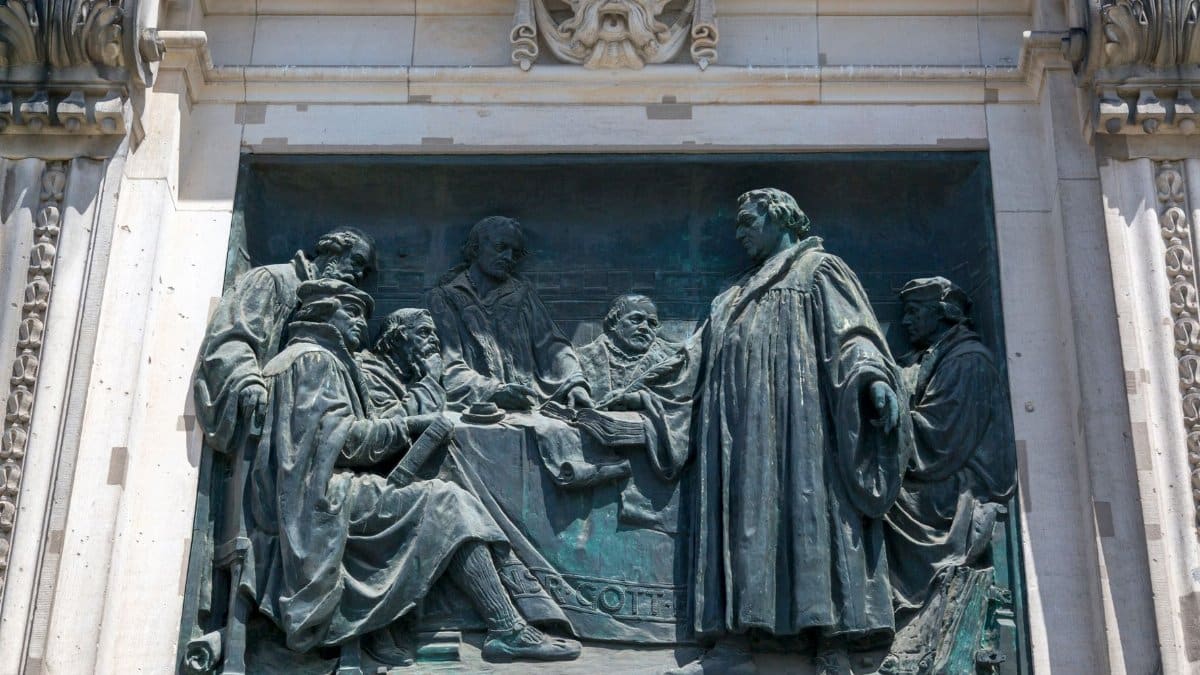
The holiday originated as a tribute to workers and evolved into a commercial event over decades. Early observances emphasized parades and speeches yet modern versions highlight sales events that encourage spending. This shift reflects broader changes in how society values time off and leisure activities.
Consumer Advice for Smooth Holiday Planning

Checking websites or calling ahead prevents wasted trips when Labor Day store hours differ from expectations. Apps from major retailers provide real time updates that prove useful for last minute decisions. Families benefit from coordinating plans around both open and closed locations.
Broader Economic Effects of Holiday Schedules

Retail sales on this day contribute to quarterly results for many companies though the gains vary by region. Closed offices mean lost productivity in some sectors offset by increased activity in consumer goods. Economists track these patterns to understand seasonal spending trends across the country.