
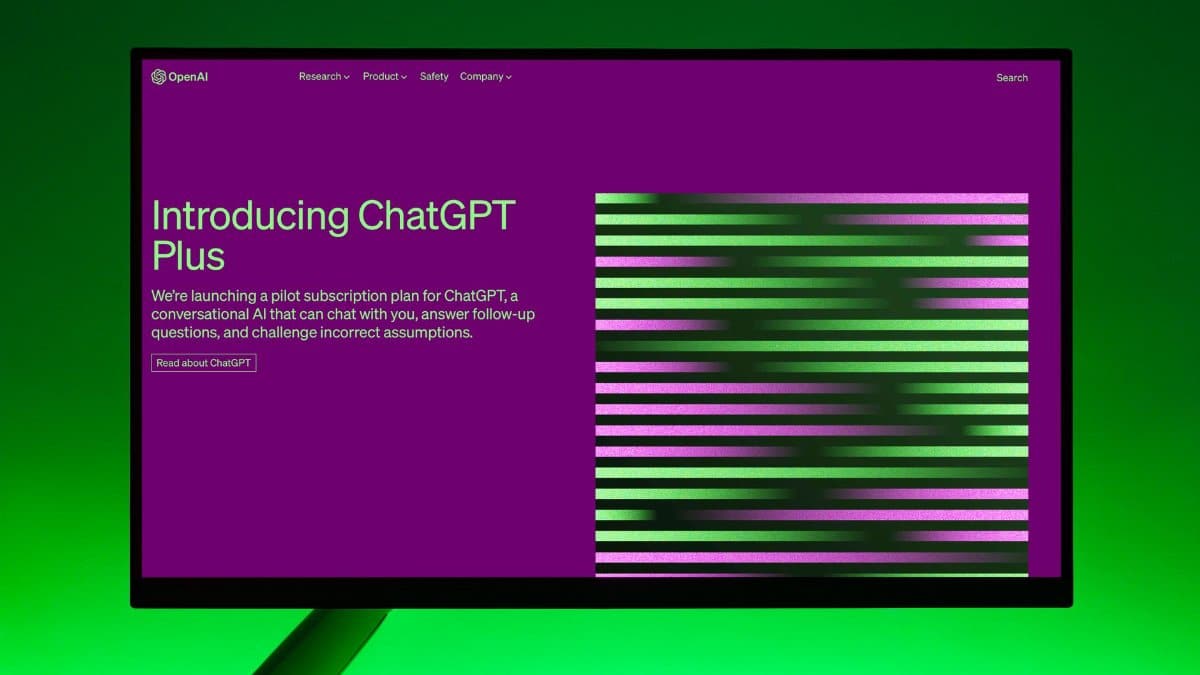
On a typical Monday morning when many workers settle into their routines with coffee and emails the sudden failure of key digital tools creates immediate friction. Reports flooded in from offices and homes alike as email access and productivity suites stopped responding for thousands. The Microsoft ChatGPT outage compounded an already frustrating day for those relying on interconnected services to manage schedules and communications.
Extent of Reported Issues Across Platforms

Downdetector captured a surge in complaints starting early in the day with Outlook and Microsoft 365 services showing the bulk of problems. Users described inability to send messages or load calendars which halted routine tasks in companies of all sizes. Separate tracking showed the Microsoft ChatGPT outage affecting those seeking conversational assistance for research or writing projects. The overlap left many wondering about shared infrastructure vulnerabilities though details remained limited at first.
Reactions from Everyday Professionals

Middle aged office workers in particular voiced concerns over lost productivity during peak hours. One accountant noted spending extra time on manual record keeping while systems recovered. Such experiences highlighted how quickly dependence on cloud based applications can shift focus from core work to troubleshooting. The Microsoft ChatGPT outage drew additional comments from writers and analysts who use the tool for quick summaries or idea generation during busy periods.
Regional Patterns in User Complaints

Activity appeared widespread yet some areas reported denser clusters of issues possibly tied to data center loads. Houston area users joined the national chorus according to aggregated logs from monitoring sites. This distribution suggested the problems stemmed from central service nodes rather than local network faults. Observers pointed to similar events in prior months where recovery times varied by location and user volume.
Historical Context for Similar Disruptions

Technology firms have faced recurring challenges with scaling during high demand periods. Past episodes involving major providers often resolved within hours yet left lasting impressions on reliability perceptions. The recent Microsoft ChatGPT outage fits into this pattern prompting discussions about redundancy measures and backup protocols. Analysts reviewed logs from earlier incidents to identify recurring triggers like authentication bottlenecks.
Potential Factors Behind the Failures

Initial assessments pointed toward configuration updates or capacity strains as likely contributors though official statements stayed cautious. Teams at affected companies worked through verification steps to isolate whether external factors played roles. Such investigations typically unfold over days with findings shared in post event summaries. The timing on a workday amplified attention as stakeholders awaited resolutions.
Lessons on Digital Reliance in Modern Life

Events like these encourage reflection on balanced approaches to tool usage without full dependence. Professionals might consider offline alternatives for critical functions during uncertain periods. Broader conversations emerge around resilience in an era of constant connectivity. The Microsoft ChatGPT outage served as another reminder that even advanced systems encounter limits under pressure.
Guidance for Minimizing Future Impacts

Experts recommend maintaining local copies of important documents and testing alternative communication channels regularly. Organizations could benefit from drills simulating service losses to build response habits. Individual users might explore multiple platforms to avoid single points of failure. These steps though basic gain relevance after widespread reports surface.
Prospects for Improved Service Stability

Providers continue investing in monitoring and rapid response capabilities to address recurring concerns. Future updates may incorporate enhanced failover options based on recent learnings. Public interest remains high as more sectors integrate these tools into daily operations. Continued transparency from companies will shape trust levels moving forward.