
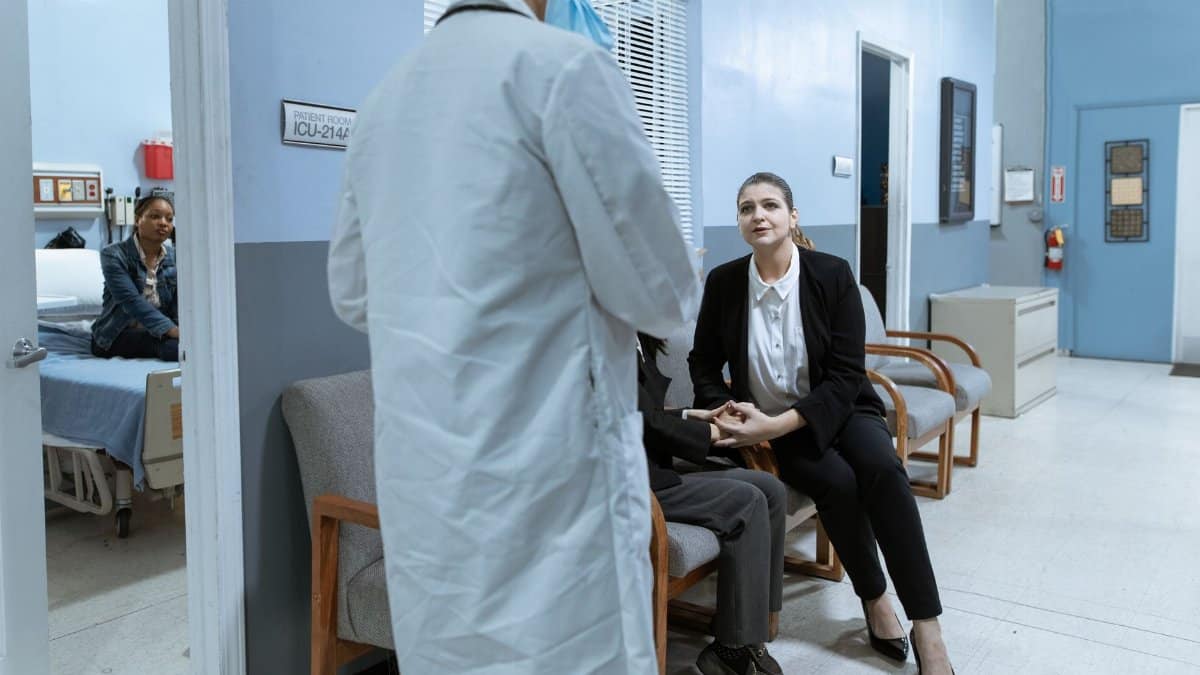
In clinics across Los Angeles a sudden change has left many individuals searching for new medical providers. The end of a long standing agreement means patients must adjust quickly to maintain their health routines. This development involves the UCLA Medi-Cal contract which supported care for thousands of low income residents.
The Origins of the Partnership

The arrangement began more than a decade ago as a way to extend specialty medical services to Medi Cal beneficiaries in the region. UCLA Health joined forces with Health Care LA to create pathways for advanced treatments that local clinics could not always deliver on their own. Over time this collaboration grew to serve a wide array of needs from cardiology consultations to specialized cancer monitoring.
Why the Agreement Came to a Close
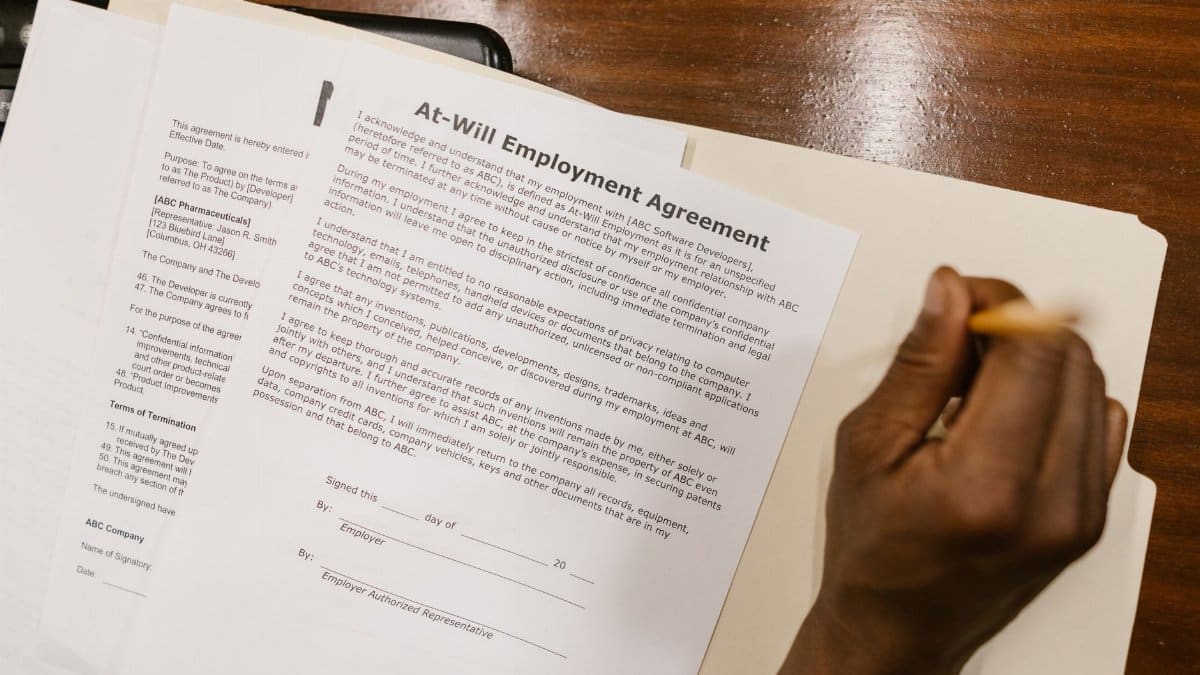
Officials from both sides cited shifting financial pressures and evolving state reimbursement models as key factors in the decision not to renew. Negotiations stretched over several months yet no path forward emerged that satisfied all parties involved. As a result the UCLA Medi-Cal contract reached its final date without extension leaving a gap in service delivery.
Immediate Effects on Daily Patient Care

Individuals who had built trust with UCLA specialists now confront the task of transferring records and establishing new relationships elsewhere. Some report delays in scheduling follow up visits while others worry about continuity for ongoing prescriptions. The transition period has highlighted the fragility of care networks that rely on single agreements.
Challenges in Finding Replacement Providers

Health Care LA has worked to connect affected patients with alternative clinics yet capacity remains limited in certain neighborhoods. Transportation barriers compound the issue for those living far from remaining options. Community advocates note that rural and urban pockets alike face uneven access to the same level of expertise previously available.
Broader Implications for Medi Cal Networks

This situation reflects larger strains within the states public insurance framework where reimbursement rates often lag behind rising operational costs. Similar contract lapses have occurred in other parts of California prompting calls for policy adjustments. Observers suggest that without systemic changes more such disruptions could surface in coming years.
Voices from Those Directly Affected

One longtime patient described the sudden loss of a familiar care team as disorienting after years of consistent support. Another expressed concern about potential gaps in monitoring a chronic condition that requires regular specialist input. These personal accounts illustrate the human side of administrative decisions made at higher levels.
Responses from UCLA Health Leadership

Representatives emphasized their ongoing commitment to serving the broader community even as this particular pathway ended. They pointed to other programs still in place that continue to accept Medi Cal patients for various services. Future collaborations remain possible according to statements issued in recent weeks.
Efforts by Health Care LA to Bridge the Gap

Staff members have organized information sessions to guide patients through the process of locating new doctors and transferring essential documents. Partnerships with additional medical groups are under discussion to expand available slots. The goal remains minimizing any interruption in treatment schedules for those caught in the shift.
Potential Policy Adjustments on the Horizon

State lawmakers have begun reviewing the circumstances surrounding the UCLA Medi-Cal contract expiration to identify lessons for future agreements. Proposals include incentives for longer term stability and improved coordination between academic medical centers and community providers. Such measures could help prevent similar abrupt endings elsewhere.
Looking Ahead for Regional Health Access

As the dust settles stakeholders across Los Angeles continue to assess how best to strengthen the safety net for low income residents. The episode serves as a reminder that health care delivery depends on many interconnected agreements that require careful maintenance. Continued attention from policymakers and providers alike will determine whether solutions emerge that restore a sense of reliability for all involved.