
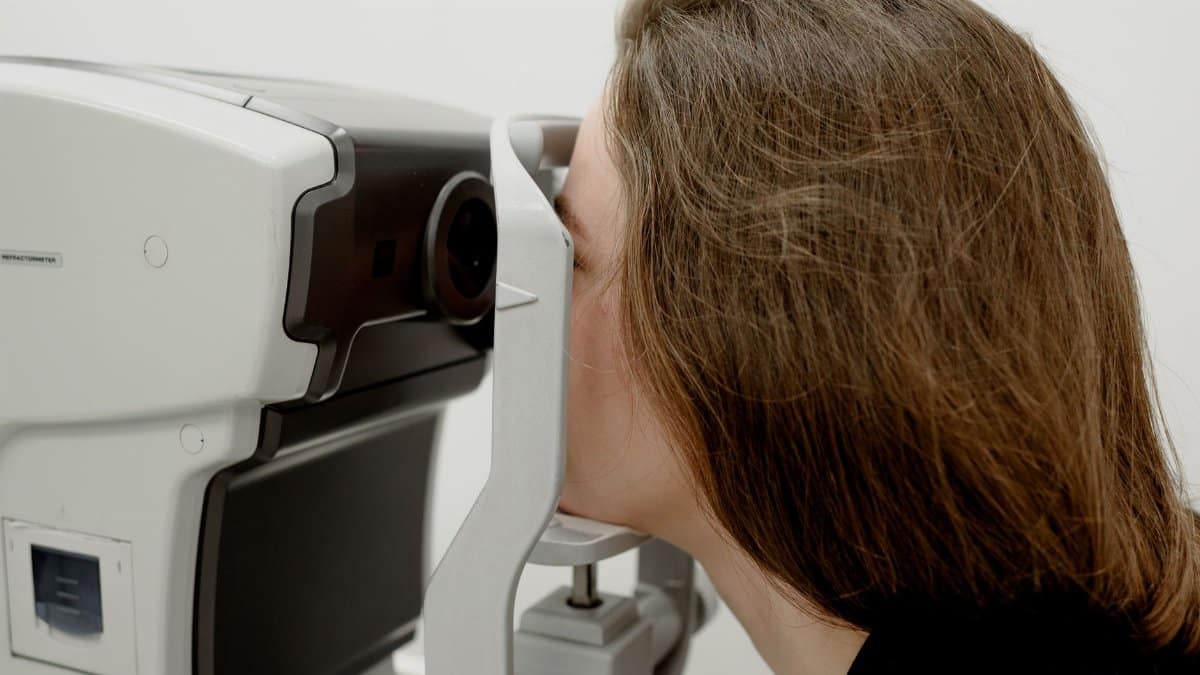
When Lucy Ackman suffered a brain hemorrhage that left her blind, her family faced a future without the simple joys of sight. Her father, a man of considerable means, refused to accept that outcome as final. In a move that pushed medical boundaries, doctors received emergency clearance to attempt something unprecedented. They transplanted mitochondria from muscle in her leg directly into her eyes. This procedure, known as mitochondrial eye treatment, offered a glimmer of possibility rooted in cellular repair rather than conventional surgery.
The Crisis That Changed Everything
A sudden hemorrhage can disrupt the brain in ways that affect vision centers without warning. Ackman experienced this abrupt shift, moving from an active life to complete darkness in a matter of hours. Her case drew attention because standard interventions offered little hope for recovery. Families in similar situations often navigate a maze of specialists and limited options. The focus turned toward experimental paths when time grew short.
Exploring Cellular Energy Sources
Mitochondria serve as the power generators inside cells, and their role in eye health has gained notice in recent research. When these structures falter, tissues in the retina may decline rapidly. The idea of moving healthy ones from one part of the body to another builds on years of lab work with animals. Success in such transfers could open doors for conditions once deemed untreatable.
Regulatory Pathways for Emergencies

The Food and Drug Administration granted special approval for the transplant in Ackman case. This step allowed action outside typical trial structures due to the urgent nature of her condition. Such exceptions remain rare and require detailed justification from physicians. They balance potential benefits against unknown risks in real time.
The Role of Family Resources
Ackman father directed substantial support toward assembling a team of experts. His involvement highlights how personal wealth can accelerate access to cutting edge approaches. Yet the story also raises questions about equity in medical innovation. Not every patient has similar backing to pursue unproven methods.
Early Signs of Response

Following the procedure, Ackman showed gradual improvements in light perception. Doctors monitored cellular integration over weeks and months. While full restoration remains uncertain, the initial progress encouraged further observation. Reports from the care team emphasized careful tracking rather than immediate claims of victory.
Broader Implications for Eye Conditions
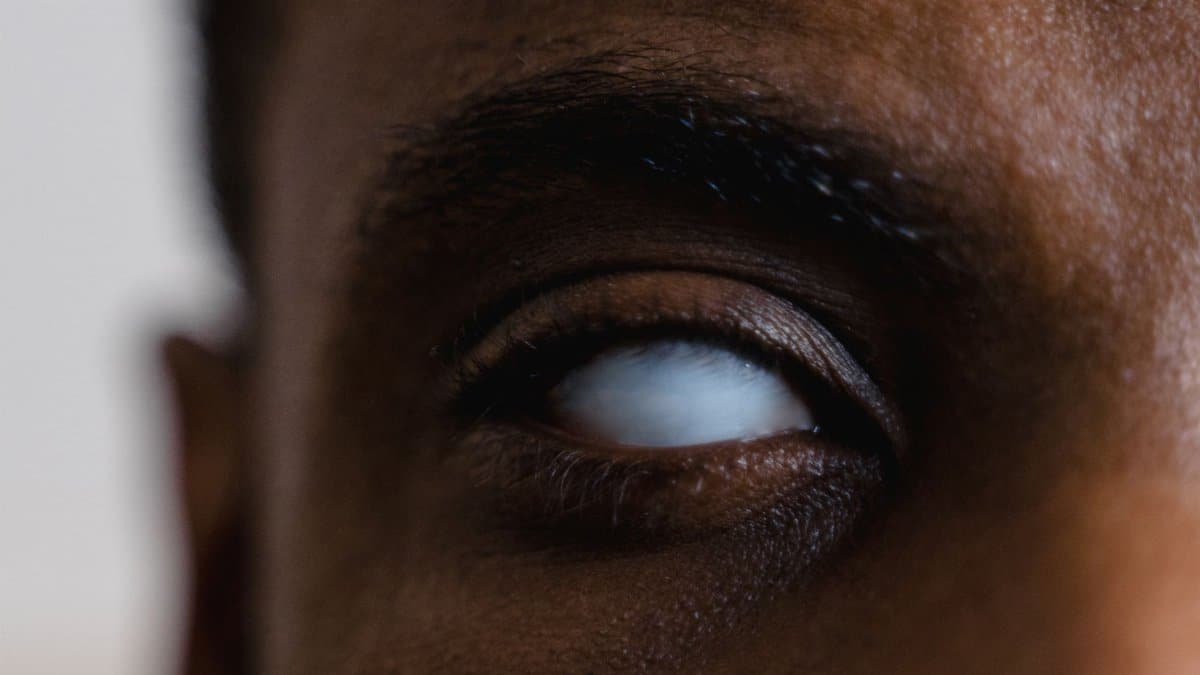
This approach may influence treatments for age related macular issues or inherited disorders. Researchers continue to examine how mitochondrial transfers could complement existing therapies. Clinical interest has grown as more data emerges from similar interventions. The field moves forward with measured steps informed by individual outcomes.
Ethical Questions in Novel Procedures

Any new method invites scrutiny over long term effects and consent processes. Advocates stress the need for transparent communication with patients and families. Oversight bodies review these cases to refine future guidelines. The balance between hope and caution defines progress in this area.
Looking Ahead With Measured Optimism

Ackman journey continues under close supervision, offering lessons for the medical community. Her father decision to pursue the option underscores the human drive to reclaim what seems lost. As understanding of cellular mechanisms deepens, similar strategies may become more accessible. The narrative serves as a reminder that innovation often stems from personal stakes.