
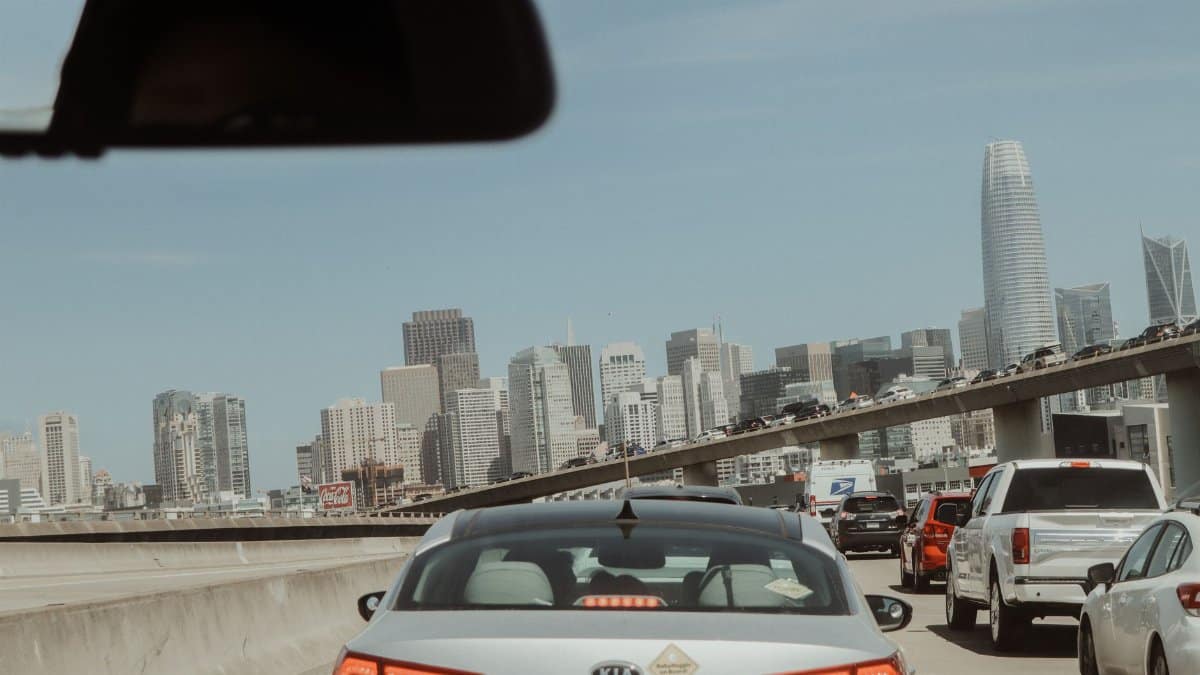
The streets of San Francisco tell a story of shifting priorities in traffic safety as automated systems now capture violations at a pace few anticipated. Drivers who once viewed speeding as a minor risk now face unexpected notices in the mail with many questioning how quickly enforcement has scaled. This change has placed SF speed camera tickets at the center of local conversations about fairness and revenue.
Background on the enforcement shift
City officials launched speed cameras in select corridors after years of debate over pedestrian safety and reckless driving patterns. Data from earlier periods showed modest citation volumes that rose sharply once the devices became active around the clock. The jump from roughly twenty six thousand tickets in twenty twenty four to one hundred twenty two thousand the following year reflects both expanded camera locations and stricter monitoring protocols.
Public reactions and daily impacts

Many residents describe surprise upon receiving their first notice often for speeds just a few miles above posted limits. Families report added costs during an already challenging economic period while some businesses note delivery drivers adjusting routes to avoid monitored zones. Discussions at community meetings reveal a split between those who welcome the safety gains and others who see the system as overly punitive.
Comparison with other cities

Similar programs in places like New York and Chicago provide context for what San Francisco now experiences. Those locations also saw initial spikes followed by gradual declines as drivers adapted their habits. Local analysts watch these examples to gauge whether citation numbers here will follow the same pattern or remain elevated due to dense traffic corridors.
Financial effects on households

Each SF speed camera tickets carries fines that accumulate quickly for repeat offenders. Middle income drivers express concern about budgeting for potential penalties especially when combined with rising insurance rates. Advocacy groups have begun offering guidance on contesting notices and understanding payment plans to ease the burden.
Safety data and claimed benefits

Supporters point to reduced speeds in equipped areas and fewer reported collisions near schools and busy intersections. City reports link the cameras to measurable drops in aggressive driving though skeptics question whether the improvements will persist or simply shift to unmonitored streets. Ongoing studies aim to separate the camera effect from other variables such as changed traffic volumes.
Legal questions under review

Courts have started to hear challenges regarding the accuracy of camera readings and the process for appealing citations. Some attorneys argue that the technology lacks sufficient human oversight while city attorneys defend the systems as reliable and properly calibrated. These cases may set precedents that influence how SF speed camera tickets are handled in future months.
Technology behind the cameras

The devices use sensors and imaging tools to record vehicle speeds and license plates without requiring officers on site. Maintenance crews perform regular checks to confirm calibration standards yet questions linger about performance during poor weather or at night. Vendors continue to refine the equipment based on feedback from San Francisco operators.
Future outlook for enforcement

Expansion plans call for additional cameras in high risk neighborhoods as part of a broader effort to lower traffic fatalities. Policymakers weigh public input against the need for consistent revenue to fund road improvements. How residents respond to more SF speed camera tickets will likely shape whether the program grows or faces scaling back.