

Transportation in major American cities often involves tradeoffs between convenience and cost. San Francisco faces particular difficulties with its aging systems and growing population. A political candidate has recently offered a bold solution that could transform movement throughout the urban area. The San Francisco subway plan calls for dozens of miles of new rail lines buried beneath the streets. This idea comes at a time when public transit is under scrutiny for its ability to reduce congestion and emissions. Manny Yekutiel, running for supervisor, suggests building twenty four miles of subway at a price reaching twenty seven point five billion dollars. Such a project would connect distant neighborhoods and potentially boost economic activity in underserved areas. Observers note that the scale is unprecedented for the region and would require years of planning and construction.
Origins of the Ambitious Rail Vision
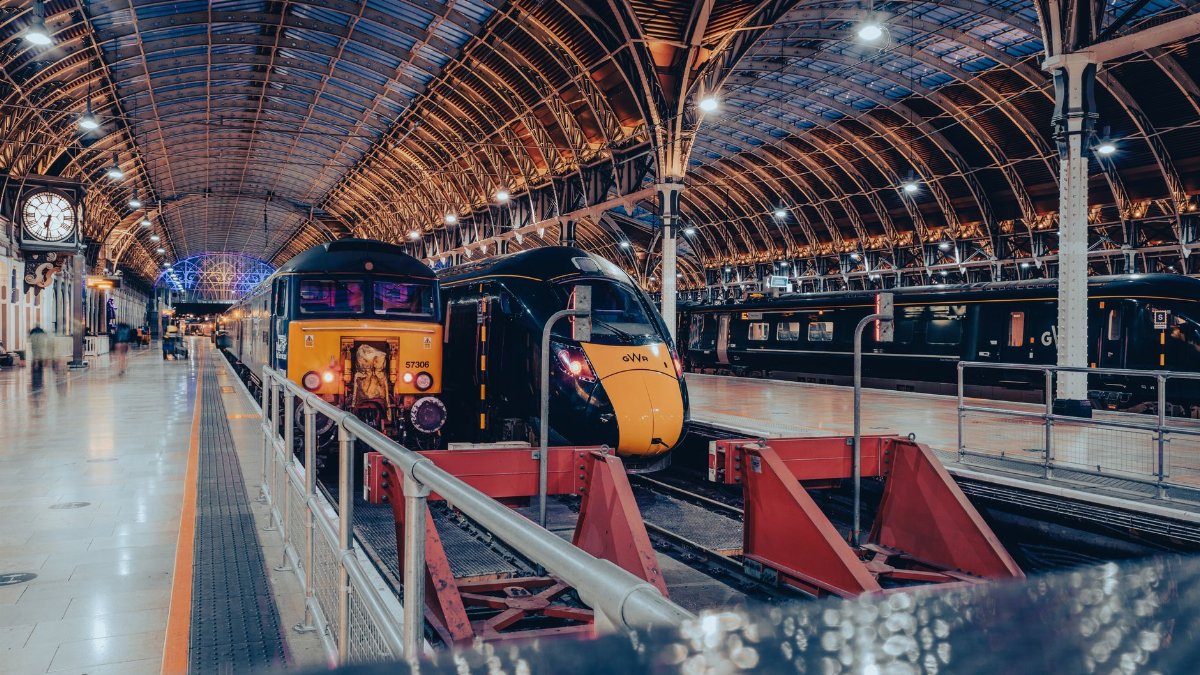
The proposal draws from longstanding frustrations with surface level transit that moves slowly during peak hours. Yekutiel has argued that underground options offer reliability that buses and streetcars cannot match in a hilly terrain. Discussions around expanded rail have circulated for decades yet few have advanced to this level of detail with cost estimates attached. Local business groups have shown early interest because better connections could support tourism and daily workforce travel across the bay area.
Financial Scale and Funding Questions

Reaching twenty seven point five billion dollars places the effort among the largest infrastructure efforts in recent city history. Potential revenue sources include federal grants state bonds and local taxes though each carries political hurdles. Past projects in the region have relied on voter approved measures yet this price tag exceeds previous efforts by a wide margin. Analysts suggest phased construction might ease the burden but that approach could extend timelines into multiple decades.
Route Concepts and Neighborhood Impact
The outlined paths would span twenty four miles linking areas from the western districts to downtown and beyond. Stops in residential zones could encourage denser development while reducing reliance on personal vehicles. Community feedback remains mixed with some residents welcoming faster commutes and others raising concerns over construction disruptions. Detailed maps released by the campaign show alignments that avoid major landmarks yet still require tunneling under existing buildings.
Comparisons to Other Urban Transit Projects
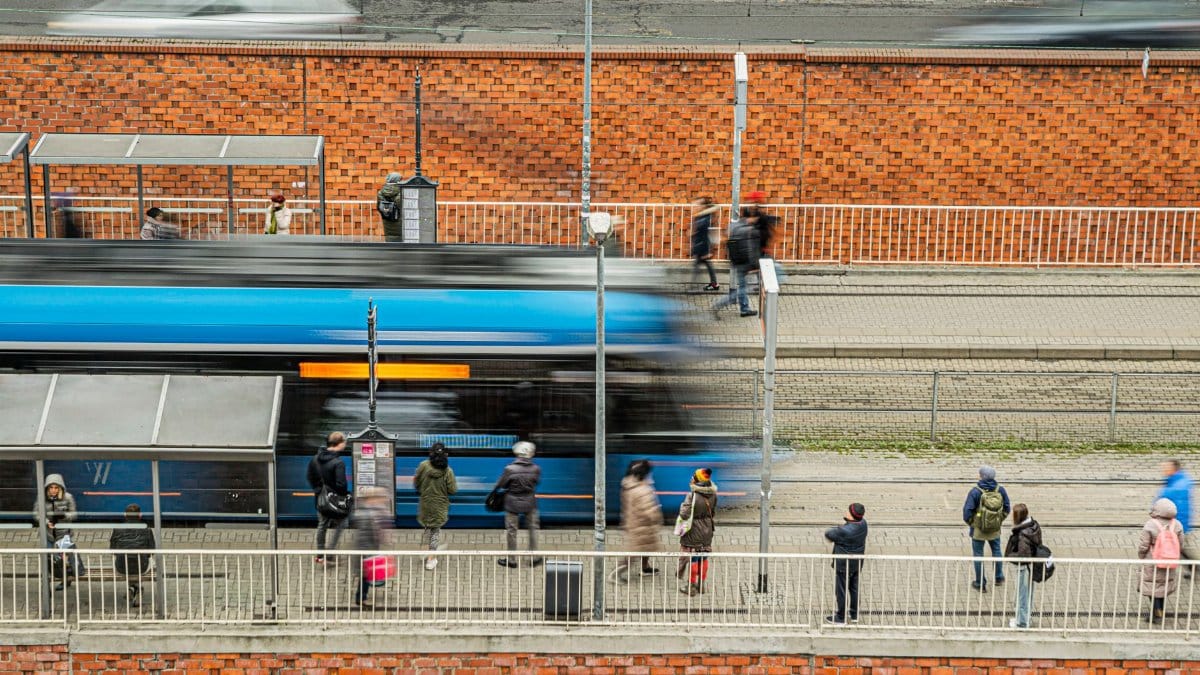
Cities like New York and Chicago have expanded subways over longer periods with varying success in managing costs. Lessons from those efforts include the need for strong oversight to prevent overruns. San Francisco already operates one subway line and several light rail segments so integration becomes a key consideration. Planners would need to coordinate schedules and fares to create a seamless experience for riders switching between modes.
Environmental and Congestion Benefits
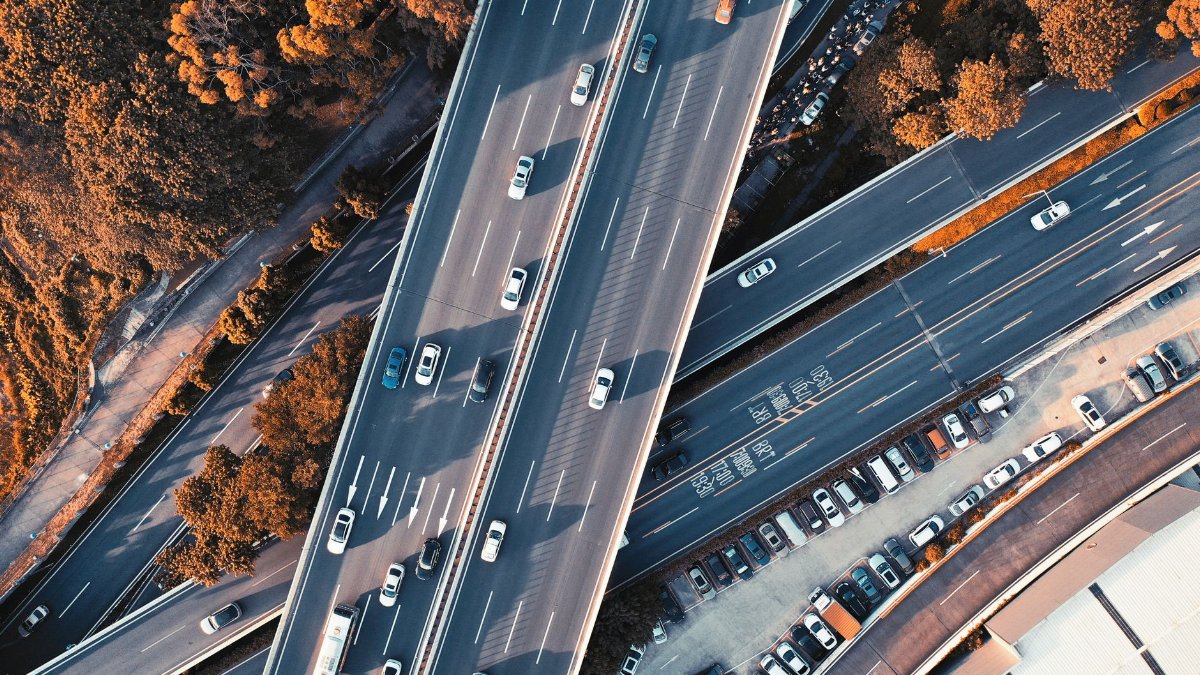
Advocates point to lower vehicle emissions as a primary gain from shifting trips underground. Reduced traffic on surface streets might improve air quality in commercial corridors. Modeling from similar systems suggests daily ridership could climb significantly once lines open. These outcomes depend on reliable service and connections to other transit options already in place.
Political Landscape and Election Timing

Yekutiel advances this concept while campaigning for a supervisor seat which adds visibility to the idea. Other candidates have offered more modest transit adjustments focused on immediate fixes. The proposal could influence voter priorities around housing and mobility in upcoming ballots. City officials have not endorsed the full plan yet acknowledge the need for long range thinking on transportation.
Challenges in Construction and Timeline
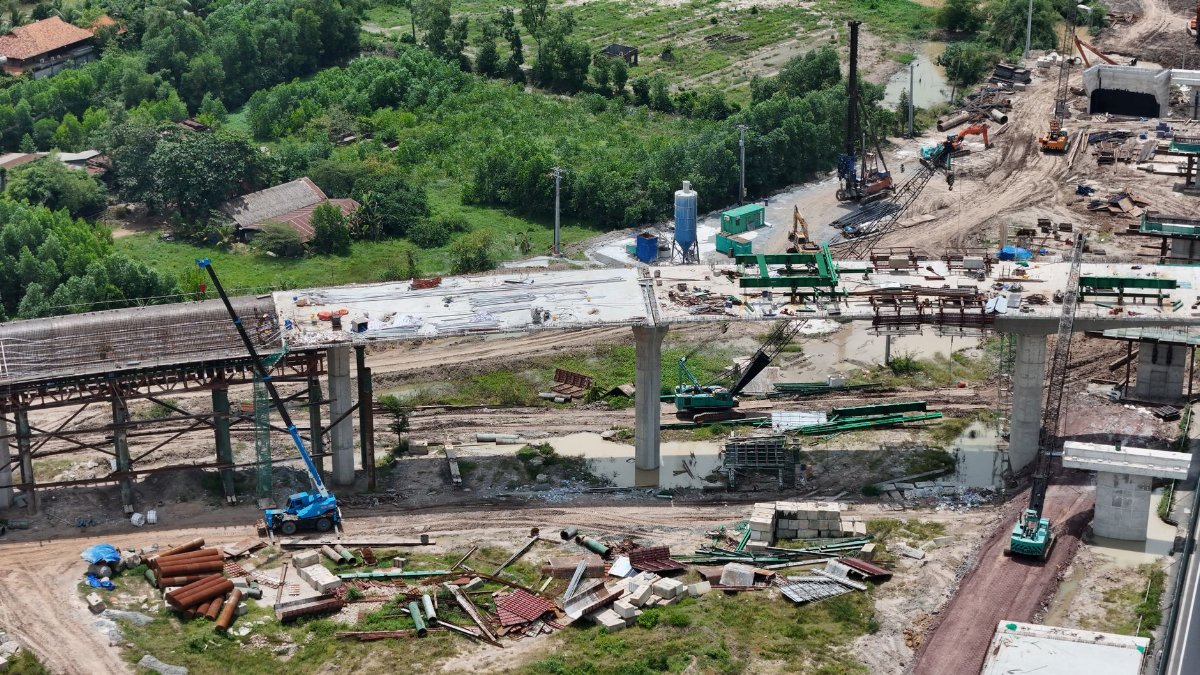
Tunneling through varied geology presents engineering demands that add to overall expenses. Coordination with utilities and existing rail requires careful sequencing to limit service interruptions. Historical examples show that public projects of this magnitude often face delays from permitting and labor issues. Clear communication with residents along proposed routes will prove essential for maintaining support.
Future Outlook for City Mobility
If realized the network could redefine how people experience San Francisco by making distant areas feel closer. Economic modeling ties improved transit to job growth and property value changes. Skeptics caution that resources might better serve other pressing needs like housing affordability. The conversation sparked by this subway plan continues to evolve as details emerge and public input grows.