
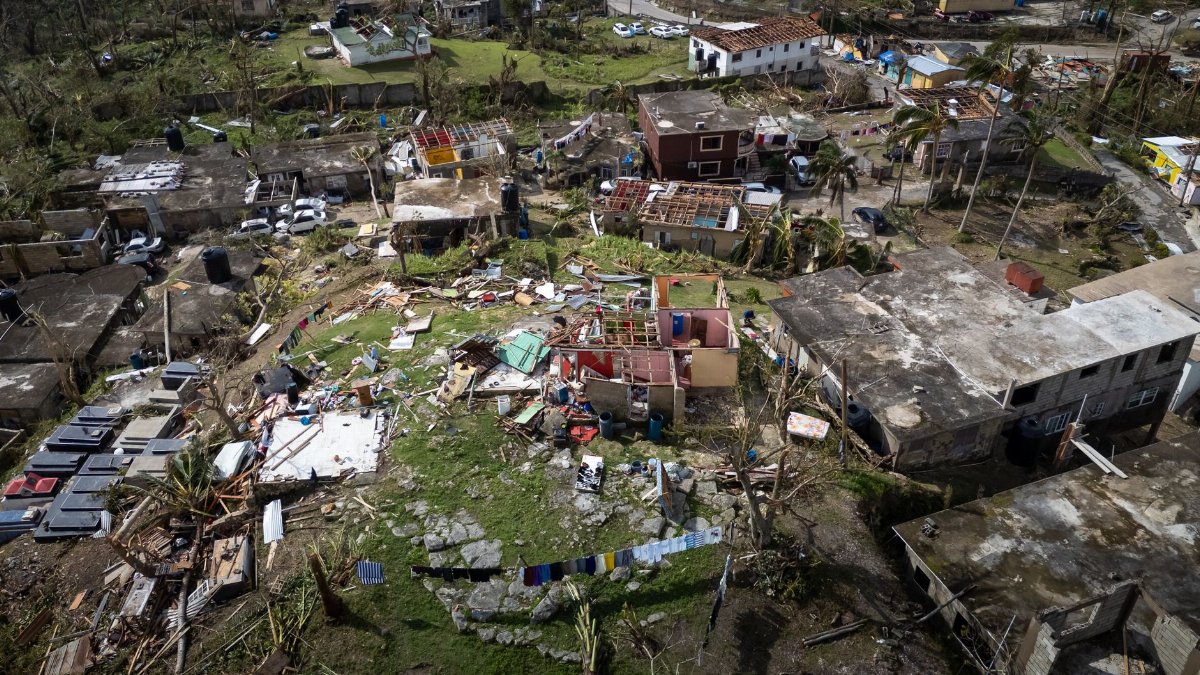
Tuesday night brought unexpected fury to parts of Philadelphia as heavy rain and strong winds swept through the region. Residents in several neighborhoods found themselves dealing with sudden disruptions that lingered well into the following day. The Philly Tuesday night storms left a trail of power outages and scattered debris across streets that usually see steady evening traffic. One area in particular stood out for the extent of the trouble.
Damage Reports from Mantua

Homes in Mantua absorbed the worst of the downpour. Water pooled in basements and yards while tree limbs snapped and landed on roofs and vehicles. Local crews worked through the night to clear fallen branches and check for structural issues. Families described water seeping under doors and the sound of wind rattling windows for hours. Officials later confirmed several properties required temporary relocation for repairs.
Power Outages Across the City
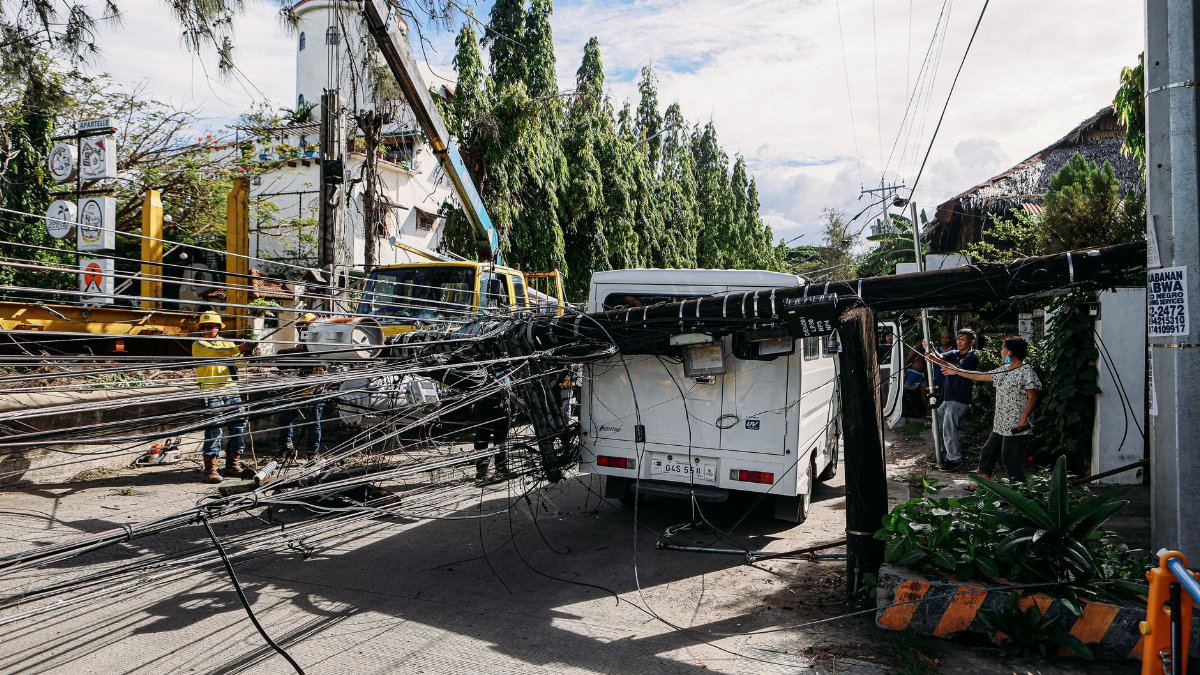
Electricity failed for thousands of customers as lines came down during the height of the weather. Utility teams prioritized hospitals and emergency services first. Many households spent the night without lights or refrigeration. By morning crews had restored service to most areas yet pockets remained dark. Residents relied on flashlights and battery radios to stay informed about conditions outside.
Concert Delayed at Lincoln Financial Field
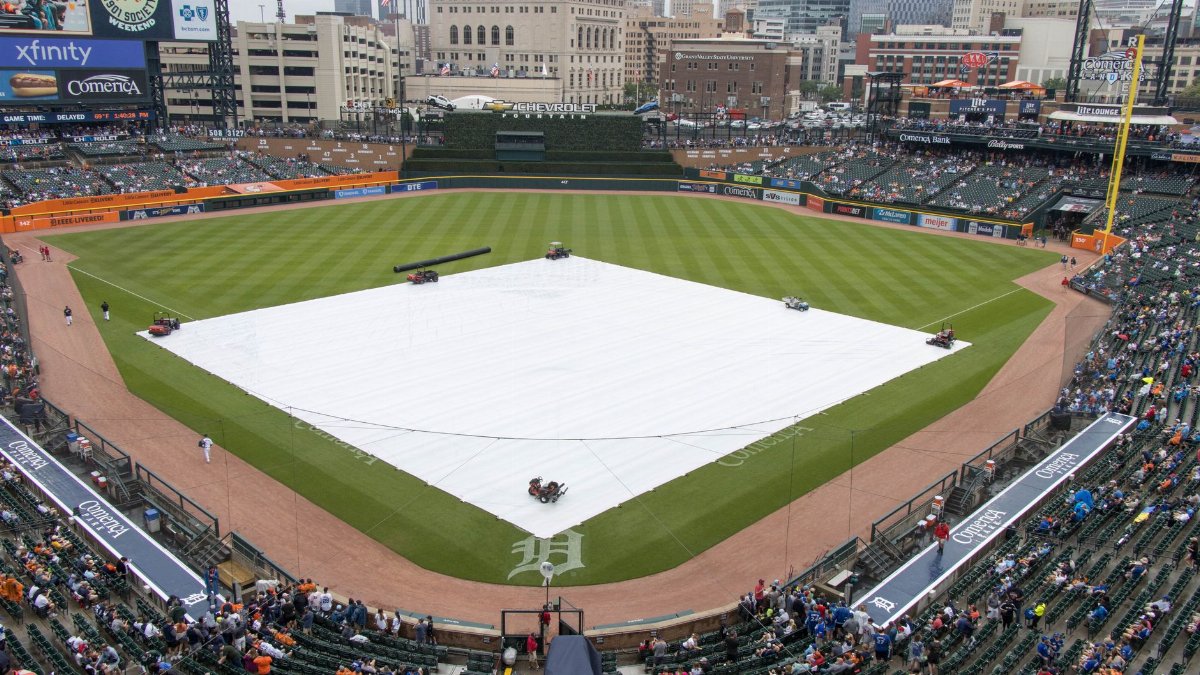
Fans arriving for the Bruno Mars performance faced an unexpected wait. Organizers paused entry while lightning and wind passed over the stadium. The show eventually started later than planned with announcements urging patience. Attendees sheltered in place or nearby venues until the all clear sounded. The delay highlighted how quickly outdoor events can shift when weather moves in rapidly.
Community Response and Mutual Aid
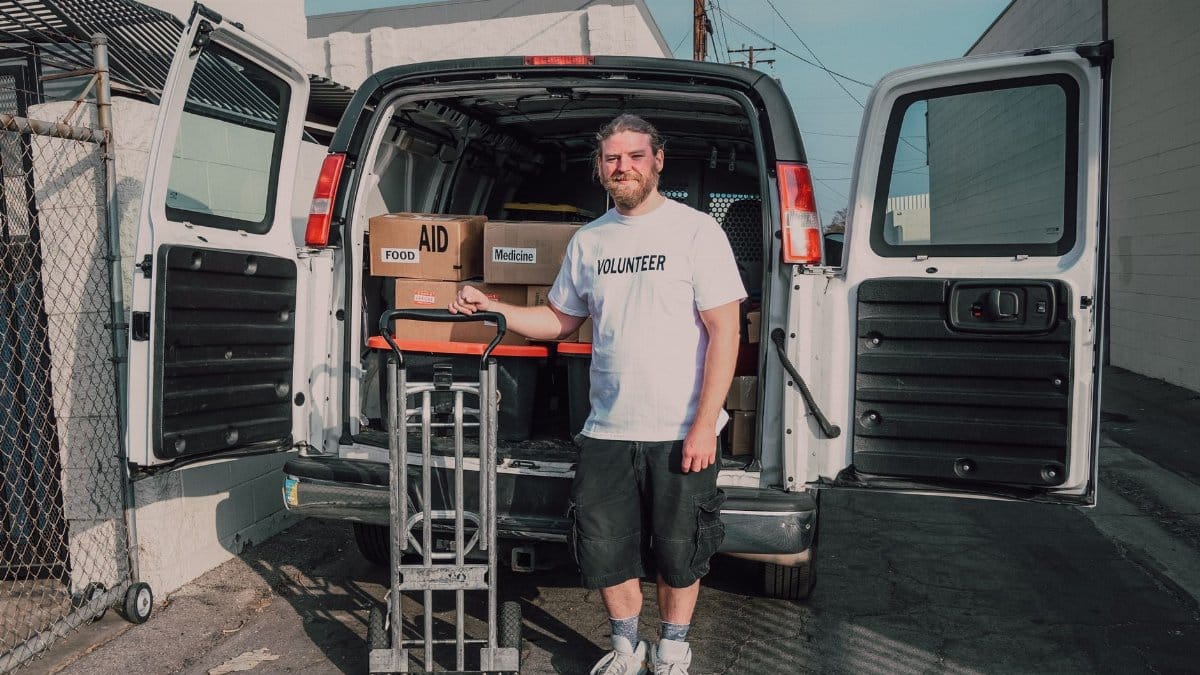
Neighbors in affected blocks checked on one another once the rain eased. Some offered spare generators while others shared updates through text groups. Local churches opened doors for those without power. This pattern of informal support often fills gaps before official aid arrives in full. Stories of shared meals and borrowed chargers surfaced quickly on social media.
Weather Patterns Behind the Event

Forecasters had tracked a line of storms moving from the west. Moisture from the south combined with upper level winds to produce the intensity. Rainfall totals reached several inches in a short span. Such setups appear more frequently in late summer when the atmosphere holds extra humidity. Meteorologists noted the system moved faster than earlier models suggested.
Longer Term Recovery Challenges

Insurance adjusters began visiting damaged homes within days. Some owners faced questions about coverage for wind versus water. City agencies coordinated debris removal schedules to avoid overwhelming landfills. Small businesses near the hardest hit streets worried about lost sales during cleanup. Recovery stretches beyond the initial headlines and requires sustained attention from multiple offices.
Lessons for Future Preparedness

City planners reviewed alert systems after feedback from residents who felt warnings arrived late. Battery backups for traffic signals proved useful in keeping intersections moving. Homeowners discussed simple steps such as clearing gutters and trimming trees ahead of similar nights. Public meetings later allowed residents to share direct experiences with emergency staff.
Broader Regional Effects
Areas outside Philadelphia also reported issues though on a smaller scale. Roads flooded briefly in surrounding counties and some flights faced delays at the airport. The Philly Tuesday night storms served as a reminder that weather does not respect municipal lines. Coordination between neighboring agencies helped limit secondary problems like traffic backups.
Looking Ahead to Storm Season
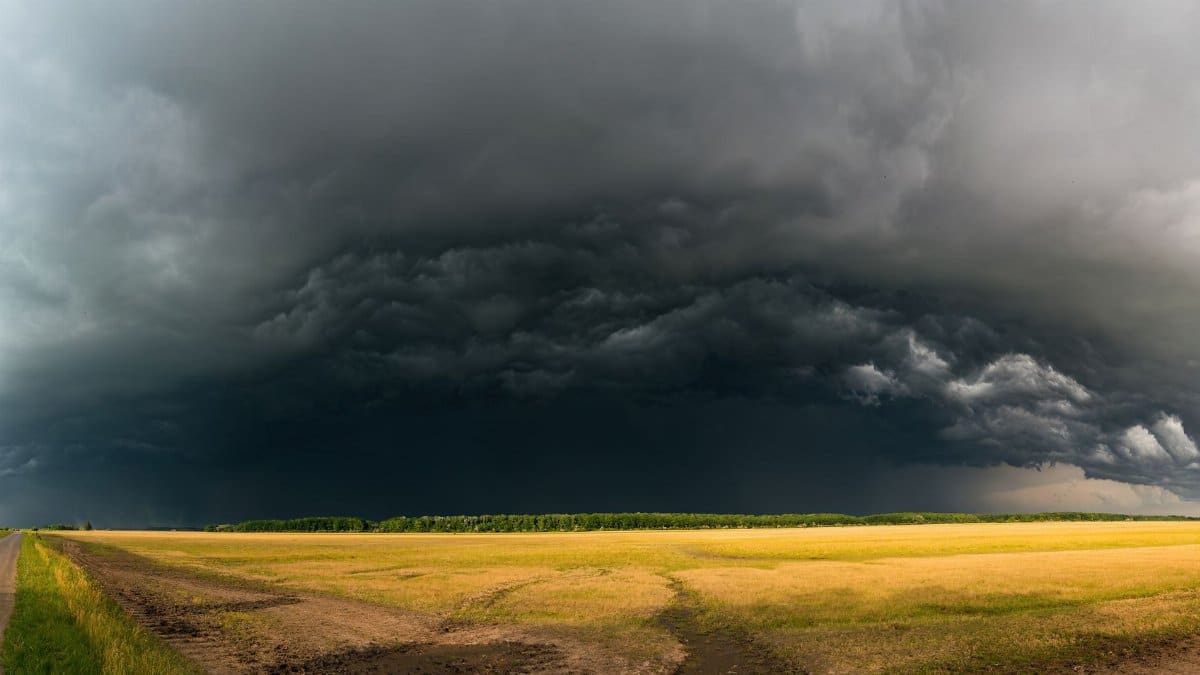
September often brings additional moisture and the chance for further strong systems. Officials encouraged residents to review emergency kits and sign up for local alerts. The recent events offered a practical test of existing plans. Adjustments made now could reduce strain when the next round arrives.