
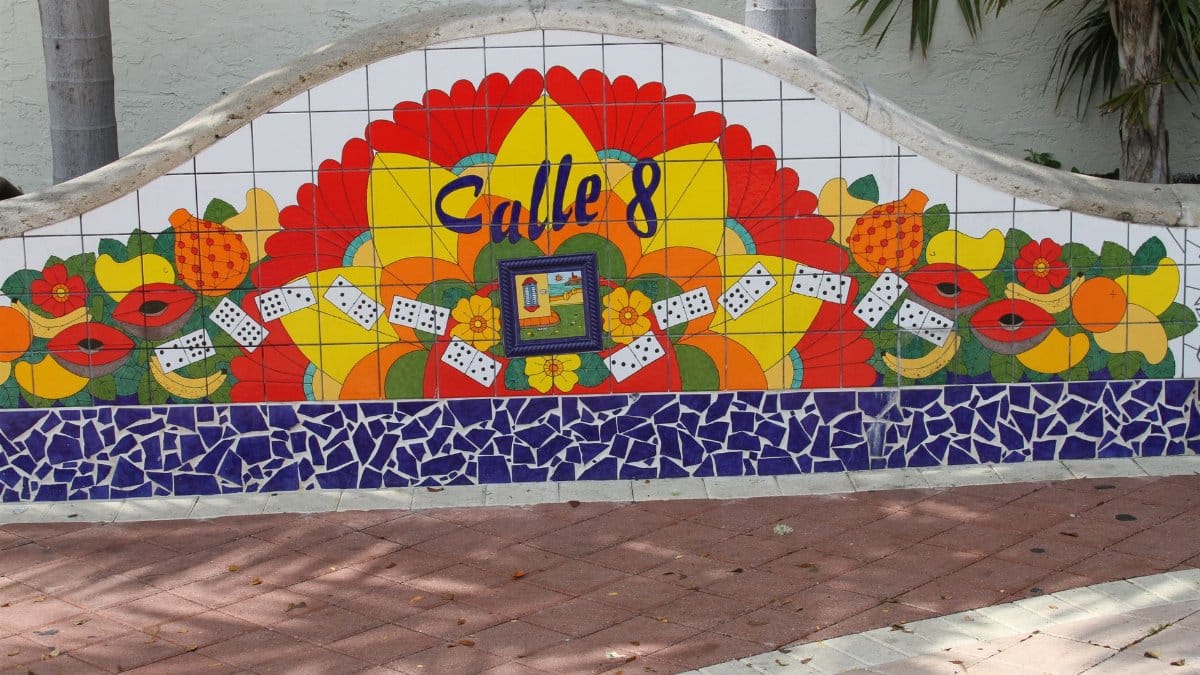
In Miami a district long shaped by waves of immigration now faces the prospect of rapid growth. Officials have approved measures that would allow taller buildings across a substantial portion of Little Havana. Little Havana upzoning represents a bold step toward increasing housing supply in one of the citys most iconic areas. This rezoning covers roughly one hundred acres and could bring thousands of new residents into a place defined by its tight knit streets and rich traditions.
Background on the Rezoning Proposal

City leaders moved forward with changes that relax height limits and density rules in targeted zones. The goal centers on addressing broader housing shortages while opening space for mixed use projects. Supporters point to potential economic gains from construction activity and new commercial spaces that might follow.
Impact on Local Housing Availability
The adjustments could ease pressure on the regional market by adding units in a central location with good transit access. Families seeking affordable options near downtown might find more choices if developers respond with varied building types. Yet questions remain about how many units will truly serve moderate income households rather than luxury buyers.
Effects on Neighborhood Character
Little Havana upzoning raises issues for those attached to the low scale feel of existing blocks. New structures may cast shadows over parks and narrow sidewalks where daily life unfolds at a measured pace. Preservation advocates suggest design guidelines to blend old and new elements so the areas distinctive atmosphere endures.
Economic Opportunities and Risks

Construction jobs and increased foot traffic stand to benefit nearby shops and restaurants. At the same time property values could climb quickly placing strain on owners who have held homes for generations. Local business owners express hope for more customers while fearing higher rents that might force closures.
Views from Longtime Residents
Many who arrived decades ago recall building the community from modest beginnings. They describe a balance between welcoming newcomers and protecting the social fabric that supports festivals and mutual aid networks. Some see growth as inevitable while others call for slower pacing to allow careful planning.
Broader City Planning Context
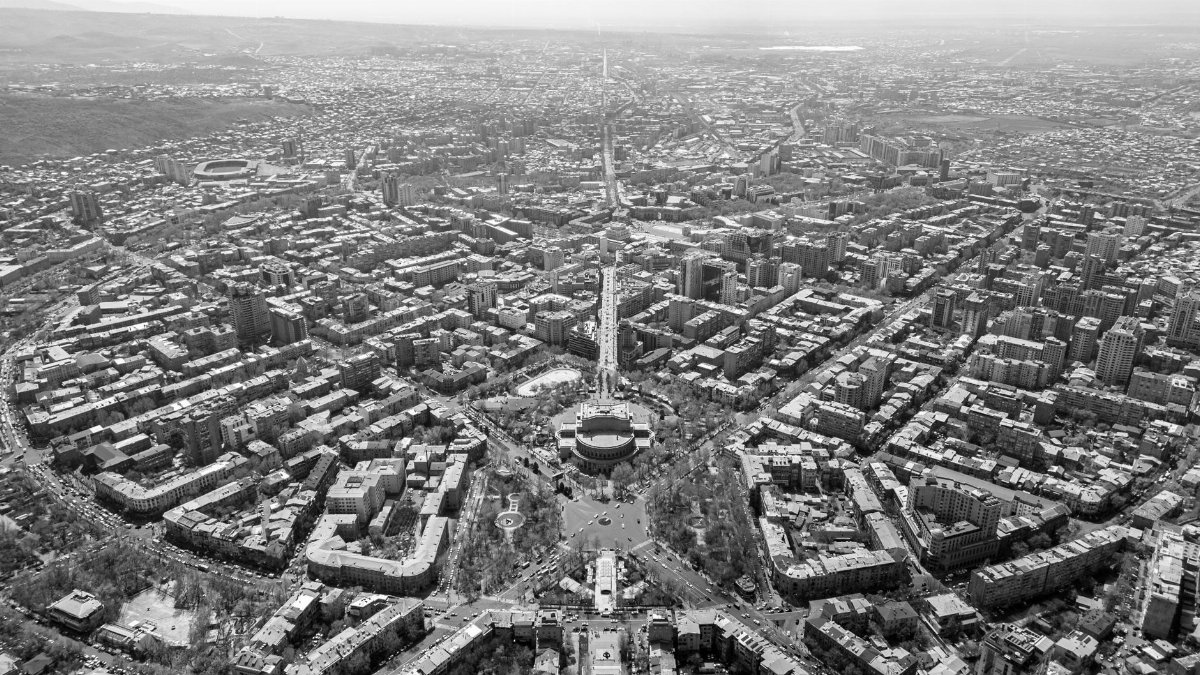
This move fits into wider efforts across Miami to update outdated codes amid population gains. Similar rezoning steps in other districts offer lessons on managing traffic and infrastructure demands. Planners emphasize coordination with transit agencies to avoid overwhelming existing roads and utilities.
Future Outlook for the Area

Little Havana upzoning may set precedents for how historic zones adapt to modern needs without losing identity. Ongoing public meetings will shape final details including affordable housing requirements. The outcome could influence similar debates in comparable neighborhoods facing development pressure.
Role of Community Input

Public hearings have drawn strong turnout with speakers highlighting both promise and pitfalls. Feedback from these sessions continues to inform adjustments to the plan. Transparent processes help build trust that changes reflect resident priorities rather than outside interests alone.