
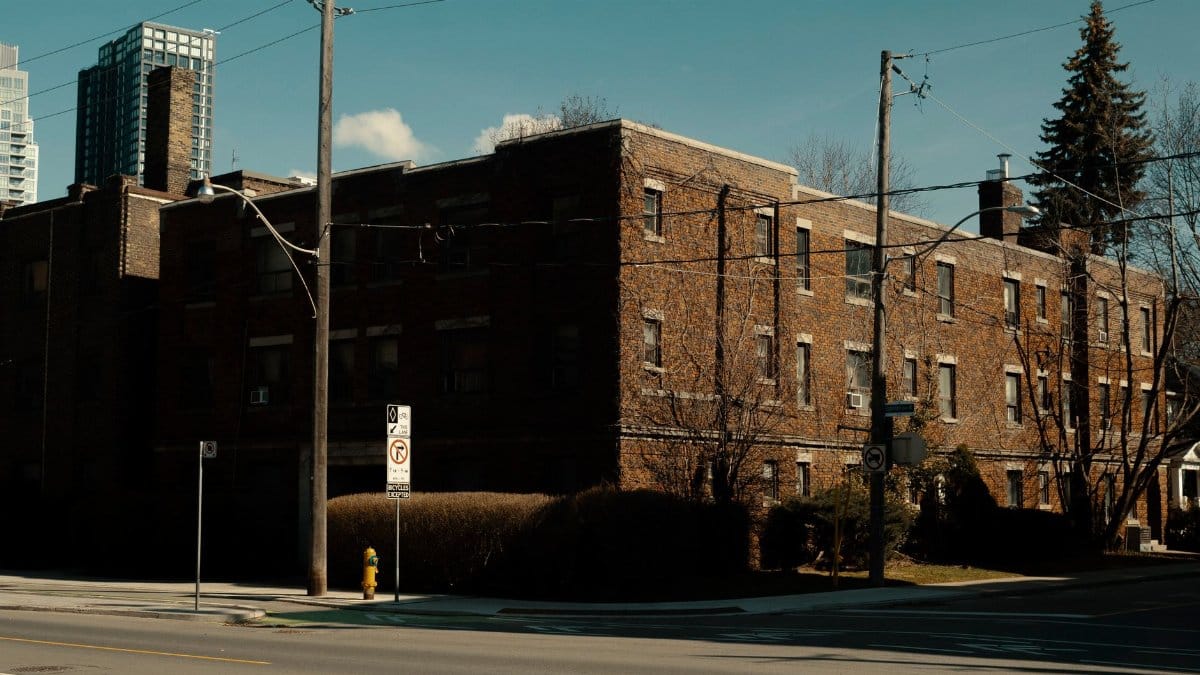
In a city where neighborhoods evolve at a rapid pace the announcement of new residential developments often sparks both excitement and debate among longtime residents. Post Brothers apartments represent the latest chapter in Philadelphia’s ongoing story of urban renewal particularly in the vibrant Northern Liberties area. The developer has proposed a substantial new structure that promises to add hundreds of living spaces to the local landscape.
The Vision for Northern Liberties
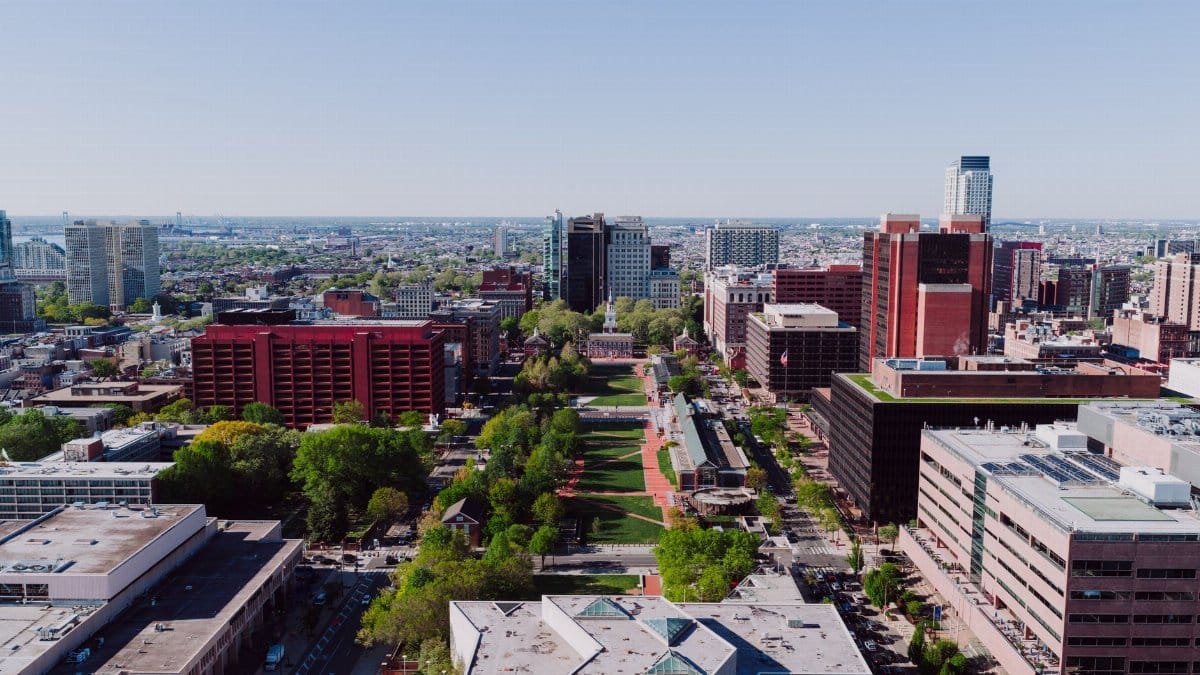
Northern Liberties has long stood as a symbol of Philadelphia’s resilience transforming from an industrial zone into a sought after residential enclave. The proposed building fits into this narrative by offering modern living options that cater to a diverse population seeking proximity to downtown amenities. City planners see such projects as essential for maintaining the area’s vitality while addressing broader housing needs across the region.
Developer Background and Track Record

Post Brothers has established itself through previous ventures in the Philadelphia market focusing on large scale residential projects that blend functionality with contemporary design elements. Their approach often emphasizes community integration aiming to create spaces that foster social connections among occupants. Past efforts in similar neighborhoods have contributed to local economic growth by attracting new businesses and residents alike.
Project Scale and Specifications
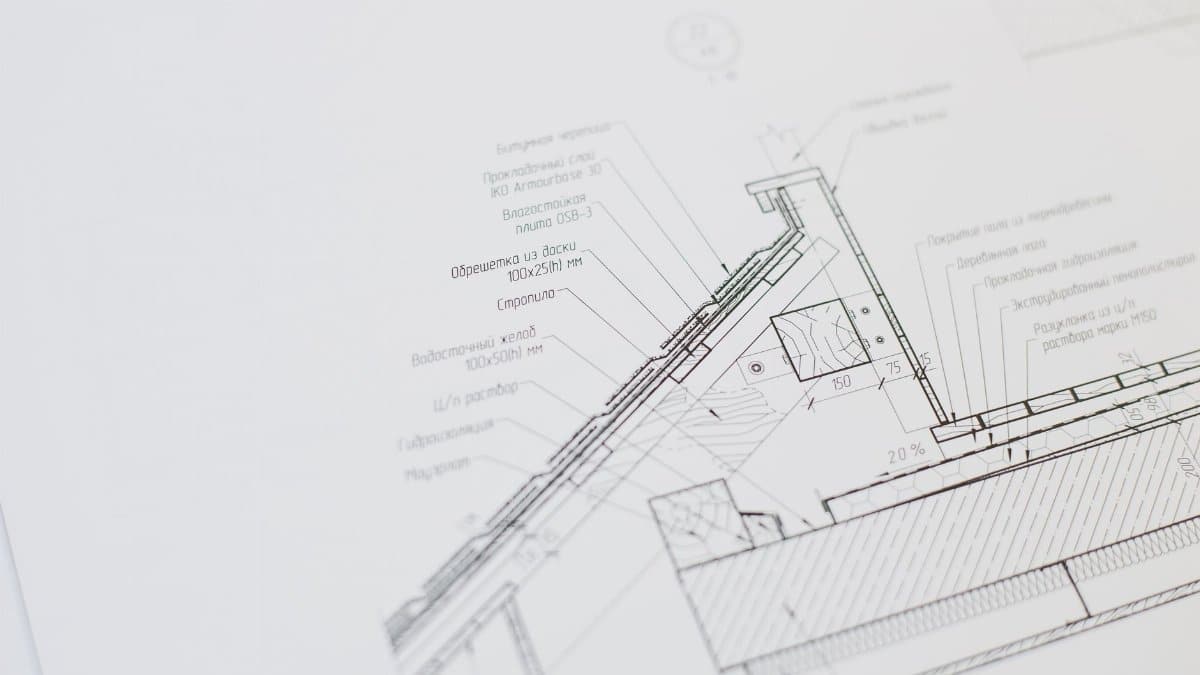
The development calls for a two hundred forty one unit structure rising on Hancock Street designed to accommodate various household sizes from singles to small families. Features include ample green spaces parking facilities and ground level retail to support daily needs without requiring extensive travel. This scale reflects careful consideration of density guidelines set by municipal authorities to prevent overburdening existing infrastructure.
Impact on Local Housing Market
Additions like this one help ease pressure on the regional supply of rental units at a time when demand continues to outpace availability in many urban centers. Analysts note that increased inventory can moderate price fluctuations making housing more accessible for middle income professionals who form a core part of the neighborhood demographic. Such projects also signal investor confidence in the long term stability of Philadelphia real estate.
Architectural and Sustainability Elements
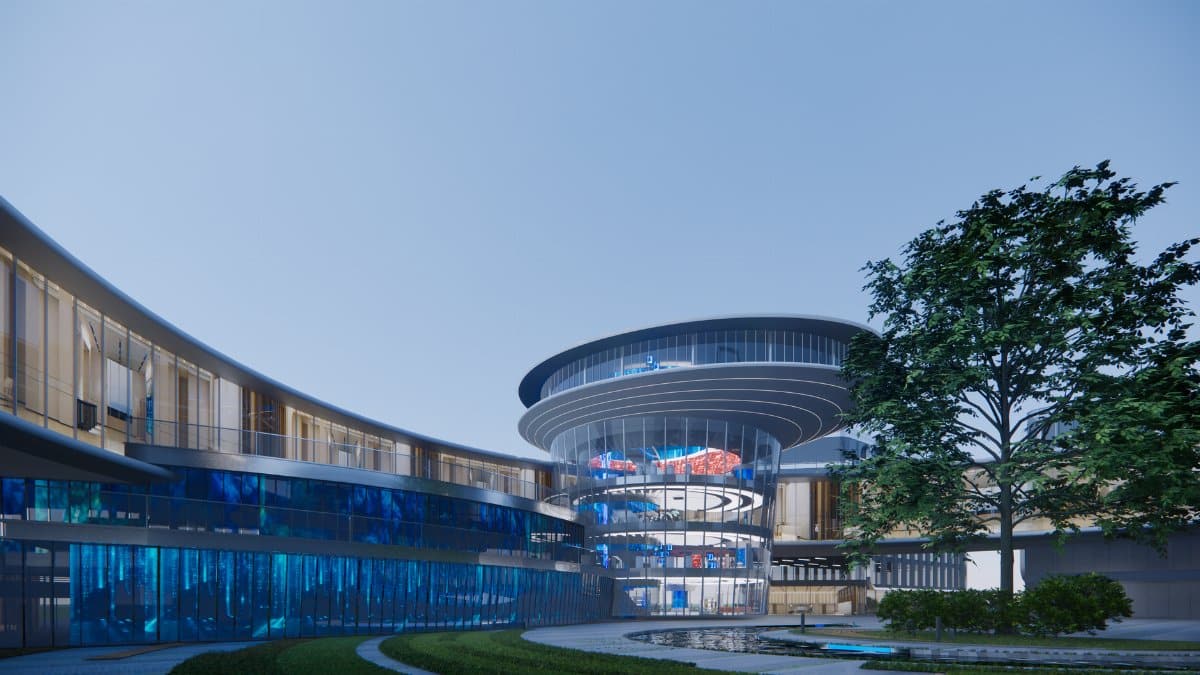
Design plans incorporate energy efficient materials and layouts that maximize natural light reducing overall operational costs for future tenants. The aesthetic draws from the historic character of surrounding buildings ensuring visual harmony rather than stark contrast with established streetscapes. Sustainability measures extend to water management systems that align with city goals for environmental responsibility in new constructions.
Community Feedback and Concerns
Residents have voiced a mix of support and caution regarding the influx of new housing with some welcoming the potential for enhanced local services while others worry about strains on parking and public transit. Public meetings have provided forums for dialogue allowing developers to adjust plans based on input from those most directly affected. This engagement process highlights the importance of balancing growth with preservation of neighborhood identity.
Economic Ripple Effects

Beyond direct housing benefits the project is expected to generate construction jobs and stimulate spending at nearby shops and eateries. Tax revenues from the completed building could fund improvements to parks schools and other public assets enhancing quality of life for all in the vicinity. Over time these economic dynamics often lead to a more robust local economy less vulnerable to external market shifts.
Broader Urban Development Trends
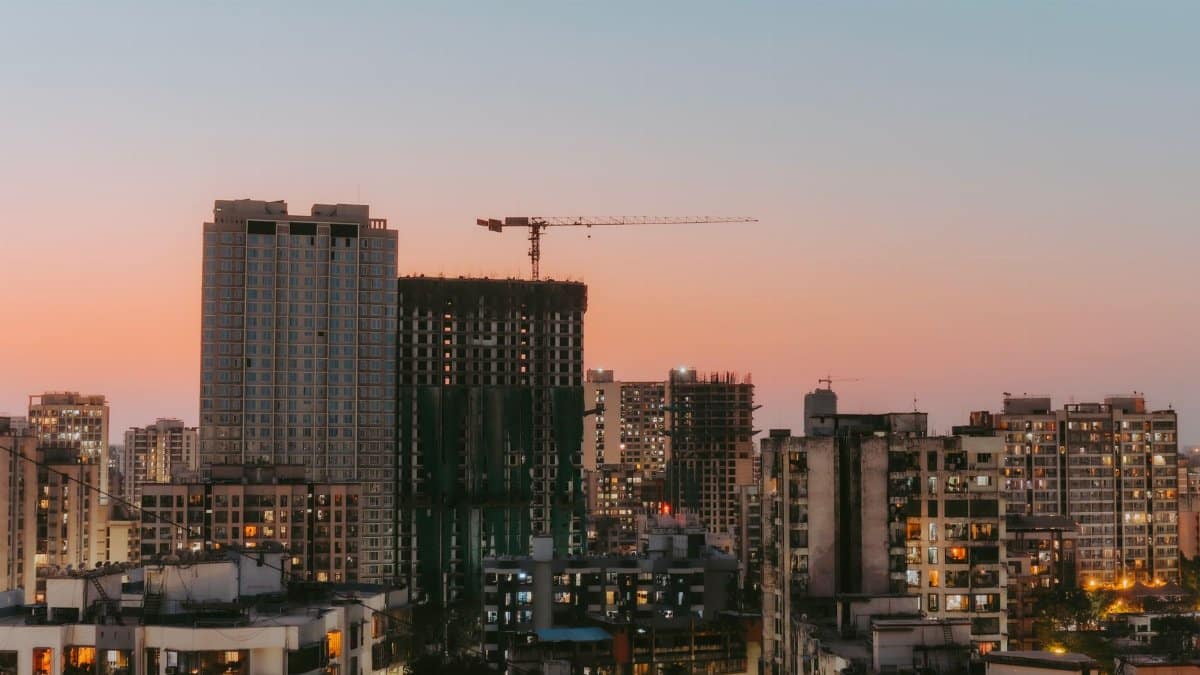
Philadelphia’s approach to infill development mirrors patterns seen in other major American cities where adaptive reuse and new builds coexist to meet evolving population demands. Post Brothers apartments exemplify this trend by prioritizing locations with strong transit links and cultural appeal. Observers suggest that continued investment in such areas will shape the city’s identity for decades ahead fostering inclusive growth across socioeconomic lines.