
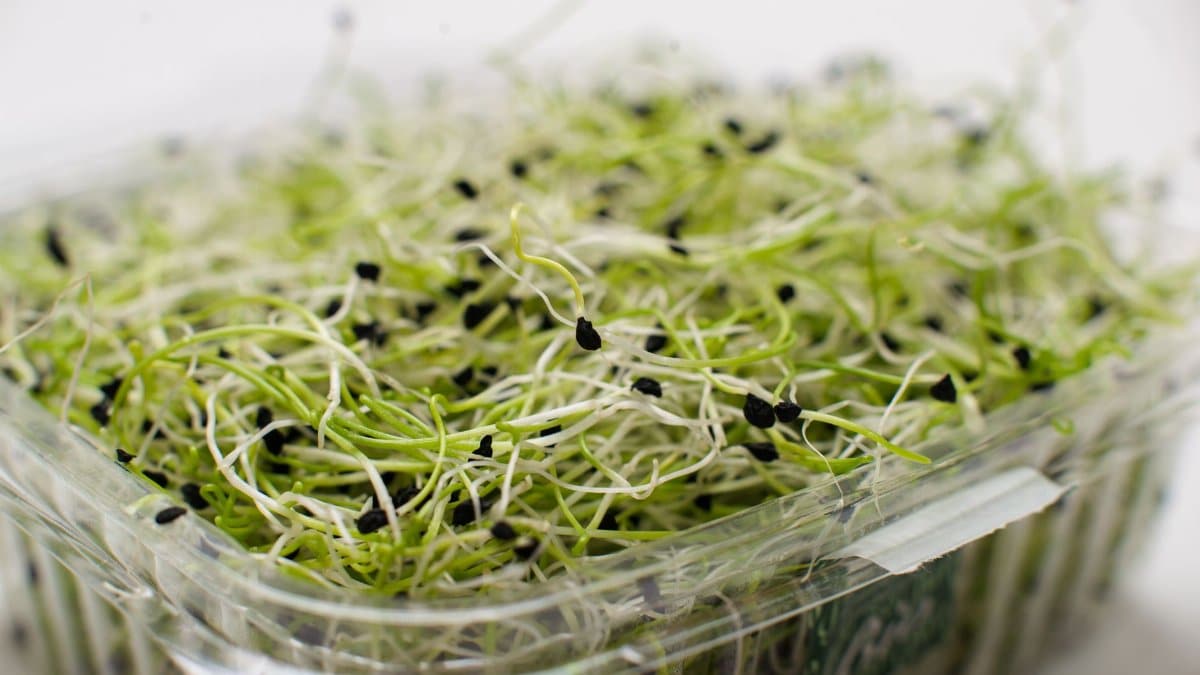
Health authorities across the nation are investigating a wave of illnesses connected to fresh produce. People who enjoyed salads or sandwiches at various eateries have fallen ill with symptoms including stomach cramps and fever. Investigations point to a particular product grown in Minnesota. This situation highlights ongoing challenges in food safety for items that are often consumed raw. The alfalfa sprout outbreak has led to fifty five confirmed cases in fifteen states including Washington. Officials urge consumers to check their refrigerators and dispose of any suspect sprouts from the implicated grower.
Origins of the Current Health Concern

Investigators from the Centers for Disease Control and Prevention worked alongside state partners to map the cases. They found a common thread in the consumption of alfalfa sprouts harvested at a single facility. Interviews with patients revealed that many had eaten the sprouts in the days before symptoms began. Laboratory testing confirmed the presence of a matching strain of bacteria in samples from both patients and the grower. This careful detective work allowed officials to act quickly and limit further spread.
Impact Across Multiple Regions

The illnesses appeared in locations far from the growing site. Washington recorded several cases while other reports came from states as distant as New York and California. Public health teams coordinated to share data and trace distribution routes. Restaurants and grocery stores received alerts to remove the product from shelves. The wide geographic reach underscored how a single supplier can affect communities nationwide when items travel through commercial channels.
Responses from Health Agencies

Federal and state officials issued joint statements advising caution with raw sprouts. They emphasized that certain groups face higher risks including older adults and those with weakened immune systems. The Food and Drug Administration supported the effort by reviewing records from the Minnesota operation. Growers in the region received guidance on improved sanitation practices to prevent similar events in the future.
Consumer Guidance During the Event

Individuals were encouraged to inspect any alfalfa sprouts at home and discard those from the affected source. Cooking the sprouts thoroughly can reduce risk though many prefer them raw in dishes. Health departments set up hotlines to answer questions from worried residents. Grocery chains posted notices in produce sections to inform shoppers of the recall status.
Industry Practices Under Review

Sprout production involves warm moist conditions that favor rapid growth of both plants and bacteria. Companies in the sector often rely on seed treatment and regular testing to maintain safety. Following this event some producers announced plans to adopt additional verification steps. Trade groups discussed ways to strengthen standards across the entire supply chain.
Broader Lessons for Food Safety

Outbreaks tied to fresh produce remind experts that even healthy foods carry potential hazards when not handled properly. Advances in genetic fingerprinting have improved the speed of source identification in recent years. Continued investment in surveillance systems helps protect the public from widespread harm. Collaboration between government agencies and private businesses remains essential for quick resolution.
Looking Ahead After the Recall

Once the immediate threat subsided officials began evaluating the effectiveness of their response. They collected feedback from affected states to refine future protocols. The Minnesota grower implemented new cleaning routines and resumed limited operations under closer monitoring. Consumers gradually returned to enjoying sprouts from verified suppliers as confidence returned.