
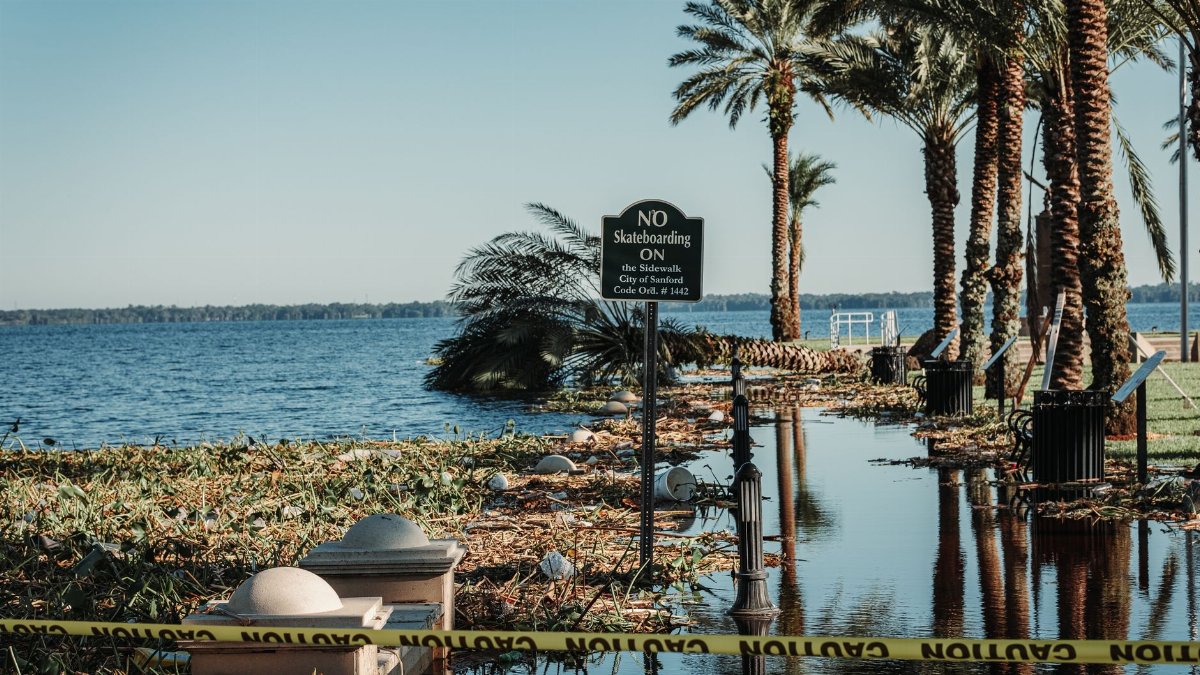
When Hurricane Ian swept across Florida in 2022, recovery efforts focused on rebuilding homes and restoring power. Over time those same disaster funds took on an unexpected role in supporting detention facilities and related services through Florida ICE contracts. This shift drew attention from auditors and advocacy groups who tracked how emergency dollars moved into immigration enforcement. The total reached roughly 1.4 billion dollars, a figure that reflects broader national trends in how states manage federal aid after major storms. Officials described the spending as necessary for public safety, while critics questioned whether disaster relief should cover such activities at all.
Scale of Recent Funding Decisions

State emergency managers approved dozens of agreements with private vendors and federal partners. These pacts covered construction, staffing, and transportation tied to immigration detention. Records show the commitments grew steadily after 2020 as new facilities opened in several counties. The largest single allocation went toward expanding capacity at an existing site near Miami. Smaller contracts supported medical screening and security upgrades at other locations.
Link Between Disaster Aid and Enforcement
Federal rules allow states to redirect unspent disaster money toward public safety needs once initial recovery ends. Florida applied this flexibility to immigration operations. Supporters argued that secure facilities prevent unrest during large scale population movements. Detractors countered that the approach stretches the original intent of hurricane relief laws. The 1.4 billion dollar total emerged from multiple agencies working across several budget cycles.
Private Vendors and Their Expanding Role

Companies with prior experience in corrections and logistics received most of the new work. They supplied beds, meals, and monitoring technology under long term agreements. Some firms already held national contracts with federal immigration authorities, which eased the transition to state level deals. Local governments gained revenue from lease payments, yet residents near the sites raised concerns about traffic and noise.
Effects on Nearby Communities
Towns that host the expanded facilities reported mixed results. Construction jobs appeared quickly, yet permanent employment remained limited because many positions went to workers brought in from outside the area. School districts noted a small rise in enrollment from families connected to the sites. Property values stayed stable according to county assessments, though some homeowners expressed unease about the facilities proximity.
Questions of Oversight and Transparency

State auditors released periodic reviews that examined contract compliance and cost controls. The reports highlighted delays in project timelines and occasional shortfalls in required reporting from vendors. Lawmakers called for stricter performance benchmarks in future agreements. Public records requests revealed that some spending details stayed shielded under security classifications.
Comparison With Practices in Neighboring States

Texas and Georgia pursued similar arrangements but at smaller dollar amounts. Those states leaned more heavily on direct federal grants rather than repurposed disaster funds. Florida approach stood out for its scale and for tying the money explicitly to post storm recovery accounts. Analysts noted that climate driven disasters may encourage other coastal states to adopt comparable strategies.
Policy Debates Moving Forward

Advocacy organizations filed complaints with federal oversight bodies, arguing that the spending violates guidelines on disaster fund use. State leaders defended the decisions as lawful exercises of emergency powers. The issue surfaced during recent legislative sessions, where proposals to cap such reallocations failed to advance. Observers expect continued litigation and possible federal rule changes.
Perspectives From Former Detainees and Staff

Interviews with individuals who spent time in the facilities described varying conditions, from adequate medical access to complaints about limited recreation space. Current employees emphasized safety protocols and training programs. These accounts added personal detail to the financial data released by state agencies.
Historical Patterns in Immigration Spending

Florida has maintained immigration enforcement partnerships for more than a decade. Earlier contracts focused on local jail reimbursements rather than new construction. The recent surge reflects national policy shifts and increased federal funding streams after 2016. Disaster dollars represent a newer financing method within this longer timeline.