
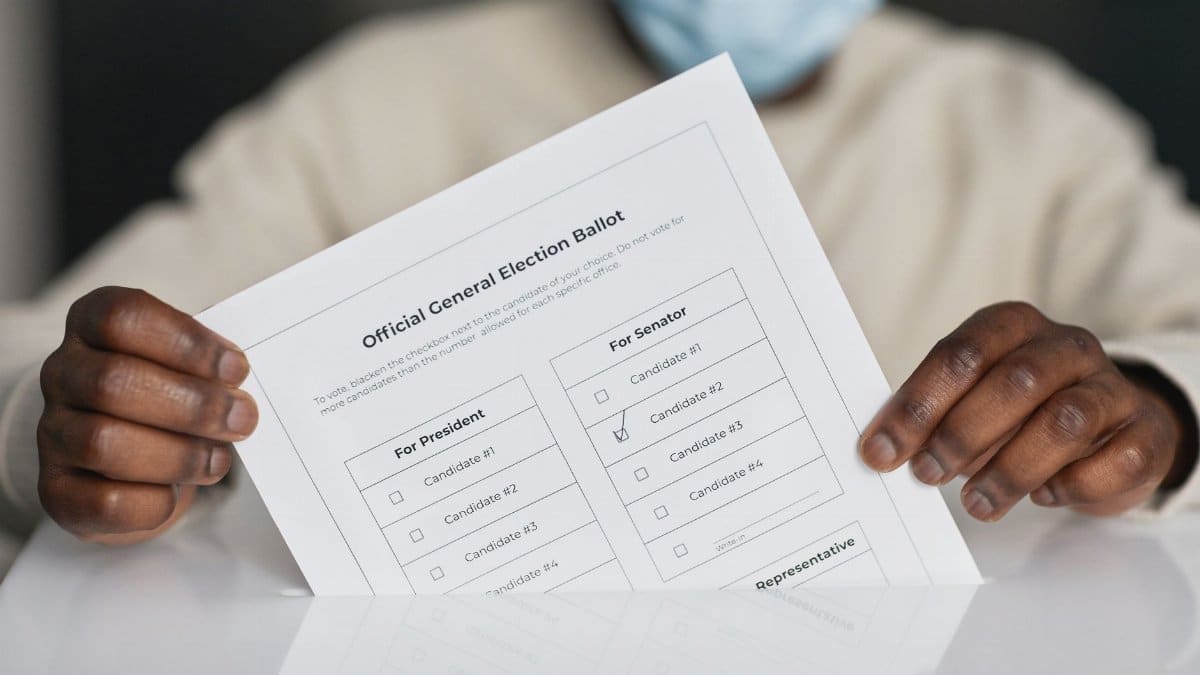
In the heart of Los Angeles a city pulsing with diverse neighborhoods and longstanding civic hopes the latest finance disclosures for the mayoral race underscore shifting donor priorities that could shape everyday community life. Karen Bass reported substantial backing while her opponent trailed in the same period. This contrast brings fresh attention to Bass Raman campaign money as a key factor in how candidates build momentum ahead of November. Observers note that such patterns often reflect broader trends in urban politics where financial resources signal organizational strength and public trust.
Donor Patterns Emerging from Recent Filings

Public records show Bass securing over five hundred thousand dollars in a single month from a mix of individuals and political action committees. These contributions arrived from sectors including real estate entertainment and labor groups. Raman collected roughly one third of that amount drawing from progressive networks and smaller grassroots sources. The disparity highlights how established figures often maintain an edge in early general election stages through wider access to major givers.
Impact on Community Organizations and Local Causes

Many neighborhood groups watch these numbers closely because they influence which issues gain traction. Bass Raman campaign money flows can determine support for housing initiatives public safety programs and environmental projects. When one candidate pulls ahead financially it sometimes translates into more visibility through advertisements and events that reach middle aged residents balancing work and family responsibilities.
Historical Context of Los Angeles Mayoral Fundraising

Previous cycles in the city reveal similar gaps between frontrunners and challengers during the general election phase. Candidates with prior office experience tend to attract repeat donors who value continuity. This cycle appears consistent with that record yet Raman has emphasized fresh perspectives that resonate with voters seeking change in areas like affordability and transit improvements.
Role of Small Dollar Contributions Versus Large Gifts

While Bass benefits from sizable checks Raman relies more on volume from everyday supporters. Both approaches carry weight in modern campaigns though large sums allow quicker scaling of operations. Analysts suggest this mix reflects evolving participation where technology enables wider but often smaller inputs alongside traditional big money channels.
Potential Effects on Policy Priorities After Election Day

Whoever prevails may face expectations tied to their financial backers. Bass Raman campaign money sources could steer focus toward certain development plans or social services. Voters in their forties and fifties often prioritize stability in these areas as they consider long range community well being and generational impacts.
Media Coverage and Public Perception of Finance Reports
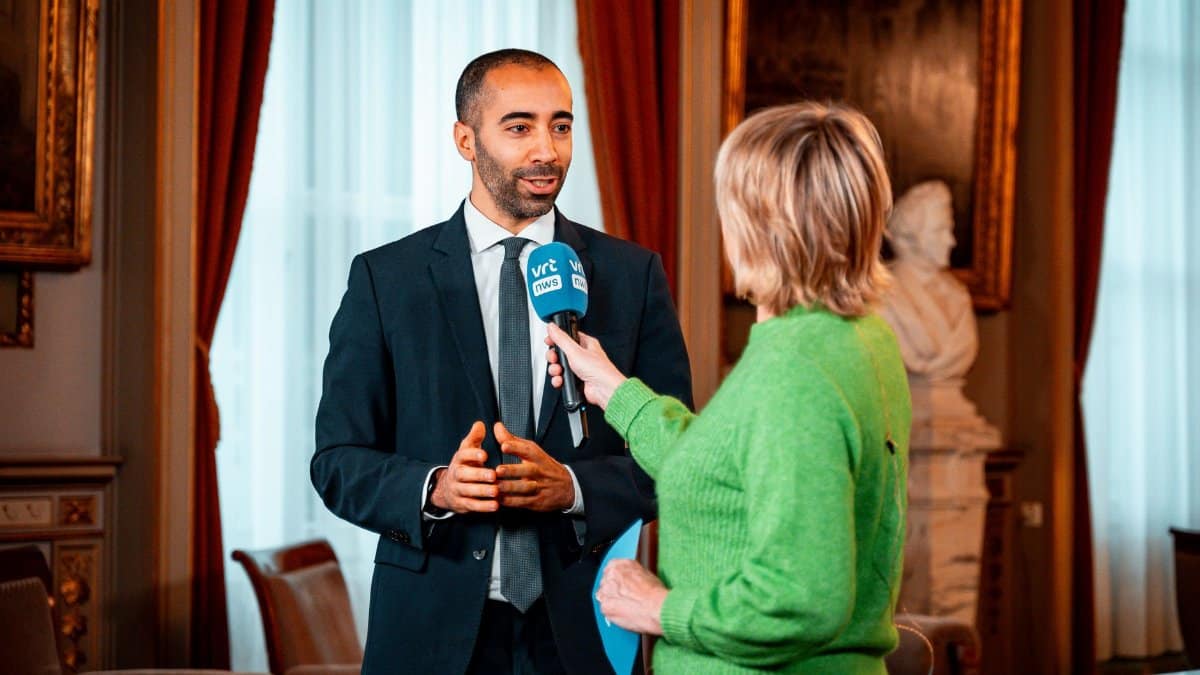
Outlets across the region have highlighted the numbers as early indicators of competitiveness. Such attention can amplify or diminish momentum depending on framing. Residents following the race through newspapers and local broadcasts gain insights into candidate viability beyond personality or platform alone.
Broader Trends in Urban Political Giving Nationwide
Cities from coast to coast show parallel stories where incumbents or well connected contenders lead in early tallies. This pattern raises questions about access and equity in democratic processes. Los Angeles stands as one example where Bass Raman campaign money illustrates these national currents playing out at the municipal level.
Looking Ahead to Remaining Reporting Periods

Additional disclosures will arrive before ballots are cast offering updated views on resource allocation. Both camps will likely intensify efforts to close gaps or extend leads. For middle aged readers concerned with practical governance outcomes these updates provide concrete measures of organizational readiness and strategic focus.