
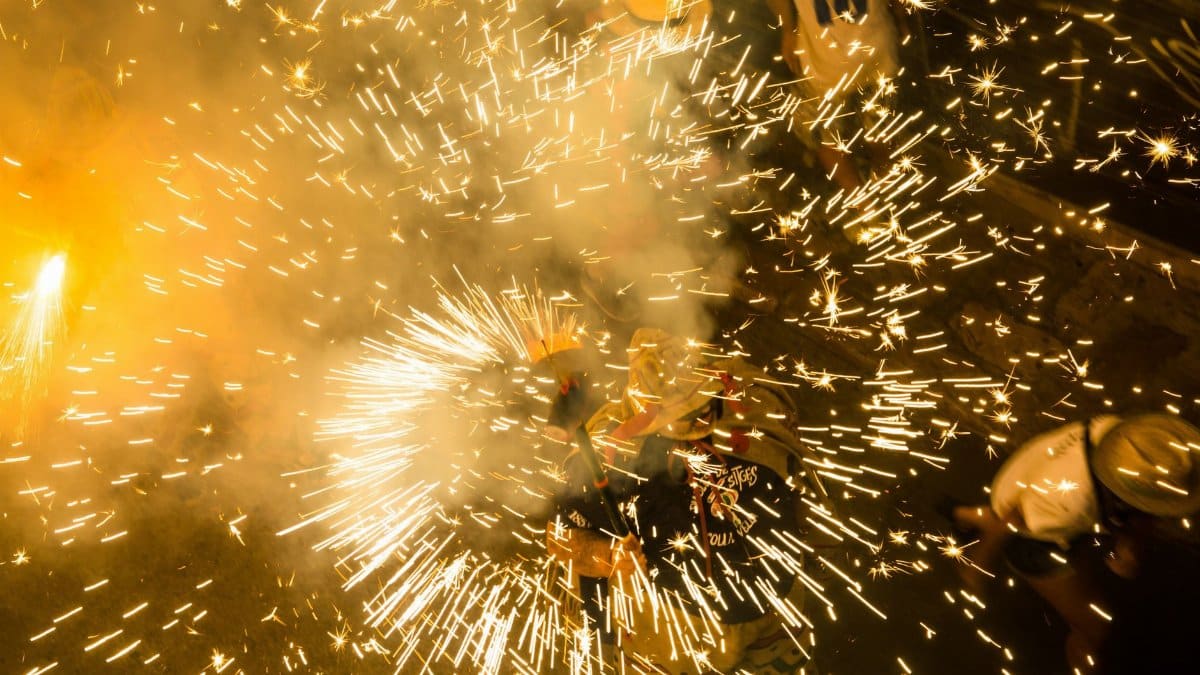
The Philadelphia Fringe Festival has long drawn attention for its bold embrace of unconventional performances that challenge traditional notions of theater and art. As it reaches a milestone anniversary this year the gathering expands with hundreds of presentations designed to spark conversation and discovery among local residents and visitors alike. Organizers highlight an array of experimental works that reflect the evolving cultural landscape of the region while encouraging audiences to engage with fresh perspectives in intimate and unexpected settings.
Roots in Local Creative Traditions
The origins of this annual celebration trace back three decades when a small group of artists sought to create space outside mainstream venues. Over time it grew into a citywide platform that supports emerging voices and established creators alike. Many early participants recall how the event provided opportunities to test ideas that larger institutions might overlook. Today it continues to honor those beginnings by prioritizing accessibility and innovation in equal measure.
Scale of the Current Edition
This edition includes three hundred thirty eight shows staged at dozens of locations throughout the urban area. Performances range from solo acts to ensemble pieces that incorporate movement sound and visual elements. Audiences can select from daytime workshops as well as evening presentations that extend late into the night. The breadth ensures options for varied tastes and schedules.
Venues That Shape the Experience
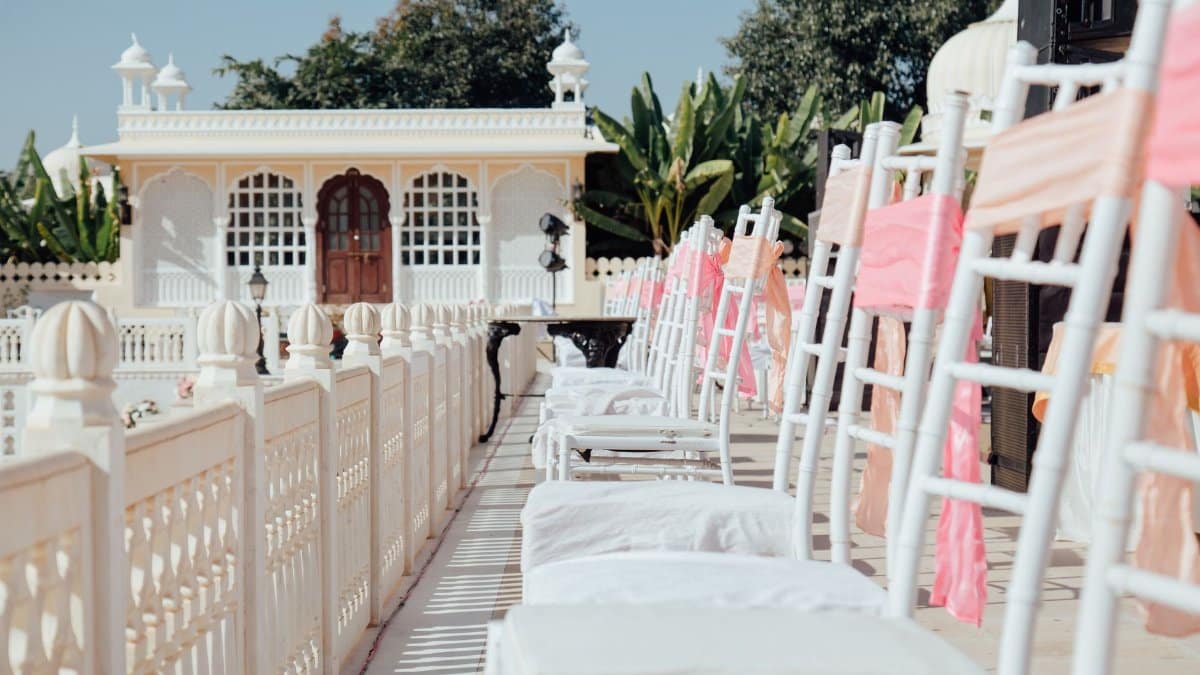
Spaces range from converted warehouses to historic churches and public parks. Each setting influences how viewers interact with the work on display. Organizers choose sites carefully to enhance themes of community and transformation. Walking between locations becomes part of the overall journey as neighborhoods reveal their own stories alongside the scheduled events.
Artists Driving Innovation

Creators from across the country and beyond contribute pieces that address contemporary concerns through abstract forms. Several return after previous appearances while others make their debut this season. Their backgrounds include dance visual arts and multimedia installations that blend technology with live action. Discussions following some shows allow direct exchange between makers and attendees.
Community Impact and Participation
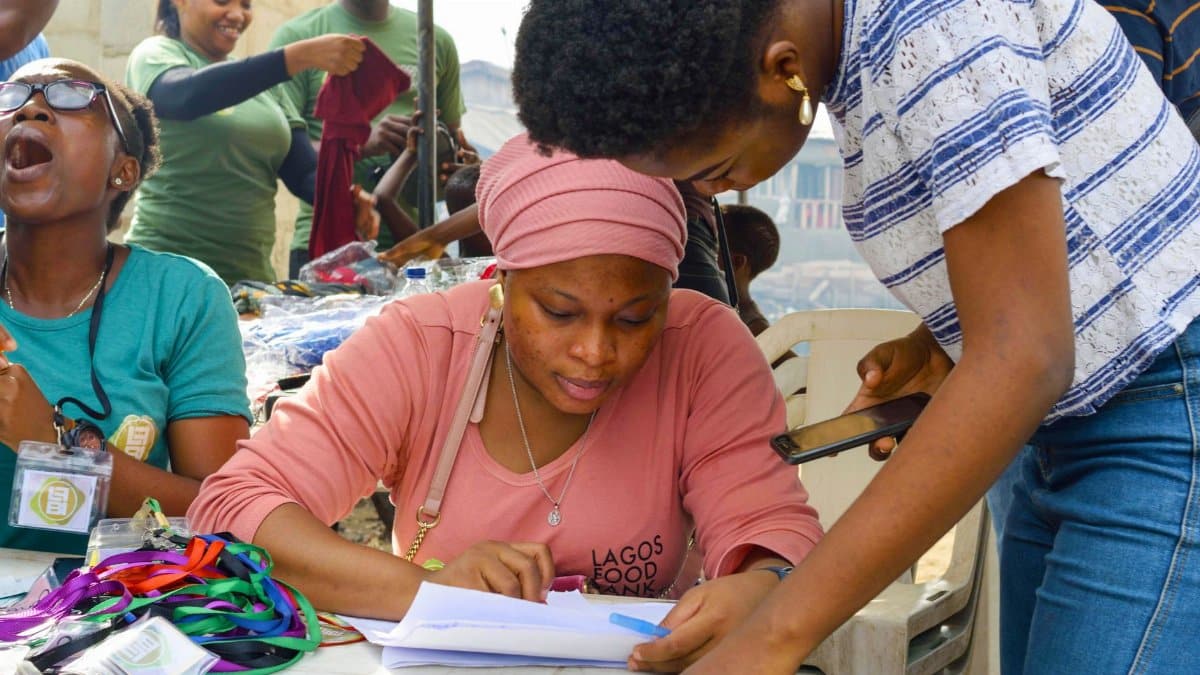
Local residents often volunteer as ushers or guides which strengthens ties between the festival and surrounding areas. Schools incorporate related activities into curricula to introduce younger generations to experimental approaches. Business districts report increased foot traffic during the run as visitors explore nearby shops and eateries. Such connections extend the reach of the arts beyond performance halls.
Challenges in Sustaining Growth
Maintaining funding remains an ongoing effort as costs for production and promotion rise steadily. Organizers seek support from private donors and public grants to keep ticket prices reasonable. Weather can affect outdoor segments requiring flexible planning and backup arrangements. Despite these factors the commitment to artistic risk stays central to the mission.
Looking Ahead to Future Seasons
Plans already underway suggest continued expansion with new partnerships and digital components to reach wider audiences. Reflections on past editions inform decisions about programming and logistics. The goal centers on preserving the spirit of discovery that defined the beginning while adapting to changing circumstances in the arts world.