
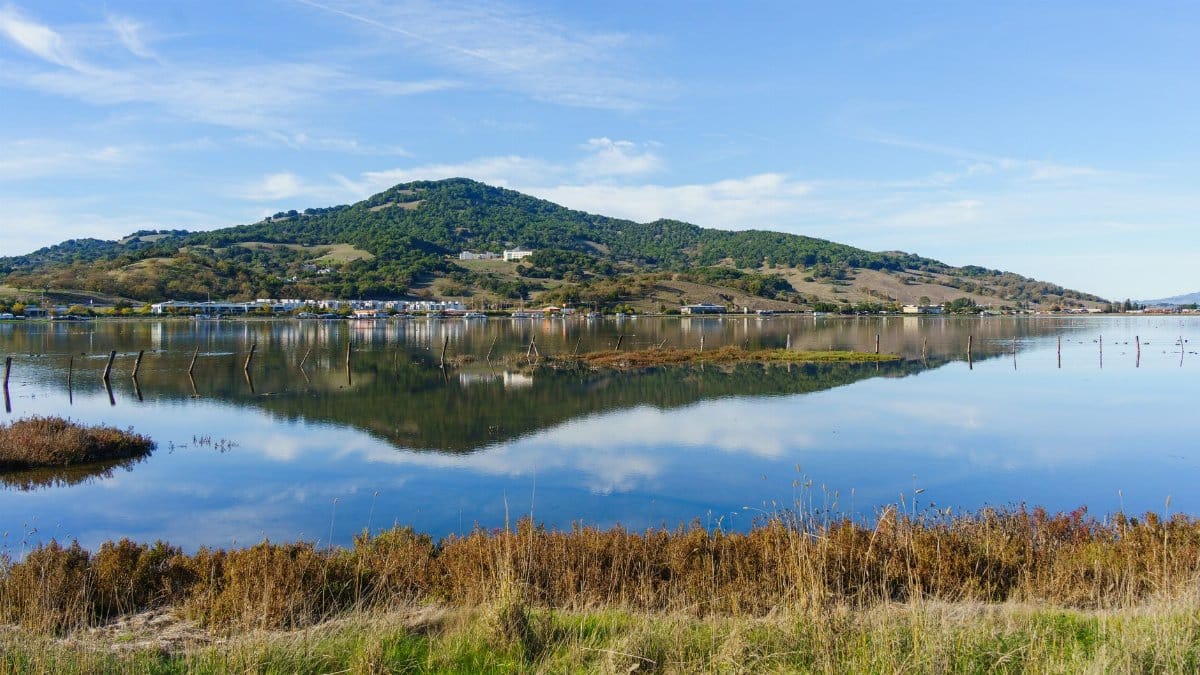
On a quiet afternoon in early September the ground beneath parts of Northern California shifted without warning reminding everyone of the regions restless geology. The event described as a Sonoma earthquake by local authorities measured 3.3 in magnitude and centered near Larkfield Wikiup close to Santa Rosa. No major damage occurred yet the incident sparked conversations about safety and awareness among residents who have grown accustomed to occasional shakes. People stepped outside homes and offices to check on neighbors while officials quickly confirmed the lack of serious harm.
The Epicenter Near Larkfield Wikiup
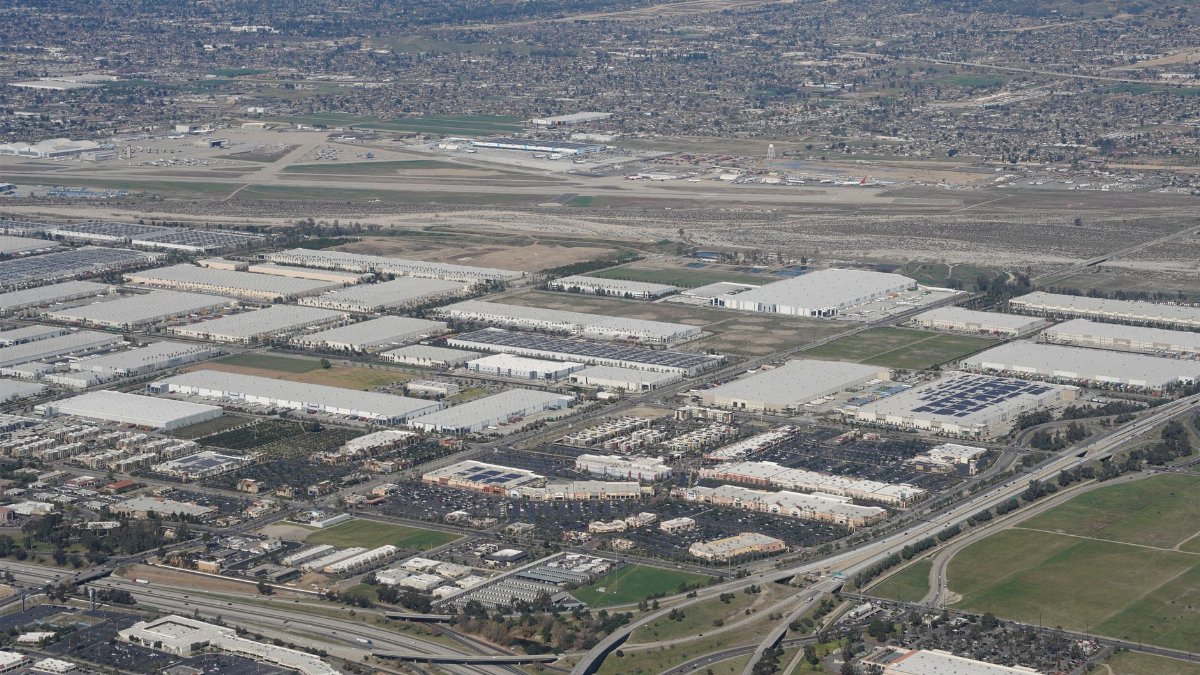
The precise location of the tremor placed it in a zone familiar to seismologists yet surprising to those living nearby. Reports indicated the shaking lasted only a few seconds but was felt across a wide area including parts of Santa Rosa. Instruments recorded the event at a depth that limited its surface impact allowing structures to remain intact. Residents described a brief rolling sensation followed by an uneasy calm as they waited for aftershocks that never arrived.
Community Response and Local Preparedness
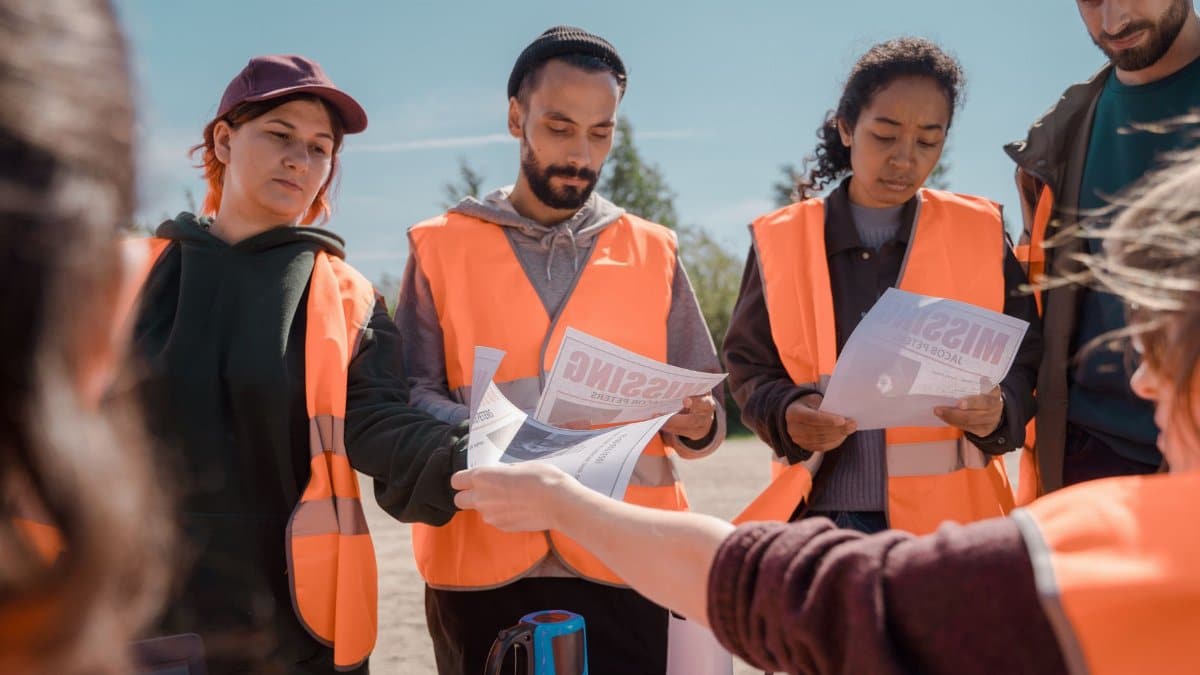
Neighbors gathered in small groups to share experiences and confirm that everyone was accounted for. Emergency services received numerous calls yet found no need for widespread action. This quick coordination highlighted the value of ongoing drills and public education efforts that have become routine in the county. Families reviewed emergency kits while schools verified that protocols had functioned smoothly during the brief disturbance.
Historical Context of Regional Seismic Activity

Sonoma County sits within a landscape shaped by tectonic forces over many centuries. Past events have ranged from minor tremors to more significant episodes that prompted updates in building standards. The current Sonoma earthquake fits into a pattern of low magnitude occurrences that serve as reminders rather than catastrophes. Historians note how earlier generations adapted through stronger construction and better communication networks.
Scientific Insights Into Small Scale Quakes

Experts explain that quakes of this size release limited energy compared with larger events yet they provide valuable data for monitoring systems. Sensors across the region captured detailed readings that will help refine predictive models. Researchers emphasize the importance of tracking even modest activity to understand stress patterns along known fault lines. Such studies support broader efforts to improve early warning technologies available to the public.
Role of Local Authorities in Monitoring

County officials worked alongside state agencies to assess the situation within minutes of the first reports. Their assessments confirmed the absence of damage to critical infrastructure such as roads bridges and utilities. Regular updates through official channels helped ease concerns and prevented the spread of unverified information. This measured approach reflects years of investment in training and equipment dedicated to public safety.
Reflections on Natures Power and Human Resilience
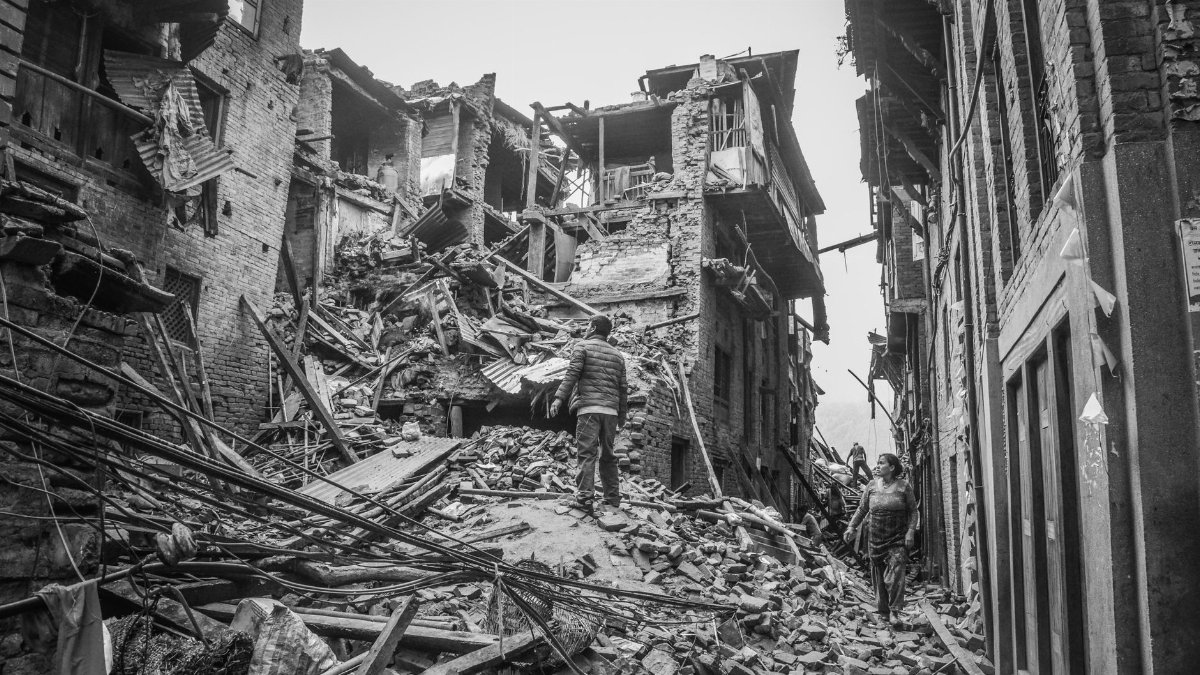
The Sonoma earthquake prompted many to consider the delicate balance between daily life and the forces beneath the surface. Communities have long demonstrated an ability to recover swiftly from such episodes thanks to strong social ties and practical planning. Stories emerged of individuals checking on elderly neighbors or offering assistance to those momentarily unsettled by the motion. These actions underscore a collective determination to maintain stability amid natural variability.
Spiritual Implications for Residents

In houses of worship and meditation groups the event led to quiet discussions about vulnerability and gratitude. Leaders encouraged reflection on themes of renewal and mutual support drawing from longstanding traditions of finding meaning in unexpected challenges. Some participants described a renewed sense of connection to the land and to one another as they processed the shared experience. Such gatherings often serve as spaces where people integrate physical events with deeper questions of purpose.
Looking Ahead to Enhanced Safety Measures

Following the Sonoma earthquake local leaders outlined plans to review and strengthen existing preparedness programs. Proposals include expanded outreach to newer residents and additional resources for vulnerable populations. Investments in technology aim to deliver faster alerts while community workshops continue to build practical skills. These steps seek to ensure that future incidents regardless of size meet with even greater readiness and minimal disruption.