
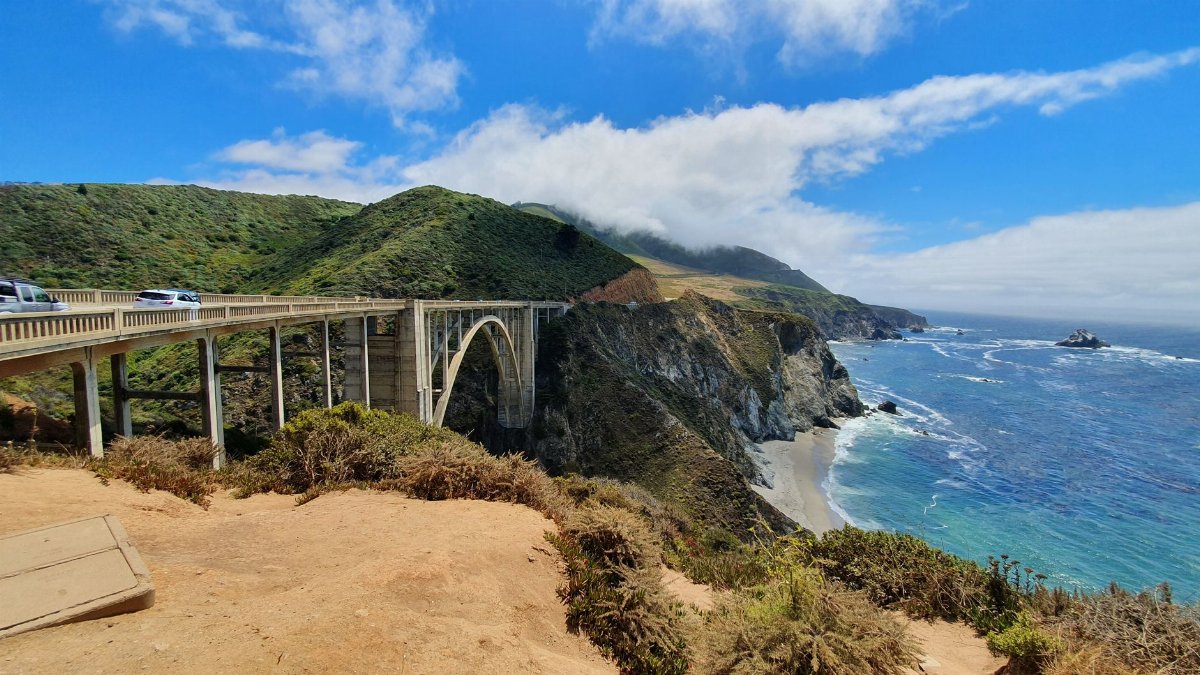
A sudden shift in wind patterns allowed crews to secure a critical corridor along the coast this week, bringing relief to travelers and residents who have navigated detours for weeks. The reopening marks progress against the Highway 1 Big Sur fire that has tested local resources and patience since its ignition in late summer. Drivers now enjoy an eleven mile northern segment that connects previously isolated communities, though full restoration of the famed scenic drive remains weeks away at best.
Immediate Effects on Coastal Travel

Traffic flow improved almost at once once the northern stretch cleared for public use on September 3 2026. Commuters who once faced hour long detours through inland roads reported shorter journeys and reduced fuel costs. Tourism operators noted early bookings for fall visits that had been postponed amid access concerns.
Fire Containment Progress Reported
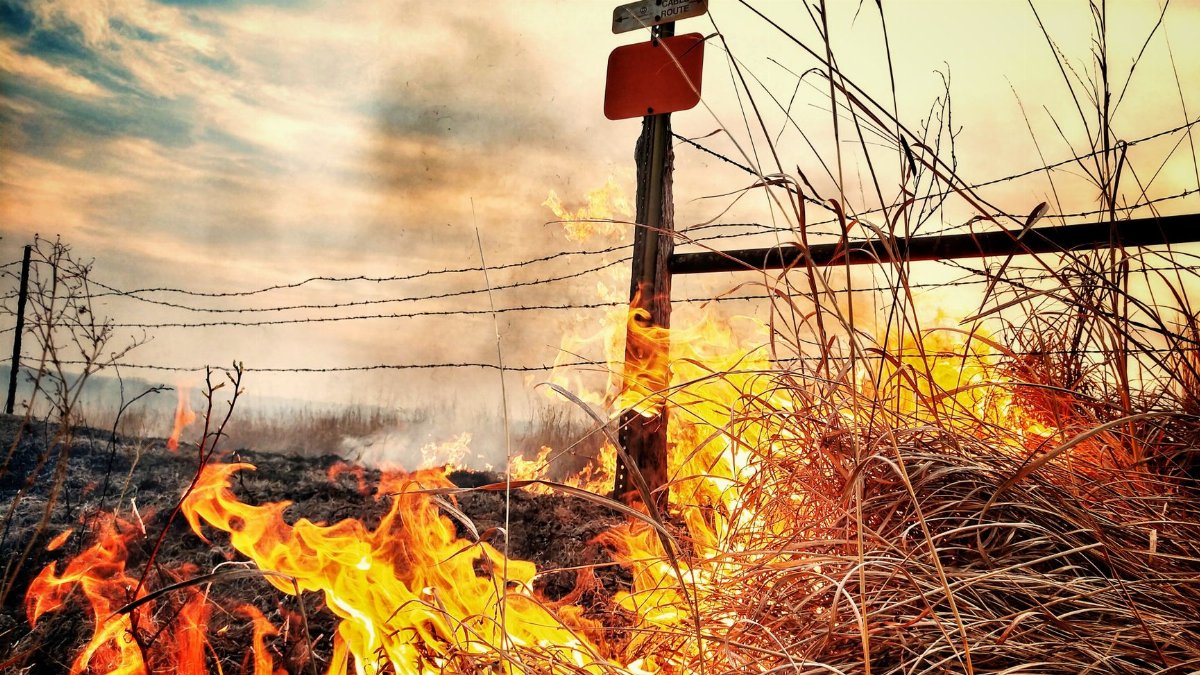
Incident commanders credited favorable weather and reinforced ground crews for holding the blaze within established lines near Plaskett. Daily briefings emphasized that containment percentages climbed steadily though hot spots continued to demand attention. Aerial support remained active to prevent flare ups in steep terrain.
Community Resilience in the Face of Disruption
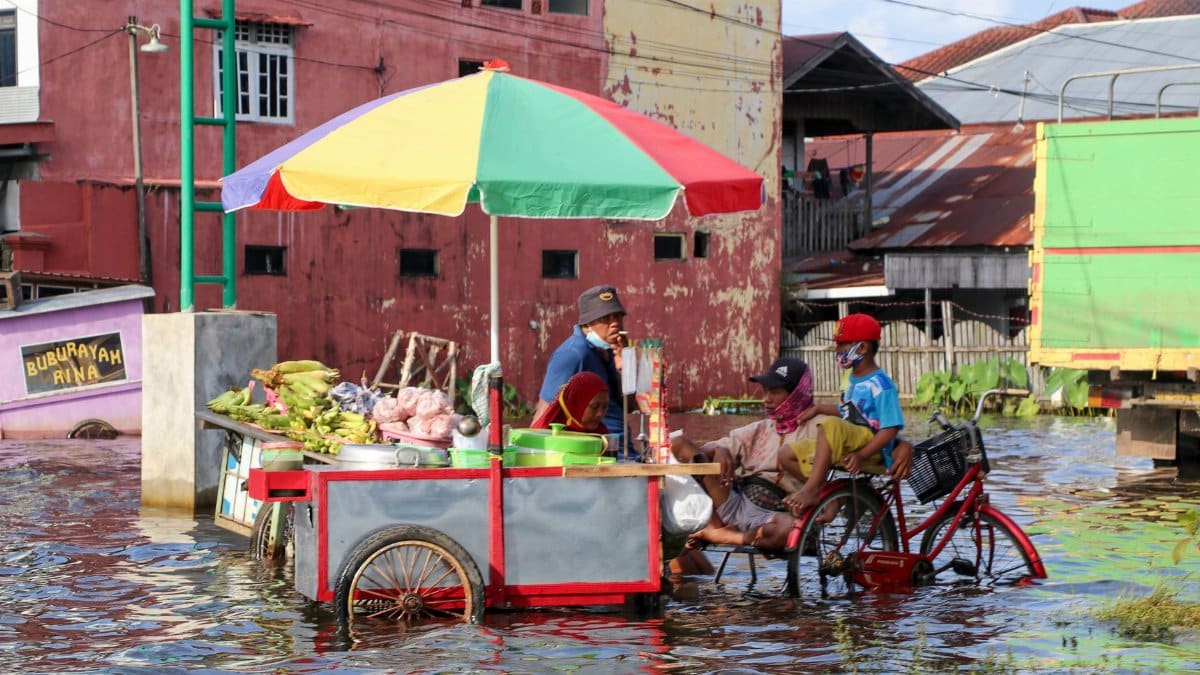
Local businesses adapted by shifting deliveries to alternate routes and offering shuttle services for employees. Schools adjusted schedules to accommodate longer commutes while families coordinated carpools. These adjustments revealed the tight knit nature of coastal villages that often rely on the highway for daily essentials.
Environmental Context of the Current Blaze
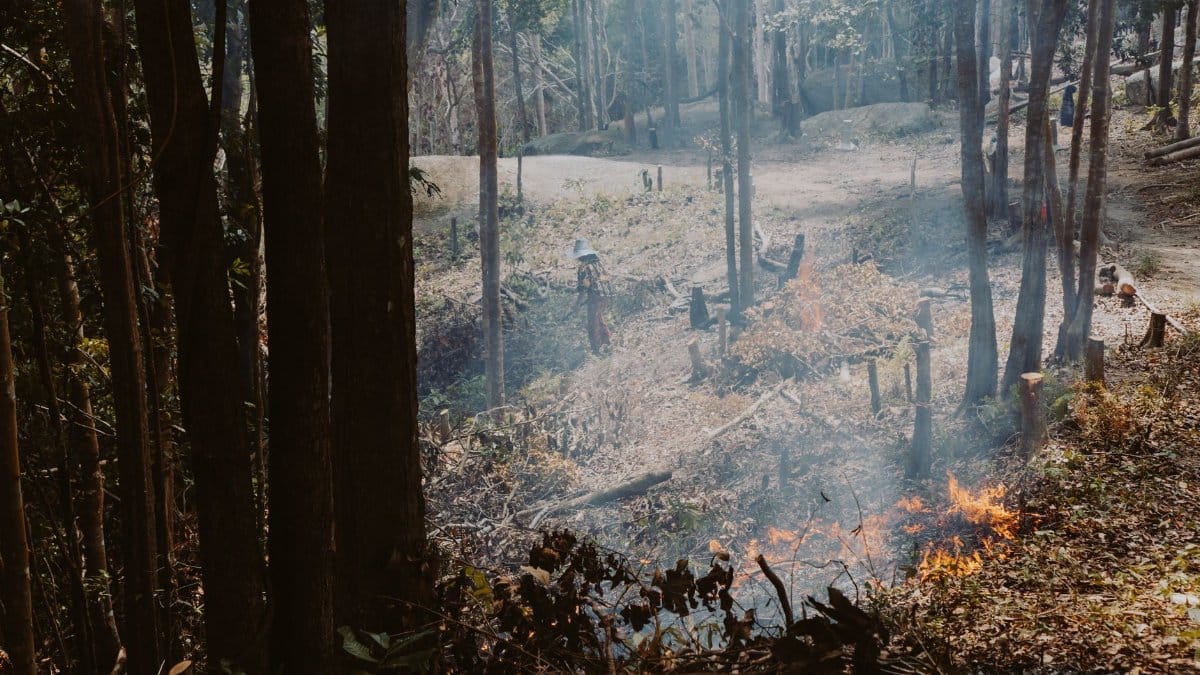
Dry vegetation and prior drought years set the stage for rapid spread once the fire began. Ecologists point to changing climate patterns that extend fire seasons and intensify behavior in regions like Big Sur. Restoration plans will likely include erosion control and native plant reintroduction once the Highway 1 Big Sur fire reaches full containment.
Economic Ripple Across the Region
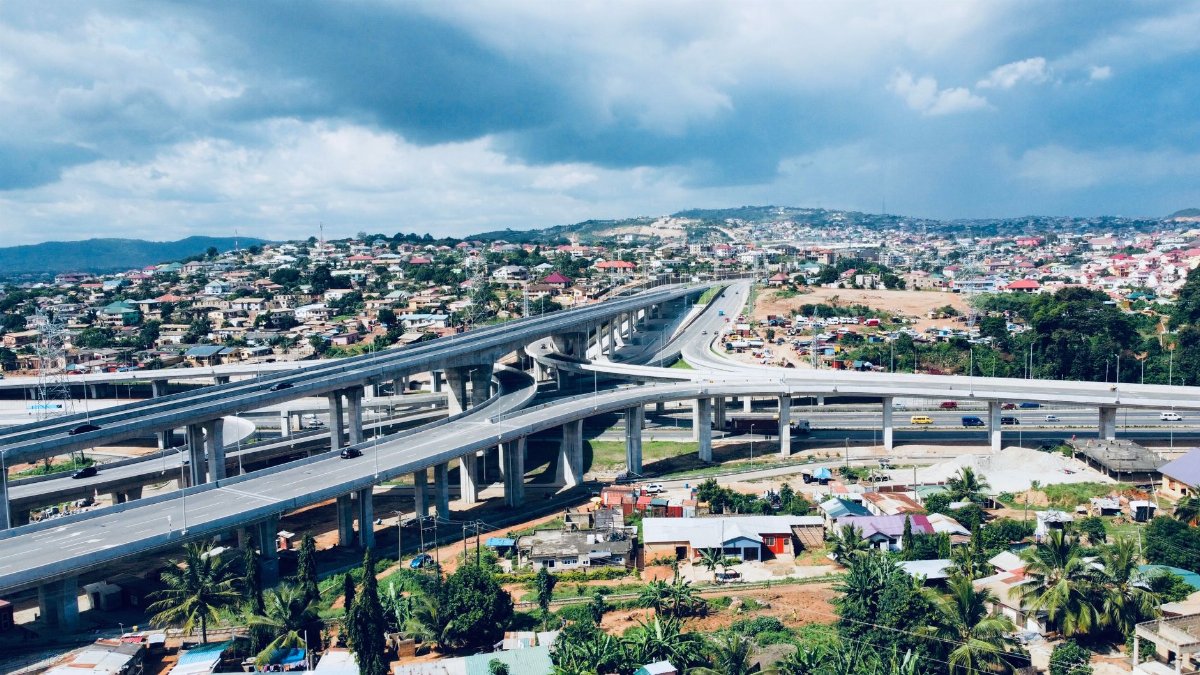
Lodging revenue dipped during the closure yet rebounded quickly after the partial reopening. Restaurants and galleries reported renewed foot traffic from day trippers exploring reopened viewpoints. State economists project that sustained access will stabilize seasonal employment tied to visitor spending.
Role of Technology in Modern Firefighting
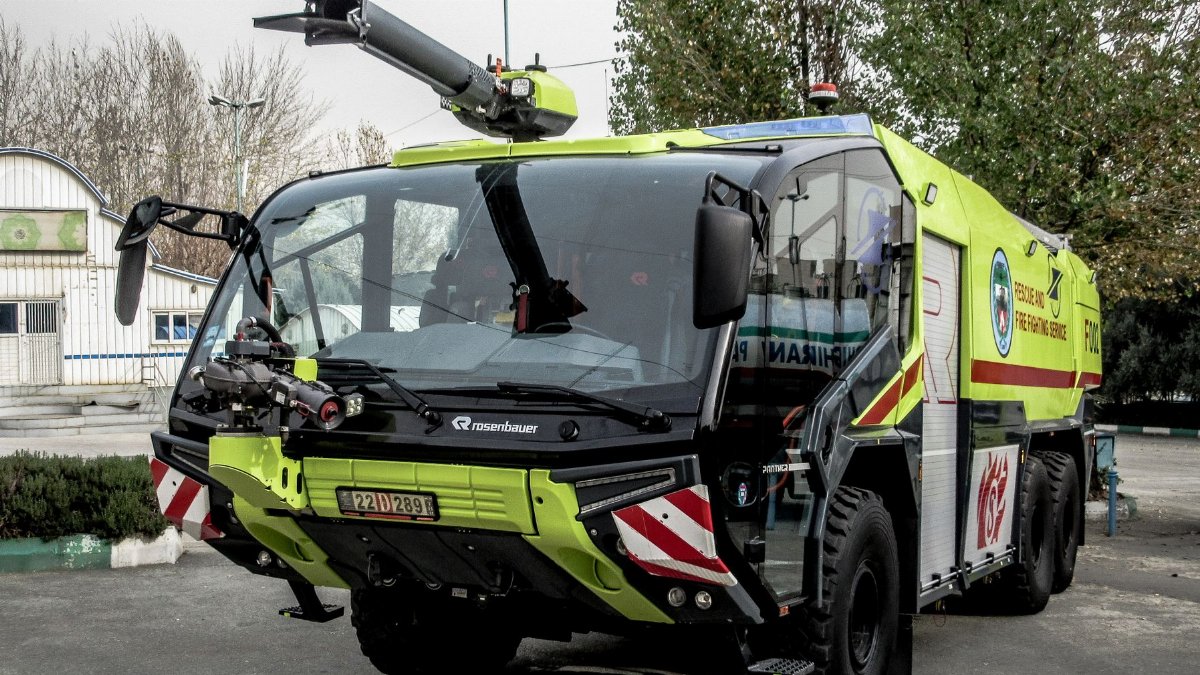
Drone surveillance and real time mapping helped crews anticipate wind shifts and allocate resources efficiently. Satellite imagery supplemented ground observations in remote canyons where access proved difficult. Such tools have become standard in responses to events like the Highway 1 Big Sur fire.
Historical Precedents for Highway Closures
Similar interruptions have occurred during past seasons when slides or flames threatened the narrow ribbon of pavement. Each episode prompted reviews of evacuation routes and emergency communication systems. Lessons from earlier events informed the current strategy that led to the measured reopening.
Future Outlook for Full Route Restoration

Engineers continue assessments of damaged guardrails and drainage structures along the southern segment still affected by the Highway 1 Big Sur fire. Timelines depend on weather windows and crew availability. Officials anticipate complete clearance before the winter rainy period begins.
Public Safety Measures During Recovery
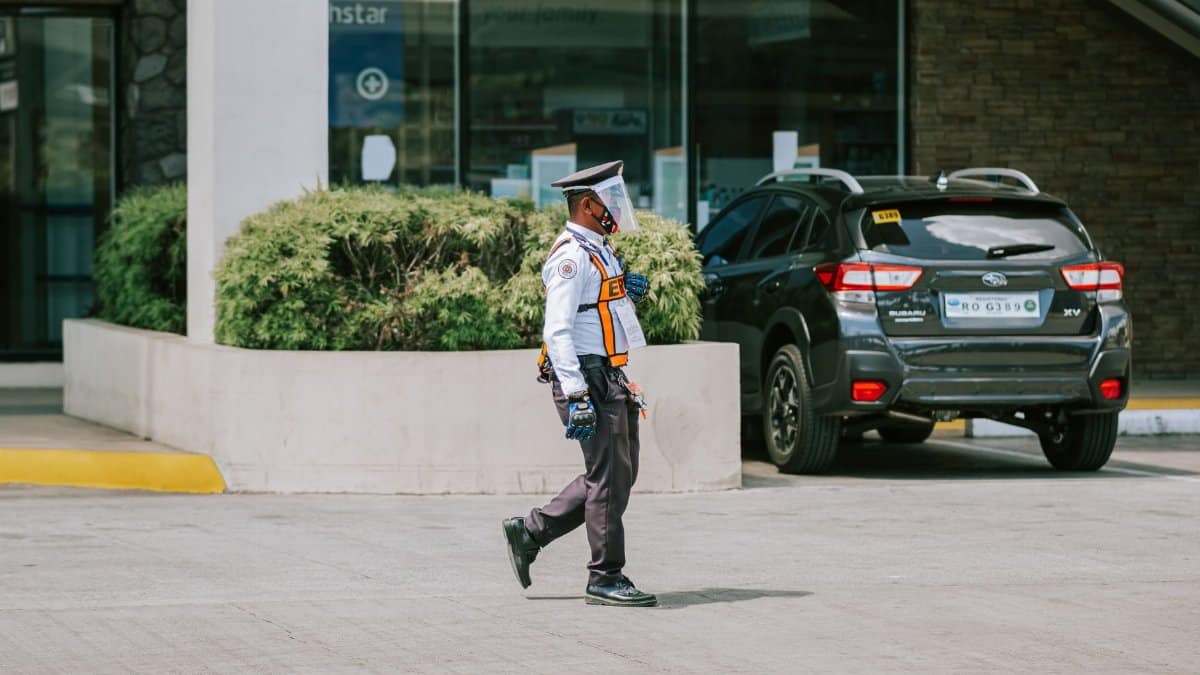
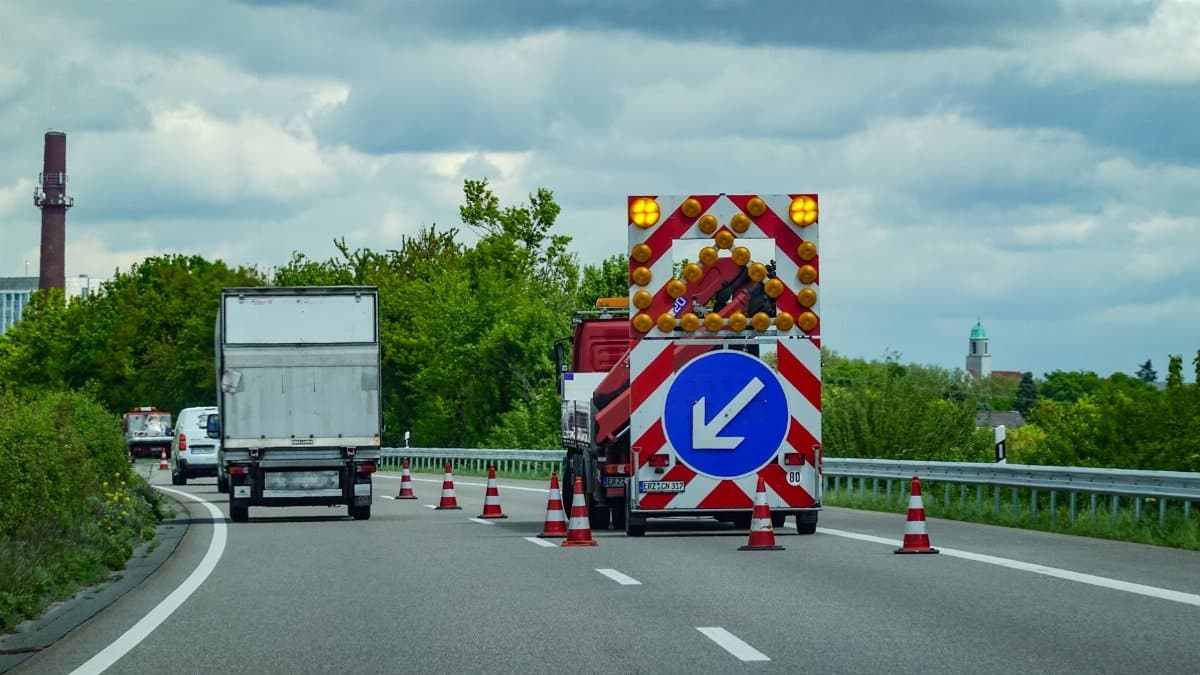
Signage and temporary barriers guide motorists through newly opened sections to prevent accidents on unfamiliar pavement. Patrols increased to deter sightseers who might wander into active fire zones. Coordination between agencies ensured consistent messaging across radio and digital alerts.
Broader Lessons on Wildfire Preparedness
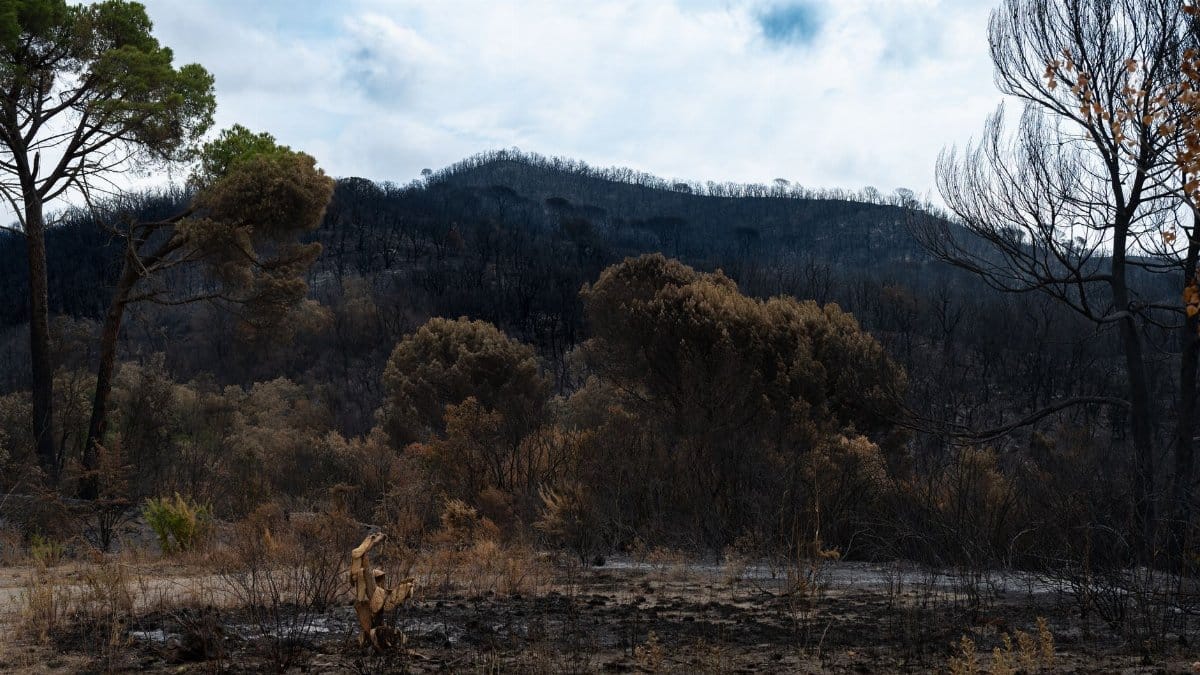
The episode underscores the value of community drills and defensible space around homes. Residents who maintained cleared zones around structures often saw faster return times once the Highway 1 Big Sur fire threat receded. State funding for such mitigation efforts may increase in coming budget cycles.