
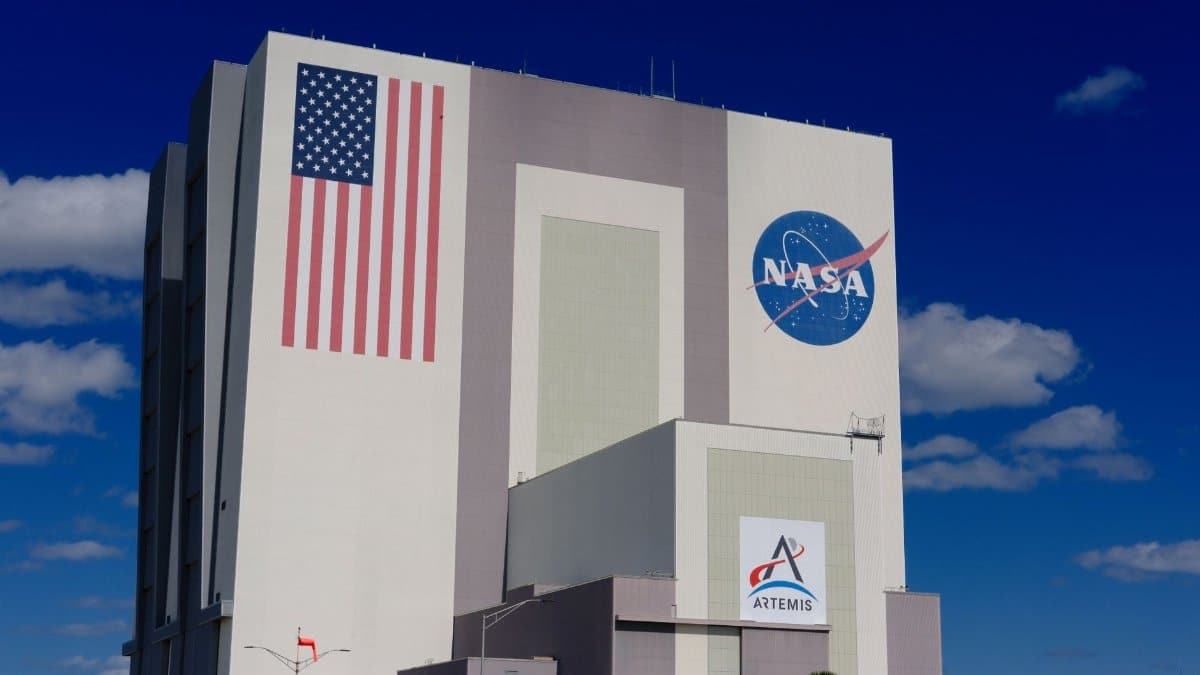
On a bright afternoon at the Johnson Space Center in Houston, President Donald Trump signed an executive order that marks a fresh chapter in national efforts to prepare the next generation for the rigors of space exploration. The move establishes the U.S. Space Academy as a dedicated institution modeled on longstanding service academies, with scholarships aimed at drawing talented students into fields that blend science, engineering and leadership.
Setting the Stage in Houston

The signing took place against the backdrop of active NASA operations where engineers and astronauts continue to push boundaries in human spaceflight. Officials described the academy as a way to build a steady pipeline of skilled professionals ready to tackle missions that extend beyond low Earth orbit. Local leaders welcomed the announcement as a boost to the regional economy and to educational programs already tied to aerospace.
Modeling After Established Service Academies

The new academy draws direct inspiration from institutions like West Point and the Naval Academy, adapting their structure of rigorous academics combined with physical and ethical training to the unique demands of space. Curriculum planners expect to include advanced coursework in orbital mechanics, life support systems and international space law. Students would also undergo simulations that mirror the isolation and teamwork required on long duration flights.
Scholarship Framework and Access

Under the executive order a competitive scholarship program will cover tuition and living expenses for selected cadets. Priority goes to applicants who demonstrate strong performance in mathematics and the physical sciences along with a clear commitment to public service. Program architects aim to draw candidates from across the country, including those from underrepresented regions, to ensure a diverse cohort enters the space workforce.
Links to Ongoing NASA Missions
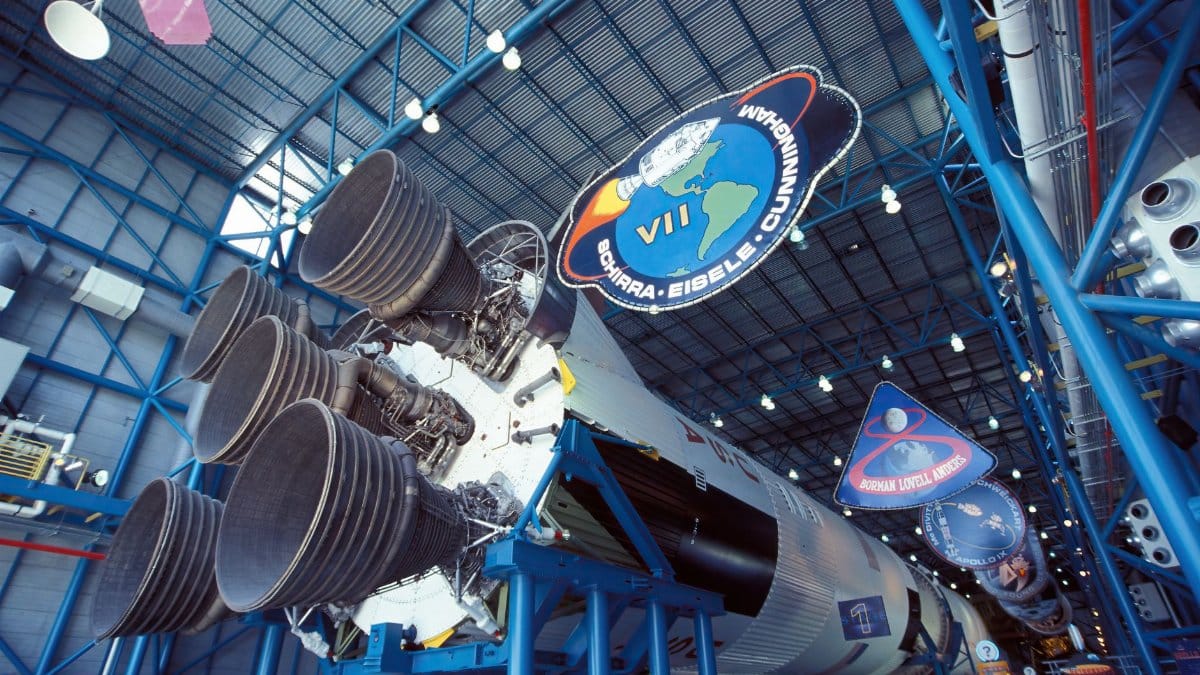
Johnson Space Center staff noted that academy graduates could eventually support projects already in motion, such as Artemis lunar landings and future Mars exploration concepts. The institution would offer internships that place students directly into mission control rooms and research labs. This integration seeks to accelerate the transfer of knowledge from classroom to operational environments.
Broader National Goals in Exploration

Advocates argue the academy aligns with longstanding American priorities around maintaining leadership in space technology. By investing in human capital today the country positions itself to respond to growing international competition in satellite systems and crewed vehicles. The initiative also reflects a belief that space activities can inspire wider interest in science education at earlier grade levels.
Educational Partnerships Across States

Early discussions involve collaborations with universities in Texas, Florida and California that already host robust aerospace departments. These partnerships would allow academy cadets to earn dual degrees while gaining hands on experience at partner facilities. Such arrangements expand the reach of the program without requiring an entirely new campus infrastructure from the outset.
Public Reaction and Future Outlook

Reactions from the aerospace community have ranged from cautious optimism to outright enthusiasm, with many viewing the academy as a practical step toward sustaining momentum in civil space programs. As details of the curriculum and admissions process take shape in coming months, observers will watch closely to see how the institution evolves and whether it delivers on its promise of preparing a new cadre of space professionals.