
Health officials across Illinois have mobilized in response to recent cases of measles that have emerged in one central county. This situation, known as the measles outbreak Illinois, has raised alarms among parents and community leaders alike who recall the dangers of this highly contagious illness. The response includes efforts to trace every possible exposure and encourage timely vaccinations to prevent further spread. Families in affected areas now face difficult choices about school attendance and social gatherings while authorities work to contain the situation before it widens.
Background on Measles and Its Risks

Measles remains one of the most infectious diseases known to medicine. It spreads through the air when an infected person coughs or sneezes. Symptoms often begin with fever and cough before a distinctive rash appears. Complications can include pneumonia and encephalitis in some cases. Middle aged adults may remember widespread vaccination campaigns from earlier decades that largely kept such threats at bay.
Details of the Current Cases in Douglas County
Four linked cases form the core of the measles outbreak Illinois. All patients share connections through household or community interactions. Officials note that none of the individuals had received recent vaccinations. This cluster has prompted immediate isolation measures and monitoring of close contacts to limit additional transmissions.
Role of Vaccination in Prevention Efforts

Vaccines provide strong protection against measles when administered on schedule. Public health teams now emphasize catch up doses for those who missed earlier opportunities. Community clinics have extended hours to accommodate working families. Data from similar past events show that higher coverage rates quickly reduce new infections.
Contact Tracing and Monitoring Activities

Teams have begun mapping every location visited by the confirmed patients. Schools, stores and places of worship appear on the list of potential exposure sites. Individuals who may have crossed paths with the cases receive calls or letters advising them to watch for symptoms. This methodical process helps break chains of transmission before they grow.
Community Impact in Affected Areas

Residents of Douglas County describe a mix of concern and resolve. Some parents have chosen to keep children home from activities while others seek reassurance through medical consultations. Local businesses report slight dips in foot traffic as people limit outings. Yet many express confidence that coordinated action will restore normal routines soon.
Historical Context of Measles Control

Decades ago measles circulated widely across the nation with regular waves of illness. Introduction of an effective vaccine transformed the landscape and led to elimination status in many regions. Occasional resurgences remind everyone that protection requires ongoing attention. The current measles outbreak Illinois fits within this longer pattern of vigilance and response.
Advice for Parents and Families

Medical experts recommend reviewing vaccination records for all household members. Those unsure about their status can consult primary care providers for guidance. Prompt reporting of fever or rash allows faster intervention. Open communication with schools and day care centers supports collective safety.
Collaboration with Local Health Departments
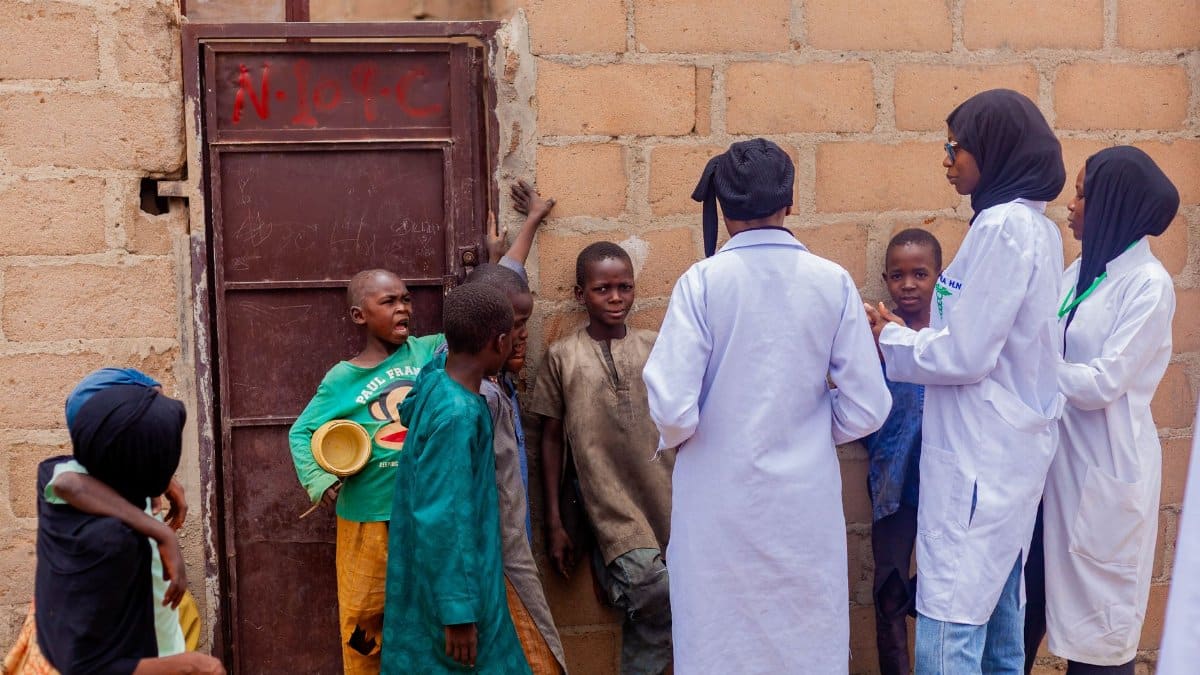
State and county agencies share resources to strengthen the response. Joint briefings keep elected leaders informed and aligned. Partnerships with hospitals ensure beds and testing capacity remain available. Such cooperation has proven essential in managing similar public health challenges elsewhere.
Potential Complications from Infection

While many recover fully from measles others encounter serious issues. Ear infections and dehydration appear frequently among younger patients. In rarer instances lasting neurological effects emerge. Awareness of these possibilities motivates the current push for broader immunization.
Public Health Messaging Strategies

Clear and consistent information flows through local media and social channels. Officials avoid alarmist language yet stress the need for action. Translated materials reach diverse populations within the county. Feedback from community members helps refine messages over time.
Lessons from Past Outbreaks Nationwide

Previous episodes in other states revealed the speed at which measles can move through underprotected groups. Rapid identification of index cases made a measurable difference in outcomes. Sustained investment in routine immunization programs proved the most reliable safeguard. The measles outbreak Illinois offers another opportunity to apply those insights.
Importance of Herd Immunity Thresholds
High vaccination levels create a protective barrier that shields those unable to receive shots. When coverage dips below critical points outbreaks become more likely. Communities that maintain strong rates experience fewer disruptions from contagious diseases. Current efforts aim to reinforce this collective defense in central Illinois.