
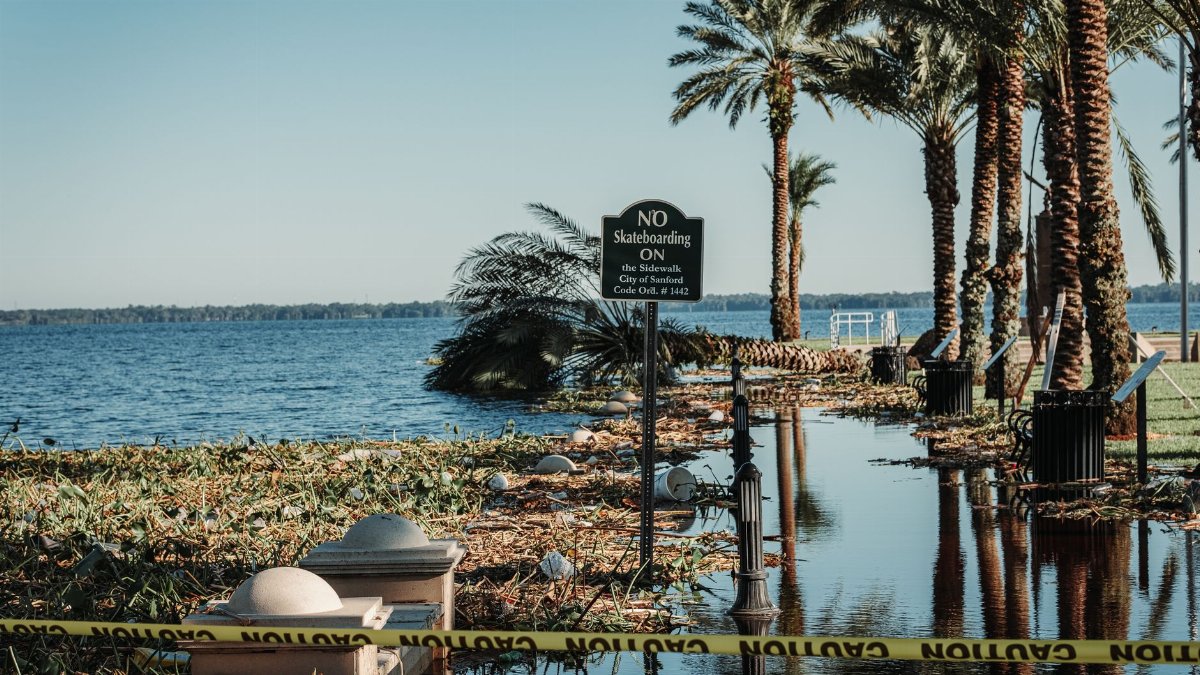
The Philadelphia region has seen an alarming increase in severe weather alerts this year. By early September analysts noted nearly three times the typical number of flood events compared to an average year. This situation has prompted widespread discussion about preparedness and infrastructure resilience in the face of changing climate patterns. Philadelphia flood warnings have become a frequent topic among local officials and residents alike as they seek ways to adapt.
Historical Patterns of Regional Weather
Records from past decades show far fewer instances of repeated alerts during similar time frames. Older residents recall occasional heavy rains but note that the current frequency stands out. Data from regional monitoring stations highlight shifts in precipitation intensity over recent years.
Community Responses and Adaptations
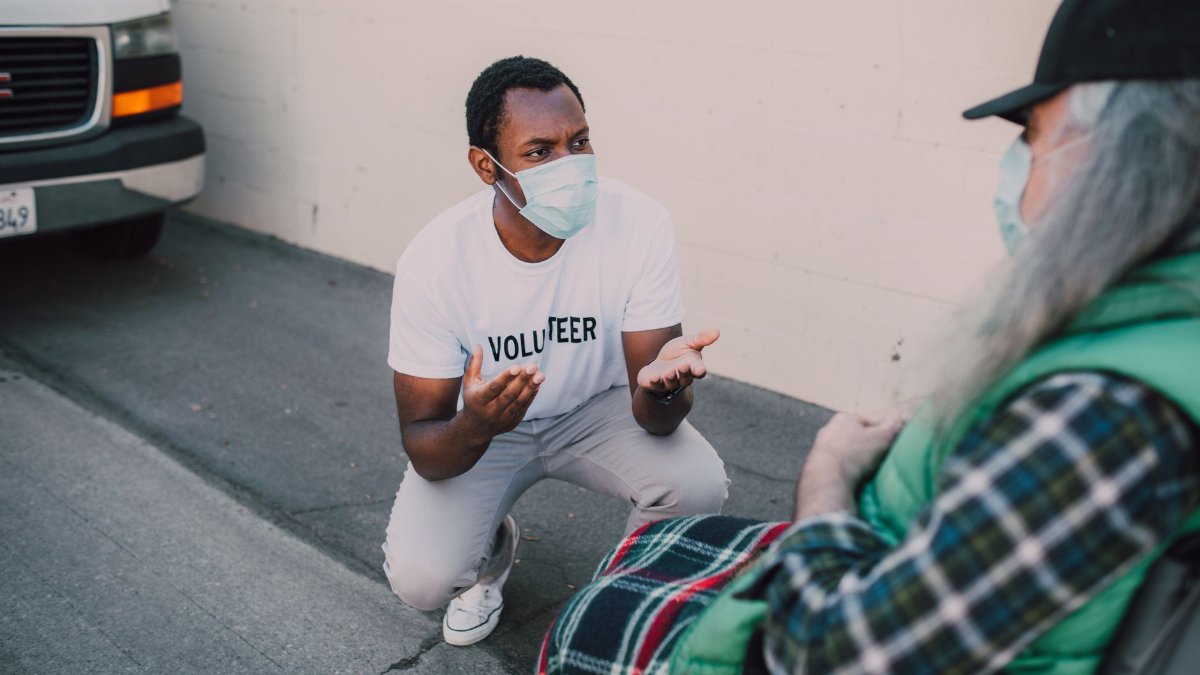
Neighborhood groups have organized workshops to share practical tips for protecting homes and belongings. Volunteers coordinate sandbag distributions while local churches open shelters for those in need. These efforts reflect a growing emphasis on collective readiness amid recurring challenges.
Infrastructure Strains Under Pressure

Older drainage systems in many parts of the city struggle to handle sudden downpours leading to street flooding in low lying areas. Engineers review upgrade options but face funding hurdles and lengthy approval processes. Some neighborhoods explore green solutions such as rain gardens to ease the burden on traditional setups.
Role of Local Media in Alerts

News outlets play a key part by delivering timely updates and explaining what each warning means for daily life. Broadcasters emphasize safety steps like avoiding travel during storms. This coverage helps bridge gaps between official notices and public understanding.
Environmental Factors at Play

Scientists point to warmer air holding more moisture as one contributor to intense rainfall episodes. Studies from regional universities examine how urban development affects water runoff patterns. Ongoing research seeks clearer connections to broader climate trends without jumping to conclusions.
Personal Stories from Affected Residents

One family in a suburban area described moving valuables to higher floors after multiple close calls this season. Others speak of disrupted commutes and school schedules that require flexible planning. These accounts illustrate the human side of persistent weather concerns.
Policy Discussions at City Level

Officials debate new building codes that could require elevated foundations in vulnerable zones. Public meetings draw crowds eager to voice concerns about insurance costs and property values. Bipartisan support emerges for improved forecasting tools and emergency funding mechanisms.
Spiritual Dimensions in Times of Uncertainty

Faith communities offer spaces for reflection and support during stressful periods marked by Philadelphia flood warnings. Prayer gatherings and shared meals provide comfort while encouraging resilience. Leaders frame these events as calls to stewardship of the natural world and care for neighbors.
Economic Ripple Effects Observed

Businesses report lost revenue from closures during alerts while supply chains face temporary delays. Insurance providers adjust rates based on claim volumes creating new considerations for property owners. Long term planning now includes weather risk assessments as standard practice.
Looking Ahead to Future Preparedness
Experts advocate for expanded monitoring networks and public education campaigns to reduce vulnerabilities. Regional cooperation between states aims to coordinate responses across shared watersheds. Continued attention to Philadelphia flood warnings could shape more robust strategies in coming seasons.