
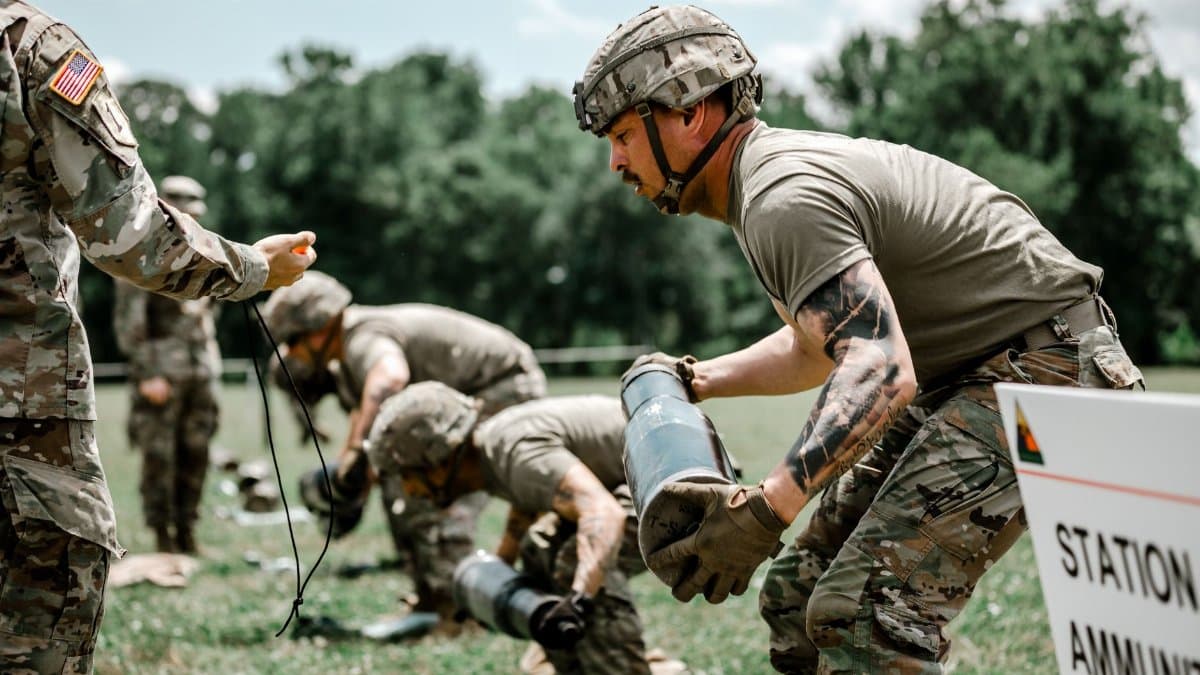
In an era when military installations seek greater independence from fragile civilian power grids, the selection of Fort Hood microreactor as part of a broader federal effort highlights shifting priorities in national defense infrastructure. The Army has identified five bases for prototype nuclear units under a two point two billion dollar program meant to ensure continuous operations during widespread outages. Fort Hood, with its expansive training grounds and large troop presence, represents a practical test site for compact reactor technology that could reshape how bases prepare for emergencies. Officials emphasize resilience over expansion, noting that such systems would allow facilities to maintain command functions, medical care and logistics without relying on external utilities. This move arrives amid rising concerns about climate driven storms and potential disruptions to traditional energy supplies across the southern United States.
Historical Context of Base Energy Needs
Army posts have long depended on regional utilities that can falter under extreme weather or mechanical strain. Past blackouts at similar sites exposed vulnerabilities in fuel delivery chains and backup generators that require constant maintenance. Records from earlier decades show repeated instances where training schedules halted and administrative centers lost connectivity for days. The current pilot seeks to address these gaps by placing generation capacity directly on site in a form that demands minimal refueling.
Technical Features of the Proposed Units
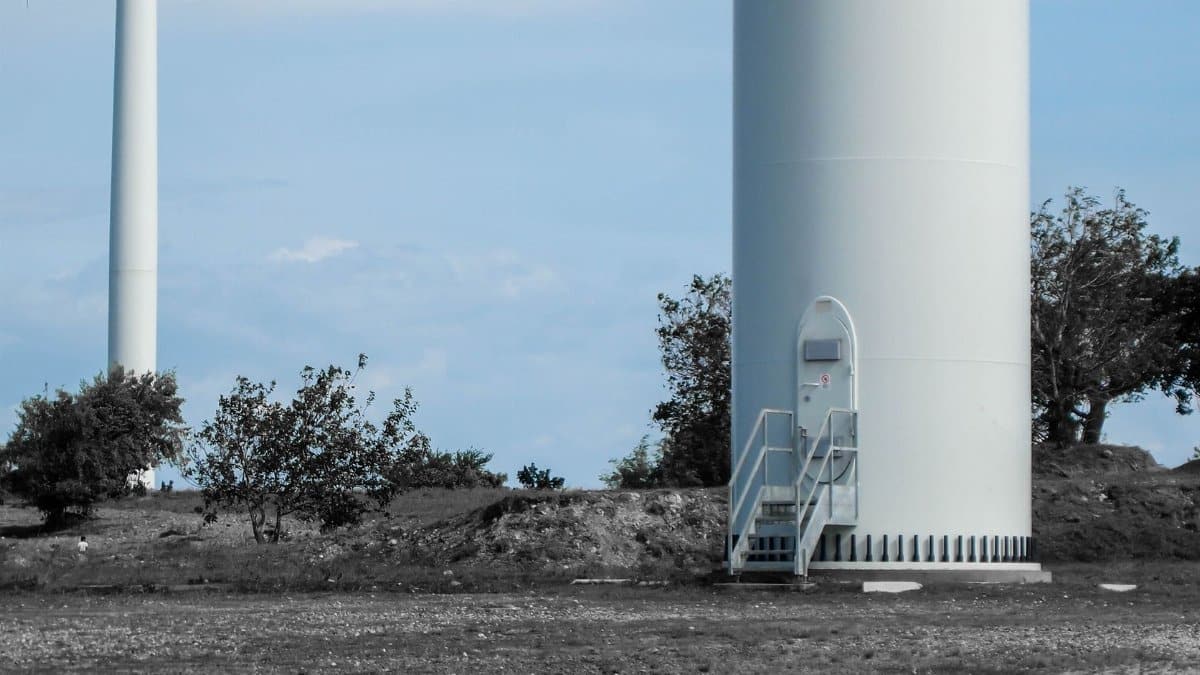
Engineers describe the reactors as small enough to fit within existing base perimeters yet capable of supplying steady electricity for thousands of personnel. Designs incorporate passive safety mechanisms that reduce the need for active cooling systems during shutdowns. Fuel assemblies are intended to last several years before replacement, lowering logistical burdens compared with diesel stockpiles. Regulatory reviews will examine seismic standards and waste handling procedures specific to each location.
Strategic Value for National Defense Readiness
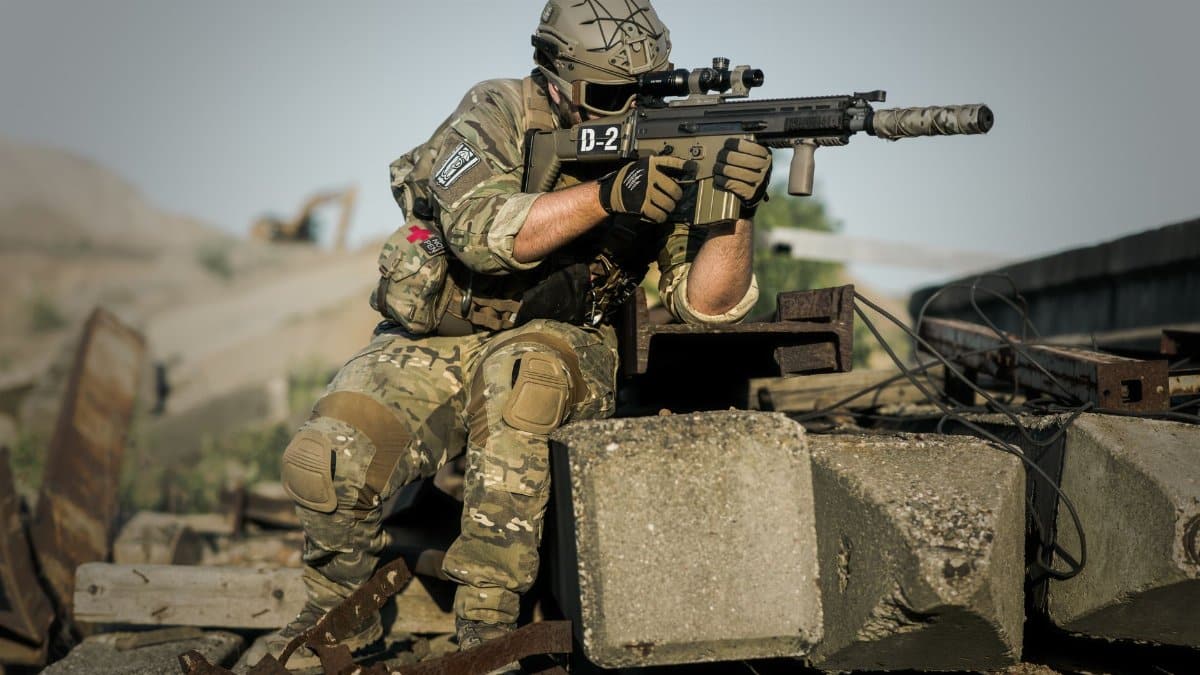
Continuous power supports everything from communications networks to weapons maintenance bays. In scenarios involving extended grid failures, bases equipped with on site generation could serve as regional hubs for coordination with civilian agencies. Planners note that energy autonomy strengthens deterrence by ensuring forces remain operational regardless of external conditions. The Fort Hood microreactor fits into wider efforts to modernize infrastructure across multiple service branches.
Community and Environmental Considerations

Local leaders near the selected installations have begun reviewing potential impacts on water resources and land use. Public meetings will cover radiation monitoring plans and emergency response protocols. Advocates for the project point to lower carbon emissions relative to traditional generators, while skeptics raise questions about long term storage of spent material. Environmental assessments required by federal law will guide final approvals.
Comparison With Civilian Nuclear Developments
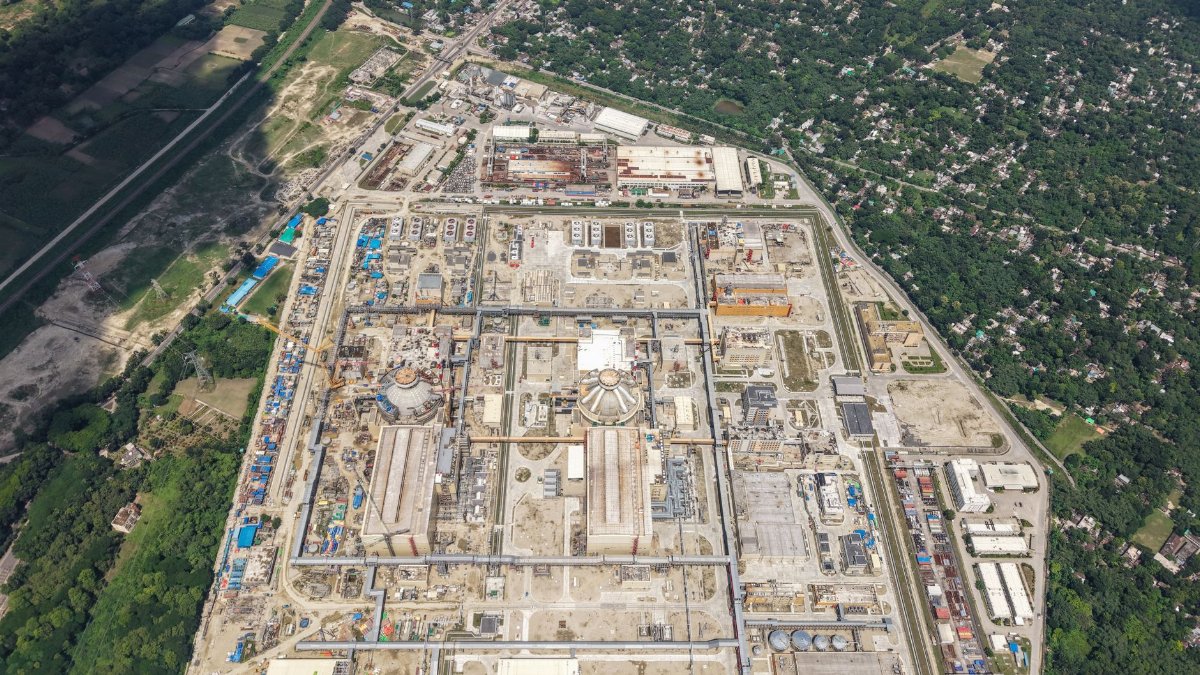
Private sector experiments with small reactors focus largely on remote communities or industrial sites far from population centers. Military applications differ in their emphasis on rapid deployment and integration with existing security perimeters. Lessons from both domains could inform future standards, though classification rules may limit information sharing. The Fort Hood microreactor program may offer data useful to regulators overseeing commercial projects.
Budget Allocation and Timeline Expectations

Funding spreads across design, construction and testing phases scheduled over the next decade. Congressional oversight committees have requested regular progress reports tied to performance milestones. Cost estimates include provisions for workforce training at each participating base. Delays in permitting could affect overall spending patterns and completion dates.
Workforce Training and Skill Requirements
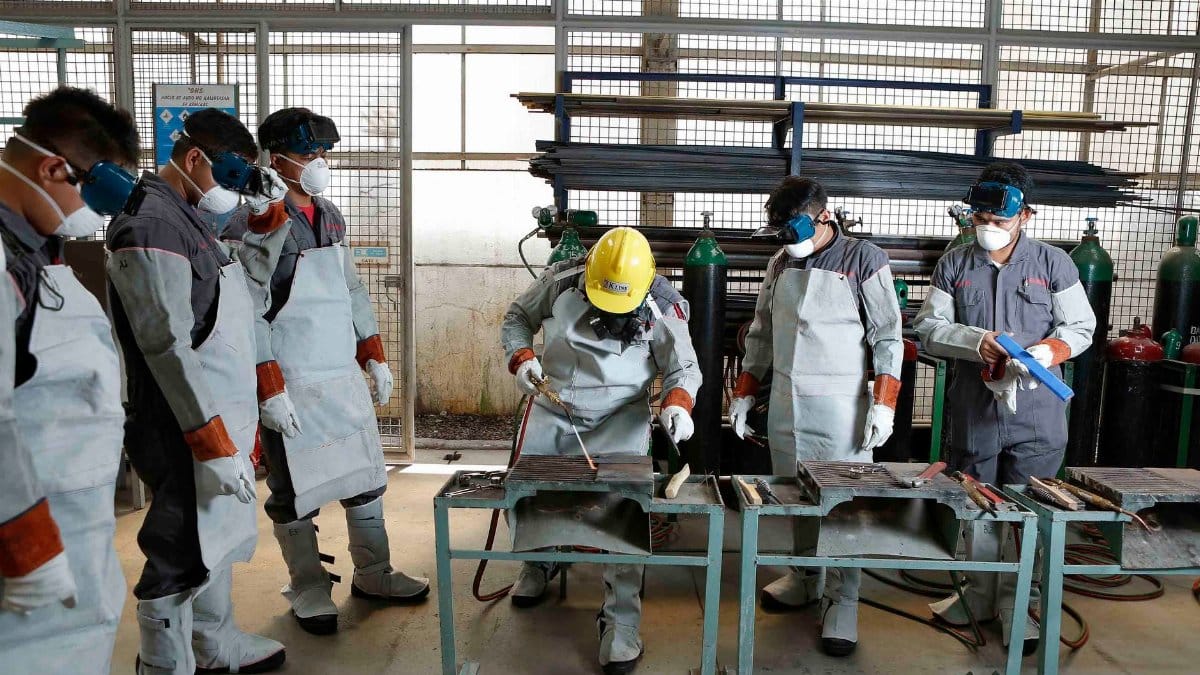
Operating these units will demand specialized technicians familiar with nuclear protocols and base security procedures. Partnerships with technical colleges near the installations aim to build local talent pipelines. Certification processes will align with standards set by national regulatory bodies. Retaining qualified staff remains a priority given competition from private energy firms.
Future Expansion Possibilities Across Services

Success at the initial five sites could prompt evaluations for additional locations within the Army and potentially other branches. Data collected during early operations will shape decisions on scaling production of similar units. International allies have expressed interest in comparable systems for their own forward operating positions. Policy adjustments may follow as operational experience accumulates.