
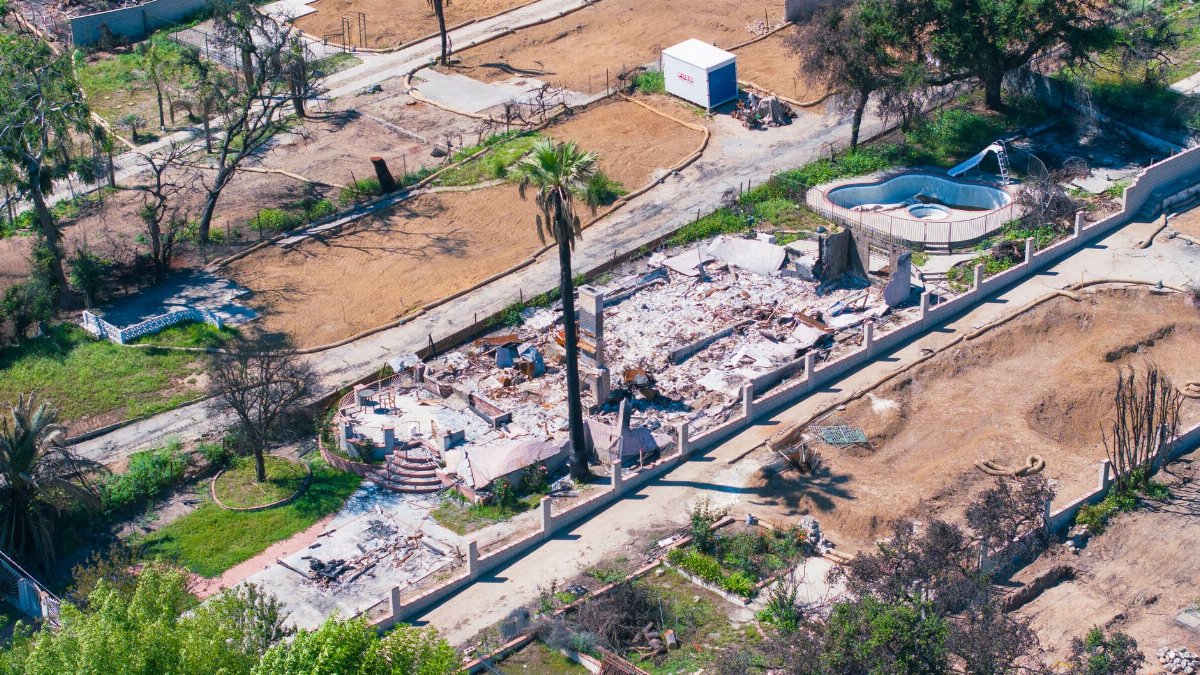
In Sacramento the rejection of a major proposal has stirred debate among residents concerned about rising costs from natural disasters. The decision by California lawmakers to set aside Governor Gavin Newsoms plan means the issue of liability for utilities remains open. This development affects how future wildfire insurance bill measures might be crafted to protect homeowners in vulnerable areas. Observers note that the outcome leaves ratepayers facing continued uncertainty as fire risks grow across the state.
Origins of the Legislative Effort
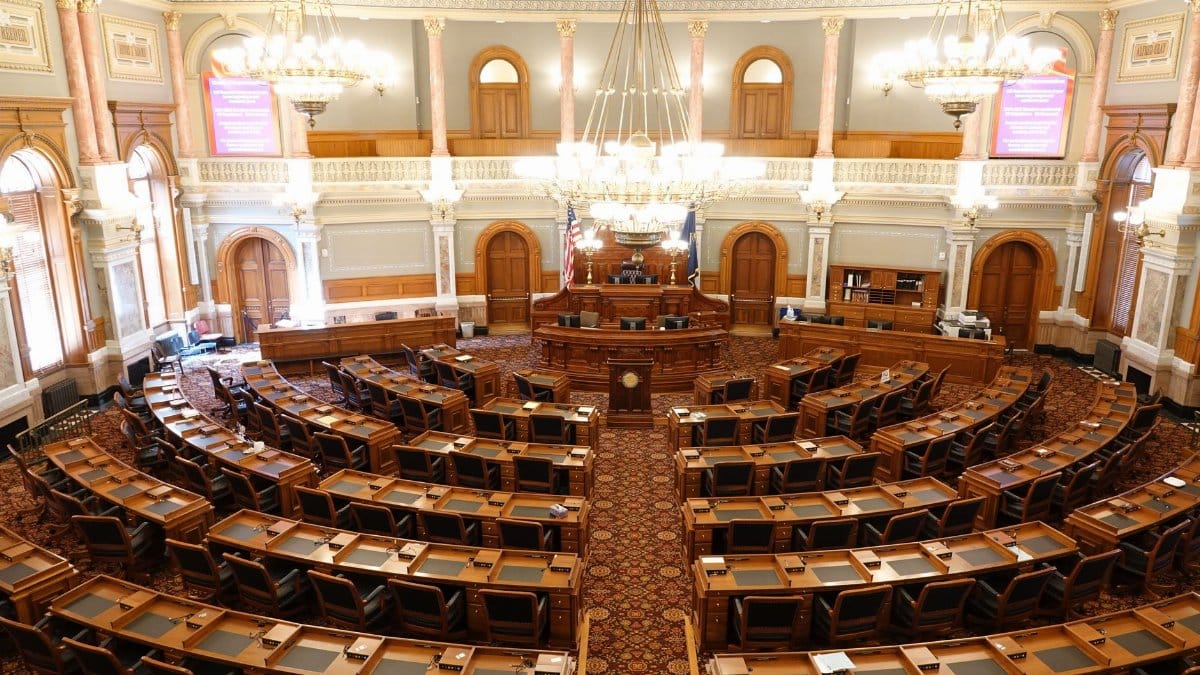
The proposal emerged after several destructive fire seasons that prompted calls for new frameworks to handle claims and responsibilities. Advocates argued that clear rules could stabilize markets while critics feared added burdens on consumers already dealing with higher premiums. Discussions in committees revealed deep divisions over how to balance accountability for power companies with the need for affordable coverage options.
Key Players in the Debate

Governor Newsom pushed for the package as a way to address gaps exposed by past events yet assembly members from both parties raised concerns about its scope. Utility representatives expressed support for liability limits while consumer groups warned against shifting costs onto households. The exchanges highlighted competing priorities that ultimately stalled progress on the measure.
Impact on Homeowners Across Regions
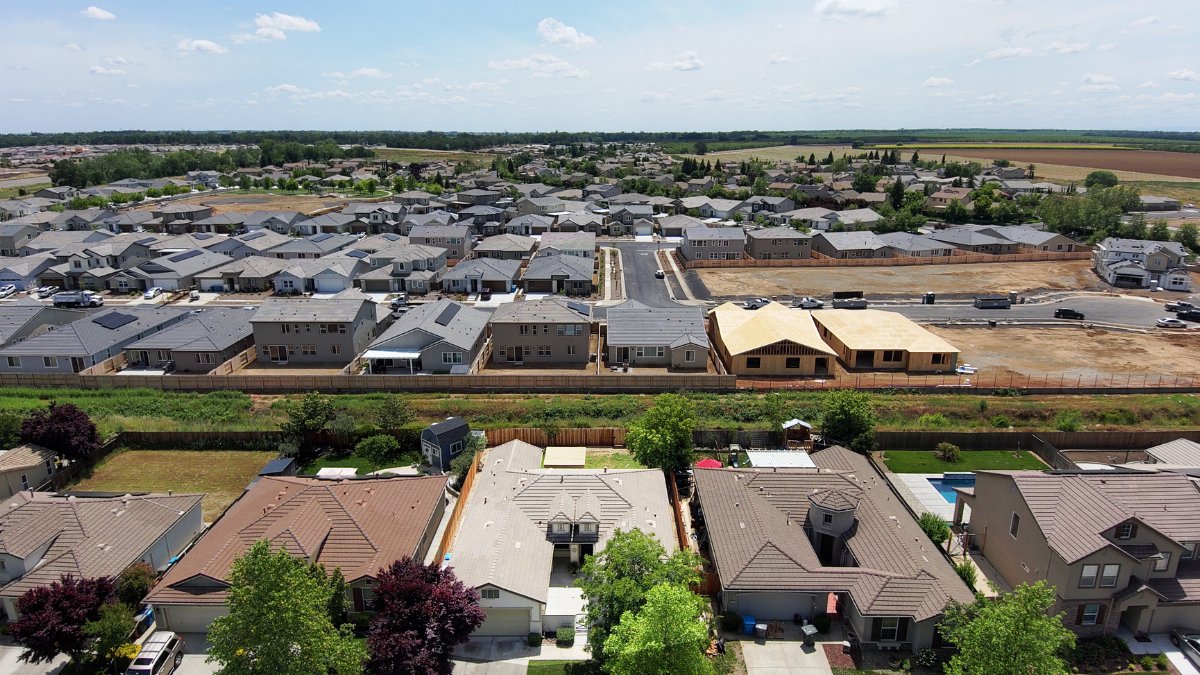
Many property owners in high risk zones now wonder how they will secure protection without the reforms the package aimed to introduce. Some have already seen carriers pull back from certain areas leaving gaps that force reliance on state backed programs. This situation adds pressure to local economies as rebuilding efforts slow amid questions over future coverage availability.
Utility Company Liabilities Explored
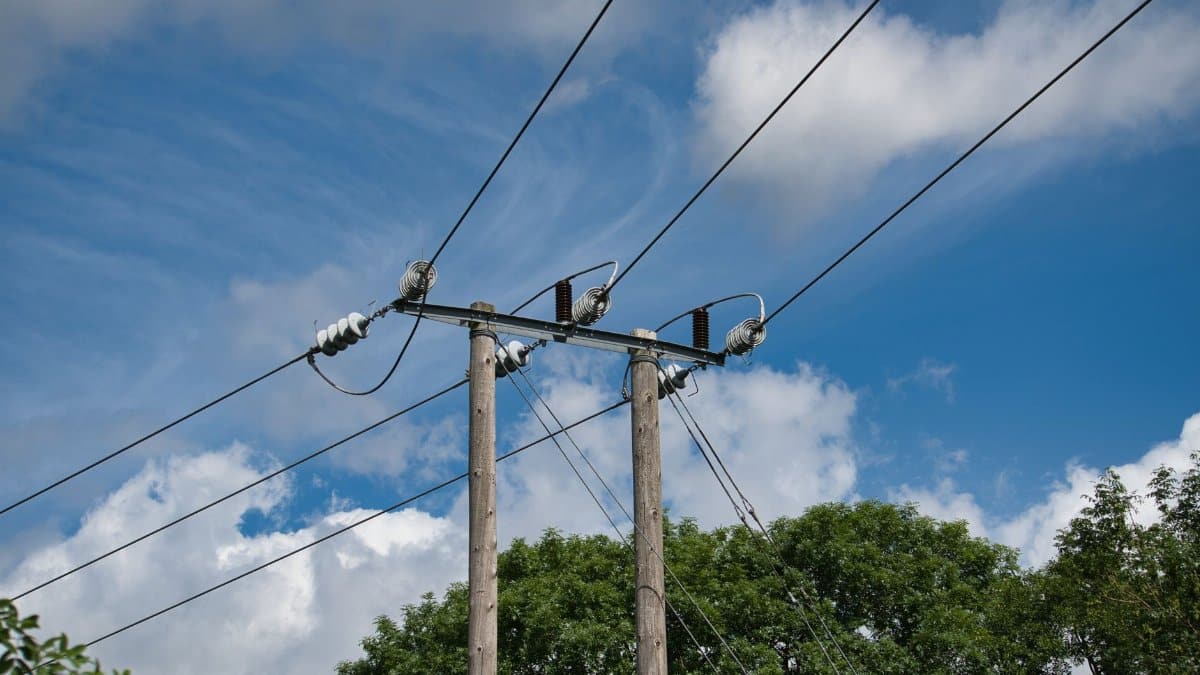
Power providers face ongoing exposure to lawsuits tied to equipment failures during extreme weather. Without the proposed changes the legal landscape stays complex and costly for all involved parties. Analysts suggest that prolonged uncertainty could lead to further rate adjustments passed along to customers in the coming years.
Broader Economic Consequences

Businesses in affected counties report difficulties obtaining financing because lenders require proof of adequate protection against fire losses. The absence of updated rules may slow investment in infrastructure upgrades that could reduce risks over time. Communities reliant on tourism also feel the ripple effects as perceptions of instability grow.
Public Response and Community Voices
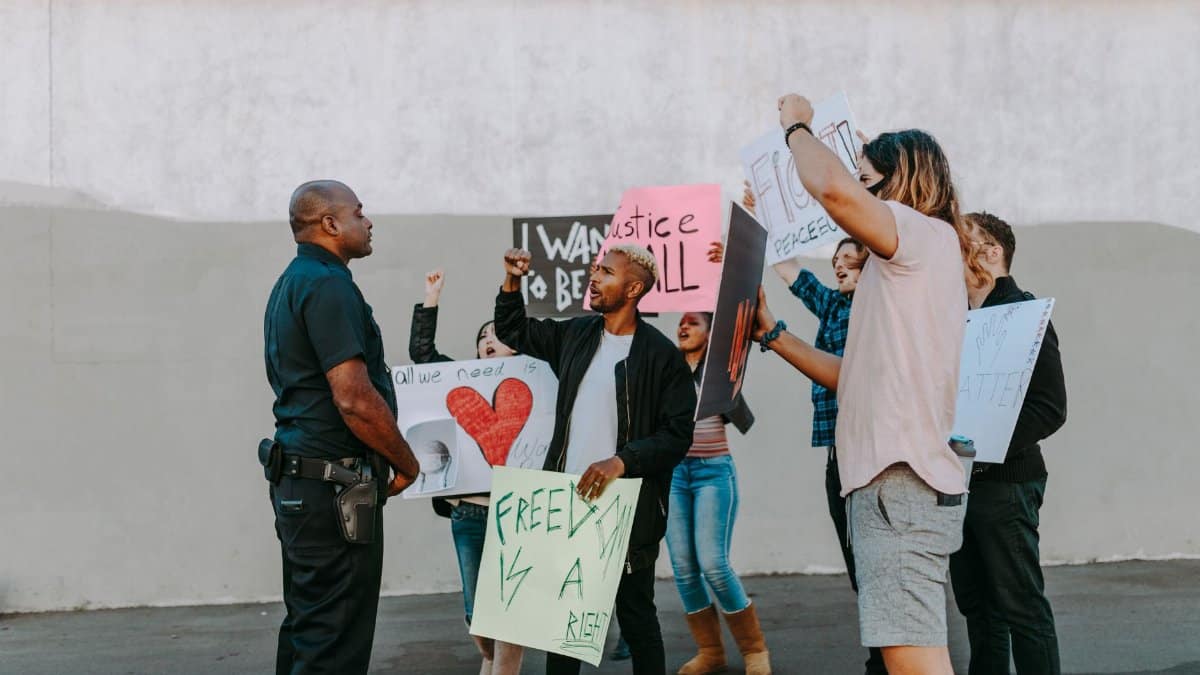
Residents have voiced frustration through town halls and written comments emphasizing the need for practical solutions rather than political standoffs. Some share stories of narrow escapes during recent fires underscoring why stable insurance remains vital. These accounts bring a human element to the policy discussions that continue in the capitol.
Potential Paths Forward for Reform

Legislators may revisit elements of the original idea in future sessions with adjustments to gain wider support. Experts recommend studying successful models from other states facing similar challenges to inform adjustments. Bipartisan cooperation appears essential if meaningful changes are to emerge from the current impasse.
Lessons from Past Fire Seasons
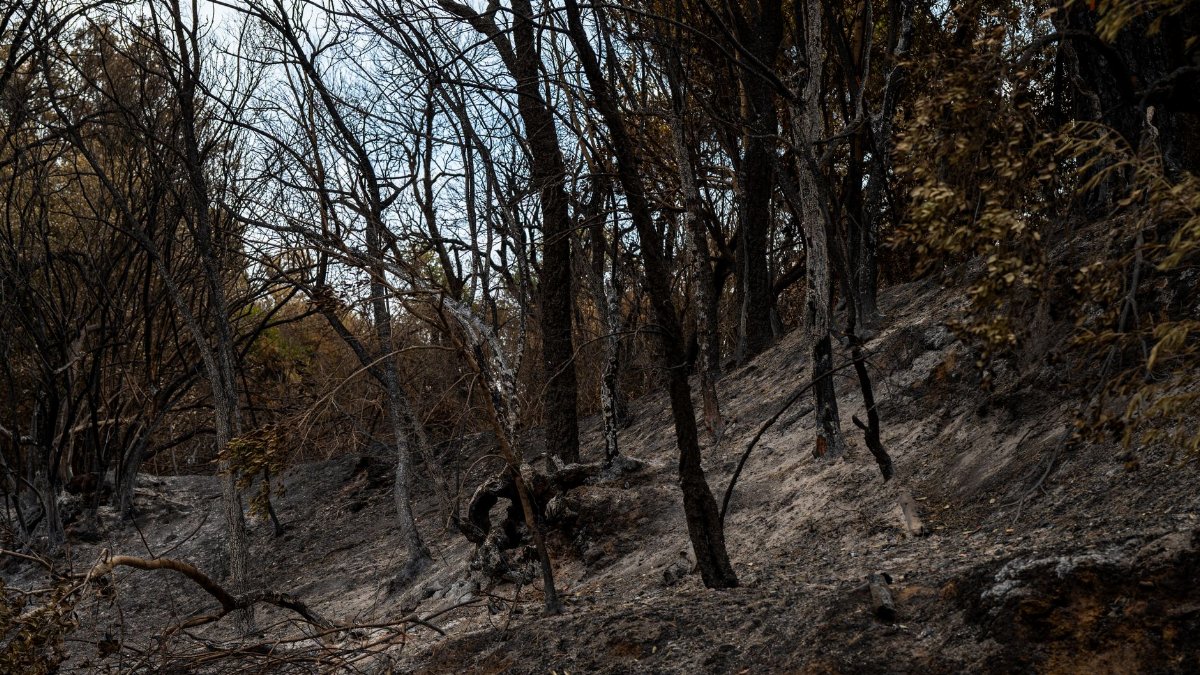
Historical patterns show that delayed action often results in higher overall expenses when disasters strike again. Reviewing prior incidents provides context for why comprehensive approaches matter in managing both immediate recovery and long term prevention. Such reflections can guide better preparation even without the recent package.