

In the bustling city of Dallas many drivers face unexpected hurdles when trying to resolve simple traffic tickets. Delays stretch on for months leaving people frustrated with the slow pace of justice. This pattern points to deeper issues within Dallas municipal court where resources and systems struggle to keep up with demand. Observers note that residents often wait in limbo as paperwork piles up and hearings get postponed repeatedly.
Understanding the Case Backlog

City leaders have begun to examine how cases accumulate over extended periods at the local level. Reports indicate thousands of matters remain unresolved creating pressure on staff and facilities alike. The situation affects both minor infractions and more complex code violations that require detailed review.
Impact on Local Residents

Everyday citizens encounter real difficulties when seeking closure on citations or compliance issues. Time lost in waiting can lead to added stress especially for those managing work and family obligations. Some individuals describe the process as opaque with little guidance on expected timelines.
Role of Aging Technology

Current computer systems in place trace back many years and lack integration with modern databases. This creates errors during data entry and slows retrieval of records when needed most. Officials point out that updates have been discussed yet funding remains a sticking point in budget talks.
City Council Review Process
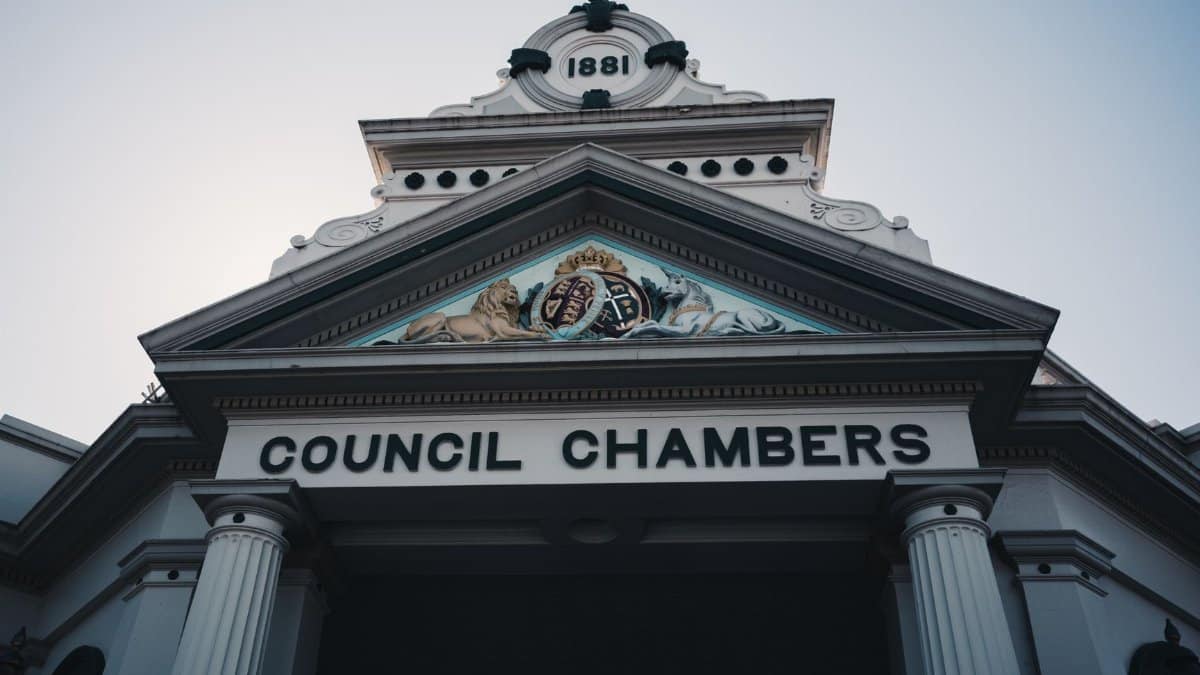
Members of the governing body recently held sessions to hear testimony from court administrators and technology experts. Questions focused on efficiency metrics and plans for improvement in the near term. Discussions revealed a consensus that action must follow the current examination phase.
Potential Solutions Being Considered

Proposals include hiring additional personnel to handle volume and investing in software that streamlines workflows. Partnerships with private vendors have also surfaced as an option though details require further negotiation. Early estimates suggest costs could reach significant sums before full implementation.
Comparison with Other Cities

Neighboring municipalities have adopted newer platforms that reduce processing times by notable margins according to available data. Dallas stands out for its slower adoption rate in this regard. Lessons from those examples could inform local strategies if adapted carefully.
Historical Context of Court Operations

Over past decades the Dallas municipal court has handled a steady rise in filings tied to population growth. Shifts in enforcement priorities have added layers of complexity to daily tasks. Past attempts at reform offer context for why progress has moved gradually.
Effects on Code Enforcement Cases

Property owners dealing with violation notices often experience extended waits before inspections or appeals move forward. This can delay repairs or sales in affected neighborhoods. Administrators acknowledge the strain but cite limited staffing as a core constraint.
Public Feedback and Concerns

Community input gathered through meetings and surveys shows widespread desire for greater transparency in status updates. Many express hope that council attention will translate into tangible changes soon. Continued monitoring by advocacy groups may help sustain momentum on the issue.