
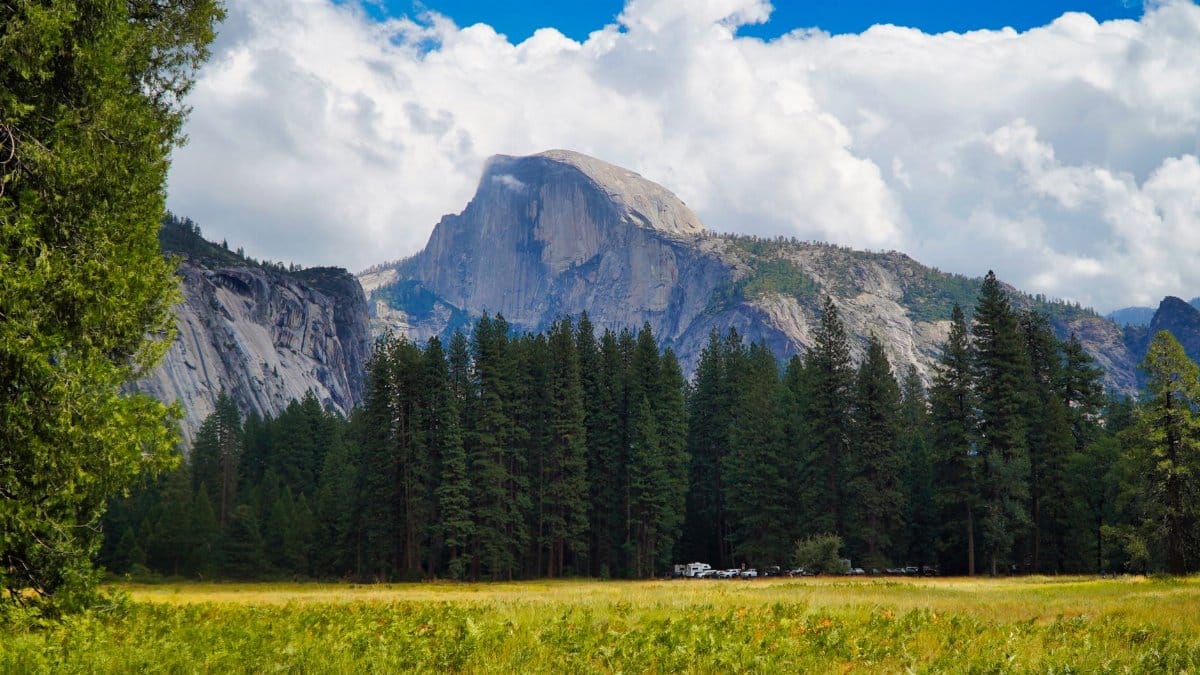
The National Park Service is reviewing a proposal that involves a Yosemite land swap with a Las Vegas firm seeking road access through a sliver of the park for potential hotel development. This plan has drawn attention from conservation groups and local officials who worry about the precedent it could set for private interests inside protected federal lands. The area in question sits near the park boundary and has long been eyed for tourism projects. Officials say the exchange would trade public acreage for private holdings elsewhere but critics question whether the public gains enough in return. The discussion comes at a time when visitor numbers strain park resources and debates over development near natural sites grow more intense.
Origins of the Boundary Dispute

The land at the center of this matter lies along an old access route that once served mining operations and later became part of the park expansion in the last century. Property records show private holdings surrounded by federal acres creating a patchwork that complicates management. Park staff have noted that maintaining clear borders requires constant negotiation with adjacent owners. The current review aims to resolve one such overlap by trading parcels of similar value.
Role of Private Development Interests

A company based in Las Vegas has pushed for clearer road access to build lodging just outside the park gates. Company representatives argue the project would serve growing tourist demand without intruding on core park areas. They point to existing private inholdings that already host limited services. Local business owners in nearby towns have expressed support citing potential jobs and tax revenue.
Concerns from Conservation Advocates
Groups focused on public lands protection say any exchange risks opening the door to further encroachment. They note that Yosemite already faces pressure from overcrowding and climate impacts. Letters sent to the agency emphasize the need for full environmental reviews before any transfer. Some advocates recall past exchanges that later required additional public funds to address unforeseen issues.
Process for Federal Land Evaluations
Under current rules the National Park Service must assess whether swapped parcels provide equal or greater value to the public. Appraisals consider factors such as location accessibility and ecological features. The agency has scheduled public meetings to gather input from residents and stakeholders. Final approval would also involve review by the Department of the Interior.
Impact on Visitor Access and Experience

Park officials worry that new road construction could alter traffic patterns and increase noise in a quiet section of the park. Visitors who seek solitude in less developed zones might notice changes in the surrounding landscape. At the same time supporters of the project claim better access could reduce congestion at main entrances. Balancing these outcomes remains a central challenge in the evaluation.
Comparisons With Earlier Land Agreements

Similar exchanges have occurred in other western parks over recent decades often to eliminate private parcels inside boundaries. Results have varied with some leading to improved trail systems while others sparked ongoing legal disputes. Lessons from those cases inform the current review though each situation carries unique geography and ownership history. Agency staff say they study prior outcomes carefully before recommending action.
Next Steps in the Review Timeline

The National Park Service expects to release a draft environmental assessment within the coming months. Public comment periods will follow allowing time for written submissions and open forums. Agency leaders have stated that no final decision will occur until all concerns receive thorough consideration. The outcome could shape how future boundary questions are handled across the park system.